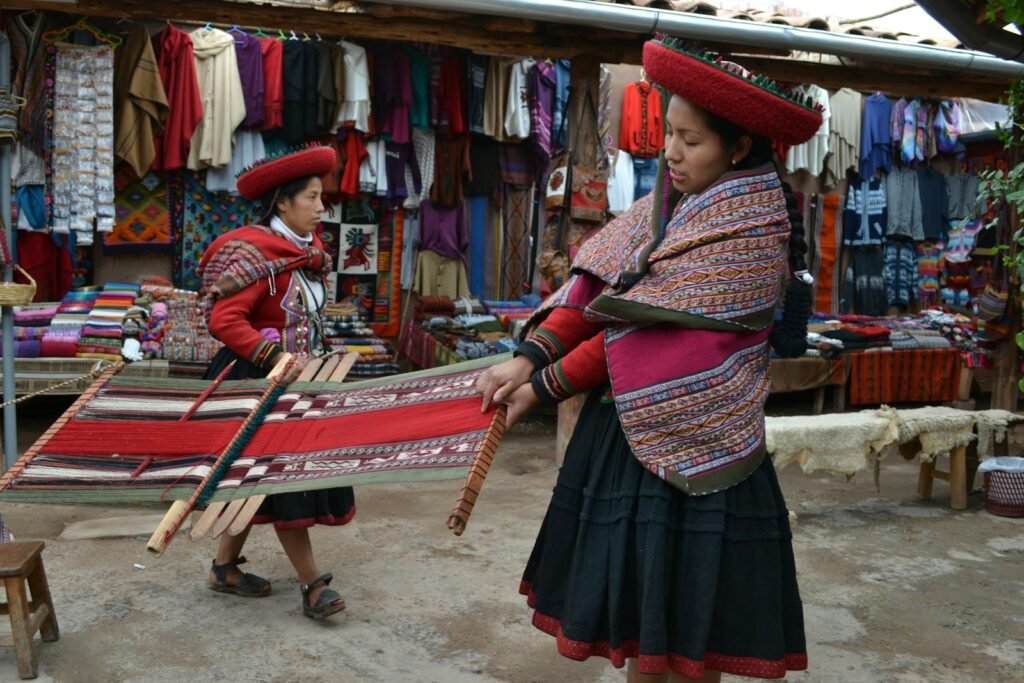

Long before European ships scraped the Atlantic shoreline, the Americas were already humming with invention, experimentation, and quiet revolutions in how humans could live with a landscape rather than simply on top of it. Yet in most school textbooks, Native peoples appear as background figures, not the primary engineers of complex agriculture, urban planning, and environmental science. That imbalance is finally starting to shift as archaeologists, geneticists, and Indigenous scholars piece together a far richer story. When you zoom in on specific innovations – from corn breeding to continental trade highways – the picture that emerges is not one of “lost tribes,” but of remarkably sophisticated problem-solvers. And those solutions did not vanish; they still underlie what we eat, how we build, and even how we think about sustainability in the twenty‑first century.
The Agricultural Revolution in Maize: Engineering a Staple from Wild Grass
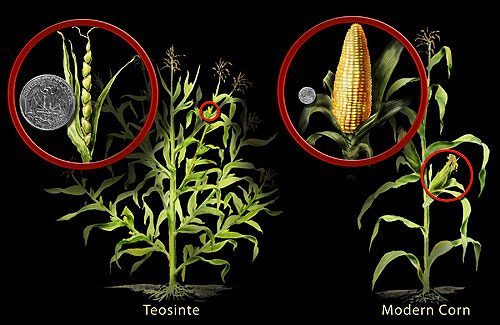
One of the most astonishing Native American innovations began with a scraggly wild grass in what is now Mexico. Early farmers looked at teosinte, with its tiny hard kernels, and saw the possibility of something more nourishing, more reliable, and easier to harvest. Over many generations, they selected plants with slightly bigger kernels, looser husks, and more cobs per stalk, gradually reshaping a wild plant into maize, or corn. This was not a random accident of nature; it was a long, deliberate genetic experiment carried out in fields rather than laboratories.
By the time corn cultivation spread north and east into what is now the United States, it had become a powerhouse crop capable of feeding large villages and cities. Different nations developed their own varieties – flint, flour, sweet, blue, white, red – each adapted to local soils, climates, and cuisines. Modern genetic studies show just how extreme this transformation was, revealing that teosinte and maize look wildly different at the DNA level despite their shared origins. Today, corn sits at the heart of global food systems and industrial agriculture, yet its roots trace back to Indigenous plant breeders who treated seeds like intricate tools. In a very real sense, they were doing bioengineering thousands of years before the word existed.
The Three Sisters System: A Living Model of Sustainable Farming
If maize was a breakthrough, the “Three Sisters” turned it into a symphony. Many Native societies across eastern North America planted corn, beans, and squash together in carefully arranged mounds, a technique that worked like a self-tuning ecosystem. Corn grew tall and straight, offering a living trellis for climbing beans; beans fixed nitrogen in the soil, quietly replenishing nutrients that corn would otherwise deplete; squash sprawled across the ground, shading the soil, suppressing weeds, and conserving moisture. What looks simple from a distance is, on closer inspection, an elegant piece of ecological engineering.
This intercropping system did more than boost yields; it reduced the need for plowing, fertilizer, and irrigation, the very things that strain soils and water tables today. Nutrition-wise, the Three Sisters formed a complementary package: together they supplied a balance of carbohydrates, protein, and vitamins that could support dense, stable populations. Some modern agronomists and climate scientists are revisiting these methods as low-input alternatives in a warming, water-stressed world. When people talk about regenerative agriculture or polyculture farming, they are in many ways catching up to insights that Native farmers put into practice centuries ago. The Three Sisters remind us that sustainable innovation can grow out of close observation, patience, and deep respect for interdependence.
Urban Planning and Earthworks: Mound Cities of the Mississippi and Beyond
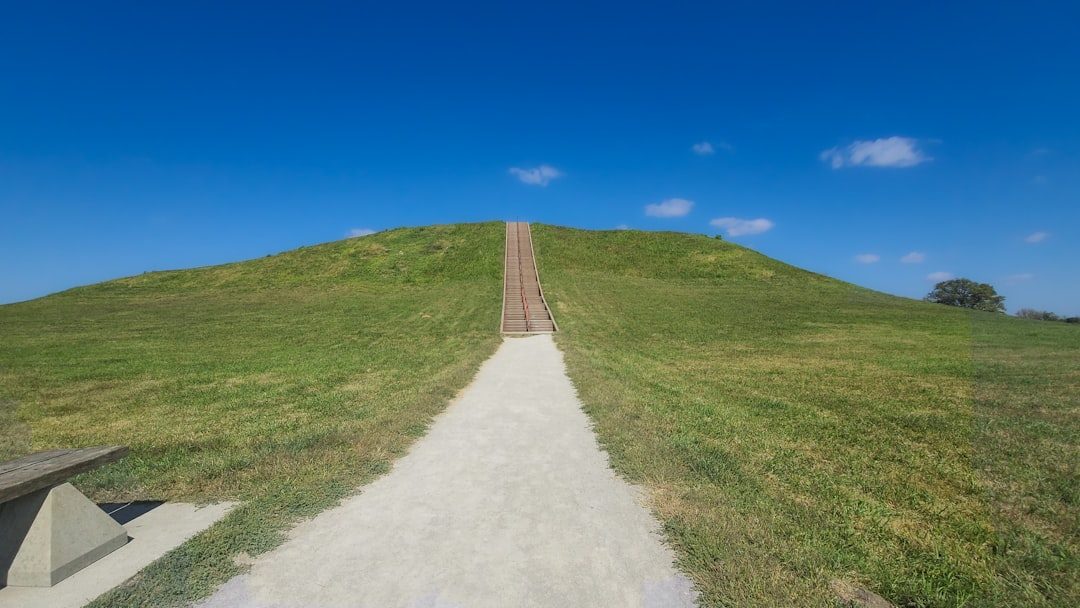
It can be jarring to learn that the heartland of North America was once dotted with cities whose skylines were dominated not by glass and steel, but by massive earthen pyramids. Societies such as those at Cahokia near present‑day St. Louis and at Moundville in Alabama engineered vast landscapes of platform mounds, plazas, causeways, and defensive earthworks. These were not random dirt piles; they were aligned with celestial events, structured for ceremony and governance, and built with a clear sense of civic design. The labor investment alone – moving unimaginable volumes of soil by hand and basket – speaks to organized leadership and shared purpose.
Many of these earthworks doubled as infrastructure: elevated platforms kept important buildings above floodwaters, while ditches and embankments guided runoff and protected settlements. Archaeologists studying soil layers and artifact distributions are now reading these sites like blueprints, revealing how people planned neighborhoods, redistributed food, and hosted large gatherings and trade fairs. When modern planners debate green infrastructure or climate‑resilient cities, the idea of working with topography and water flows, rather than simply paving them over, is starting to echo principles visible in these Indigenous designs. The mounds may appear as grassy hills today, but they represent a sophisticated, place‑based approach to urbanism that still has lessons to offer.
Complex Trade Networks: Continental Highways Without Wheels or Horses
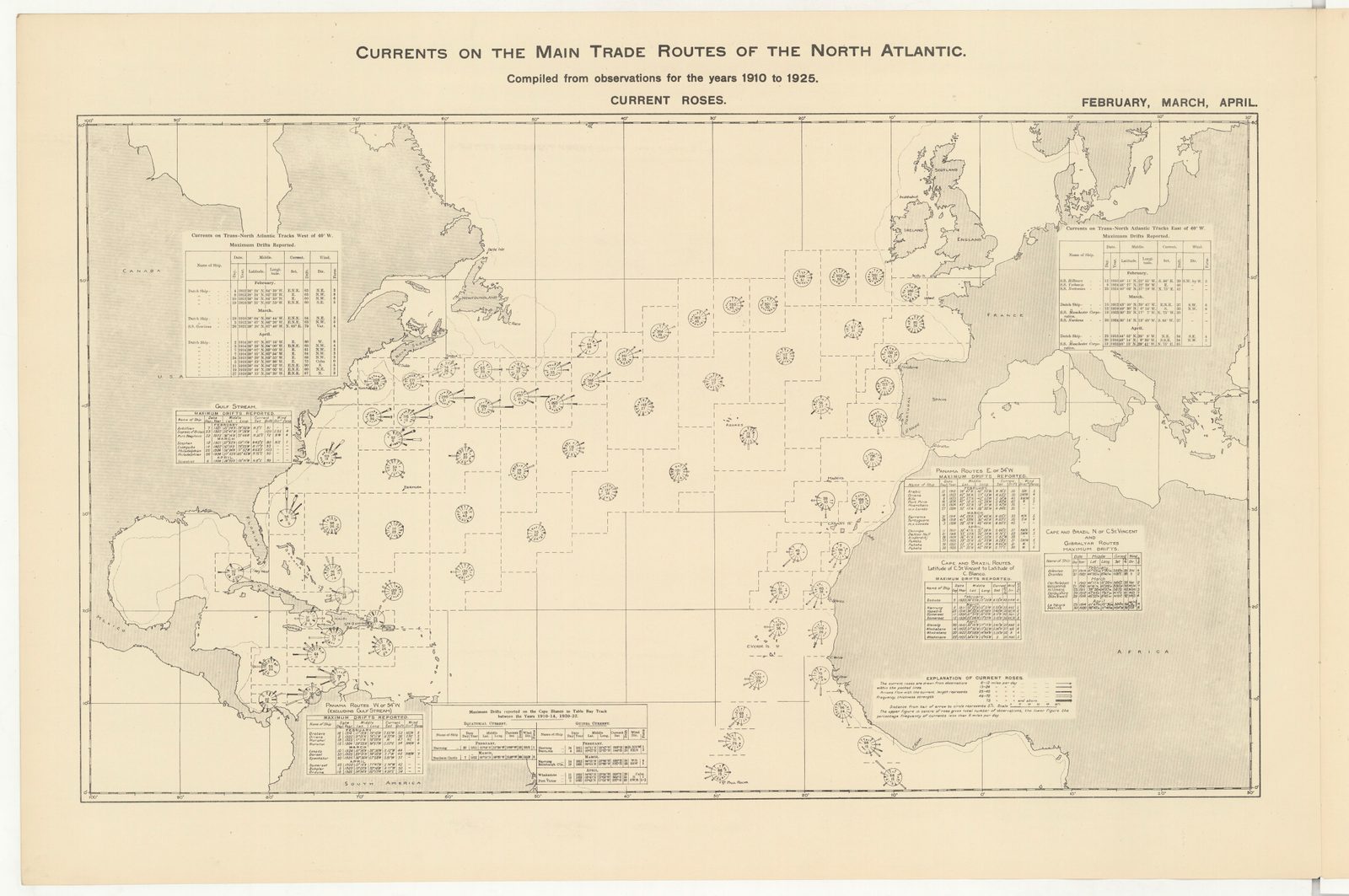
Long before asphalt roads and diesel trucks, Native nations had already stitched the continent together through sprawling trade routes that moved goods, stories, and ideas. Archaeologists have traced shells from the Gulf of Mexico to the Great Lakes, obsidian from the Rockies to the Midwest, and copper from the Upper Peninsula to the Southeast. To move those materials, people used a web of rivers, footpaths, and portage trails that functioned as a living infrastructure. You can think of it as an early version of a logistics network, run entirely on human muscle, local knowledge, and diplomatic relationships.
These routes did more than shuttle objects from point A to point B; they also carried agricultural techniques, religious traditions, and political alliances. The presence of similar motifs in pottery or ceremonial items hundreds of miles apart hints at the intensity of these interactions. Some scholars compare parts of this network to a kind of pre‑industrial internet, where information flowed along predictable but flexible pathways. When Europeans arrived, they often stepped directly into these Indigenous corridors, following existing portages and trails that later became colonial roads and, eventually, modern highways. Behind the illusion of an “empty” wilderness, there was a deeply connected landscape shaped by Native ingenuity in movement and exchange.
Food Preservation, Storage, and Botanical Science: Managing Risk in Harsh Climates
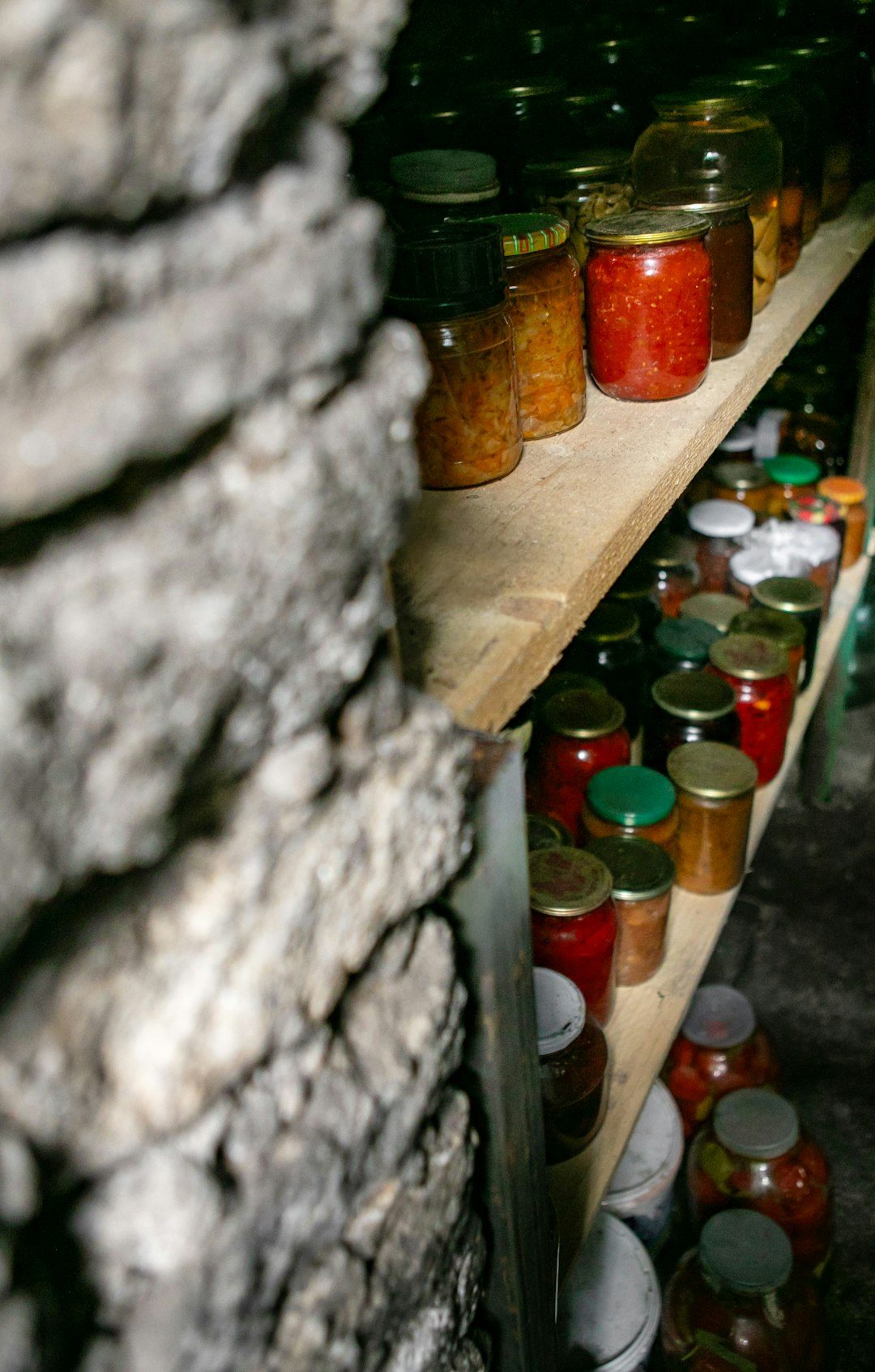
Surviving northern winters, desert droughts, and unpredictable growing seasons demanded more than good luck; it required a sophisticated strategy for managing scarcity. Many Native communities developed advanced methods for drying, smoking, fermenting, and storing food so that harvest surpluses could carry people through lean months. Dried corn, pemmican, smoked fish, and dehydrated berries were not just clever recipes; they were engineered food technologies with precisely balanced fat, protein, and carbohydrates. Some storage pits were carefully lined and ventilated to keep out moisture and rodents, revealing a hands‑on understanding of microbiology and insulation.
At the same time, Indigenous botanists – although they would never have used that label – built encyclopedias of plant knowledge entirely in their heads and oral traditions. They identified thousands of species useful for food, medicine, dyes, and fibers, and they experimented with planting times, pruning methods, and seed selection. Much of what we now call traditional ecological knowledge includes rules about when to harvest, how much to leave, and how to maintain plant populations over generations. Modern pharmacology and nutrition science continue to confirm the value of many of these practices, from antioxidant‑rich berries to anti‑inflammatory roots. In a world jittery about supply‑chain shocks, these old systems of food security carry an unexpectedly contemporary relevance.
Engineering with Fire: Controlled Burns and Landscape Design
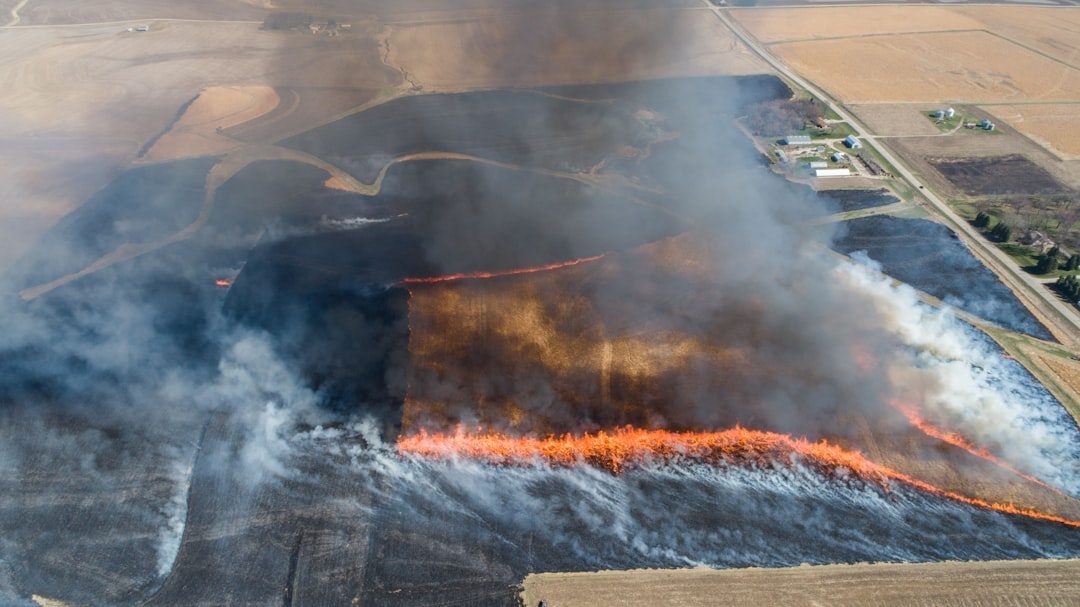
For many non‑Native observers, fire in a forest still feels like a disaster. But for numerous Indigenous nations across North America, fire was – and in many places still is – a carefully wielded tool. Through controlled burns, Native land stewards encouraged certain plants to flourish, reduced the build‑up of dry fuel, and created mosaics of habitat that supported game animals. Oak savannas, berry patches, and open hunting grounds were all, in part, the product of intentional fire regimes tuned to local conditions.
Modern fire scientists now recognize that suppressing all fire, as government policies often did in the twentieth century, allowed dangerous amounts of fuel to accumulate, setting the stage for the kinds of mega‑fires we see today. By contrast, frequent low‑intensity burns can calm a landscape, reducing the risk of catastrophic blazes while boosting biodiversity. Several land‑management agencies in the United States and Canada are beginning to partner with Indigenous fire practitioners to reintroduce cultural burning practices. What looks like a “new” strategy in climate‑adapted forestry is, in reality, a return to Native techniques that treated fire not as an enemy, but as a deeply studied collaborator.
Communication, Governance, and Knowledge Systems: Beyond the Written Page
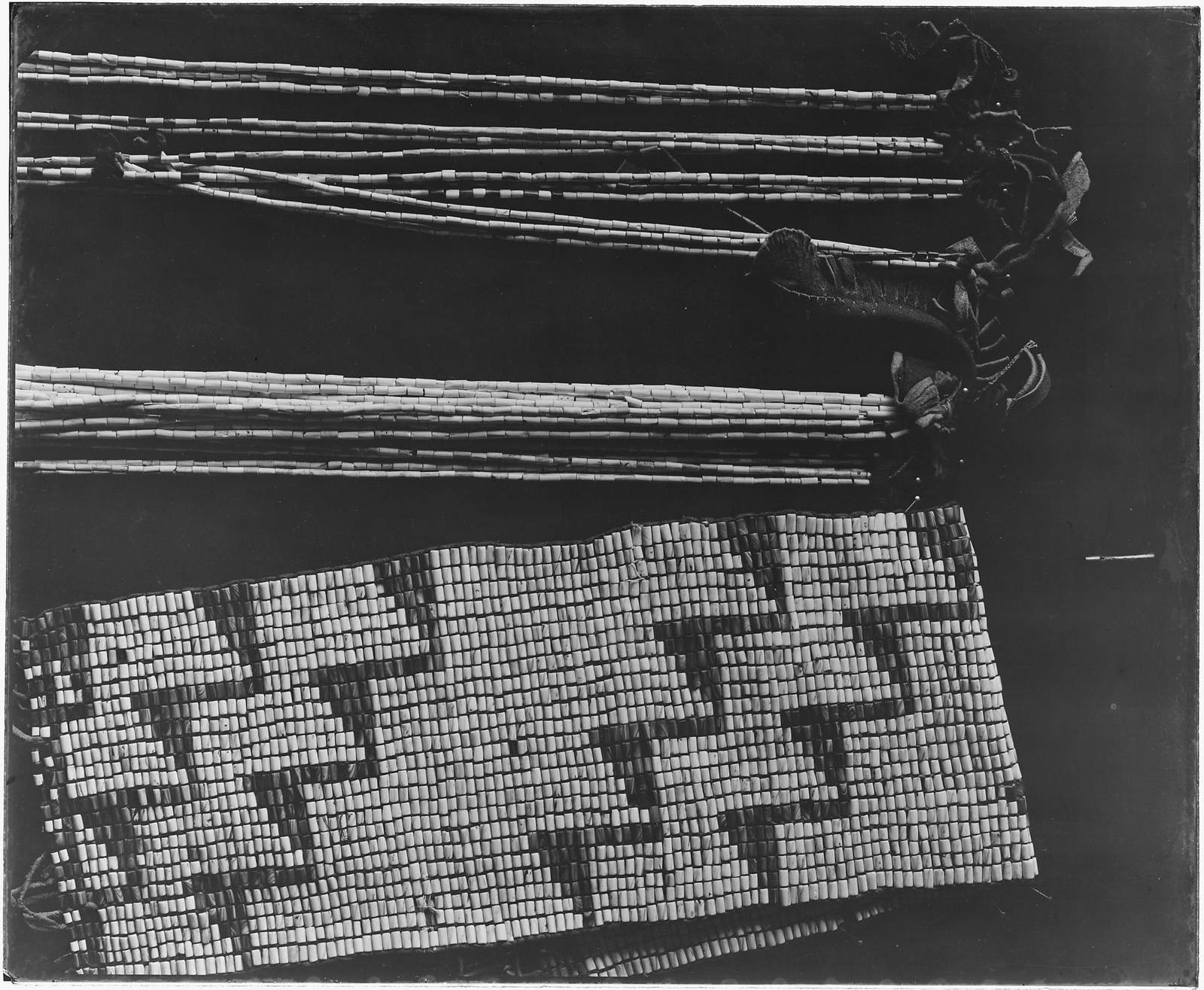
An old myth insists that societies without alphabetic writing must lack complex histories or laws, but Native nations across the Americas explode that assumption. Many developed robust systems of governance, diplomacy, and record‑keeping that used wampum belts, knotted cords, story carvings, and precise oral recitations rather than ink on paper. These systems could encode treaties, genealogies, and shared responsibilities, and they were often maintained by designated knowledge‑keepers trained from childhood. Far from being fragile, these structures proved resilient across centuries, even in the face of forced relocation and cultural suppression.
At the diplomatic level, some confederacies, such as the Haudenosaunee in the Northeast, crafted constitutional frameworks that balanced local autonomy with collective decision‑making. Historians have long debated the extent to which such models influenced later European‑American political thought, but there is little doubt they offered a different, and often more consensus‑driven, vision of power. Indigenous storytelling traditions, which weave science, ethics, and history into narrative, also functioned as educational systems, passing on information about weather patterns, animal behavior, and ecological limits. When scientists today talk about integrating multiple ways of knowing, they are, in part, acknowledging that these knowledge infrastructures are sophisticated in their own right, not just charming folklore.
Why It Matters: Rethinking Innovation and Who Gets Credit
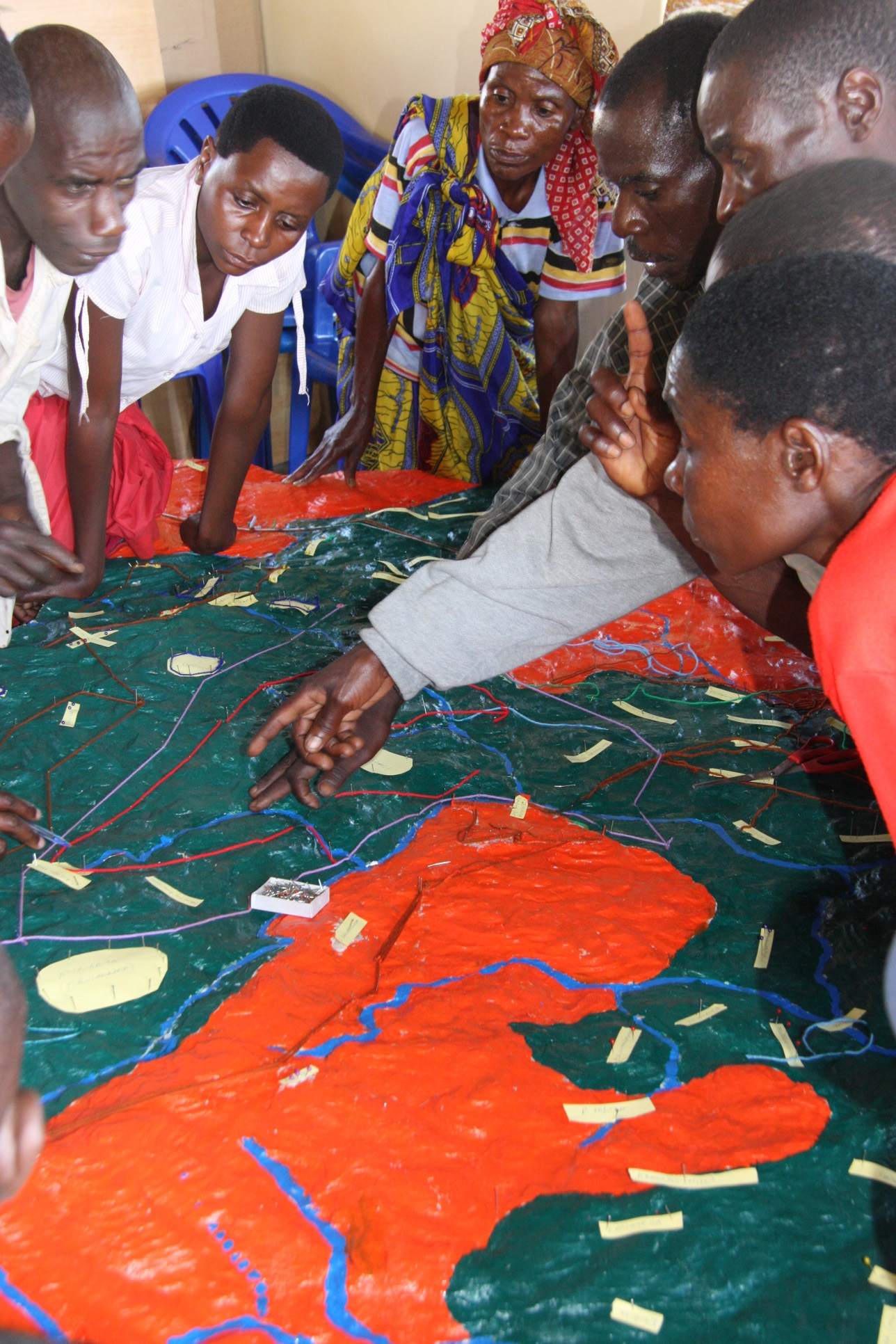
All of this raises a sharp question: why did it take so long for mainstream science and history to acknowledge Native American innovations as innovations? For generations, colonial narratives framed Indigenous peoples as relics of a “Stone Age,” overlooking evidence of large‑scale agriculture, astronomy, dentistry, surgical practices, and more. That distortion had real consequences, justifying land grabs and exclusion by implying that Native societies did not “properly” use or improve their environments. Recognizing the depth of Indigenous innovation helps correct that record and restores agency to communities too often portrayed as passive victims of history.
There is also a practical dimension: many of the challenges facing us now – climate instability, soil degradation, biodiversity loss – are areas where Indigenous systems have long experience. When we credit Native contributions and listen to Indigenous researchers and knowledge‑keepers, we are not merely being polite; we are expanding the toolbox of solutions available to everyone. This is not about romanticizing the past or pretending that all traditional practices are automatically sustainable or perfect. It is about taking seriously the idea that scientific insight can emerge from cornfields as well as laboratories, from oral stories as well as peer‑reviewed papers. In doing so, we widen our definition of what it means to be an innovator.
The Future Landscape: Indigenous Science in a Warming, Crowded World
As climate models grow more alarming and global populations climb, the search for resilient ways to live on this planet is speeding up. In fields from wildfire management to coastal restoration, Indigenous scientists and community leaders are increasingly at the table, combining ancestral knowledge with satellite data, genetics, and modern engineering. Agrobiodiversity projects are preserving Native seed varieties that might tolerate droughts and heat waves better than conventional crops. Rivers and wetlands are being restored using strategies that echo pre‑colonial land‑use patterns, such as seasonal flooding of floodplains to rebuild soils and nurseries for fish.
The main challenge is not a lack of ideas, but a web of political, legal, and economic barriers that can sideline Indigenous leadership. Issues like land tenure, resource rights, and intellectual property still shape who gets to decide how innovations are used and who benefits from them. Yet there are promising collaborations where tribes partner with universities, government agencies, and environmental groups on equal footing, co‑designing research and monitoring outcomes together. In those spaces, the line between “ancient” and “modern” blurs, and innovation looks less like a straight ladder and more like a braided river. If that model spreads, it could reshape not just environmental policy, but our entire sense of what counts as science.
How Readers Can Engage: Listening, Learning, and Supporting Indigenous Innovation
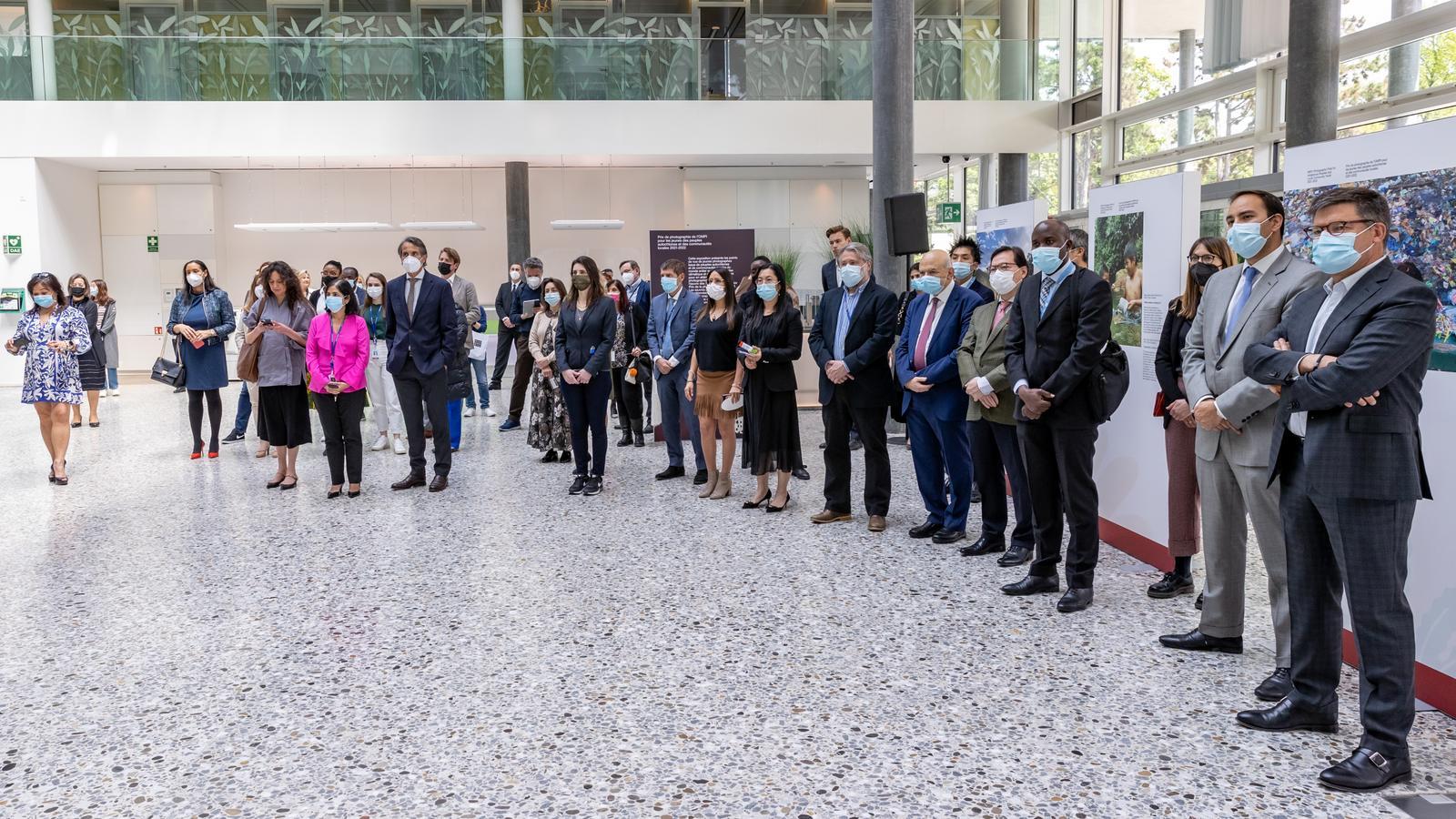
It is easy to treat this history as something safely sealed behind museum glass, but these innovations belong to living cultures, not just artifacts. One simple first step is to learn whose land you are on and seek out Native‑led organizations, museums, or cultural centers in your region. Many offer public talks, seed‑sharing programs, language classes, or volunteer opportunities that connect history to present‑day projects. Supporting Indigenous journalism, research initiatives, and conservation efforts – financially if you can, or by amplifying their work – helps shift attention and resources toward Native voices.
You can also rethink everyday habits through this lens: where your food comes from, how your community manages fire and water, and whose knowledge gets cited when solutions are discussed. Encourage schools and local institutions to include Indigenous science and history in curricula, not as side notes, but as central chapters. When you see debates about land, climate, or resource use, look for whether tribes are at the decision‑making table or merely mentioned in passing. The story of ancient Native American innovations is still unfolding, and you have a role – however small – in whether it is told accurately and respectfully. In the end, the question is not just what they invented long ago, but what we choose to learn from it now.
Suhail Ahmed is a passionate digital professional and nature enthusiast with over 8 years of experience in content strategy, SEO, web development, and digital operations. Alongside his freelance journey, Suhail actively contributes to nature and wildlife platforms like Discover Wildlife, where he channels his curiosity for the planet into engaging, educational storytelling.
With a strong background in managing digital ecosystems — from ecommerce stores and WordPress websites to social media and automation — Suhail merges technical precision with creative insight. His content reflects a rare balance: SEO-friendly yet deeply human, data-informed yet emotionally resonant.
Driven by a love for discovery and storytelling, Suhail believes in using digital platforms to amplify causes that matter — especially those protecting Earth’s biodiversity and inspiring sustainable living. Whether he’s managing online projects or crafting wildlife content, his goal remains the same: to inform, inspire, and leave a positive digital footprint.