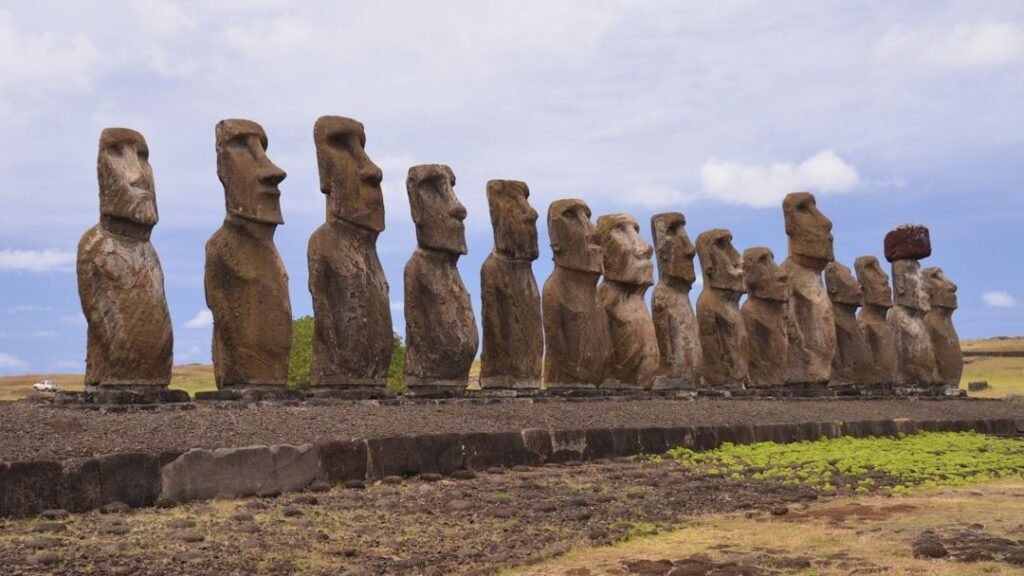

Across the world, colossal stones stand where they seemingly shouldn’t be, arranged in patterns we still struggle to decode. These megaliths were raised long before steel tools, cranes, or computer models existed, and yet they survived wars, weather, and whole civilizations disappearing. We can measure them, date them, map them – and still, huge questions remain about who built them, how they did it, and why they went to such extremes.
What fascinates me most is that these monuments feel both alien and deeply human at the same time. They’re proof that our ancestors weren’t “primitive” in the way we sometimes imagine; they were creative problem-solvers who tackled impossible engineering challenges with stone and muscle alone. As you read through these ten sites, you might feel your sense of history stretching a bit. I know mine did the first time I realized how often the honest answer from scientists is still: we don’t fully know.
1. Stonehenge, England – The Icon That Refuses To Explain Itself
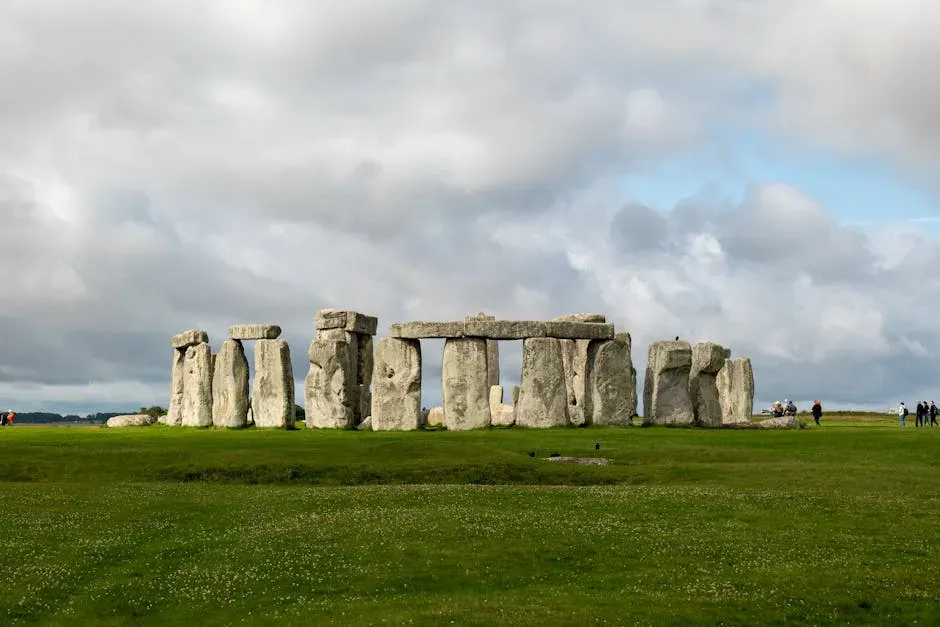
Even if you’ve never been to England, Stonehenge lives rent free in modern culture, from documentaries to album covers. The monument was built in several stages between about five to four thousand years ago, with massive sarsen stones, some weighing as much as a loaded truck, hauled from over twenty kilometers away. The smaller bluestones seem to have traveled from western Wales, more than two hundred kilometers distant, which is like dragging boulders the length of a small country without wheels or engines.
Archaeologists generally agree Stonehenge had some kind of ceremonial or ritual function, and its alignment with the solstices is very precise. But that only raises more questions: was it about tracking the seasons, honoring ancestors, healing rituals, or something we don’t even have a modern equivalent for? The engineering challenge alone is wild – uprighting stones and balancing lintels with joints carved into solid rock. For all the ground-penetrating radar, excavations, and computer simulations, there’s still no single explanation that convinces everyone, and that lingering mystery is exactly why people keep circling back to it.
2. Göbekli Tepe, Turkey – Rewriting The Story Of Civilization
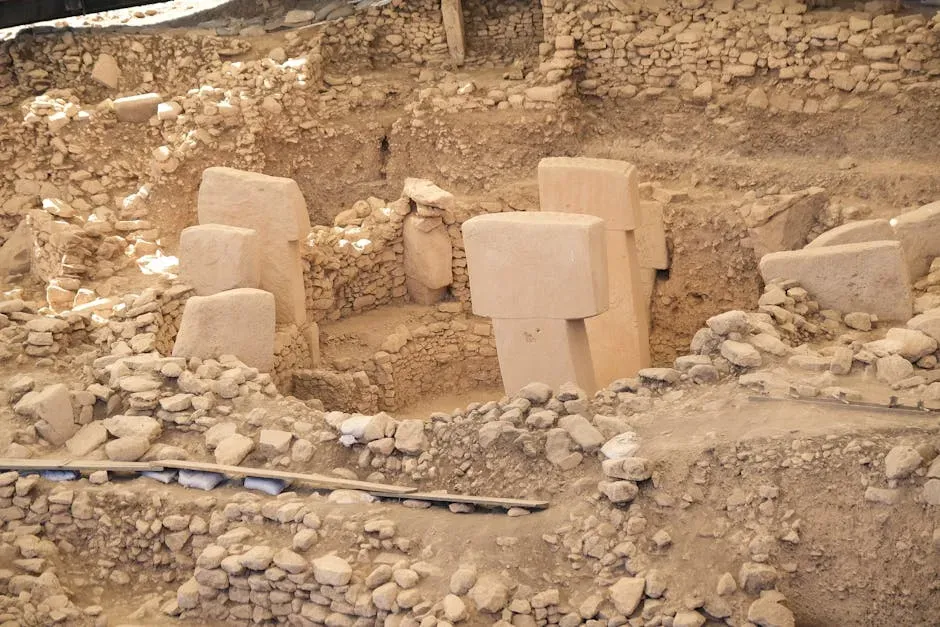
Göbekli Tepe was a shock to archaeologists when its true age became clear. Hidden under an artificial mound in southeastern Turkey, this complex of carved T-shaped pillars seems to be more than eleven thousand years old, older than pottery and settled farming in many regions. The huge decorated stones – some nearly six meters high – were set in circular enclosures that look suspiciously like purpose-built ritual spaces.
The real twist is that this site suggests large-scale organized construction by hunter-gatherers, long before sprawling agricultural cities took off. It flips the old idea that people first farmed, then formed towns, then built temples; here, it looks like people may have gathered to build sacred spaces first, and only later did agriculture spread more widely. Carvings of animals and abstract symbols add another layer of enigma, like a language we can see but no longer read. The more Göbekli Tepe is studied, the more it forces scientists to admit that the path to civilization wasn’t a neat, straight line.
3. The Great Pyramid of Giza, Egypt – Precision At A Monumental Scale
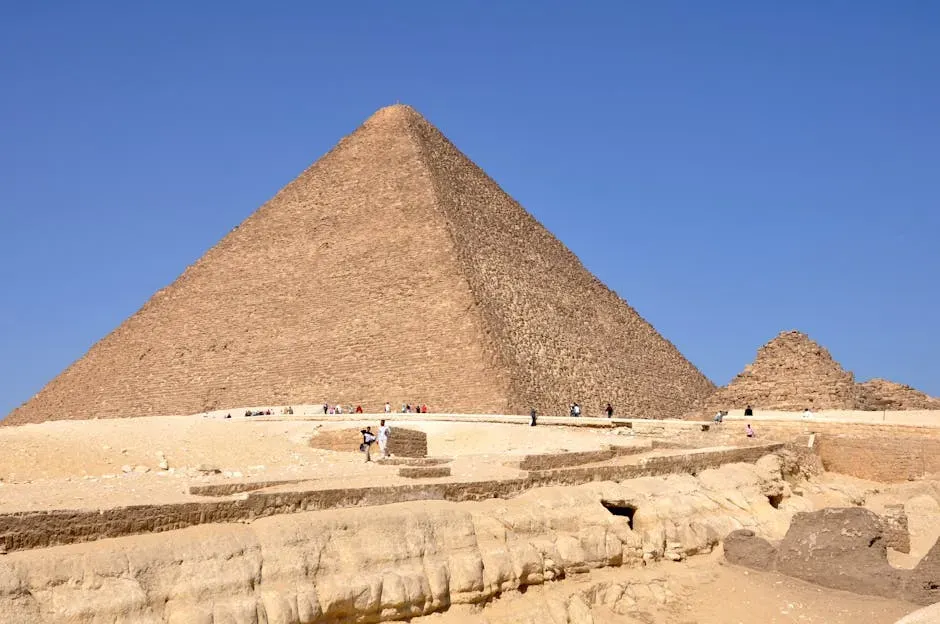
The Great Pyramid is so famous that it’s easy to forget how improbable it really is. Built around four and a half thousand years ago for the pharaoh Khufu, it originally rose to nearly one hundred fifty meters, with roughly two million stone blocks stacked in a structure that has barely shifted over millennia. Many of the casing stones were cut and fitted so tightly that the gaps are thinner than a credit card, something that still impresses modern engineers.
We know more about this pyramid than we used to, including recent discoveries of nearby workers’ settlements and ancient papyri that describe transporting stones along canals. Yet puzzles remain around the finer details: how exactly did they organize the workforce, manage the logistics, and lift heavy blocks with such accuracy without iron tools? The internal layout – with hidden chambers, relieving spaces, and mysterious voids detected by muon scanning – adds an almost maze-like mystery. It’s not that scientists think aliens built it; it’s that human ingenuity at that time seems to have pushed closer to the edge of what was technically possible than we once believed.
4. Carnac Stones, France – Miles Of Standing Stones With No Clear Script
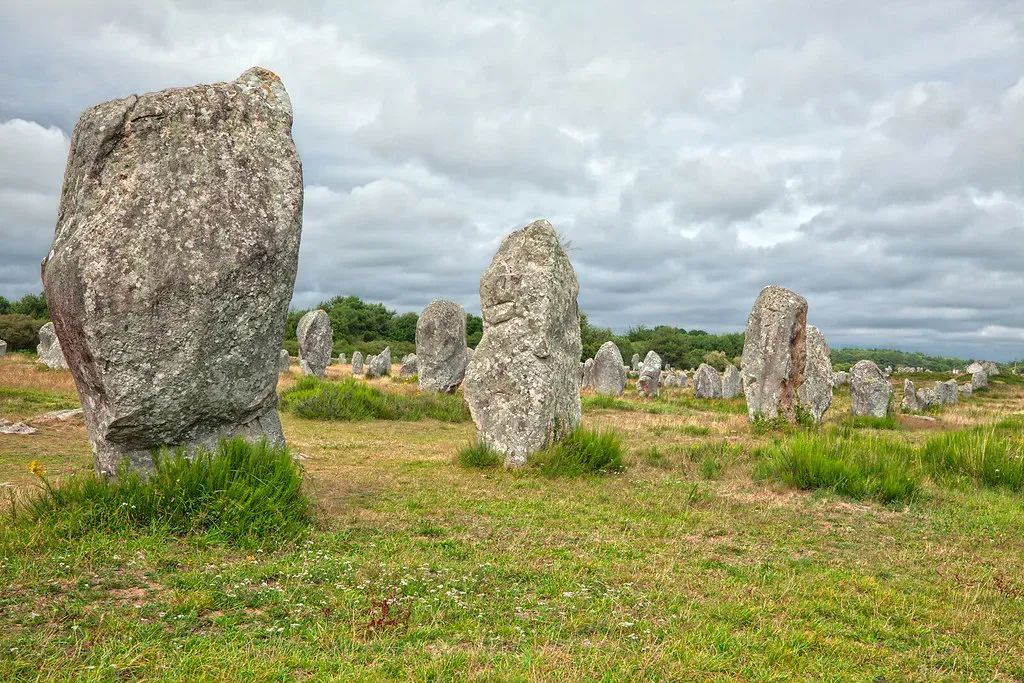
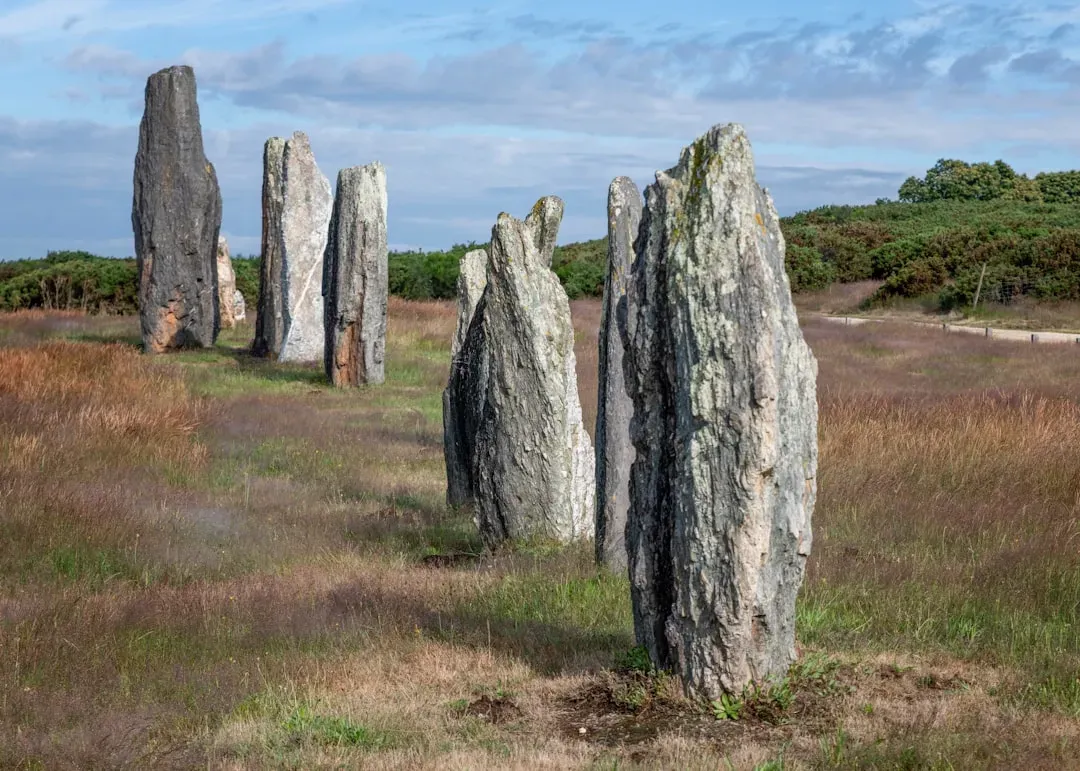
On the coast of Brittany in northwestern France, thousands of megaliths stretch across the landscape in seemingly endless lines. The Carnac Stones include long alignments, individual standing stones, burial mounds, and stone circles, many dating back over six thousand years. Some rows extend for more than a kilometer, with stones gradually increasing or decreasing in size like a slow-motion wave of rock.
What no one can quite agree on is what these alignments meant to the people who raised them. Some researchers see astronomical connections; others suggest processional routes, territory markers, or focal points for seasonal gatherings. The sheer labor involved – dragging, shaping, and planting so many stones – speaks to a culture for whom these structures were not optional decorations but core to their world. Yet without written records, scientists are left piecing together patterns from soil samples, alignments, and comparisons to later traditions, a bit like trying to guess the plot of a movie from a handful of still frames.
5. Newgrange, Ireland – The Ancient Light Show
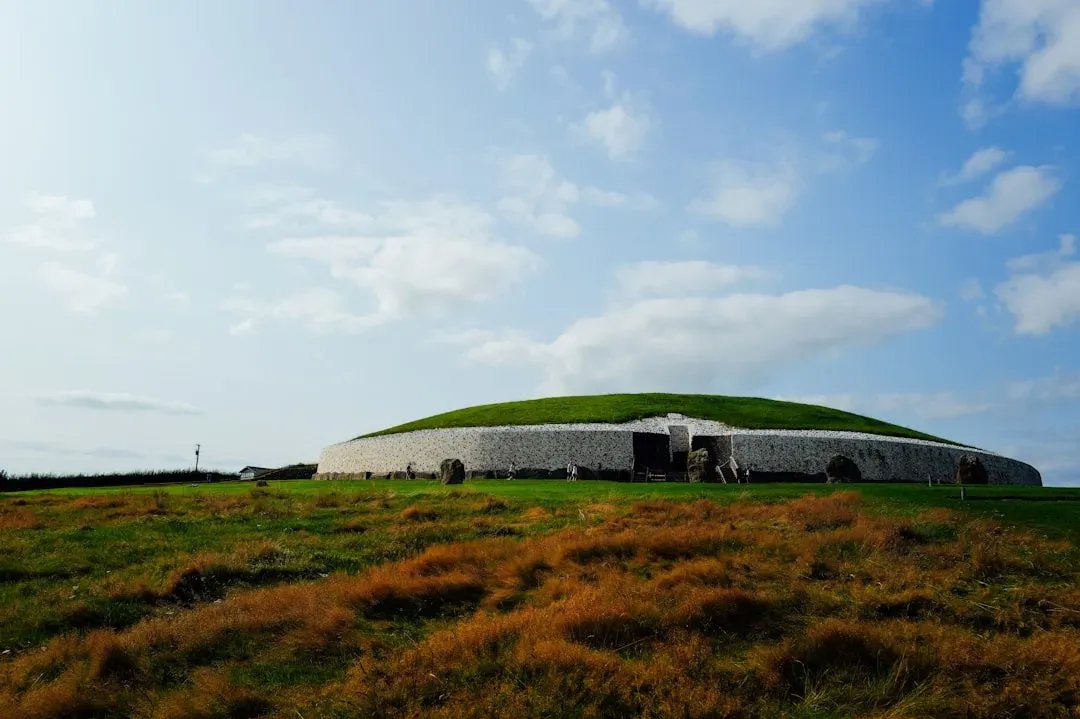
Newgrange, in Ireland’s Boyne Valley, looks from the outside like a large grassy mound with a neat stone retaining wall. Step inside, and you find a long passage leading to a central chamber, built about five thousand years ago – older than Stonehenge and the Great Pyramid. The stones are decorated with spirals and geometric carvings that still feel oddly modern.
The most astonishing feature appears only on a few mornings around the winter solstice. At sunrise, if the sky cooperates, a shaft of light shines exactly through a roofbox above the entrance and travels down the passage to illuminate the inner chamber. This event lasts only minutes, yet the structure had to be aligned with near-perfect accuracy to make it happen. Scientists broadly agree it marks a significant astronomical moment, but debate continues over whether it symbolized rebirth, a connection to ancestors, or a kind of cosmic promise that the sun – and life – would return after the darkest days. The fact that people five millennia ago could design such a controlled light show using only stone and instinct is genuinely humbling.
6. Nabta Playa, Egypt – A Desert Calendar Older Than Stonehenge
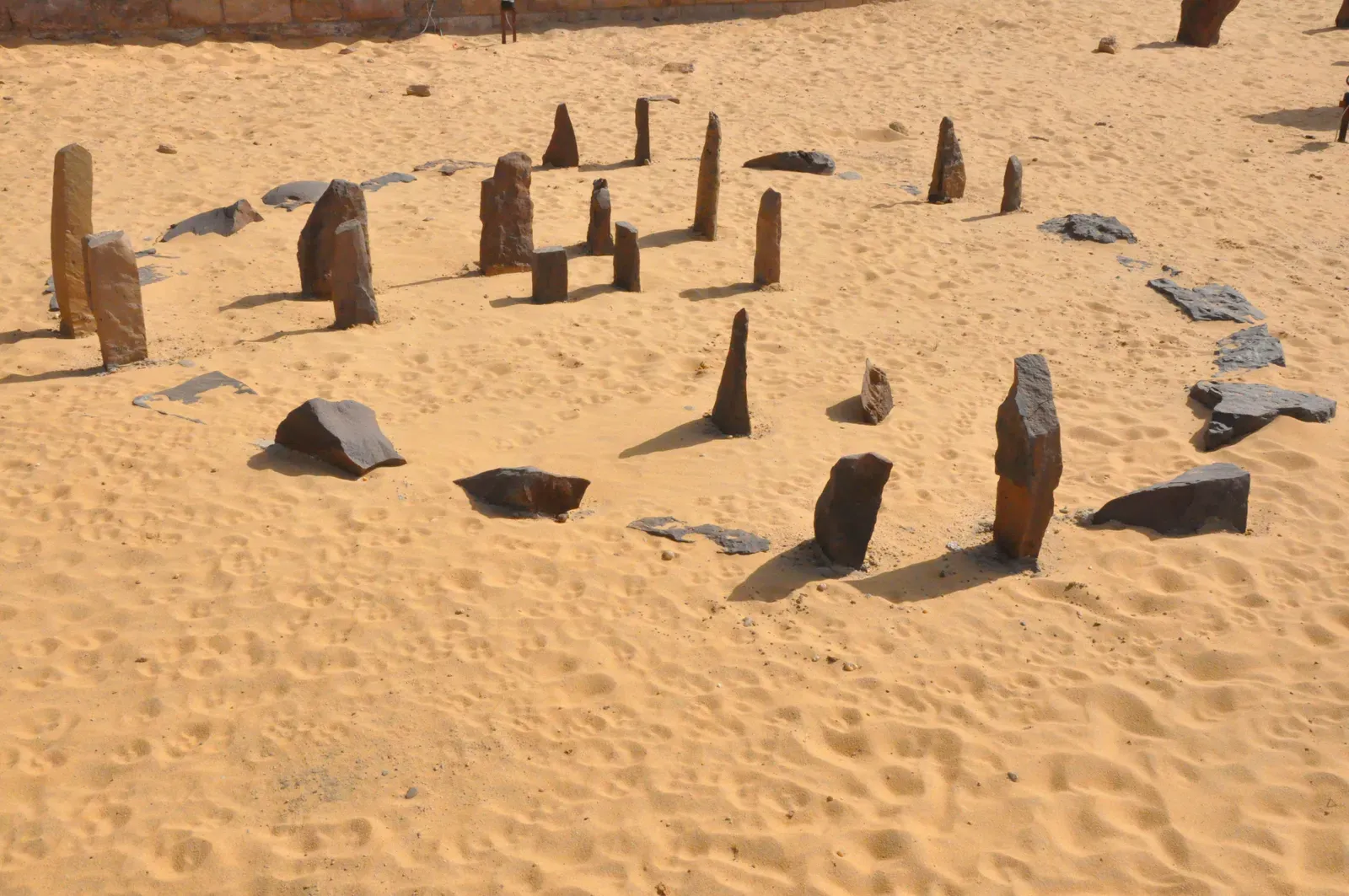
Deep in what is now the Sahara, at a site called Nabta Playa, a modest-looking circle of stones has forced archaeologists to rethink early astronomy in Africa. Dating back more than seven thousand years, the stone circle and surrounding megaliths sit in what was once a seasonal lake region, long before the desert expanded. Some of the stones seem to align with the summer solstice sunrise and certain stars, suggesting a deliberate connection to the sky.
Unlike iconic tourist sites, Nabta Playa is relatively small and remote, yet its sophistication is striking. The people who built it were likely pastoralists, moving with their herds, but still organized themselves to mark celestial events with stone. This suggests that tracking seasons and rainfall patterns may have been a matter of survival, not just curiosity. The precise purpose, though – whether purely practical, deeply spiritual, or both – remains unclear, especially since the climate of the region has changed dramatically since then, leaving only cryptic stones where a whole living landscape once existed.
7. Baalbek, Lebanon – Stones So Big They Seem Like A Dare
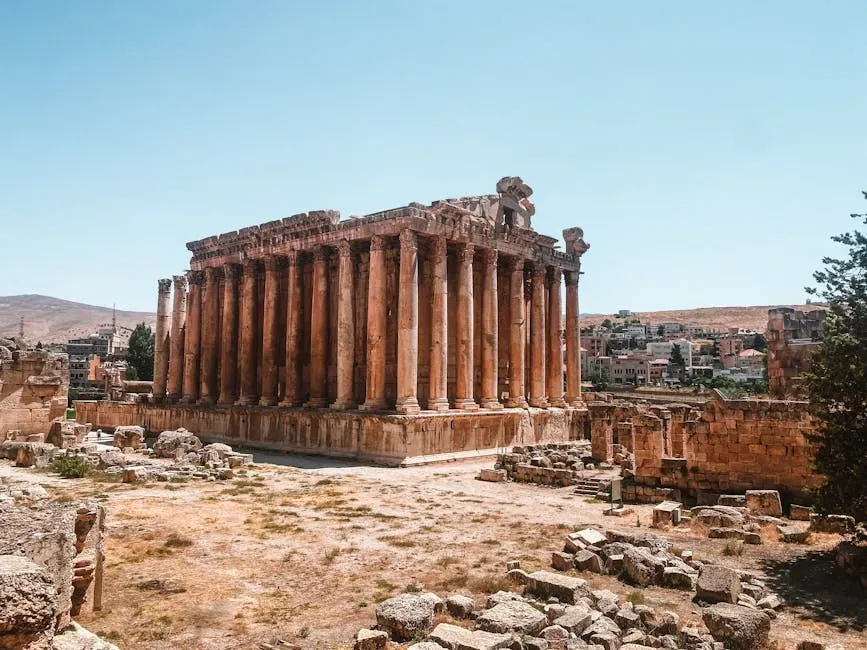
The temple complex at Baalbek, in modern-day Lebanon, is a place where scale hits you in the gut. Later Roman temples are impressive enough, but the deepest mystery lies in the older foundation stones beneath them. Some of these megaliths, known as the Trilithon, weigh hundreds of tons each, and a few partially quarried stones nearby are even bigger, ranking among the heaviest building blocks ever cut by humans.
Archaeologists can identify quarries, tool marks, and general techniques, but the question of exactly how such massive stones were transported and positioned remains hotly debated. Rolling them on logs sounds plausible until you imagine the crushing pressure; complex sled and ramp systems seem more realistic but still require staggering coordination. What puzzles scientists is not whether humans could do it at all, but why this specific site demanded such absurdly large blocks when smaller stones could have worked. The result is a place where the foundation alone sparks almost as much argument as the grand temples that once towered above it.
8. Puma Punku, Bolivia – Geometric Perfection In High Altitude Stone
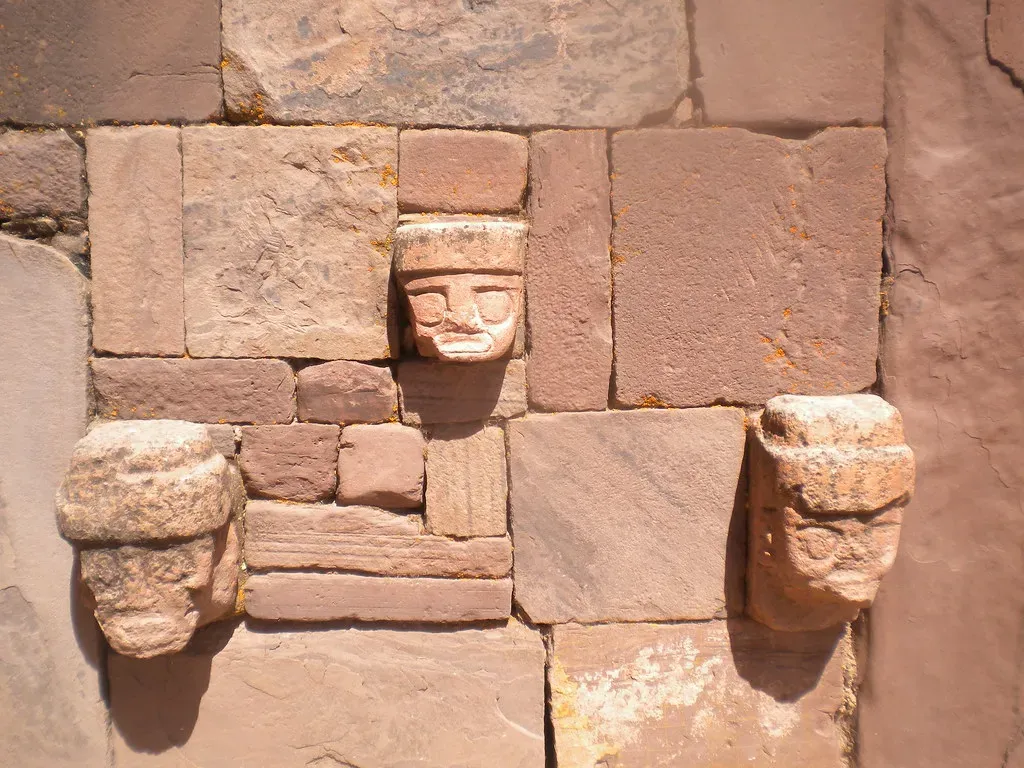
High on the Andean plateau near Lake Titicaca sits Puma Punku, part of a larger pre-Columbian complex associated with the Tiwanaku culture. At first glance, it looks like scattered ruins, but look closely at individual stones and the puzzle sharpens. Some blocks of andesite and sandstone feature right angles, grooves, and interlocking shapes that appear astonishingly precise, as if they were part of a giant three-dimensional jigsaw.
The site dates back more than a thousand years, though earlier phases may be older, and it was built long before metal tools were widespread in the region. Researchers still debate exactly how the stones were carved and joined with such accuracy, especially considering the site’s altitude and climate. There’s no credible evidence of lost high-tech machinery, but clearly there were advanced techniques and an intense understanding of stoneworking. The layout and purpose of the complex, possibly ritual or ceremonial, remain partly unclear as well, leaving Puma Punku as a kind of ancient engineer’s riddle scattered across the high plains.
9. The Moai of Easter Island, Chile – Walking Giants And Silent Questions
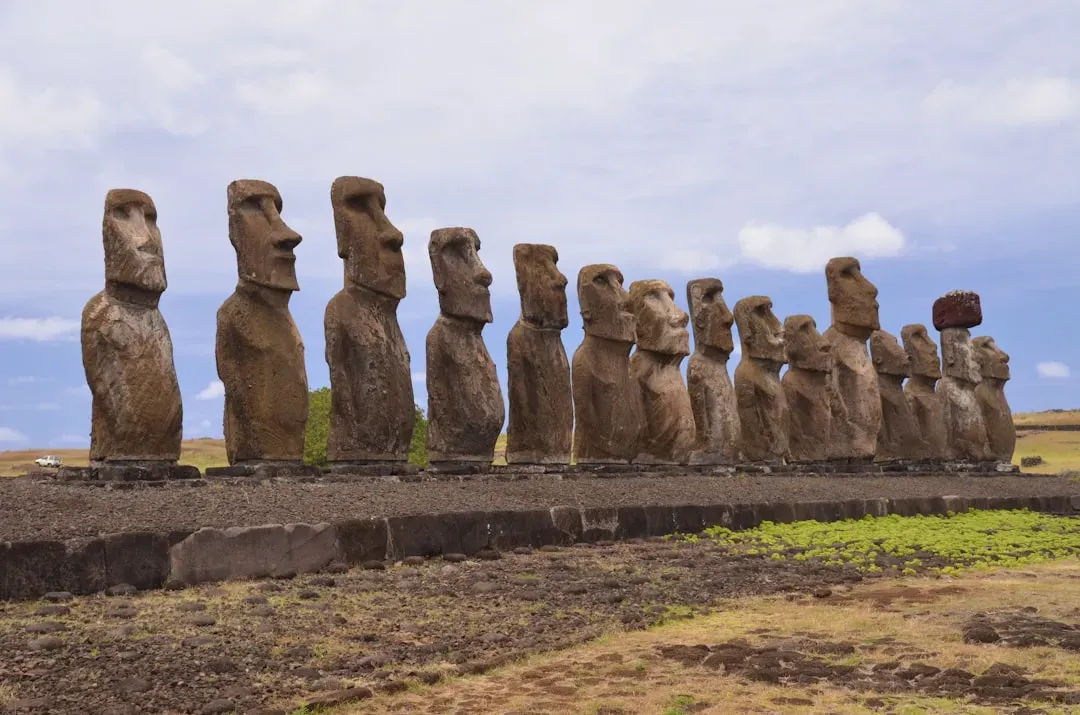
The moai statues of Rapa Nui (Easter Island) are among the most haunting faces in archaeology. Carved from volcanic tuff, many stand several meters high, some with massive stone hats, gazing inland rather than out to sea. They were created by the island’s Polynesian inhabitants between roughly eight hundred and seventeen hundred years ago, at a staggering cost in labor for such a small and isolated community.
Experiments over the last couple of decades suggest the statues may have been moved upright using ropes and a careful rocking motion, almost as if the moai “walked” to their platforms. That solves part of the logistical puzzle, but leaves deeper questions. Why invest so much energy in building and moving them, and what social or spiritual system held that effort together? There are also ongoing debates about how statue construction intersected with environmental change and social upheaval on the island. The moai still stand there like stubborn, silent participants in an argument about what really happened.
10. Nan Madol, Micronesia – A Megalithic City Floating On The Sea
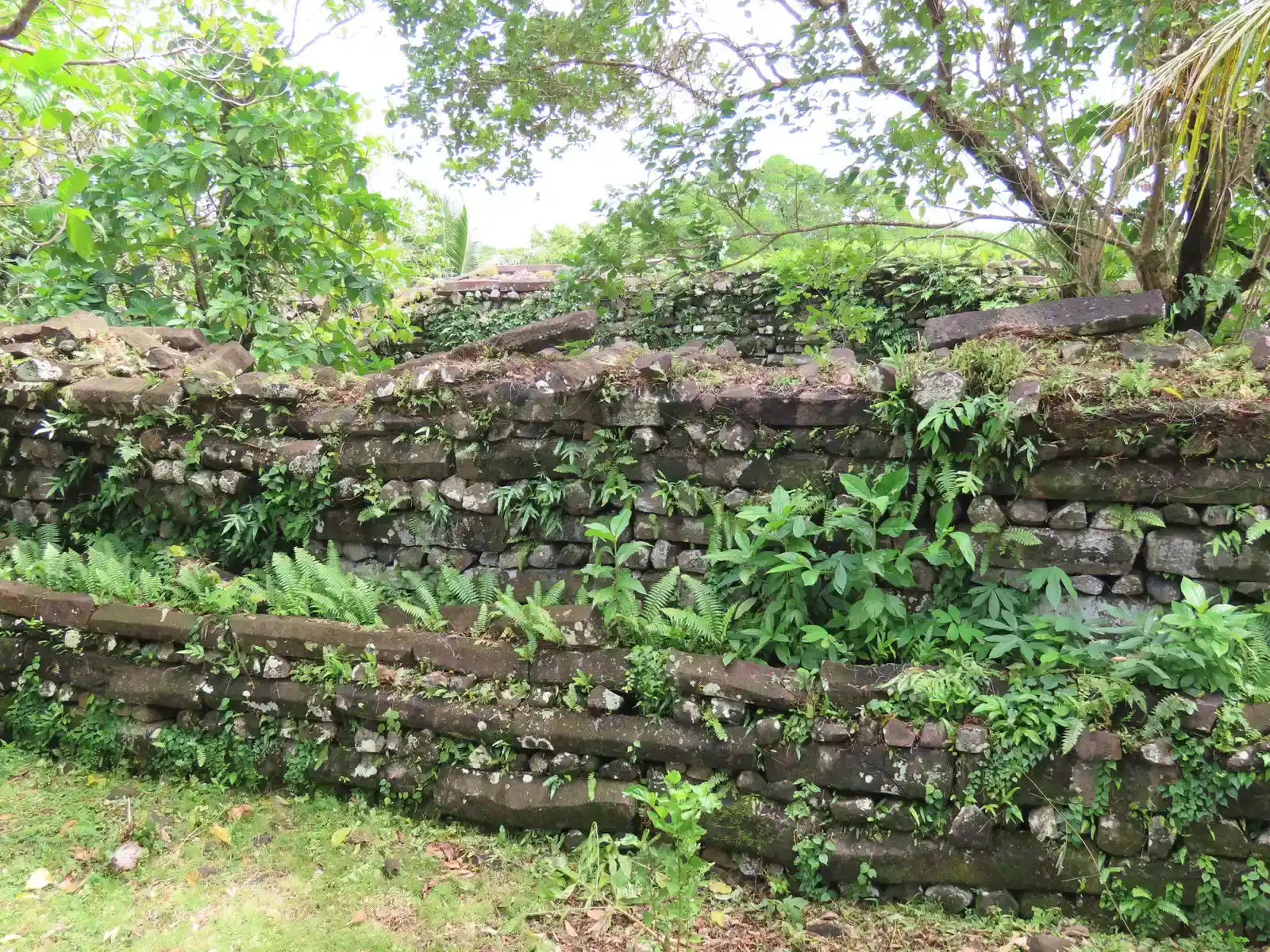
On the island of Pohnpei in Micronesia, Nan Madol looks like something out of a fantasy novel: a city built on nearly one hundred artificial islets, crisscrossed by tidal canals. The structures are made from basalt columns stacked like giant logs, some weighing several tons, all raised above the water on coral and stone foundations. Construction began more than a thousand years ago and continued for centuries, serving as a political and ceremonial center for local rulers.
The mind-bending part for scientists is how such a complex was built on a reef, with no metal and limited local resources, and why it was abandoned before European contact. Transporting and balancing heavy basalt columns over shallow, shifting water would be challenging even with modern equipment. The layout suggests careful planning, with areas set aside for rituals, housing, and burial, yet the full logic behind the city’s design isn’t fully understood. Walking through ruins like that, it’s hard not to think of a stone Venice rising out of the Pacific, built by people whose stories we can only reconstruct in fragments.
Conclusion – Stones That Refuse To Be Just Stones
These ten megalithic sites stretch across continents and thousands of years, but they share a few stubborn traits: ambition that seems outsized for the technology of the time, engineering choices that still surprise specialists, and purposes that we can only partially decode. Scientists bring tools like radiocarbon dating, remote sensing, and 3D modeling to the table, yet the most honest answers often include the phrase “we’re not completely sure.” That gap between what we can measure and what we can truly understand is exactly what keeps these places alive in our imagination.
For me, the most striking realization is that people long ago were willing to move mountains, quite literally, to shape the world around them in stone. They cared enough about the sky, the seasons, the dead, and their beliefs to leave behind puzzles we’re still trying to solve. Looking at these megaliths, it’s hard not to wonder what traces of our own age will baffle whoever comes after us. Which of these enigmas surprised you the most?