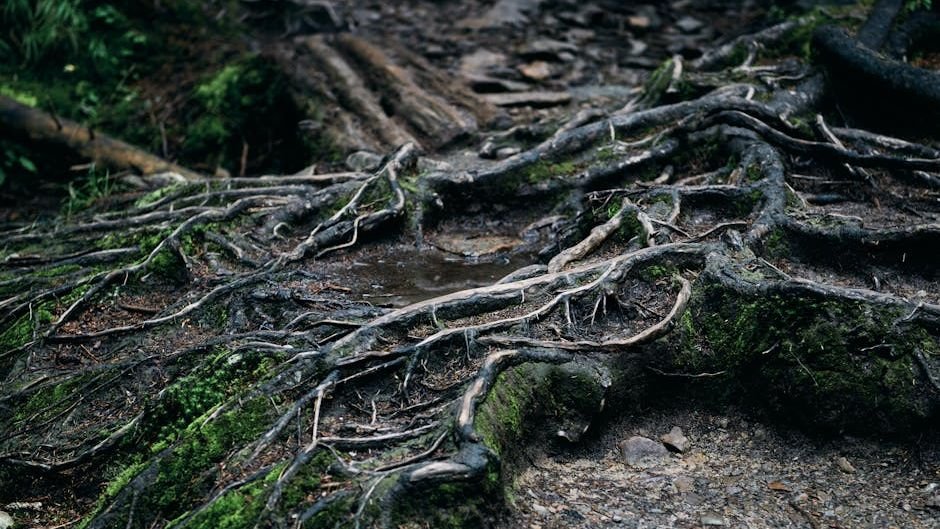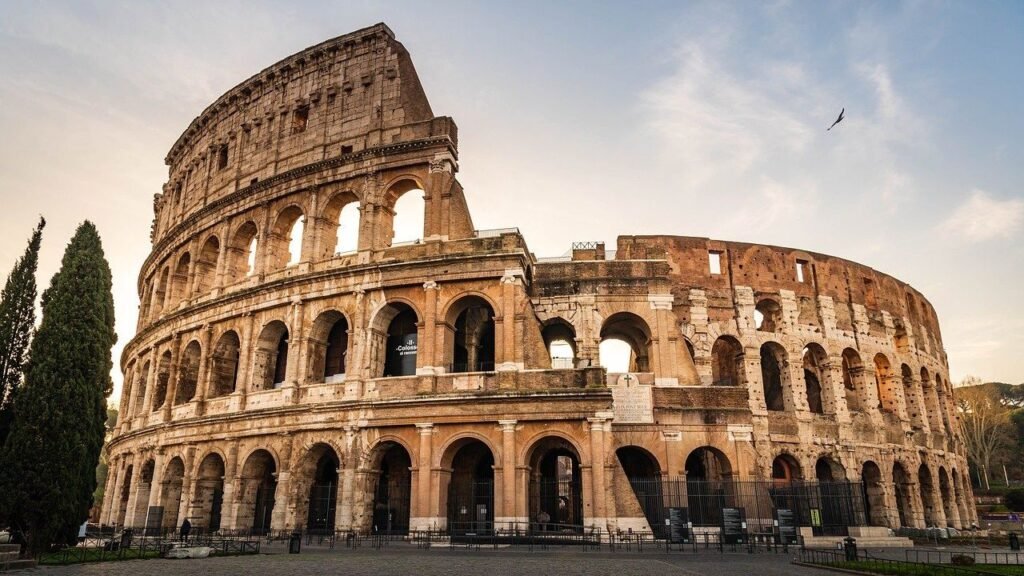

Think about buildings that have lasted more than a thousand years. Not just survived, mind you. I mean structures that still inspire wonder, still function as they were designed to, and still make modern engineers scratch their heads in admiration. Some of the greatest achievements in human history aren’t found in our modern cities but scattered across deserts, mountains, and forgotten valleys where ancient civilizations left their mark in stone, brick, and sheer determination.
These monuments weren’t built with computer software or steel cranes or any of the technology we take for granted now. They rose from the earth through human ingenuity, muscle power, and an understanding of materials and physics that sometimes seems almost supernatural. Let’s be real, when you stand in front of some of these structures, it’s hard not to feel humbled.
The Great Pyramid of Giza: The Last Wonder Standing
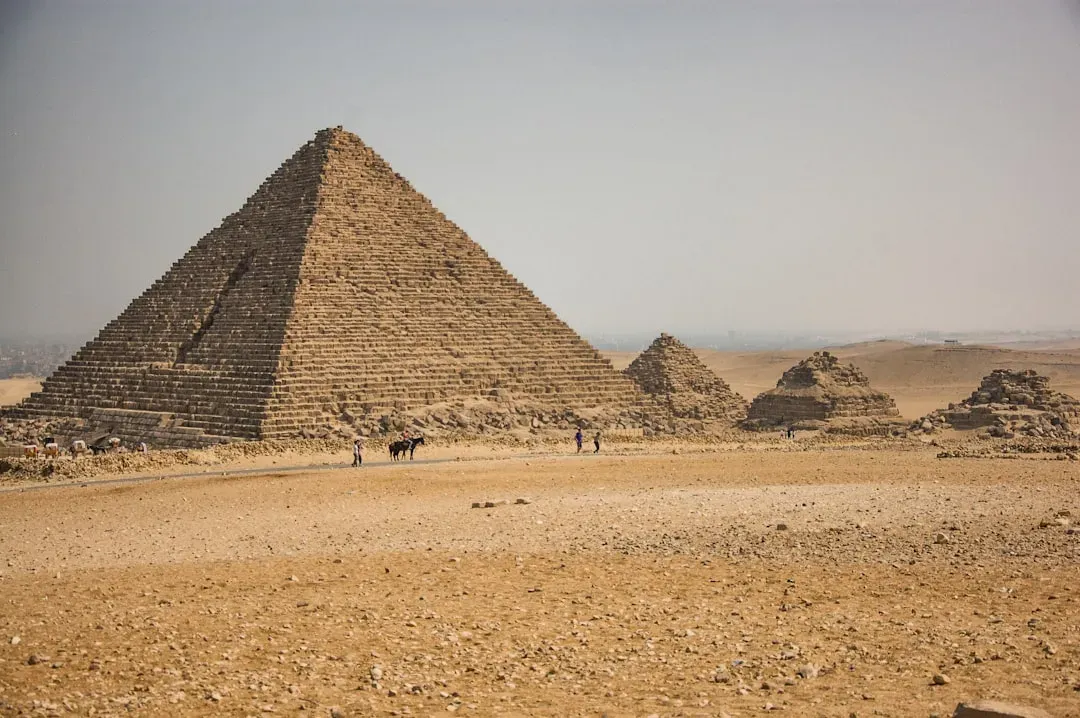
Built around 2600 BC over a period of about 26 years, the Great Pyramid of Giza served as the tomb of pharaoh Khufu and is the oldest of the Seven Wonders of the Ancient World, and the only wonder that has remained largely intact. This colossal structure once stood at 146.6 metres, making it the world’s tallest human-made structure for more than 3,800 years.
What’s truly mind-boggling is the precision involved. The Great Pyramid was built by quarrying an estimated 2.3 million large blocks, weighing 6 million tonnes in total. The limestone blocks were fitted so tightly that even today a knife blade cannot be inserted between them. Even today scientists and engineers can’t be sure exactly how the pyramids were built. The methods remain a subject of debate, though theories involve ramps, levers, and thousands of skilled workers rather than slaves, as was once commonly believed.
The Roman Colosseum: Concrete Innovation That Changed History
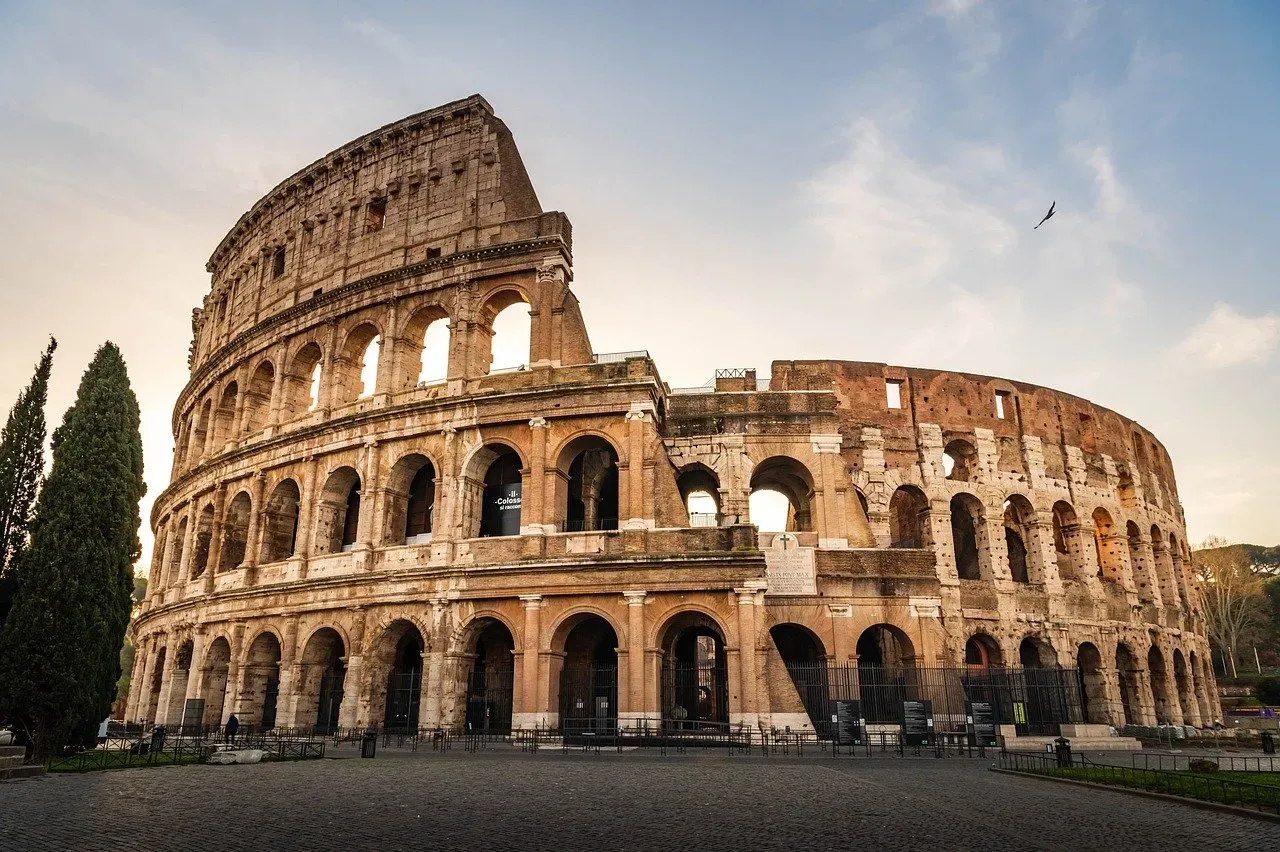
The Colosseum is the largest ancient amphitheatre ever built, with construction beginning under Emperor Vespasian in 72 and completed in AD 80 under his successor Titus. Its oval shape measured 620 feet by 513 feet, with a seating capacity of around 50,000 spectators.
Here’s the thing: the Colosseum’s greatest innovation was its use of concrete, which is really what allowed the structure to be built. Modern engineers believe the main reason that the Colosseum is still standing today is because of its solid concrete foundation. The Romans used barrel vaults and groin vaults to support the structure’s four stories. The retractable awning system, called the velarium, represented one of the most sophisticated environmental control systems in the ancient world, providing shade and protection from rain. Although substantially ruined by earthquakes and stone robbers, the Colosseum is still a renowned symbol of Imperial Rome.
The Great Wall of China: Earth, Stone, and Sticky Rice
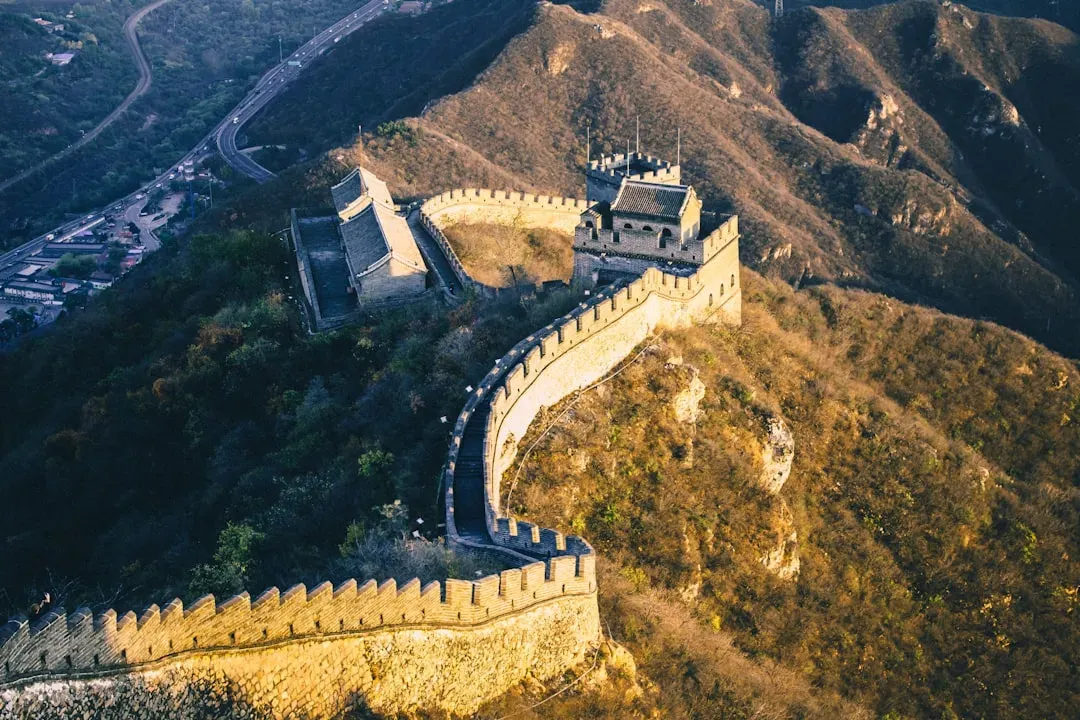
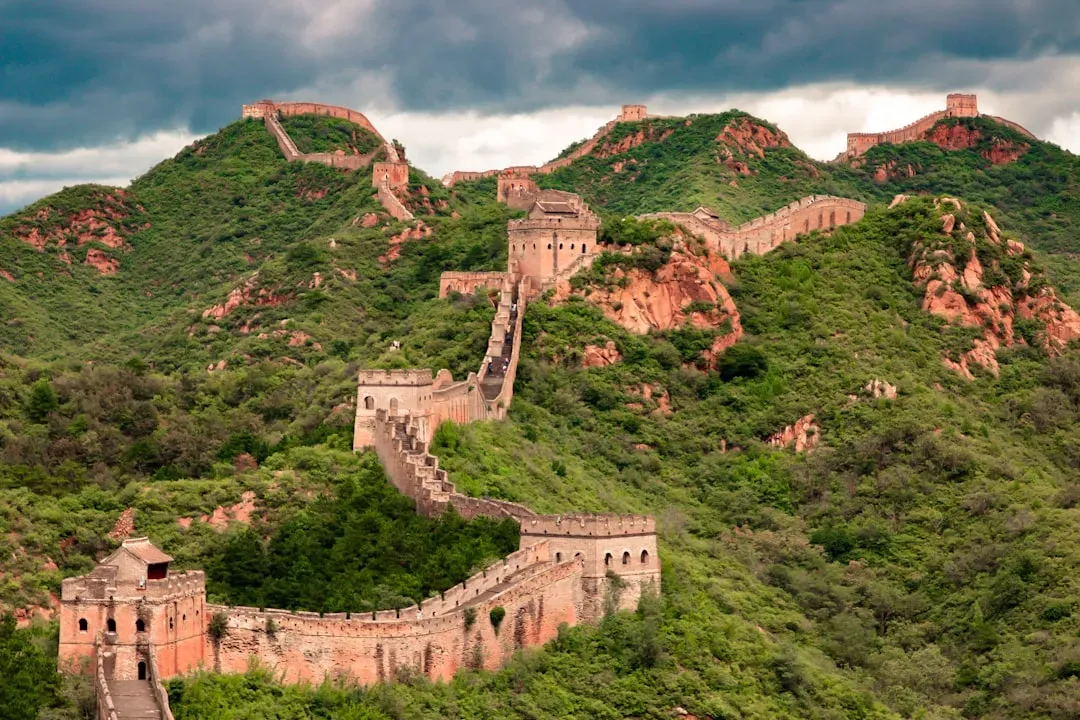
The entire wall is over 13,000 miles long and an average of 8 metres high, making it the largest ancient monument in the world. Contrary to popular myth, the majority of the wall that remains today is medieval, though parts of the wall date back 2,300 years.
The Great Wall is more than just an isolated wall; it is a complete defense engineering system composed of various defensive constructions including the main wall, watchtowers, fortresses, beacon towers, barracks, and passes. What really sets it apart is the mortar. The Great Wall’s durability can be attributed to its unique sticky rice mortar, a mixture of rice paste and limestone that created an extraordinarily strong binding agent and helped the structure survive over 2,000 years. As the Wall moved towards more mountainous terrain, bricks and stones were employed to strengthen the structure, while the Ming Dynasty undertook extensive renovation and expansion projects utilizing bricks and stone to create a more durable and formidable defense structure.
Machu Picchu: Stones That Dance in Earthquakes
Research suggests the structures were built in the middle of the 15th century, probably for the powerful Inca emperor Pachacuti, who ruled from about 1438 until 1471, and its construction seems to have been part of a rapid expansion of the Inca Empire. Perched high in the Andes Mountains, this ancient citadel showcases engineering brilliance that still puzzles experts.
Machu Picchu’s builders used a type of “dry stone” masonry to join massive blocks of stone almost perfectly, beside and on top of each other. The Inca builders used large “polygonal” stone blocks, each shaped exactly for the place in a wall where it was laid. Its interlocking walls have proven to be earthquake-resistant, and while many Spanish colonial buildings in Cusco collapsed during a massive earthquake in 1650, the Inca walls there and the walls at Machu Picchu were unharmed by the tremors. The precision is so exact that you still can’t fit a knife blade between the stones today.
The Pont du Gard: Roman Water Engineering at Its Peak
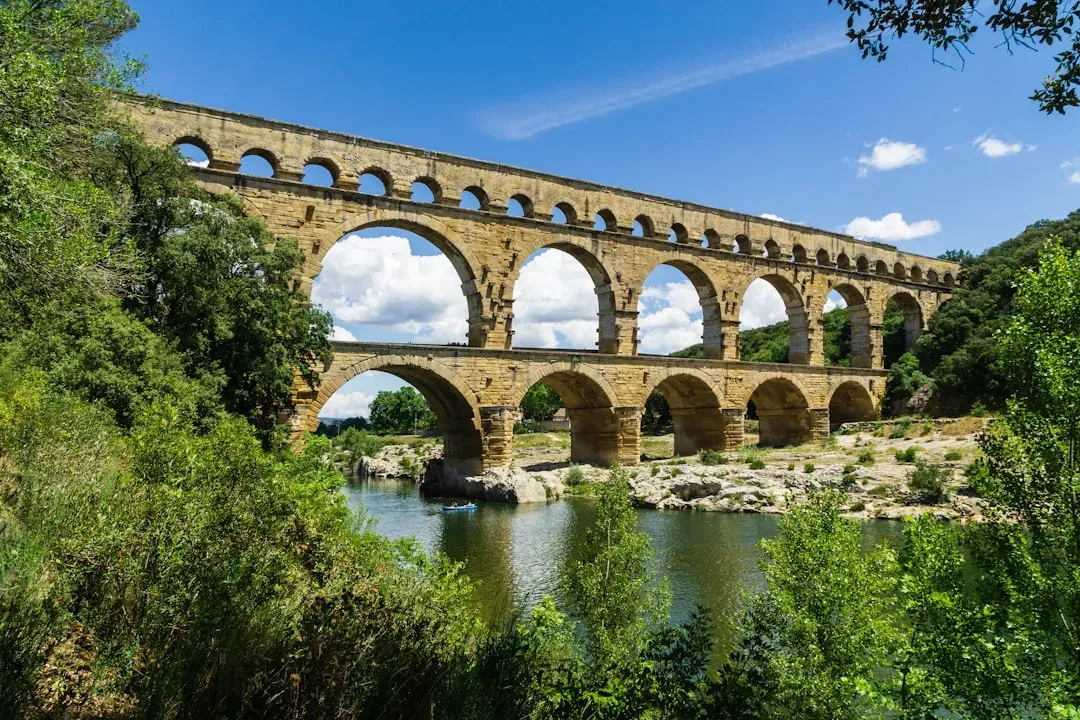
One of the most famous Roman aqueducts is the Pont du Gard in France, a towering three-tiered bridge that still stands today. This ancient aqueduct represents a stunning achievement in hydraulic engineering that modern planners still study for inspiration.
The full length of the aqueduct was a remarkable 50km, but what makes it even more astonishing is that it only descends 17m over its entire length, with the bridge that is the key feature descending by only 2.5cm, which represents a gradient of one in 18,241. This was enough for the aqueduct to carry 200,000 m3 of water a day to the Romans of Nîmes, and to remain in operation for around 500 years, even after it had ceased to be properly maintained. It included some 6 ton stone blocks, but very little mortar, with the instruments used being very basic, including a rudimentary spirit level, measuring poles and a surveying device.
Borobudur Temple: A Mountain of Stone Without Mortar
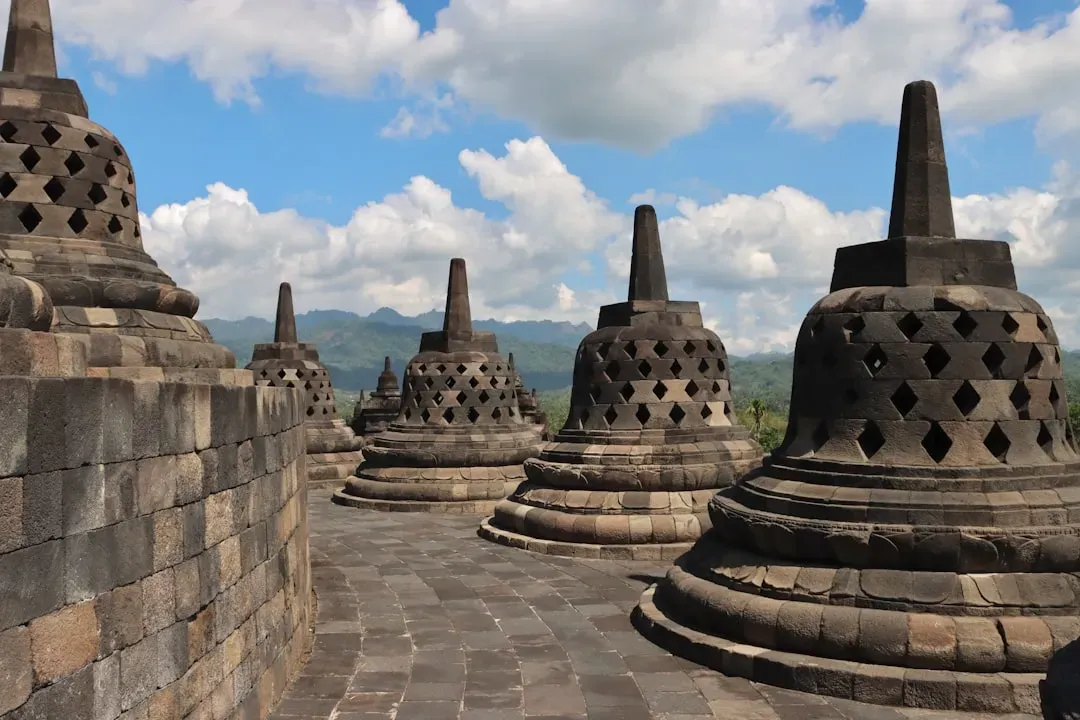
In Indonesia sits the largest Buddhist temple in the world, the Borobudur, which was built in the 9th century. This architectural wonder showcases an ingenious construction method that defies conventional building wisdom.
Borobudur doesn’t use any adhesive to keep the rocks together, even when it is high as a ten story building; instead of a binding compound, the stones are shaped in a certain pattern so that they interlock with each other when placed in a certain order. The temple sits as a monument to precision engineering and patience. It had been restored in the years 1975 to 1982 by UNESCO and the Indonesian Government. The structure represents not just religious devotion but an understanding of structural integrity that modern architects still find impressive.
Petra: The Rose City Carved from Living Rock
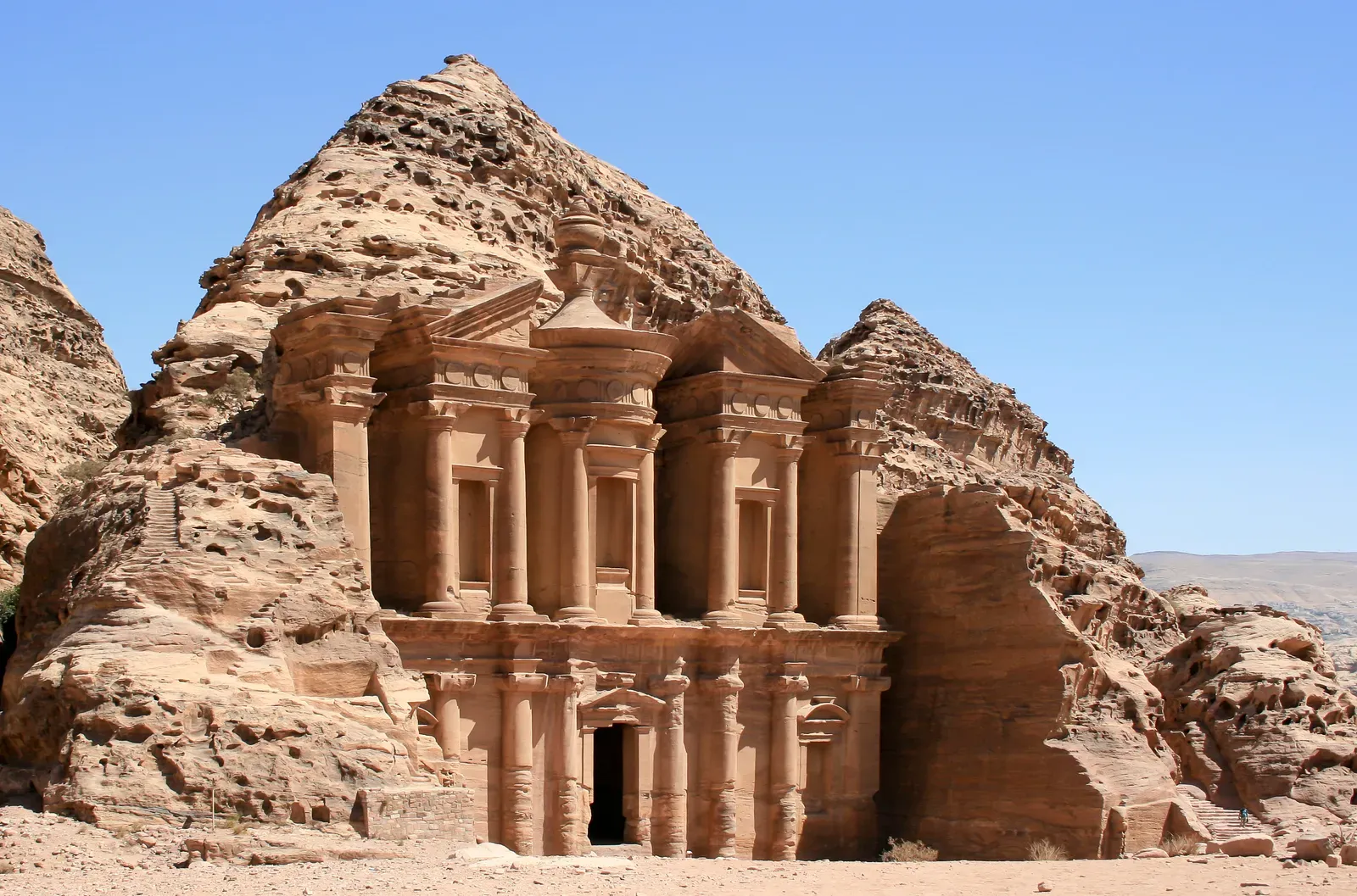
Hidden beneath the ancient city of Petra, an intricate system of channels and dams turned a desert valley into a thriving oasis, with Nabataean engineers creating ceramic pipes that automatically filtered water through special chambers and designing the system to automatically flush itself during flash floods.
Carved high into cliff faces in ancient Turkey, these elaborate tombs required sophisticated engineering to create, with builders developing a system of scaffolding and counterweights that allowed them to carve intricate facades hundreds of feet above the ground, and they even included internal drainage systems that have kept the tombs dry for over 2,000 years. Modern urban planners are still studying these designs to improve our water management systems. The ingenuity of creating an entire city infrastructure in the middle of the desert speaks volumes about the Nabataean civilization’s advanced understanding of hydrology and engineering.
Leshan Giant Buddha: Drainage Systems Hidden in Plain Sight
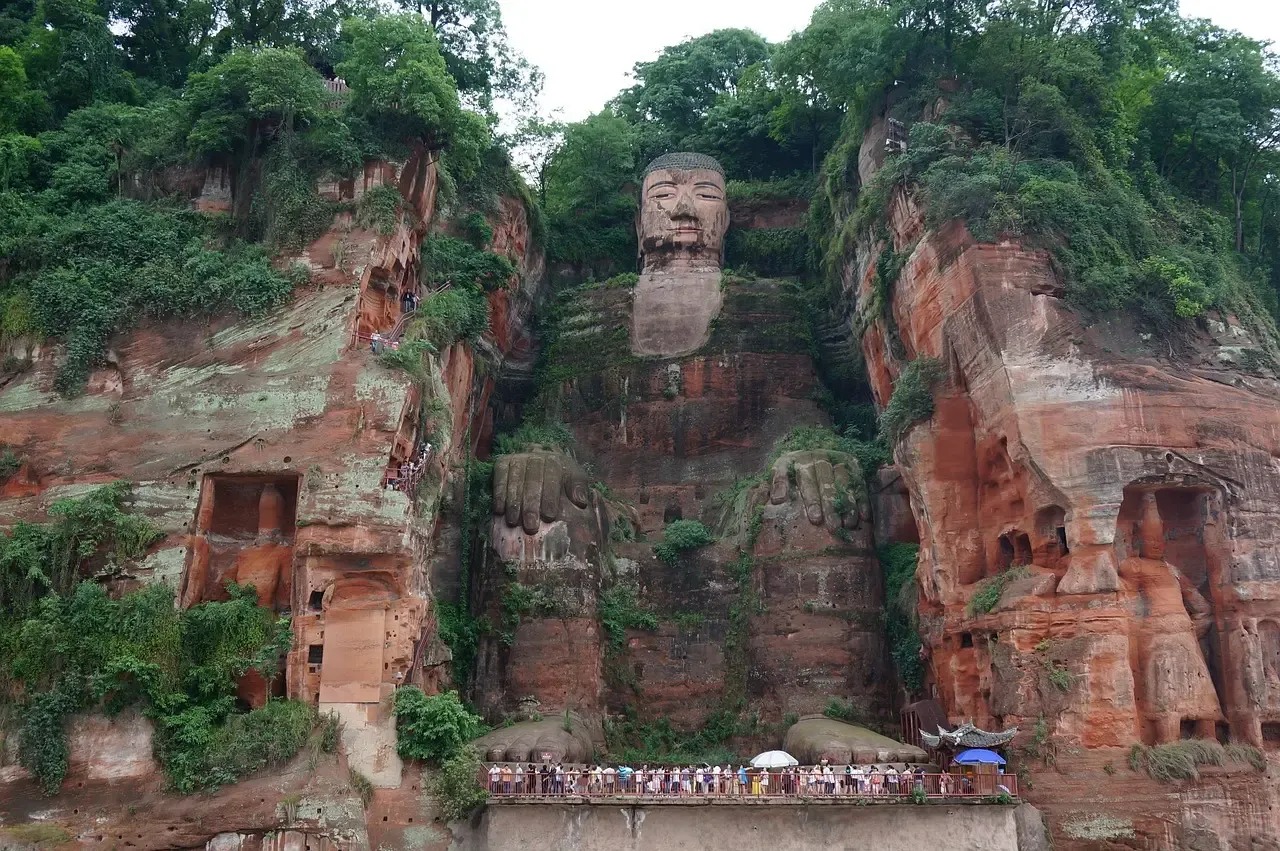
This is the world’s largest carved stone Buddha statue in the world, and it stands 232 tall in China. The statue is carved from a cliffside, with the project beginning in the year 713, taking 90 years for its completion.
The brilliance of this ancient engineering lies in the drainage system that is built with the statue, which actually helps the soil from eroding, enabling the build to stand the test of time. The statue features 1,021 intricately coiled buns that have been carefully integrated into its head that act as a hidden drainage system that allows rainwater to flow to the ground without damaging the statute, with the drainage system also running through other parts of the statue including its ears and arms. It’s not just a work of art. It’s a carefully engineered monument designed to last millennia.
Saksaywaman: Stones That Defy Explanation
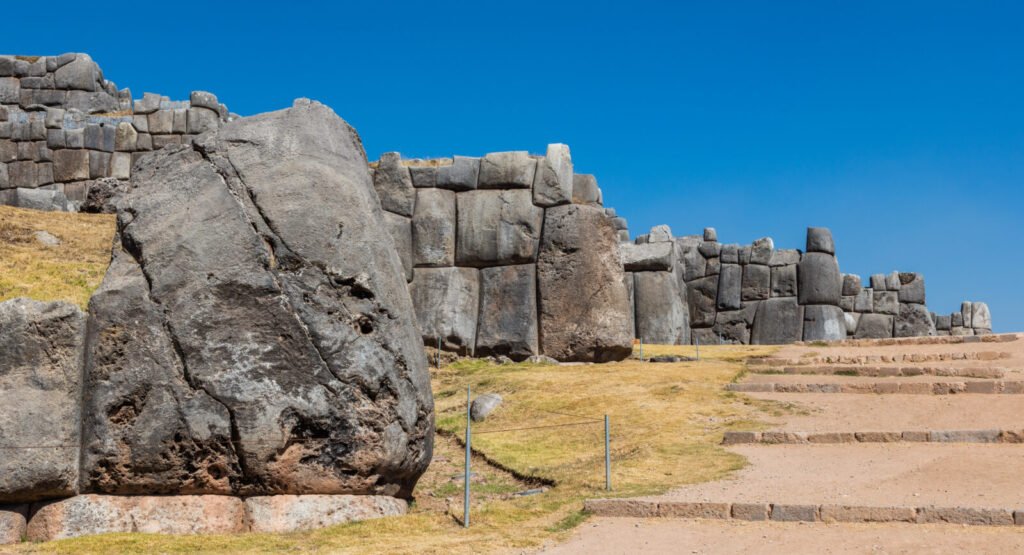
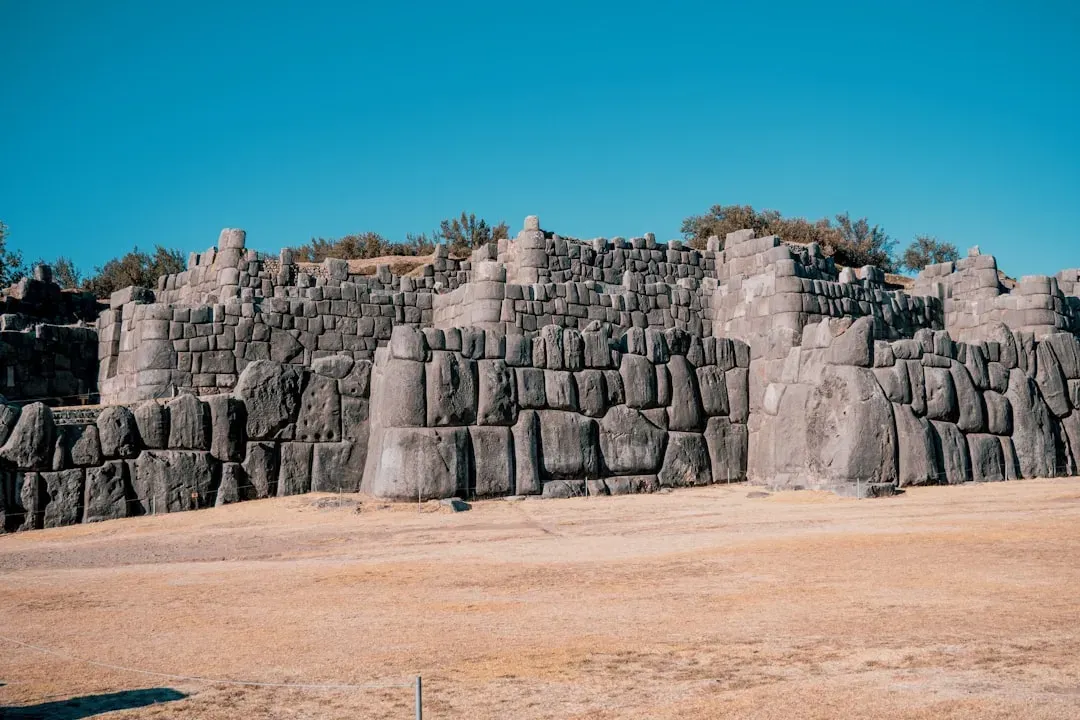
Located outside Cusco, Peru the Saksaywaman stone structure was completed in the 16th century and consists of three stone boulder walls that interweave in a puzzle-like pattern. The precision of this construction continues to baffle modern engineers.
The skill required to build this structure is impressive even by today’s standards because the stone boulders are so precisely interconnected that it is virtually impossible to push even something as thin as a piece of paper between them. The stone boulders were excavated from a quarry located three kilometers away and moved to their current location using an unknown transportation system, with the largest tipping the scales at about 120 tons. No one has been able to fully explain how the Incas achieved this level of precision without modern tools or technology. The stones fit together with tolerances that would be difficult to achieve even with laser-guided equipment today.
The Underground Churches of Lalibela: Faith Carved Downward
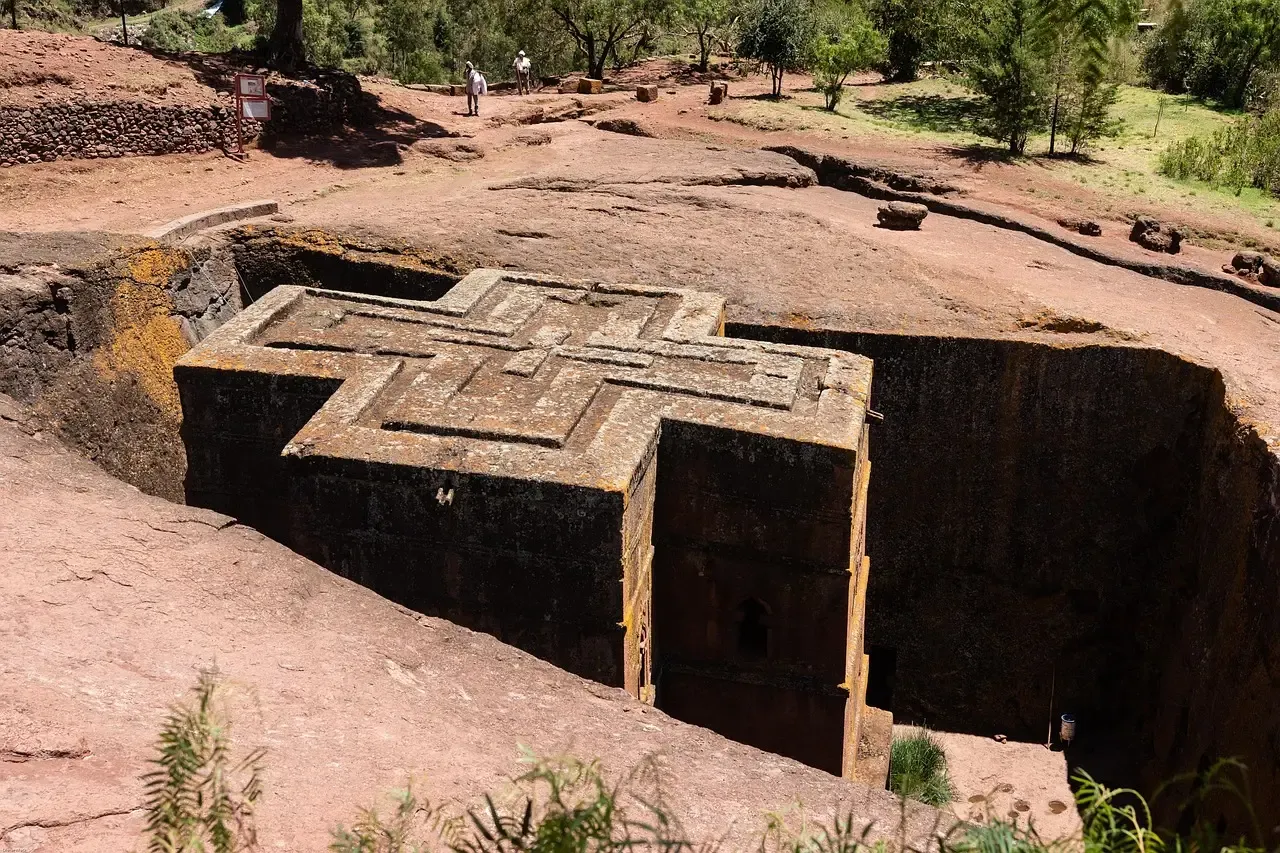
The underground churches of Lalibela in Ethiopia are engineering marvels that historians reckon were completed sometime during the 12th and 13th centuries, with all 11 underground churches carved from a single rock to accommodate Ethiopian Orthodox Church worshippers and pilgrims.
Amazingly, the people who carved these rock churches also tapped natural aquifers located deep underground without modern drilling and underground water detection tools. These underground churches were carved out of rock from the top down and are connected using a complex system of drainage ditches, tunnels, and subterranean passageways. The entire complex was excavated downward rather than built upward, which required an entirely different approach to engineering and spatial planning. Think about it: one mistake while carving downward, and the entire structure could be ruined.
Conclusion
These ancient engineering marvels prove something we sometimes forget in our age of computers and machinery. Human ingenuity, determination, and understanding of natural materials can create structures that endure not just for decades but for millennia. These monuments have withstood the test of time, surviving earthquakes, wars, climate changes, and countless other challenges over millennia, with the durability of natural stone combined with sophisticated construction methods enabling these wonders to remain standing while countless other structures have crumbled.
These ancient marvels remind us that innovation isn’t a modern invention, as our ancestors were solving complex engineering challenges with remarkable creativity and precision, often using principles we are only now beginning to understand fully. The next time you see a photo of the pyramids or read about Machu Picchu, remember that these weren’t just monuments built by primitive people with simple tools. They were masterpieces created by civilizations that understood physics, astronomy, geology, and human organization at levels that still command our respect today. What do you think future archaeologists will marvel at from our era? Share your thoughts in the comments.