
If you’ve ever stood in front of a truly ancient structure, you know the strange mix of feelings it triggers: awe, curiosity, and a tiny bit of disbelief. How did people, without digital tools, cranes, or modern materials, manage to build things so precise, so massive, and so enduring that we’re still walking through them thousands of years later?
These ancient engineering marvels aren’t just old stones and crumbling walls. They’re physical proof that humans have always been problem-solvers, risk-takers, and, frankly, a little bit obsessed with building big, ambitious things. Let’s walk through ten of the most astonishing feats that have survived wars, weather, politics, and time itself – and are still quietly showing off what humans are capable of.
1. The Great Pyramid of Giza: Precision on a Massive Scale
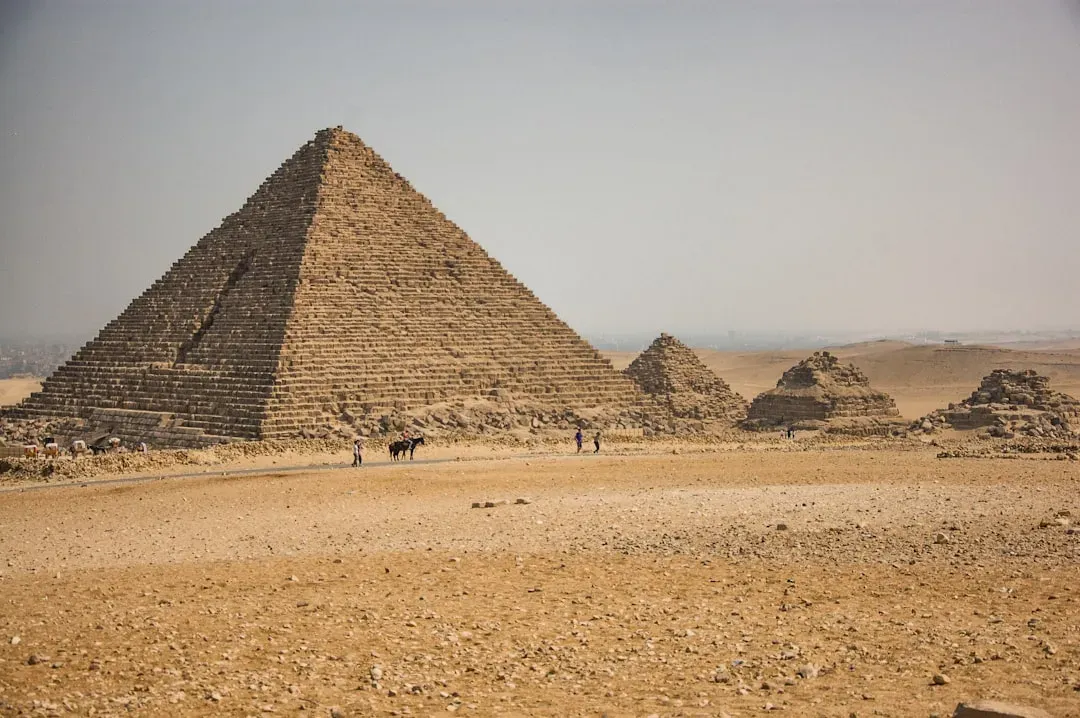
Standing near the Great Pyramid of Giza, it hits you how unbelievably large it is – and then you remember it was built over four thousand years ago. This pyramid was the tallest human-made structure on Earth for close to four millennia, built with millions of stone blocks, some weighing as much as a small truck. What’s shocking is not just the size but the accuracy: its base is almost perfectly level, and the sides are aligned impressively close to true north.
Archaeologists believe a massive, highly organized workforce of skilled laborers, not enslaved masses, worked seasonally to construct it, using ramps, sleds, and simple but clever tools. The engineering challenges were huge: moving stone from distant quarries, lifting it in place without steel cranes, and planning interior passages that didn’t collapse. Yet the structure is still standing, surviving earthquakes, desert winds, and human interference. It feels like the ultimate engineering mic drop from ancient Egypt.
2. The Roman Colosseum: A Stadium Built to Last
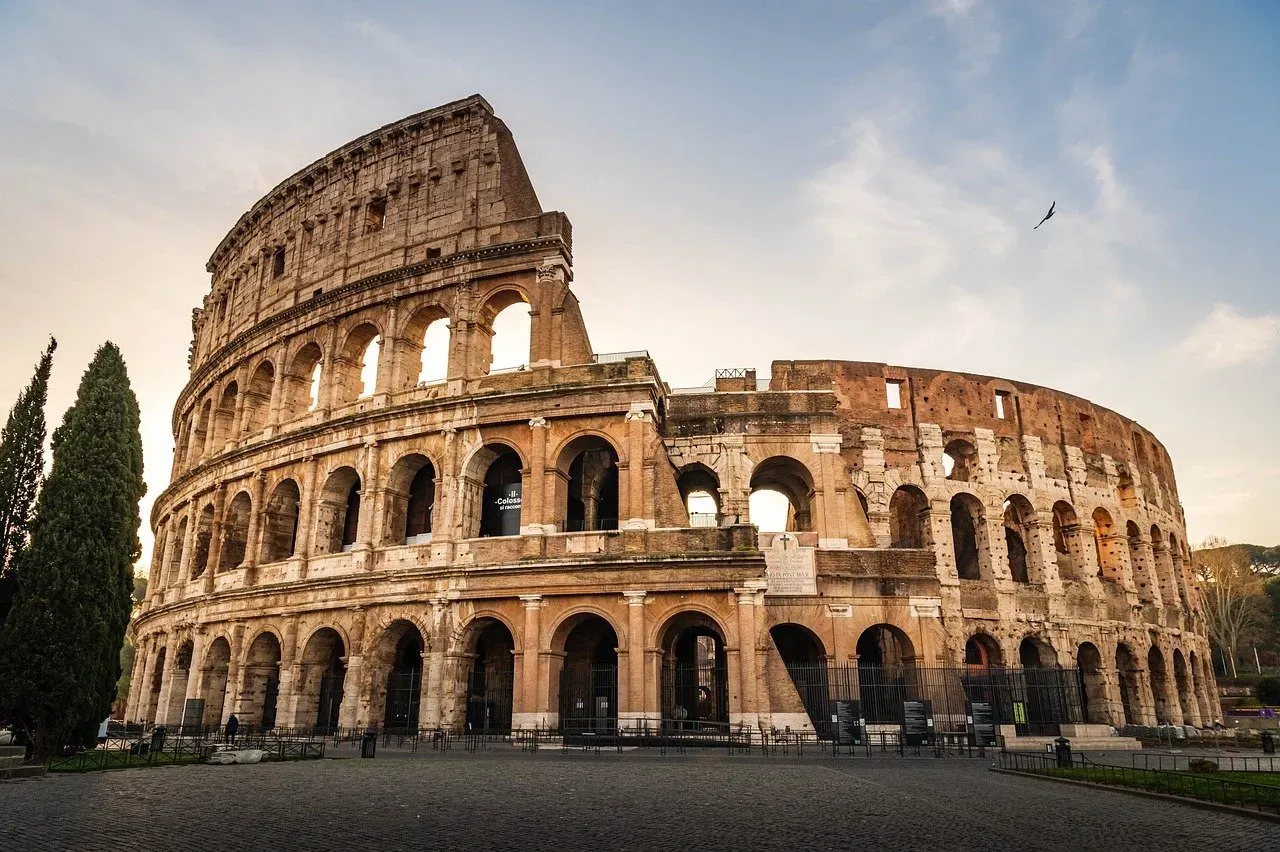
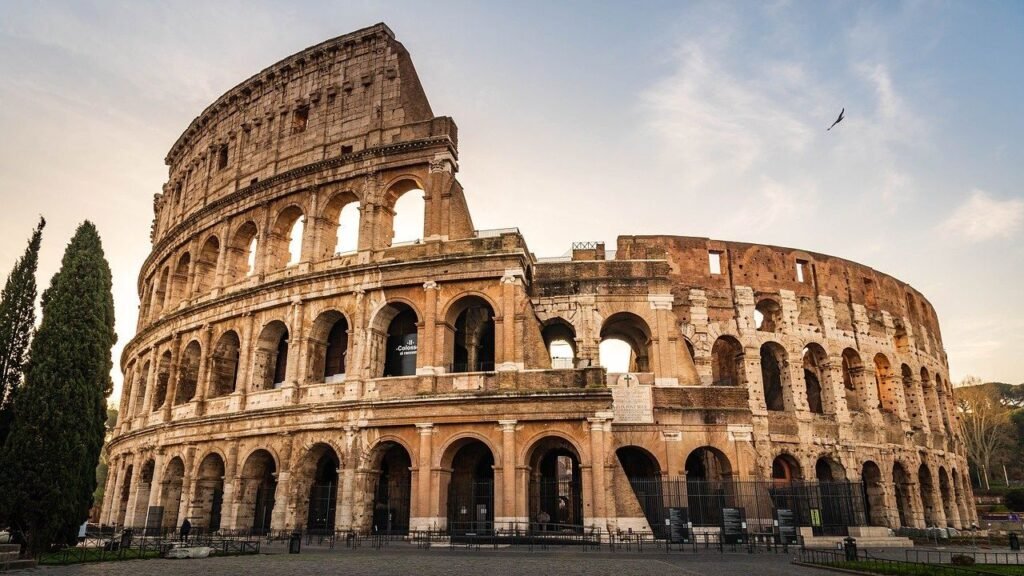
Walk into the Colosseum in Rome and you can almost hear the roar of a crowd that’s been silent for over a thousand years. This massive amphitheater could seat tens of thousands of people, with tiered stands, VIP zones, and entrances and exits designed so efficiently that the crowd could be cleared surprisingly quickly. It’s basically the ancestor of every modern sports stadium, just built with stone, brick, and astonishing planning instead of reinforced concrete and software.
The Romans mixed stone, brick, and early concrete in ways that balanced strength and speed of construction, creating a skeleton of arches and vaults that distributed weight cleverly. The arena floor even had a complex underground level, the hypogeum, with elevators, trapdoors, and corridors to move animals, scenery, and performers. Despite earthquakes, stone robbing, and pollution, large sections of this structure still stand, proving that when the Romans engineered something, they expected it to last longer than their empire.
3. The Great Wall of China: A Network More Than a Wall
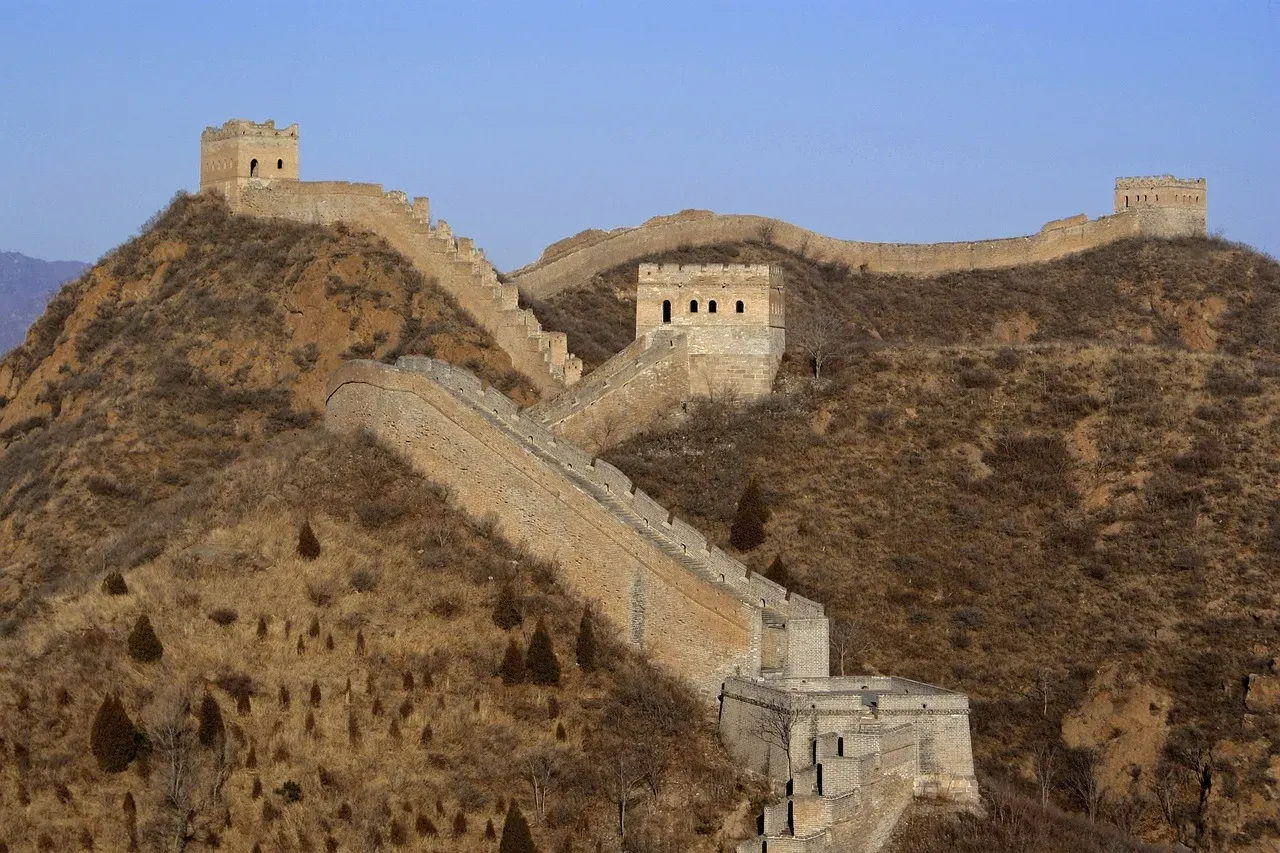
The Great Wall of China isn’t really one single wall; it’s a sprawling, evolving network of fortifications built and rebuilt over many centuries. In some sections it’s stone and brick stacked in perfectly laid courses; in others, it’s tamped earth and local materials shaped into ridges along the mountain tops. Stretching across rugged terrain, it clings to steep ridges like a stone spine, an almost defiant line against the landscape.
Engineering this wall meant more than just stacking bricks. Builders had to move materials across deserts, valleys, and high mountains, often relying on local resources and labor. They built watchtowers, barracks, and signaling systems that used smoke or fire to relay messages quickly across vast distances. While some parts have crumbled, many long stretches still stand, a testament not just to engineering ability, but to logistical planning on a continental scale.
4. Machu Picchu: A City That Hugs the Mountains
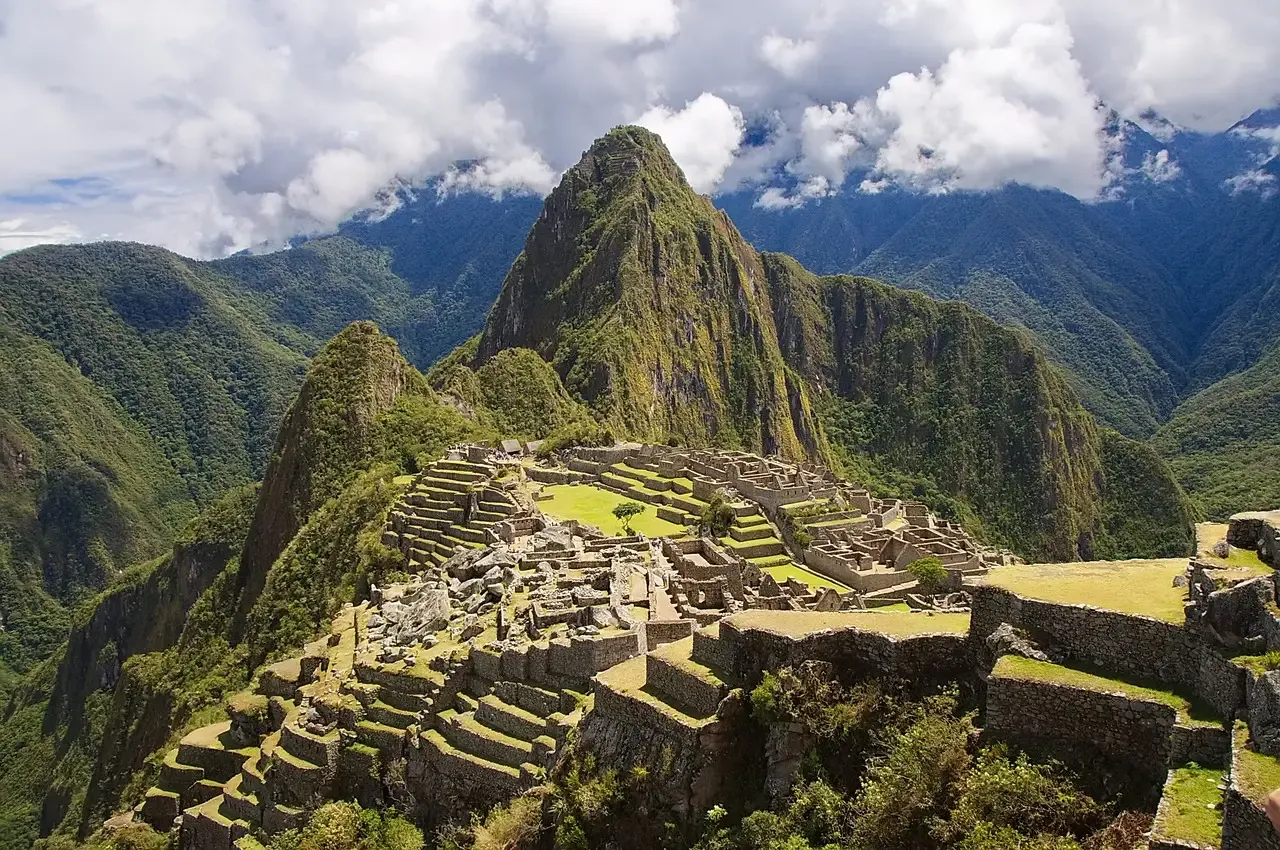
Machu Picchu almost feels unreal, perched on a narrow ridge between Andean peaks, surrounded by cloud and jungle. The Incas built this city in the fifteenth century without iron tools, wheels, or draft animals, yet they shaped and placed stones with such care that many walls still fit together tightly without mortar. The site blends architecture with landscape so gracefully that it feels more like it grew out of the mountain than was built on top of it.
What makes Machu Picchu a true engineering marvel, though, is its hidden infrastructure. Beneath the terraces and plazas lies a sophisticated drainage system that channels heavy rainfall safely away, reducing erosion and landslides in this very wet, unstable environment. The agricultural terraces themselves stabilize the slopes while also providing growing space and controlling water flow. The Incas essentially turned a dangerously steep mountain into a stable, livable, and resilient high-altitude complex that has withstood centuries of seismic activity and harsh weather.
5. Petra: A City Carved Straight from Stone
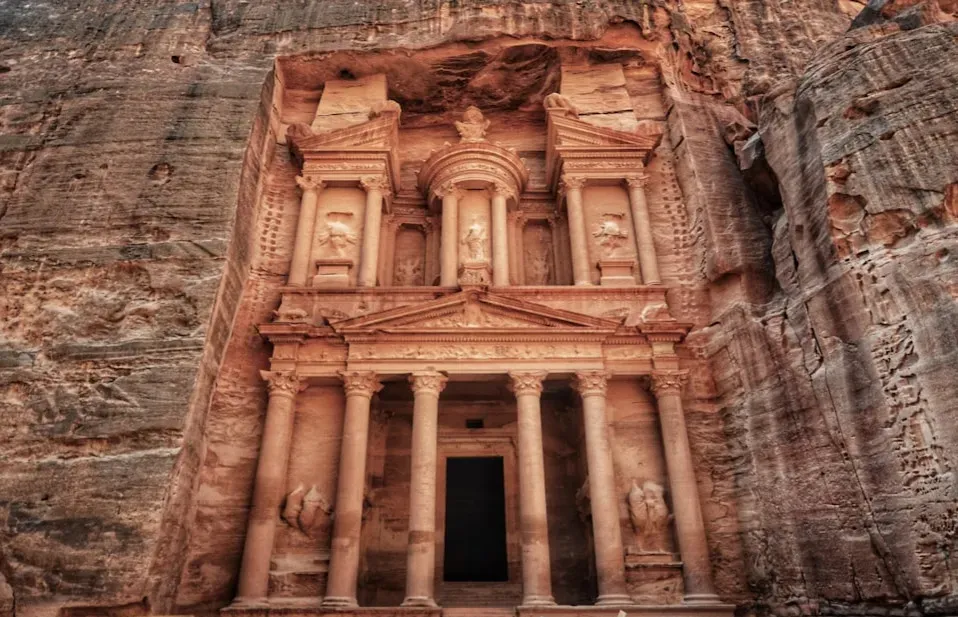
Petra, in present-day Jordan, looks like something from a movie set – because it basically is. The famous rock-cut facade often called Al-Khazneh, with its towering columns and intricate details, is carved directly into rose-red sandstone cliffs. But that’s just the front door of a much larger city carved into canyons and rock faces, with tombs, temples, and pathways shaped from solid stone rather than assembled from separate pieces.
The Nabataeans weren’t just good at carving; they were brilliant water engineers in a desert environment. They sculpted channels, cisterns, and underground reservoirs to capture and store rare rainfall, guiding it where they needed it and protecting the city from flash floods. Many of those channels and systems are still visible today, clinging to canyon walls and disappearing into carved tunnels. The fact that both the architecture and the water systems remain, despite erosion and time, shows how cleverly Petra’s builders worked with the rock instead of fighting against it.
6. The Parthenon: Balance, Illusion, and Mathematical Grace
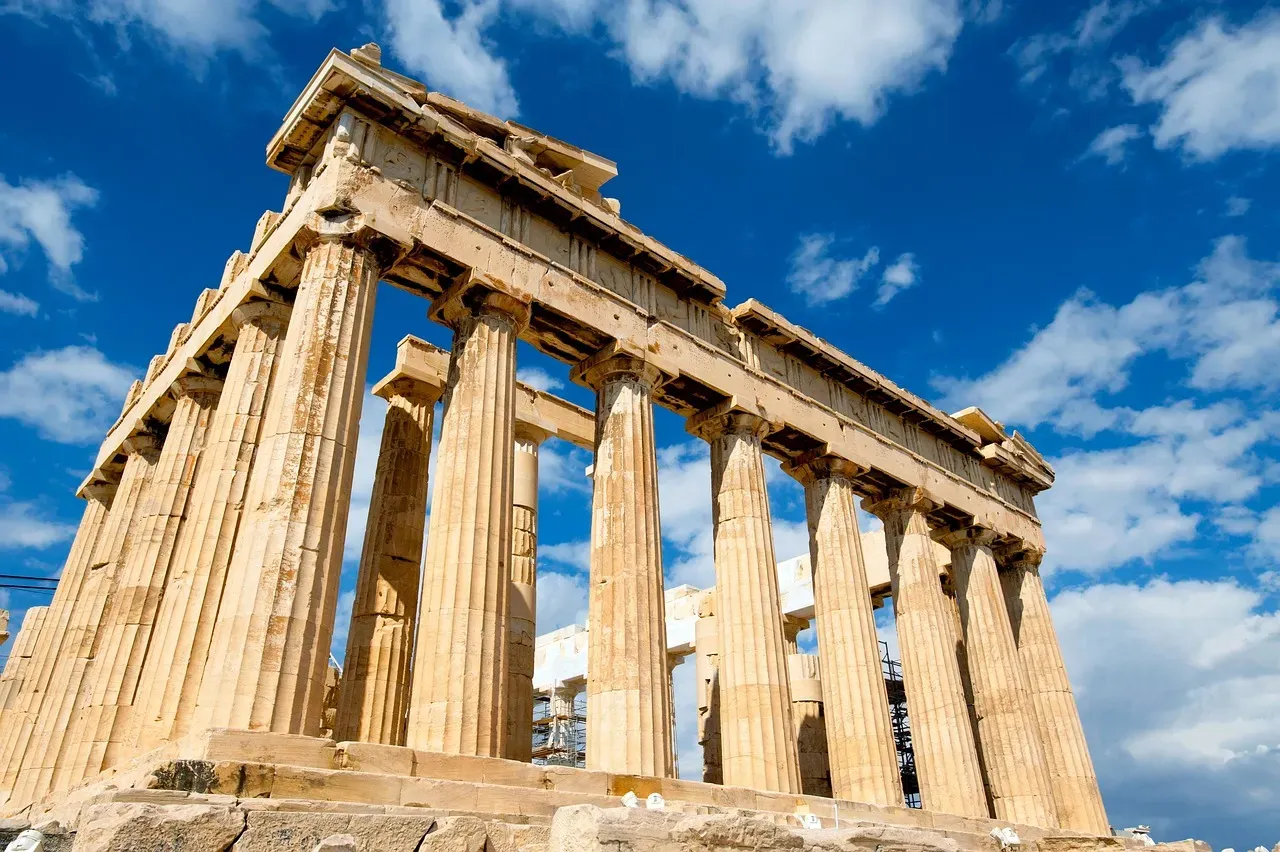
The Parthenon in Athens might look like a simple rectangular temple from a distance, but up close it becomes clear that almost nothing about it is actually perfectly straight. The architects introduced subtle curves and slight adjustments to correct how the human eye perceives lines and shapes. For example, the columns lean inward slightly, and the platform gently curves upward in the middle so that it doesn’t appear to sag when viewed from afar.
This careful manipulation of geometry and perspective blended art and engineering in a way that still feels incredibly modern. The builders used marble blocks precisely cut and fitted with metal clamps, without relying on mortar, so the structure could flex slightly during earthquakes instead of cracking apart. Even after explosions, looting, and pollution damage, much of the framework still stands, and its design principles continue to influence public buildings around the world. It’s like the ancient Greeks left a permanent blueprint for “how to make something look perfect to the human eye.”
7. The Roman Aqueducts: Water Highways of the Ancient World
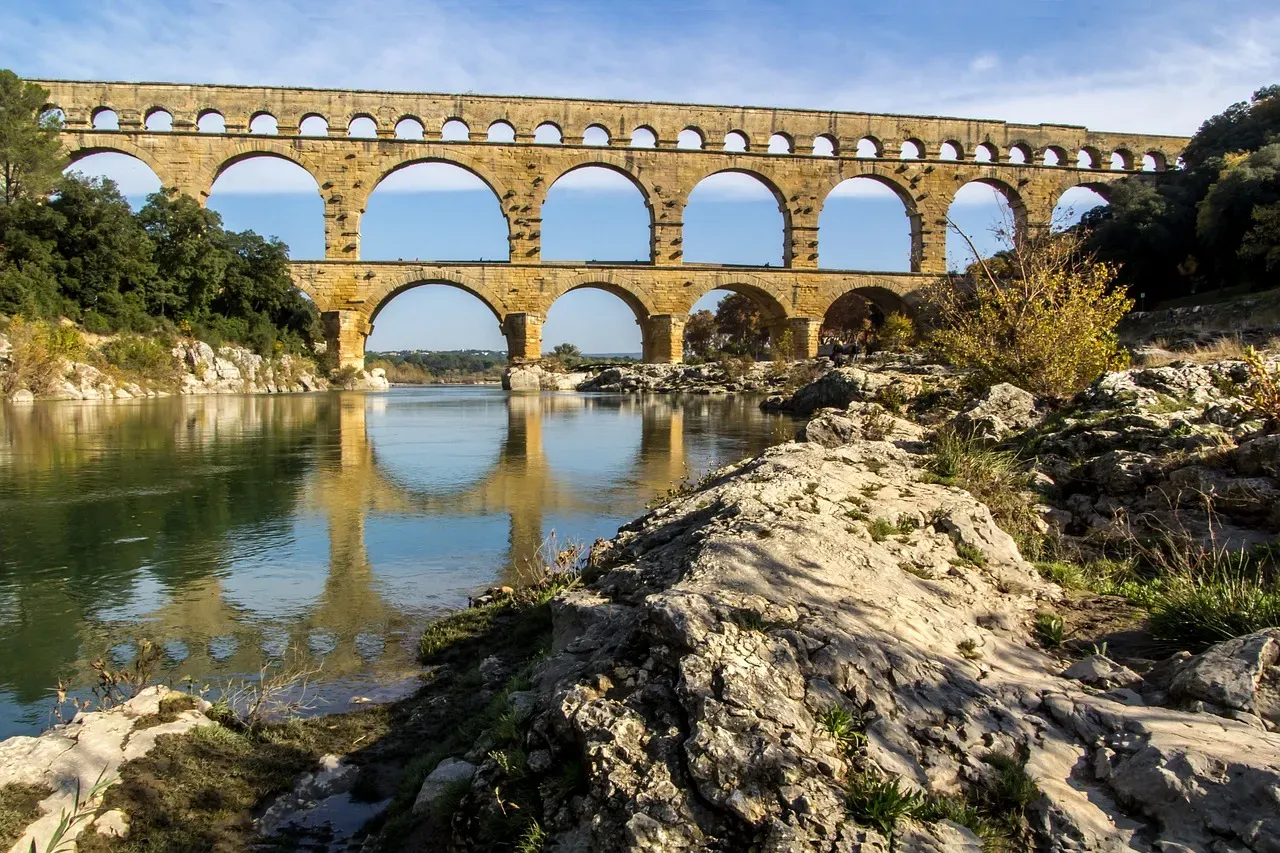
Roman aqueducts look almost delicate at times – graceful lines of arches stretching across valleys – but they carried huge volumes of water over long distances with surprisingly gentle slopes. The real genius lies in how precisely those slopes were calculated using very simple tools, ensuring that water flowed smoothly by gravity alone, without pumps. These channels supplied cities, baths, fountains, and farms, turning dry regions into thriving urban centers.
Some aqueducts ran mostly underground, protected from contamination and temperature extremes, surfacing only where bridges or arcades were needed to cross uneven ground. Roman concrete, stone masonry, and clever maintenance systems kept many of these structures working for centuries, and parts of a few are still in use today. When you stand under one of those arches, it’s hard not to see it as a physical line connecting modern plumbing back to the practical, steady engineering of Roman surveyors and builders.
8. Angkor Wat: A Stone Temple Aligned with the Cosmos
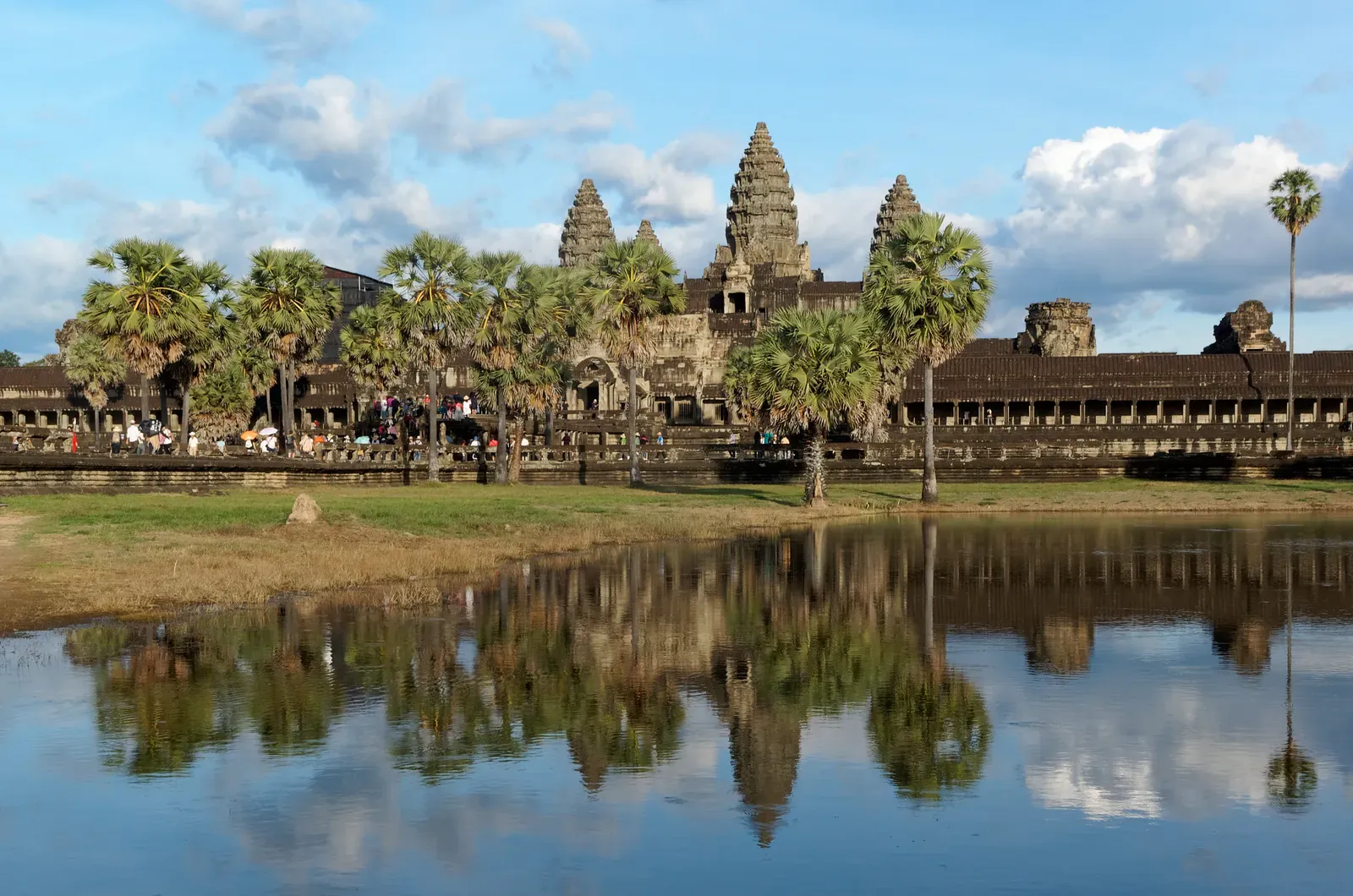
Angkor Wat in Cambodia is far more than just a big temple; it’s a vast, carefully planned complex wrapped in symbolism, geometry, and water. Surrounded by a massive moat and linked by elevated causeways, the temple rises in layers, with central towers that echo the shape of mythical mountains. The layout is aligned with celestial events, with certain corridors and towers catching the light in striking ways during equinoxes and solstices.
Engineering Angkor Wat required extensive earthworks: digging the moat, building embankments, and stabilizing foundations in a humid, flood-prone environment. Builders quarried sandstone from miles away and transported it along canals, essentially using waterways as construction highways. Intricate bas-reliefs still cling to the walls, carved with stories and patterns that have resisted weathering better than many modern facades. The combination of hydraulic planning, structural stability, and symbolic design makes Angkor Wat feel both rooted in the earth and tuned to the sky.
9. The Pantheon: A Concrete Dome That Shouldn’t Still Be Standing
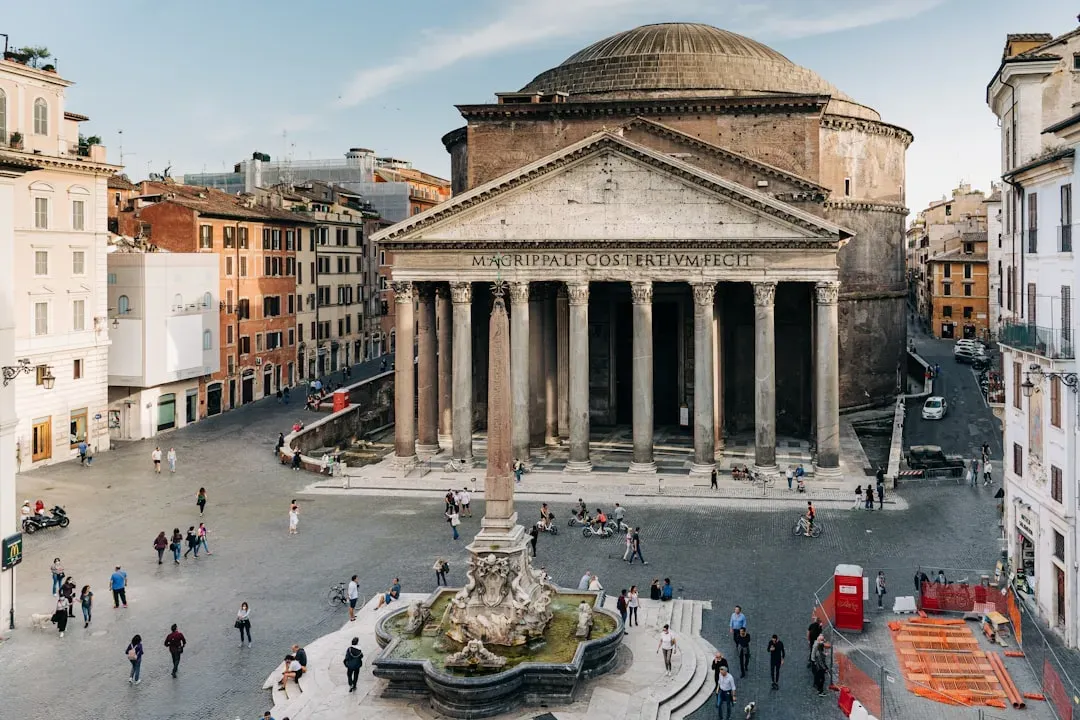
Step into the Pantheon in Rome and the first thing that hits you is the dome. It’s enormous, perfectly round, and still the largest unreinforced concrete dome in the world, nearly two thousand years after it was built. The central opening at the top, the oculus, lets in a dramatic beam of light that moves across the interior like a slow spotlight, turning the whole building into a kind of living sundial.
The engineering trick was in the concrete itself and how the dome was shaped and thickened. Roman builders mixed different aggregates, using heavier materials at the base and lighter volcanic stone toward the top, making the structure both strong and relatively light. The walls beneath the dome are thick and carefully relieved by hidden chambers and arches that help distribute the weight. Modern engineers still study the Pantheon because it’s a rare example of an ancient structure where bold experimentation paid off so spectacularly that it’s outlived the very civilization that built it.
10. The Moai of Easter Island: Giants on the Move

The moai statues of Easter Island are mysterious enough just standing there, with their massive stone heads and long, solemn faces. The fact that many of them were transported several kilometers from quarries to their final positions, using only human muscle and simple tools, pushes the whole story into another level of astonishment. Some moai weigh as much as a fully loaded bus, yet they were raised onto stone platforms and aligned in ways that suggest deep ritual and social organization.
Researchers now think the islanders may have used a rocking or walking technique with ropes to move the statues upright, like carefully inching a refrigerator across a room, but on an almost absurdly larger scale. Platforms called ahu were constructed to support the statues, with foundations that helped keep them stable despite coastal winds and soil shifts. Many moai toppled over during later conflicts or natural events, but others have remained standing or been re-erected, and the quarry still shows half-finished figures. The engineering isn’t just in the carving; it’s in the planning, teamwork, and problem-solving that got these stone giants where they needed to go.
Stone Memories of Human Boldness
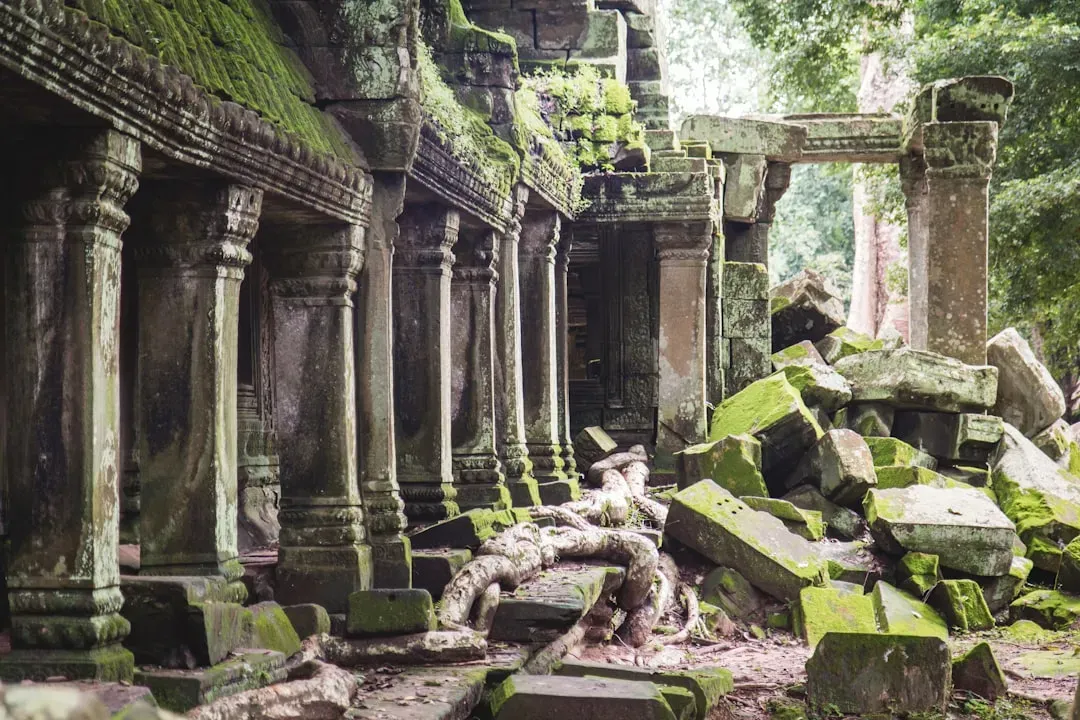
These ten ancient works might look like ruins at first glance, but they’re really messages from earlier generations about what humans can pull off when they think big and refuse to give up. From stone blocks stacked into pyramids to domes that seem to float, from carved cities in cliffs to walls that snake across mountains, each structure solves a different version of the same problem: how do you turn imagination into something that actually stands up in the real world?
They didn’t have modern computers, steel, or AI, but they had observation, trial and error, collaboration, and a stubborn belief that it was worth tackling impossible challenges. That, more than the stones themselves, is what has survived: the mindset that complexity is something to be engaged with, not avoided. Looking at these ancient marvels, it’s hard not to wonder what from our own time will still be standing, puzzling and inspiring people, thousands of years from now.