
Have you ever wondered what genius minds walked the earth centuries before us? You probably imagine ancient people as primitive, but honestly, some civilizations mastered technologies that baffle modern scientists. Their innovations weren’t just clever – they were revolutionary, sometimes lost to history for centuries before we rediscovered them. From impossible architectural feats to mathematical breakthroughs that changed the world, these ancient empires prove that human ingenuity knows no time limits.
So let’s get started and explore ten civilizations that pushed the boundaries of what seemed possible in their era. Prepare to be amazed at what our ancestors accomplished without computers, electricity, or modern machinery.
The Roman Empire: Self-Healing Concrete That Outlasts Modern Materials

When you walk past bathhouses, aqueducts, and seawalls built more than two thousand years ago, you’re witnessing the enduring legacy of Roman concrete. The Romans weren’t the first to invent concrete, but they were the first to employ it on a mass scale, and by 200 B.C.E., concrete was used in the majority of their construction projects.
What makes Roman concrete truly spectacular is its self-healing ability. Researchers say they have figured out why Roman concrete remains so resilient: Quicklime used in the mix may have given the material self-healing properties. Roman concrete was likely made by mixing the quicklime directly with pozzolana and water at extremely high temperatures, creating lime clasts that act as reservoirs of calcium. When cracks form, these clasts react with water to fill gaps automatically.
Usable examples of Roman concrete exposed to harsh marine environments have been found to be 2000 years old with little or no wear. By comparison, Portland cement lacks the lime-volcanic ash combination and doesn’t bind well compared with Roman concrete, often with a service life of about 50 years or less. Their concrete actually grows stronger over time – something our modern mixtures simply cannot replicate.
The Indus Valley Civilization: Advanced Urban Sanitation Systems
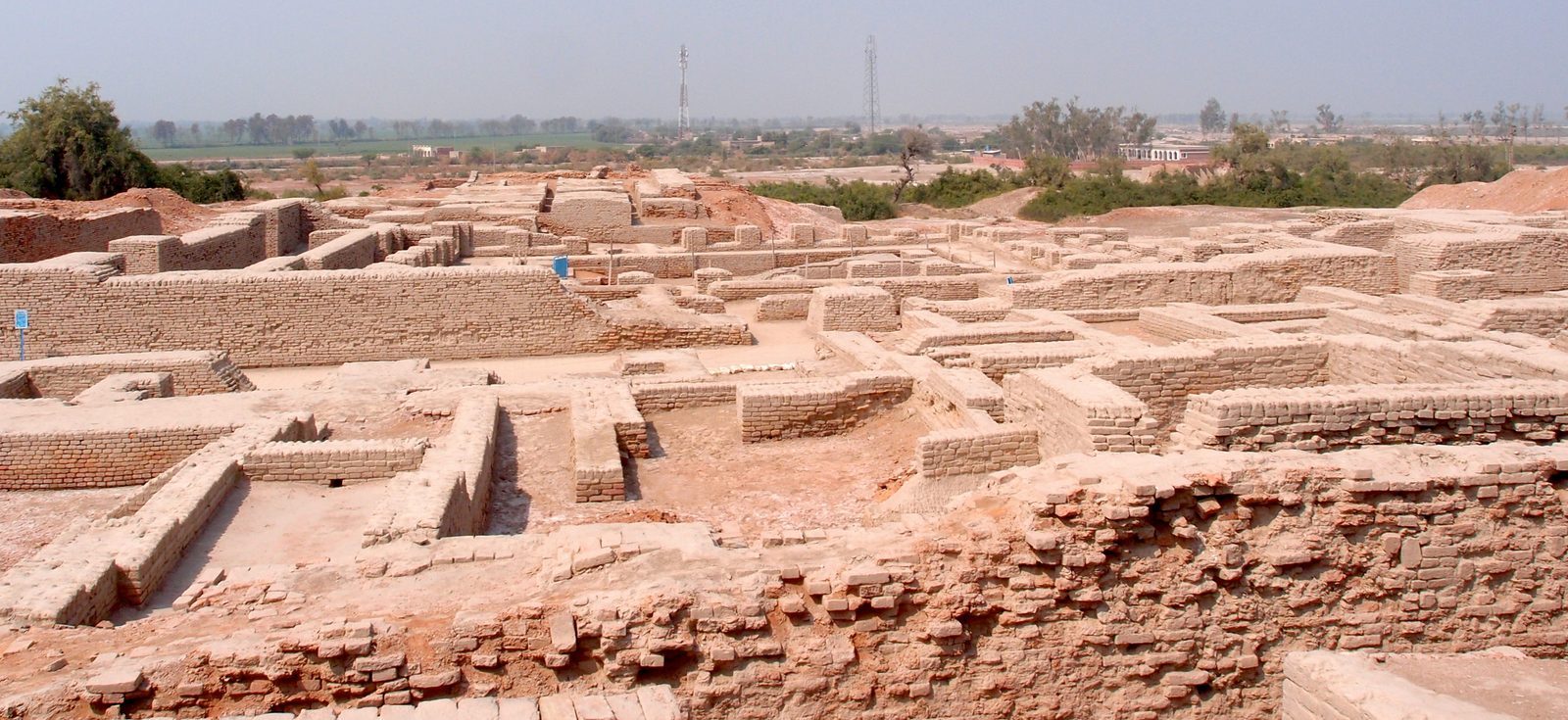
Millennia before Rome built its famous aqueducts, the Indus Valley Civilization had private toilets and sophisticated drainage systems. Let’s be real – how many ancient cities can claim nearly every house had indoor plumbing?
Sewage was disposed of through underground drains built with precisely laid bricks, and a sophisticated water management system with numerous reservoirs was established, with drains from houses connected to wider public drains laid along the main streets. Almost every house unit at Mohenjo-daro was equipped with a private bathing area with drains to take the dirty water out into a larger drain that emptied into a sewage drain.
The Indus Valley civilization was prominent in hydraulic engineering and is known to have developed the earliest known systems of flush toilets in the world, with one authority stating that no other city in the ancient world had developed such a sophisticated water and waste management system. National Geographic has opined that their civilization enjoyed the ancient world’s best plumbing, in some ways surpassing even the plumbing system that the Roman civilization would later create. Think about that for a second – this was nearly five thousand years ago!
Ancient Greece: The Antikythera Mechanism as the First Computer
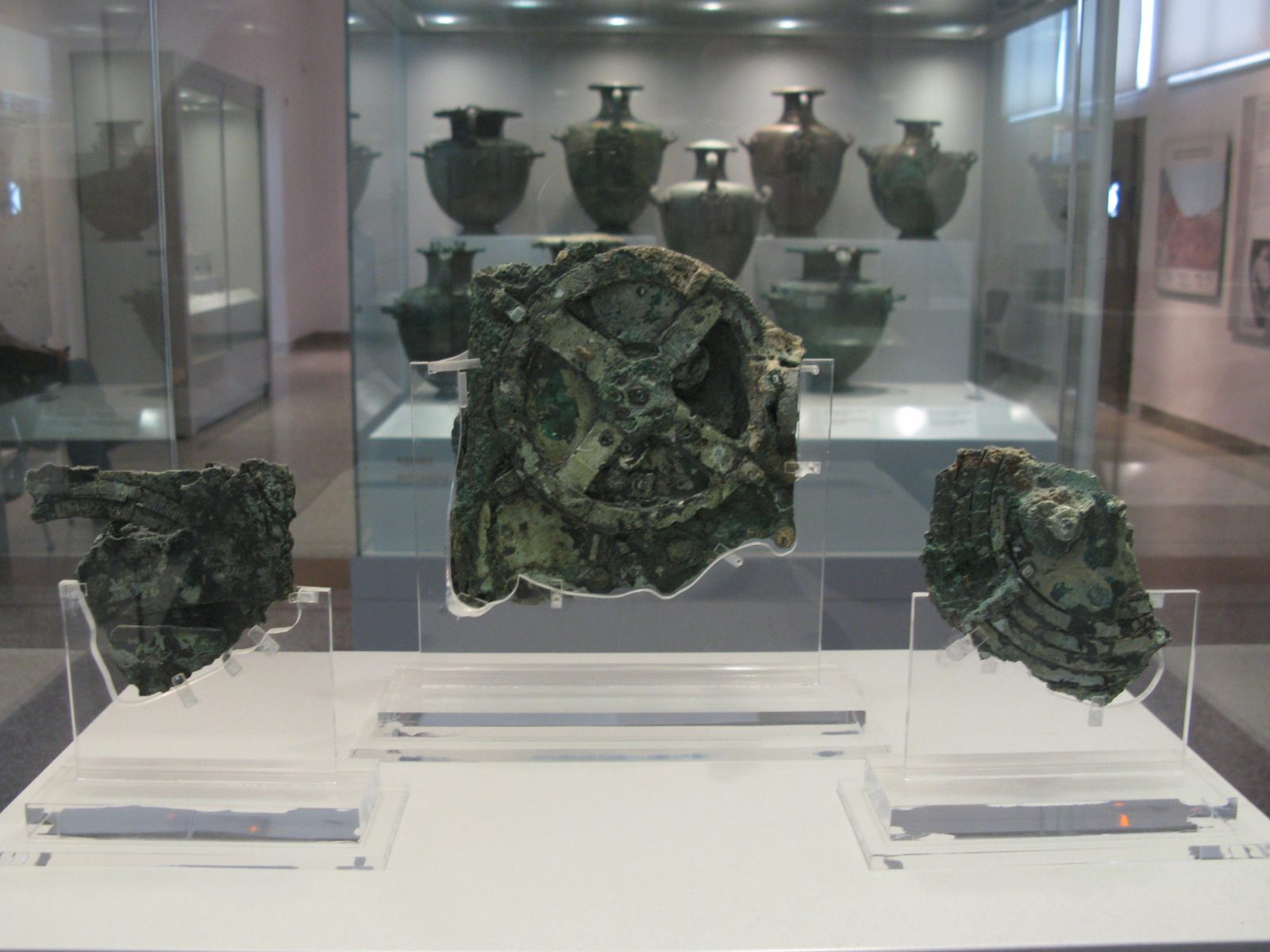
The Antikythera mechanism is an ancient Greek hand-powered orrery that is the oldest known example of an analogue computer, used to predict astronomical positions and eclipses decades in advance. The artefact was among wreckage retrieved from a shipwreck off the coast of the Greek island Antikythera in 1901.
Honestly, this device shouldn’t exist. The Antikythera mechanism had the first known set of scientific dials or scales containing 30 gear wheels, with no other geared mechanism of such complexity known from the ancient world or indeed until medieval cathedral clocks were built a millennium later. A 2021 attempt at replicating the mechanism referred to it as a creation of genius – combining cycles from Babylonian astronomy, mathematics from Plato’s Academy, and ancient Greek astronomical theories.
The precision is mind-boggling. The Antikythera mechanism, with its precision gears bearing teeth about a millimeter long, is completely unlike anything from the ancient world. The technology implemented to create the elliptical paths of the planets and retrograde motion of the Moon and Mars predated that of the first known clocks found in antiquity in medieval Europe by more than 1000 years.
The Mayan Empire: Mathematical Genius and Astronomical Precision
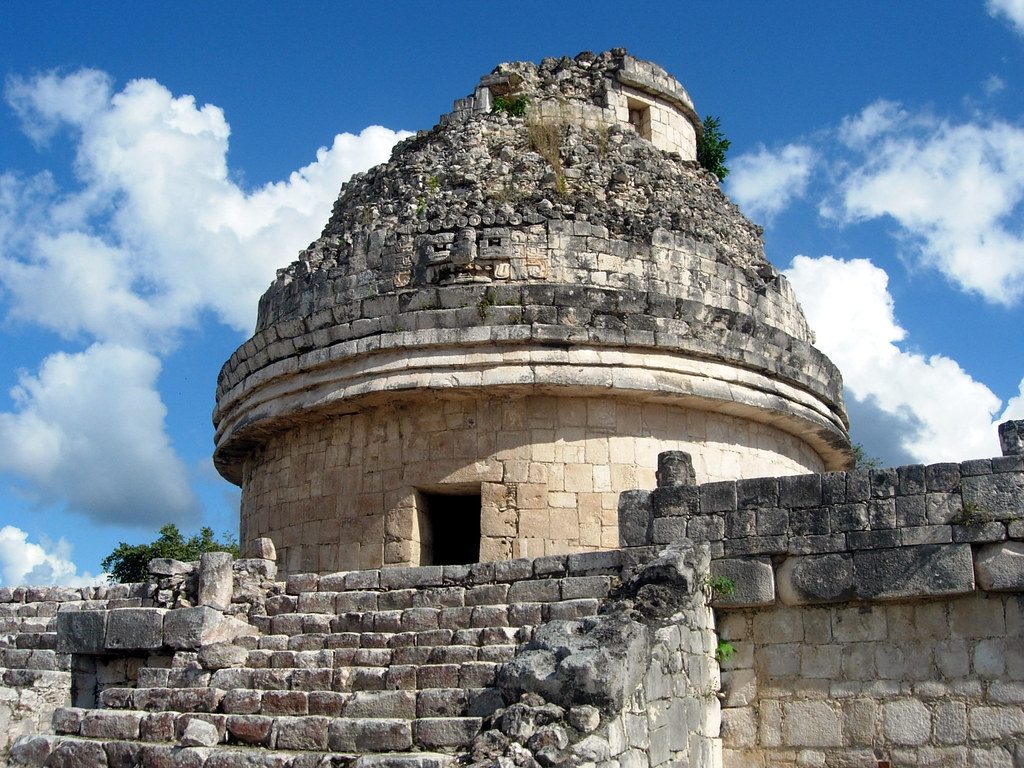
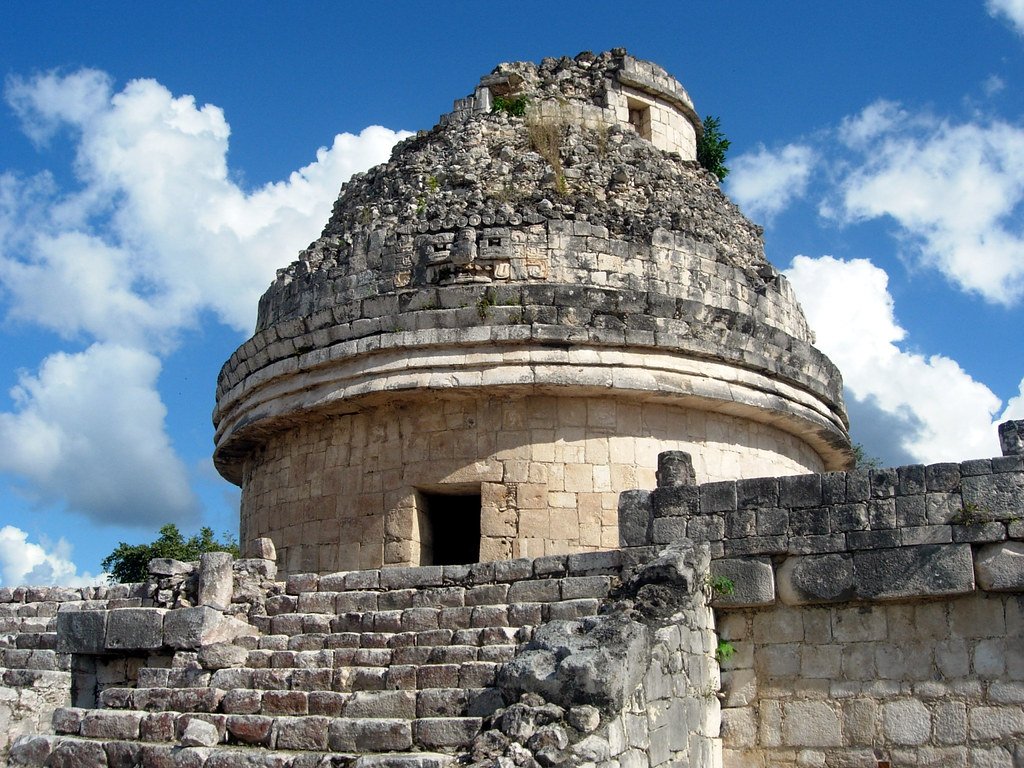
The Maya developed an advanced system of mathematics that allowed them to create a set of calendars unrivaled in the ancient world. In math, the Maya developed a base-20 system and the concept of zero – an innovation that arrived in Europe much, much later.
Their astronomical observations were phenomenal. With crude instruments the Maya were able to calculate the length of the year to be 365.242 days (the modern value is 365.242198 days), and at Copán they found that 149 lunar months lasted 4400 days, giving 29.5302 days as the length of the lunar month. Their understanding of the Venus cycle was exceptional, determining the synodic period of Venus to be 583.92 days, which is astonishingly accurate compared to the modern value of 583.92 days.
These observations, in combination with a sophisticated mathematical system, allowed them to develop a precise calendar system; their measurements of the length of the solar year were more accurate than measurements the Europeans used as the basis of the Gregorian calendar. Let that sink in – their calculations without telescopes surpassed European accuracy!
Ancient China: Innovations That Changed Civilization Forever
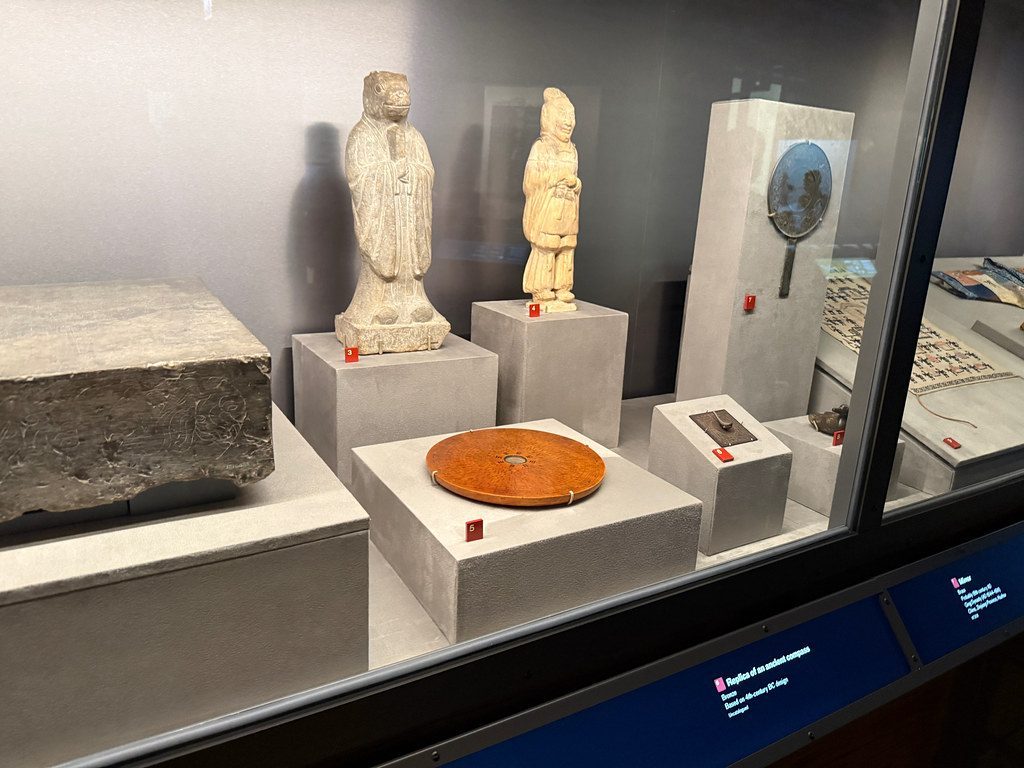
Along with the Four Great Inventions of Ancient China – printing, paper-making, the compass and gunpowder – the Ancient Chinese have also been credited with inventions ranging from kites to toilet paper. These weren’t just novelties; they fundamentally transformed human civilization.
China with a long history in metallurgy was the earliest civilization that manufactured cast iron and some of the ancient Chinese feats of casting iron are so impressive as to be almost unbelievable. Their ironworking expertise gave them military and agricultural advantages that lasted centuries. The compass revolutionized navigation worldwide, while printing technology democratized knowledge in ways that reshaped societies.
Paper-making might seem simple now, but it was revolutionary. Before paper, recording information was expensive and cumbersome. Chinese innovation made knowledge accessible and portable in ways no other ancient civilization achieved. Honestly, imagine trying to build modern civilization without paper!
The Byzantine Empire: Greek Fire and Naval Dominance
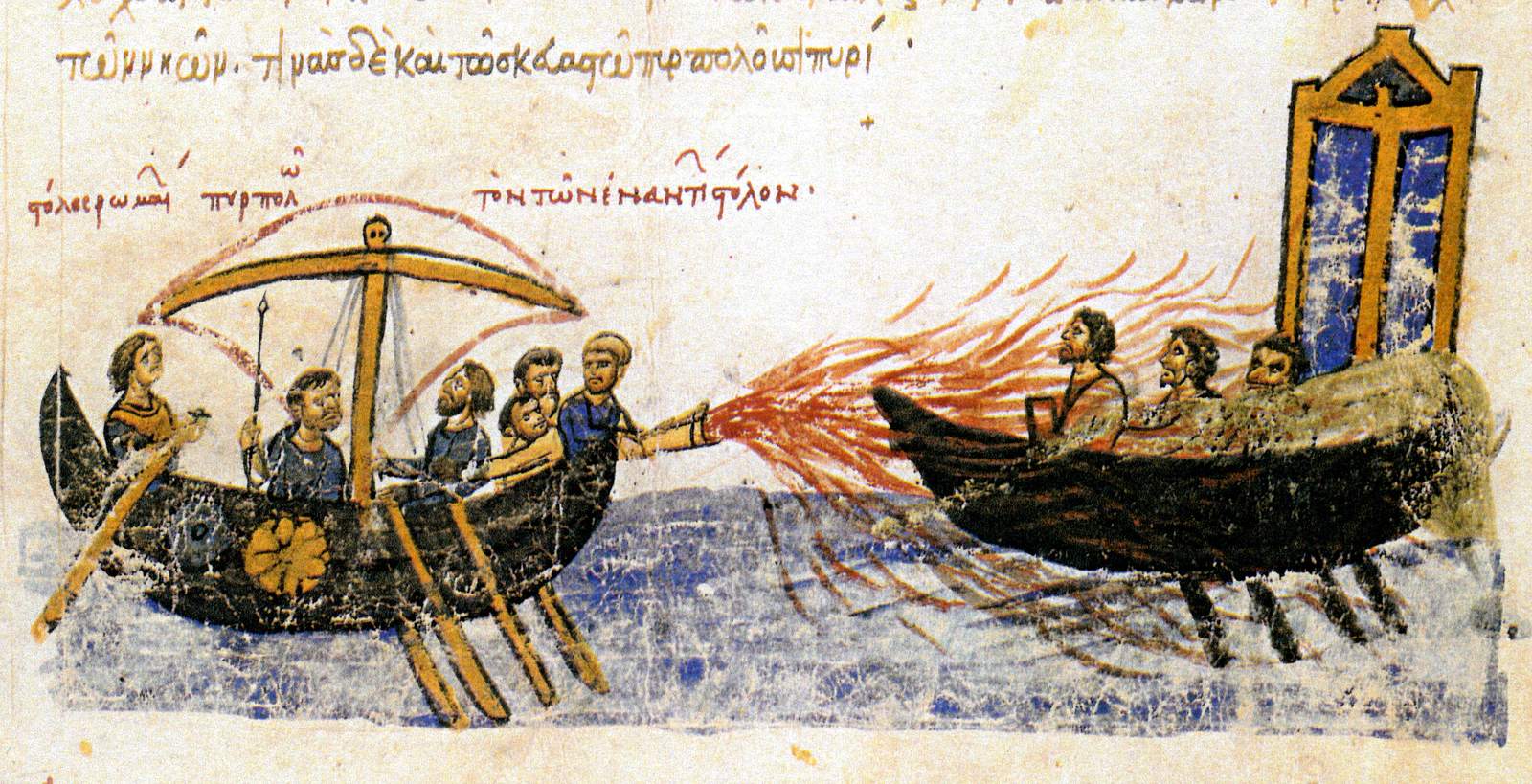
The invention of Greek Fire remains one of the most enigmatic and effective military technologies of the ancient world, employed by the Byzantine Empire, particularly in naval warfare, where its impact was legendary. Its ability to burn on water set it apart as a revolutionary ancient naval technology.
The exact formula of Greek Fire remains a mystery to this day, as the Byzantines zealously guarded its composition, though historical accounts suggest it might have contained a mixture of petroleum, sulfur, and quicklime. Unlike other incendiary weapons of the time, Greek Fire was deployed using pressurized siphons mounted on Byzantine ships, which could spray the flaming liquid onto enemy vessels, often causing immediate destruction.
This weapon was more than destructive – it was terrifying. It’s hard to say for sure, but the psychological impact of seeing flames dance across water probably won battles before they even started.
Ancient India: Metallurgy Mastery and the Rust-Free Iron Pillar
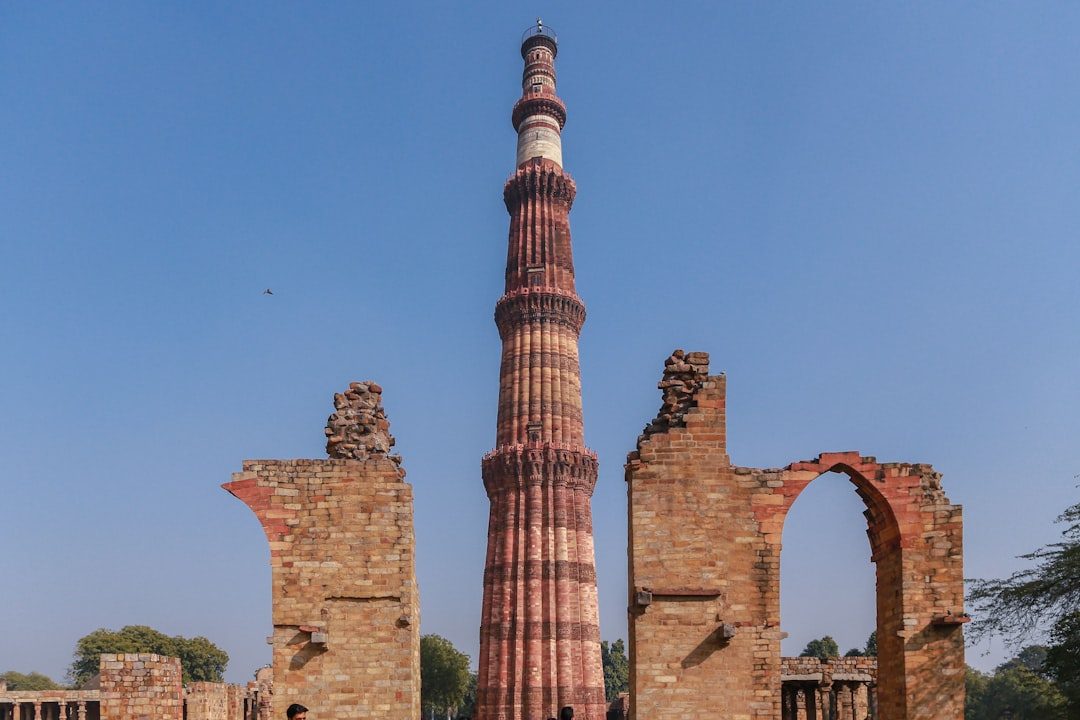
Located in Delhi’s Qutub complex, this massive monument is made of a high-grade iron alloy dating back to the Gupta Empire (4th-6th century CE), standing at over 23 feet and weighing 6 tons. Having survived for over 1600 years without a hint of rust or corrosion, the Pillar is considered a marvel of ancient metallurgy.
Ancient Indians produced iron capable of withstanding corrosion, most likely due to the high phosphorus content of the iron produced during those times.
The mathematical contributions from ancient India are equally impressive. Indian mathematicians independently developed the concept of zero and the decimal system – foundational elements that modern computing and mathematics rely upon completely.
Ancient Persia: Water Management and Early Windmills

The earliest evidence of water wheels and watermills in the ancient Near East dates back to the 3rd century BC in the Hellenistic Near East in the regions of Mesopotamia and Persia, constituting the first human-devised motive force not to rely on muscle power (besides the sail). This was absolutely groundbreaking for its time.
In the 7th century AD, Persians in Afghanistan developed the first practical windmills. These innovations in harnessing natural power sources laid the groundwork for industrialization centuries later. The ancient Persians also developed advanced mining techniques, particularly for military purposes, using tunneling to undermine city walls during sieges, and in one documented case employed bitumen and sulfur in these operations to create toxic fumes.
Ancient Egypt: Engineering the Pyramids Without Modern Tools

The Egyptians are known for building pyramids centuries before the creation of modern tools, with historians and archaeologists finding evidence that the Egyptian pyramids were built using three of the Six Simple Machines – the inclined plane, the wedge, and the lever – which allowed the ancient Egyptians to move millions of limestone blocks.
The Egyptians invented and used many simple machines, such as the ramp to aid construction processes, and were among the first to extract gold by large-scale mining using fire-setting, with the first recognizable map, the Turin papyrus, showing the plan of one such mine in Nubia. Their understanding of engineering principles enabled them to create structures that have stood for millennia.
The precision is staggering. These massive structures align with astronomical events and demonstrate mathematical sophistication that continues to inspire debate among modern engineers. Without cranes, bulldozers, or computers, they moved blocks weighing tons with remarkable accuracy.
The Inca Empire: Earthquake-Resistant Architecture

Sacsayhuamán is a citadel on the northern outskirts of the city of Cusco, Peru, the historic capital of the Inca Empire, and archaeologists and other scientists have been scratching their heads trying to figure out how remarkable ancient Peruvian structures were constructed, as this marvelous structure consists of gigantic stones so heavy that our modern machinery can hardly move and put in place.
The Inca developed construction techniques using massive stones fitted together so precisely that not even a blade could fit between them. This wasn’t just aesthetic – it was functional. Their structures have survived countless earthquakes that destroyed later colonial buildings constructed using European methods. The stones shift slightly during tremors but don’t collapse, demonstrating engineering genius that modern seismologists study for inspiration.
What’s truly fascinating is that they achieved this without wheels, iron tools, or written language as we understand it. Their knowledge was passed down through practice and observation, creating buildings that have endured for centuries.
Conclusion: Ancient Wisdom for Modern Times
There is no doubt ancient people possessed highly advanced knowledge in a number of areas. These ten empires weren’t just survivors – they were innovators who pushed boundaries and created technologies that remained unmatched for centuries, sometimes millennia.
The technological prowess of ancient civilizations is often underestimated, with many assuming that progress in science and engineering only began with the modern era, but evidence from archaeological discoveries suggests otherwise, as civilizations such as the Egyptians, Romans, Greeks, and Incas developed technologies and techniques that were centuries, or even millennia, ahead of their time.
What strikes me most is how much we’ve forgotten and had to relearn. Roman concrete that heals itself, Mayan astronomical precision without telescopes, Greek computational devices a millennium before their time – these weren’t flukes. They were the products of brilliant minds observing, experimenting, and innovating with the resources available to them. What incredible achievements from our past will we rediscover next?
Jan loves Wildlife and Animals and is one of the founders of Animals Around The Globe. He holds an MSc in Finance & Economics and is a passionate PADI Open Water Diver. His favorite animals are Mountain Gorillas, Tigers, and Great White Sharks. He lived in South Africa, Germany, the USA, Ireland, Italy, China, and Australia. Before AATG, Jan worked for Google, Axel Springer, BMW and others.