

Every time we think we’ve finally figured out the ancient world, some ruin, inscription, or forgotten artifact turns up and basically says: “Not so fast.” For all our satellites, quantum computers, and AI, there are lost civilizations whose knowledge feels strangely out of reach, as if we’re trying to tune in to a radio station that no longer broadcasts. Their buildings defy our engineering assumptions, their calendars measure time on scales we barely think about, and their understanding of the sky borders on obsessive precision.
What shocks me most is not that they were “advanced” in some vague way, but that they were advanced in ways we didn’t even think to look for. They mastered logistics in brutal terrains, aligned cities with astronomical events down to fractions of a degree, and encoded cosmology into architecture like a 3D textbook. The more archaeologists uncover, the more it feels like we’re staring at a half-erased blueprint of human potential – and we still can’t fully read the handwriting.
The Ancient Egyptians: Architects of Impossible Precision
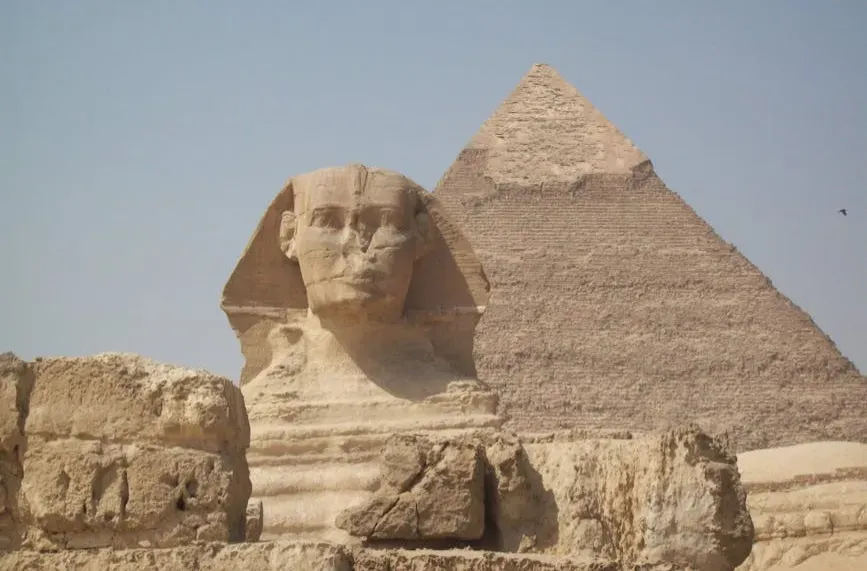
The Great Pyramid of Giza is so familiar that it’s easy to forget how outrageous it really is. Its base is nearly perfectly level, the sides are astonishingly straight, and it is aligned to true north with an accuracy that rivals many modern constructions, all done without lasers, GPS, or modern surveying tools. Egyptologists have reconstructed plausible methods – ramps, sledges, levers – but big debates rage about how exactly heavy stones were moved, lifted, and positioned with such precision over decades.
Even more mysterious is the Egyptians’ knowledge of geometry, medicine, and time. They tracked the flooding of the Nile with calendars accurate over long periods and used surgical techniques and medical remedies recorded in papyri that still surprise modern doctors. Yet so much of their practical know-how was never systematically written down; it was embedded in temple traditions, priestly education, and oral teaching. We’re left reverse‑engineering genius from stone, like trying to deduce the software from the shape of the laptop.
The Sumerians: The First Data Nerds of History
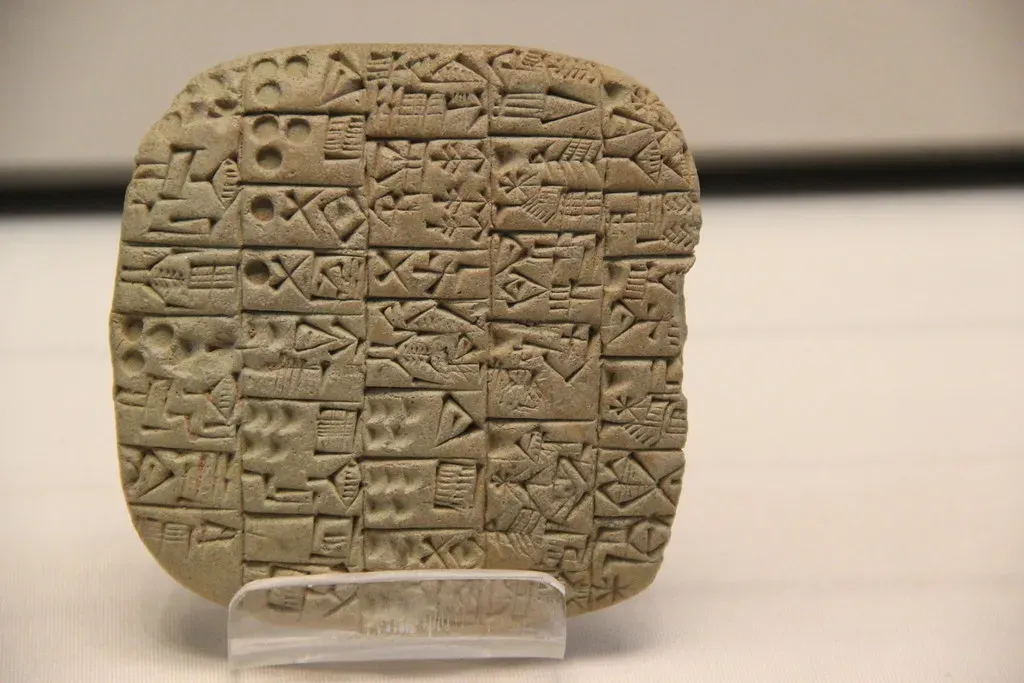
Long before the word “civilization” was fashionable, the Sumerians in Mesopotamia were inventing writing, cities, and specialized professions. On their clay tablets, they tracked grain, taxes, trade, and even legal disputes with a level of bureaucratic detail that feels strangely modern. What stumps researchers is how this relatively small region made such a huge intellectual leap from simple marks to a fully developed writing system and sophisticated mathematics in what seems like a short window of time.
Their use of a base‑sixty (sexagesimal) number system still shapes how we measure time and angles: sixty seconds in a minute, sixty minutes in an hour, three hundred sixty degrees in a circle. Why sixty? The usual explanations talk about divisibility and practical counting on fingers and joints, but the deeper cultural logic behind that choice is still debated. We use their system daily without really understanding the mental world that produced it, like inheriting a family recipe without knowing why half the ingredients are there.
The Indus Valley Civilization: Urban Planners Without a Rosetta Stone
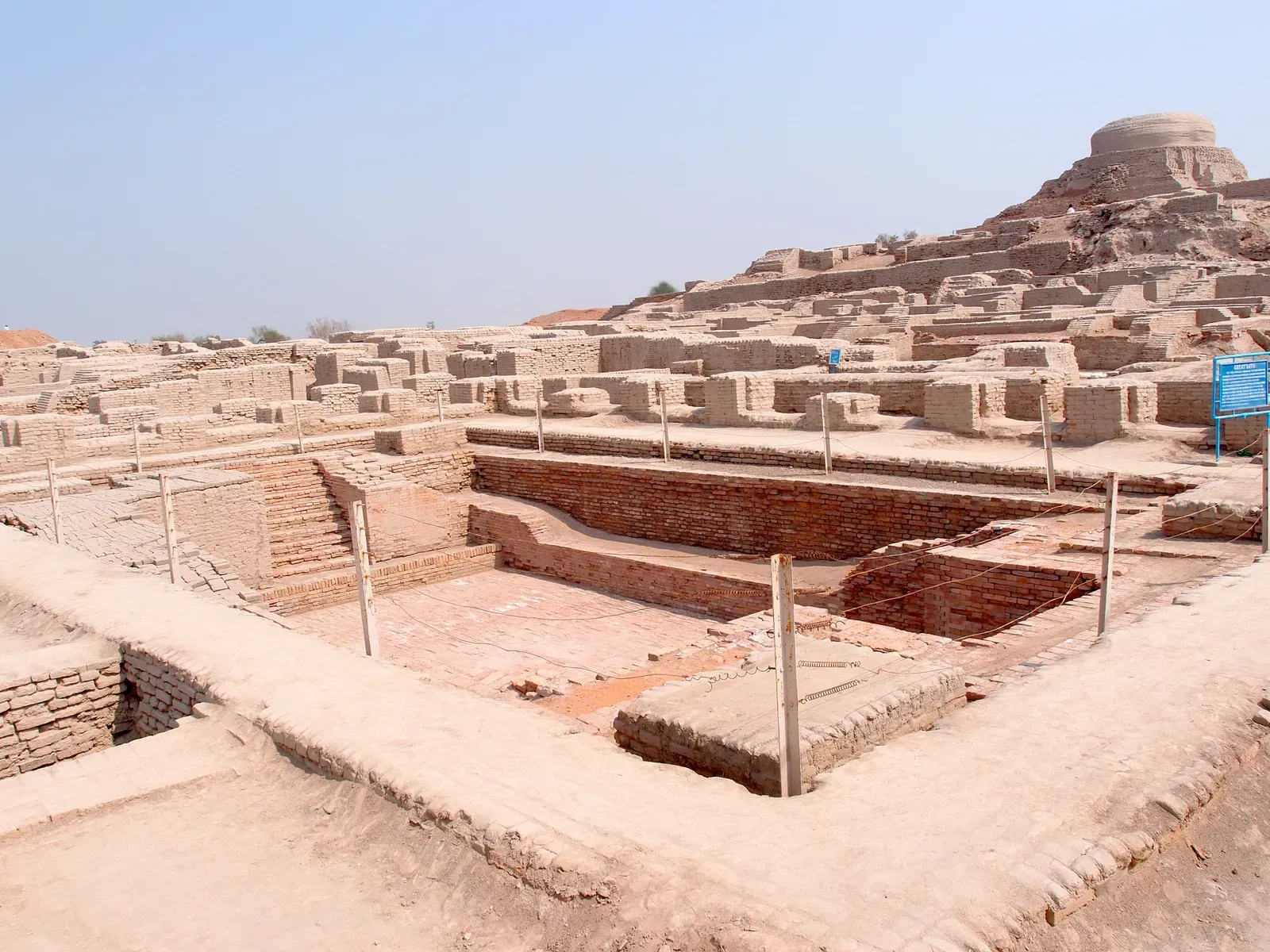
The Indus Valley cities – like Mohenjo-daro and Harappa – look startlingly modern in their planning. They had straight streets laid out in grids, standardized baked bricks, advanced drainage and sewage systems, and evidence of centralized yet efficient regulation. What’s maddening is that they also left behind a script on seals and pottery that we still can’t read with any confidence, despite decades of intense effort.
Because we can’t decipher their writing, we have only a partial view of how they governed themselves, what they believed, or how they organized trade and science. Their standardized weights and measures hint at high‑level mathematical and commercial knowledge, but it’s like seeing the outside of a locked vault. That unknown script holds a whole worldview – myths, math, medical lore, maybe even scientific speculation – but for now it’s just compact clusters of stubbornly silent symbols.
The Maya: Masters of Time and Cosmic Cycles
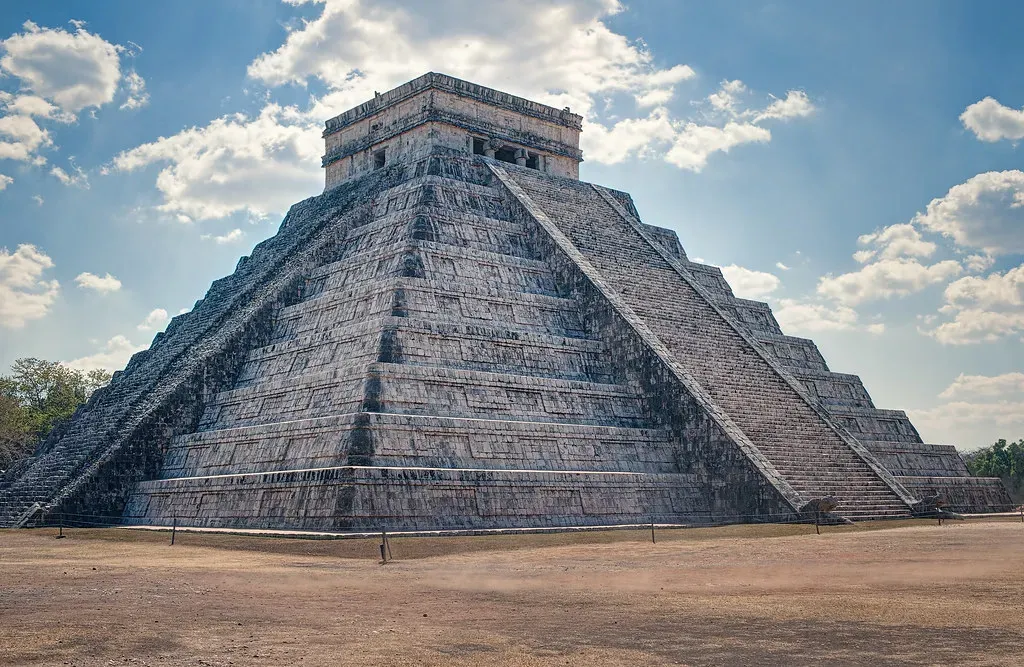
The ancient Maya didn’t just track time; they dissected it. Their calendars combined short cycles for daily life with massive, long‑count cycles that stretched over thousands of years, linked to celestial movements of the Sun, Moon, Venus, and other bodies. Using naked‑eye observations and careful records, they predicted eclipses and planetary motion with accuracy that catches astronomers off guard, especially given the dense jungles and lack of modern instruments.
Yet, many fundamental questions remain: how exactly did they organize and transmit generations of astronomical observations, and how widely was this knowledge understood beyond elite scribes and priests? Their mathematics used a sophisticated concept of zero long before much of the world embraced it, but we don’t fully know how they discovered and taught it. Standing at a Maya pyramid during a solstice event, when sunlight hits specific stones with jaw‑dropping precision, you can feel the weight of a science we only partially grasp, wrapped in ceremony and myth.
The Ancient Chinese: Lost Devices and Forgotten Experiments

Ancient China produced inventions that quietly shaped the entire world: paper, printing, gunpowder, the compass, advanced metallurgy, and intricate mechanical devices. Texts describe early seismoscopes capable of detecting distant earthquakes, complex gear systems, and astronomical instruments that tracked celestial motion with stunning care. Yet, many of these devices are only partially understood from written descriptions, with original prototypes lost to time, war, and political upheavals.
The Han and later dynasties developed detailed star catalogs and models of the cosmos, adjusting them as observations improved. But we still debate how much of this knowledge was tested experimentally, how widely it spread beyond specialist circles, and how many techniques faded between dynasties. Reading those old technical treatises is like opening a half‑burned instruction manual; you can sense the ingenuity, but you’re never quite sure you’re assembling the machine the way its creators intended.
The Olmec: Colossal Heads and Hidden Knowledge
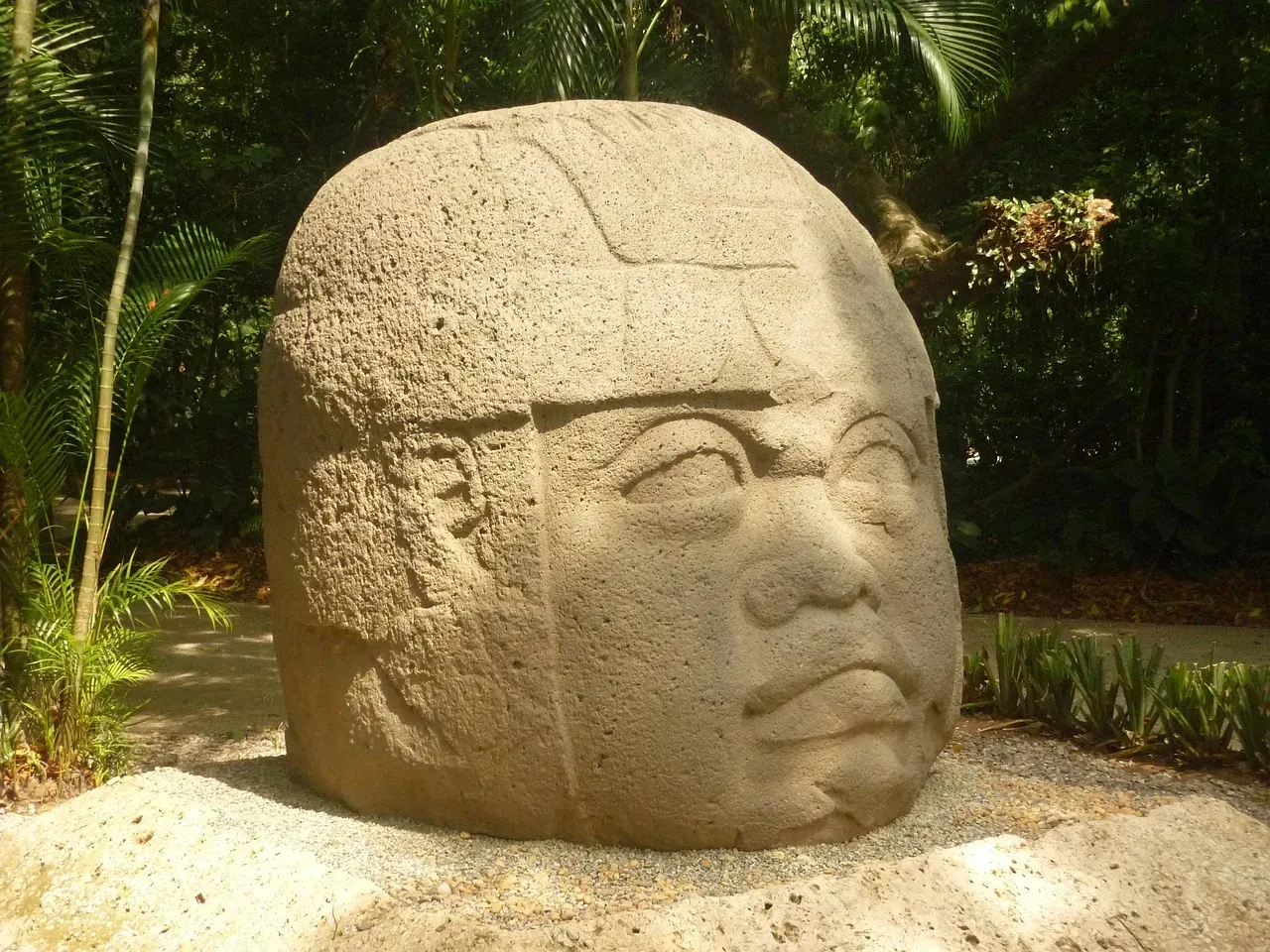
The Olmec civilization along the Gulf Coast of what is now Mexico is often called a “mother culture” of Mesoamerica, but it remains strangely shadowy. They carved colossal stone heads weighing many tons, with complex facial features and distinctive helmets, yet left behind no explanatory inscriptions we can read. We still argue about their political organization, religious beliefs, and how exactly they transported and carved those huge basalt blocks with the tools they had.
Archaeologists have found what may be one of the earliest writing systems in the region and hints of a calendar tradition, along with evidence of long‑distance trade in jade and other stones. But the context that would tie it all together is fragmentary at best. It feels as if we’re walking into a theater after the first half of the performance and trying to reconstruct the missing act from props lying backstage, aware that some vital intellectual thread is just out of reach.
The Nabataeans: Desert Engineers of Stone and Water

The Nabataeans, centered around Petra in modern Jordan, were masters at something that still amazes hydrologists and engineers: turning desert cliffs into functioning, water‑managed cities. They carved monumental facades directly into rock, but the truly mind‑bending part is the hidden web of channels, cisterns, dams, and reservoirs that captured seasonal rains and flash floods with remarkable efficiency. Without modern pumps or electricity, they effectively hacked one of the harshest landscapes on Earth.
Their precise understanding of local geology, microclimates, and water behavior remains only partly understood, since they didn’t leave behind technical treatises describing their methods. Modern engineers studying Petra still debate certain hydraulic choices and construction sequences. When you walk the narrow siq canyon and notice subtle carved grooves and tunnels, it hits you that someone mapped this hydrological puzzle in their head long before topographic drones or computer models existed.
The Andean Civilizations: High-Altitude Innovators Without the Wheel
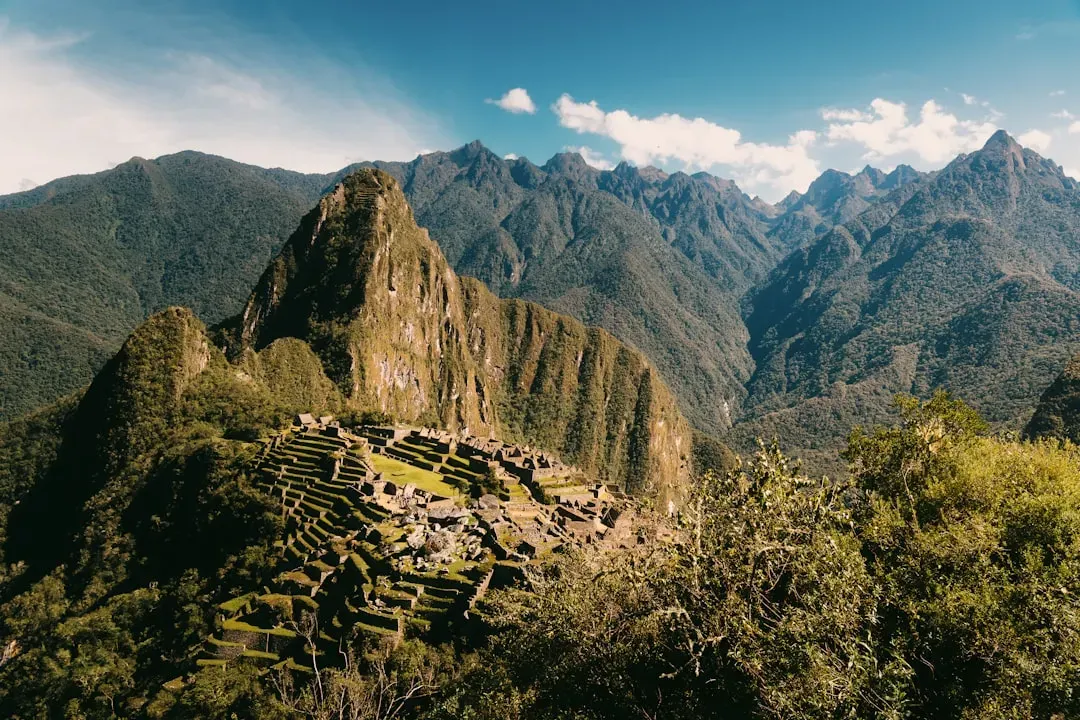
In the Andes, from the earlier cultures up through the Inca, people built road networks, terraced agriculture, and stone structures in brutal mountain conditions – often without using the wheel for transport or writing in the way we usually think of it. They developed complex systems of terrace farming that stabilized slopes, conserved water, and created microclimates ideal for diverse crops. To this day, agronomists study their fields to understand how they managed soils and water so well at such dizzying heights.
Then there are the khipu: knotted strings used for accounting, census data, and possibly more abstract information. Researchers are still trying to decode whether khipu encoded language or advanced statistical concepts, not just tallies. It’s as if an entire analytic system existed in braided fiber, and modern science is only beginning to suspect how dense and flexible that system might have been. Imagine if your spreadsheets were made of yarn – and then try to recover the formulas centuries later.
The Minoans: Maritime Power with an Unreadable Script
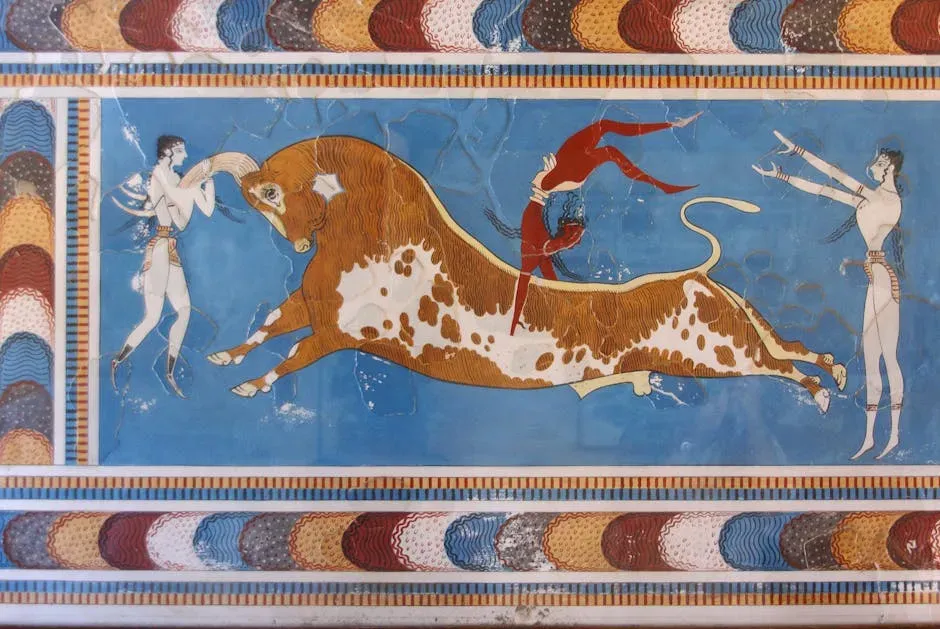
The Minoans on Crete built vibrant palatial centers like Knossos, with elaborate frescoes, advanced plumbing, and signs of complex administration and trade across the Mediterranean. Their art suggests a society deeply engaged with the sea, ritual, and maybe even early forms of scientific observation, especially in their possible use of symbols tied to cycles of nature. Yet their main script, known as Linear A, remains undeciphered, keeping a tight lid on their intellectual world.
We can see from Linear A and its later cousin Linear B that they had systems for recording transactions, likely involving numbers and perhaps religious or political terms. But without cracking the code, we can’t access their deeper ideas about the cosmos, health, or natural phenomena. It’s like watching a movie on mute with the subtitles scrambled – you get movement and setting, but the real plot is still locked away in lines of stubborn, elegant signs.
Göbekli Tepe: The People Before Cities
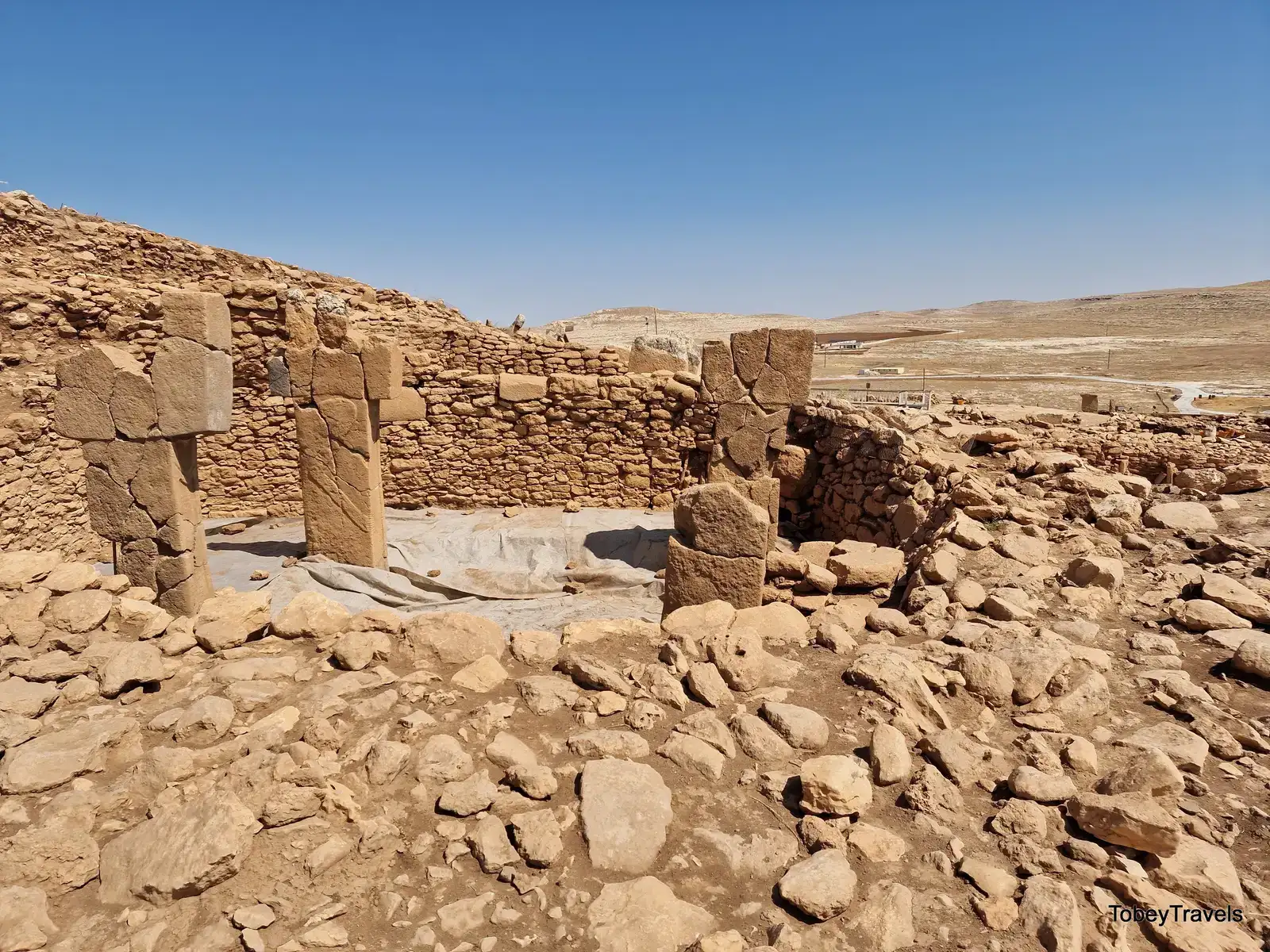
Göbekli Tepe, in modern‑day Turkey, blew up the timeline of civilization as we thought we knew it. Built by hunter‑gatherer communities over eleven thousand years ago, it features massive stone pillars arranged in circles, carved with animals and abstract symbols. The prevailing assumption used to be that agriculture and settled life came first, then big monumental architecture later; Göbekli Tepe flips that order on its head, suggesting people were gathering in large, organized ritual spaces long before full‑on farming societies.
What’s mystifying is the level of social coordination and symbolic thought required to design, carve, transport, and erect these stones without the tools or structures we associate with complex states. There’s no clear evidence of writing, yet the carvings feel like a visual language that we haven’t learned to read. It raises unsettling questions about what kinds of knowledge – architectural, astronomical, religious – might have flourished in societies we still casually label “pre‑civilized,” and how much of that vanished without leaving more conventional records.
Conclusion: How Much Human Knowledge Have We Really Lost?
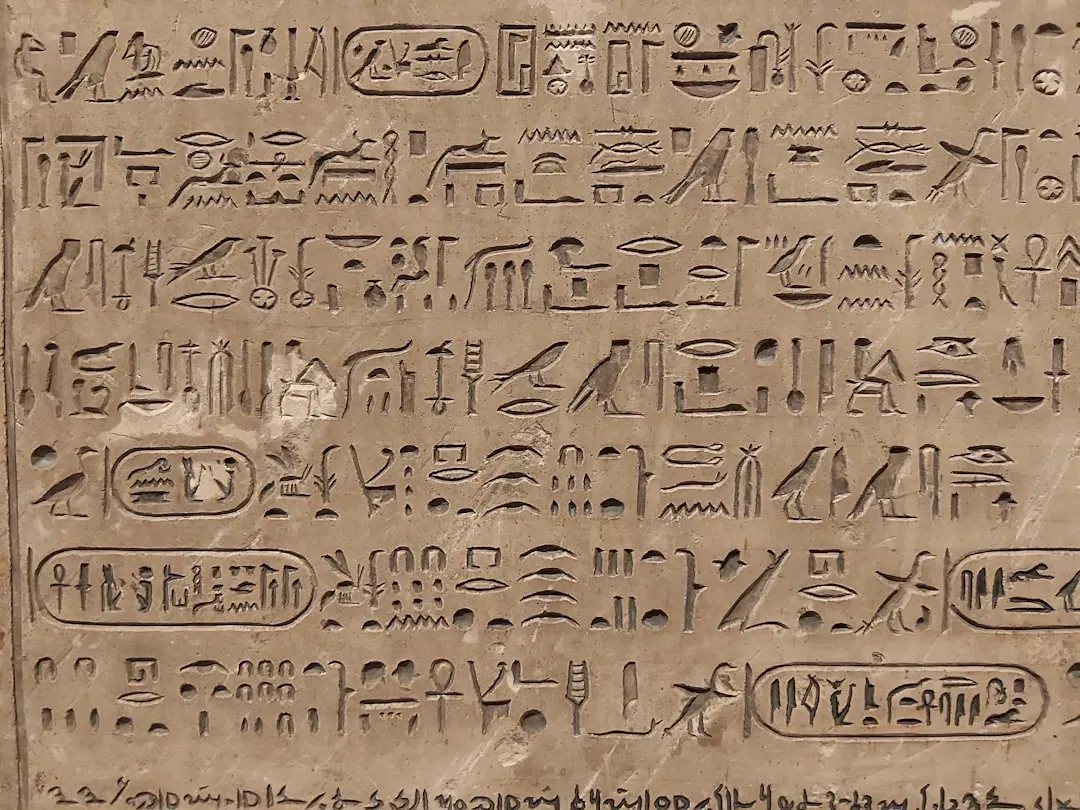
Looking across these civilizations, a pattern emerges: it’s not just that they were smart, it’s that they were smart in ways that don’t map neatly onto our modern boxes. Architecture doubled as cosmology, accounting blurred into astronomy, and ritual carried practical engineering knowledge. When writing fails us – because it’s missing, undeciphered, or incomplete – we suddenly realize how dependent we are on fragile records to make sense of an entire way of thinking.
What lingers is a quiet, unsettling realization: the human mind has been operating at full power for far longer than our history books make it seem, and we’re walking on top of layers of forgotten problem‑solving and insight. If this much can vanish and still leave traces that humble our best tools, how much more has disappeared without a single stone or symbol left behind?