
Have you ever wondered what it feels like to walk through streets where history literally breathes from every stone? There are places on this planet where the past refuses to fade away, where civilizations that thrived thousands of years ago left behind monuments so powerful they still stand today. These aren’t dusty museum exhibits behind velvet ropes. They’re living, breathing testaments to human ambition, ingenuity, and resilience.
From desert fortresses carved into rose-colored cliffs to mountaintop citadels nestled in clouds, these ancient cities offer something far more valuable than a photo opportunity. They reveal secrets about how our ancestors lived, what they believed, and why certain places became centers of power that shaped entire continents. Let’s be real, nothing compares to standing in a spot where emperors walked, traders haggled, and entire empires rose and fell.
Petra: The Rose City Hidden in Jordanian Rock
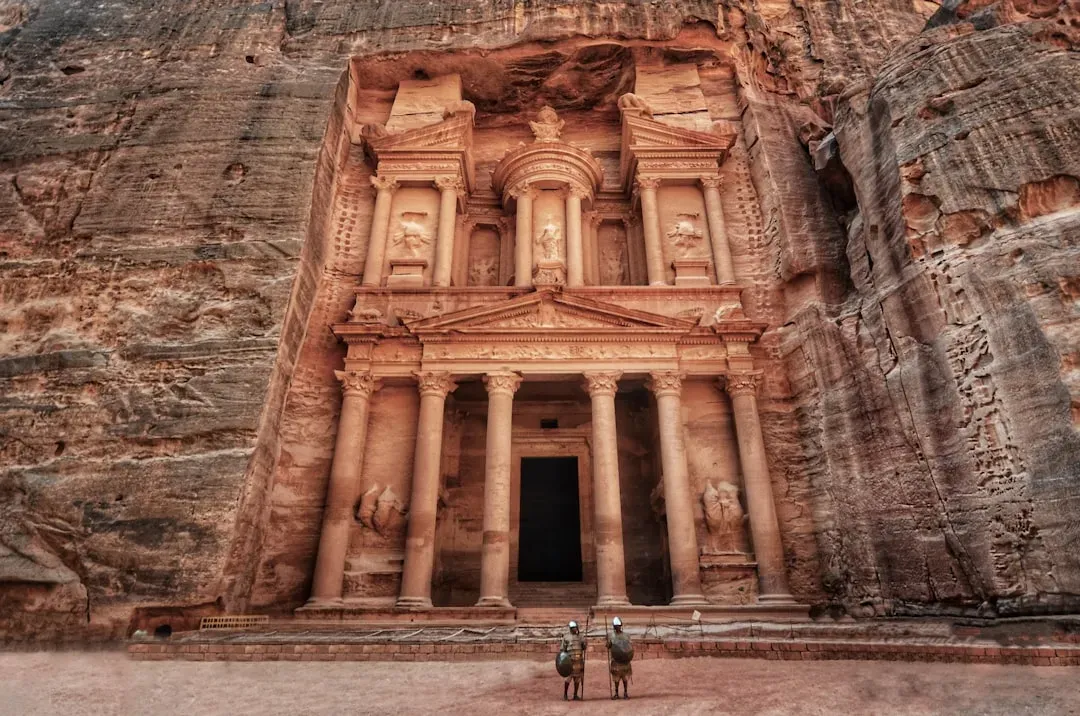
Petra, originally known as Raqmu, is an ancient city carved into the rose-colored sandstone cliffs of southern Jordan and is now designated as one of the New 7 Wonders of the World and a UNESCO World Heritage Site. The area around Petra has been inhabited from as early as 7000 BC, and the Nabataeans, a nomadic Arab people, settled there in the 4th century BC. What makes this place absolutely mind-blowing is how the Nabataeans literally chiseled an entire city from solid rock.
The city flourished as a vital trading hub during the Hellenistic and Roman periods, serving as a bustling crossroads where caravans converged, laden with precious cargoes like incense from Arabia, silks from China, and spices from India. As traders, the Nabataeans served as middlemen between producers in southern Arabia, Africa and India, and Greek and Roman consumers, with their camel caravans transporting commodities such as frankincense, spices and silk, amassing wealth through taxes including a levy of 25 percent on imports. The wealth flowing through Petra made it possible to construct the magnificent structures you see today. Think about that for a second: they controlled trade routes so strategically that they became filthy rich in the middle of a desert.
Pompeii: A Roman City Frozen in Time
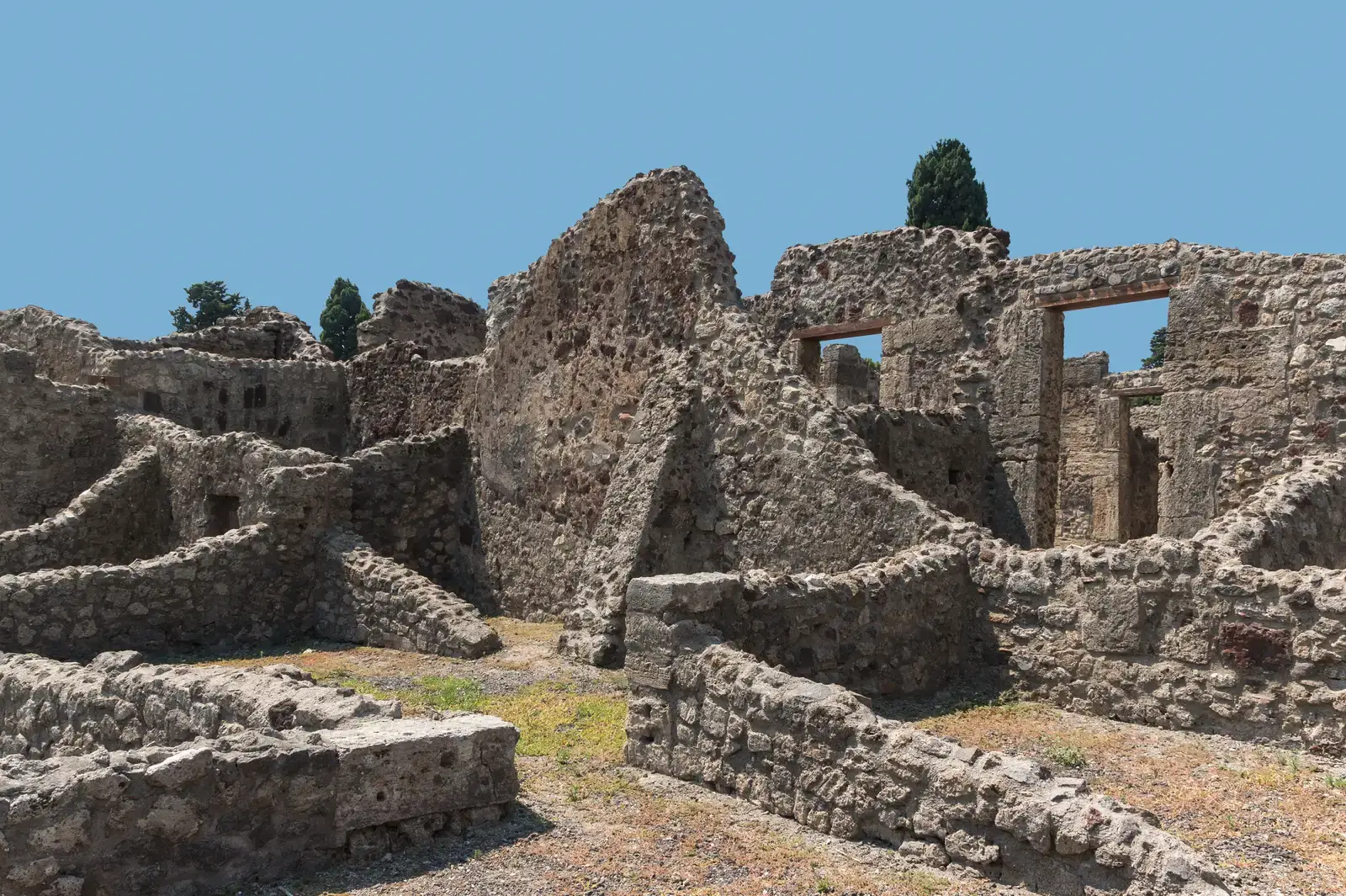
Pompeii is a UNESCO World Heritage Site, owing to its status as “the only archaeological site in the world that provides a complete picture of an ancient Roman city,” and attracts approximately 2.5 million visitors annually. Here’s the thing about Pompeii: it’s not just ruins. It’s a snapshot of everyday Roman life preserved beneath volcanic ash for nearly two thousand years.
The impressive remains of the towns of Pompeii and Herculaneum and their associated villas, destroyed yet preserved by Mount Vesuvius, provide a complete and vivid picture of society and daily life at a specific moment in the past that is unparalleled elsewhere. You can walk down streets where cart wheels left grooves in the stone. You can see bakeries, thermopolia, and even graffiti on walls. Recent excavations continue to reveal stunning discoveries. In 2021, archeologists uncovered the remains of a thermopolium, the ancient Roman equivalent of a snack bar, with animal remains including pig, duck, goat, and fish bones giving an impression of the dishes they served. It’s honestly wild to think about ancient Romans grabbing takeout just like we do today.
Archaeologists have unearthed evidence that Pompeii was reoccupied for centuries following the 79 CE disaster, with stratigraphic excavation uncovering extensive evidence of life after the eruption that earlier excavations often removed.
Machu Picchu: The Inca Citadel Above the Clouds
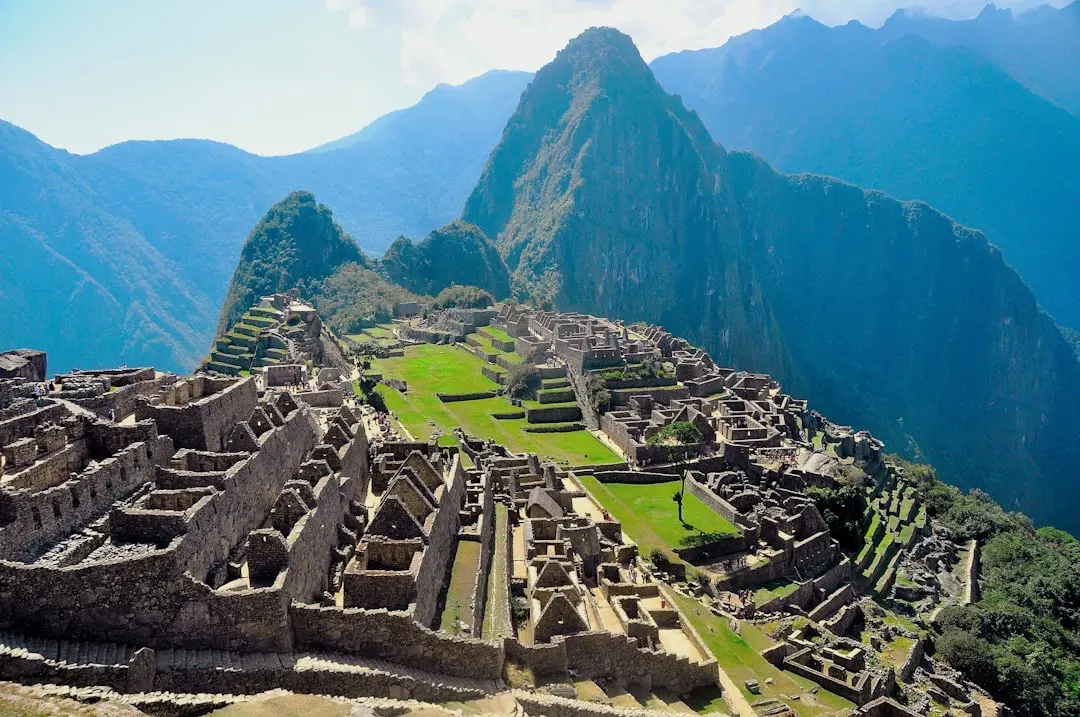
Perched high in the Peruvian Andes, Machu Picchu remains one of archaeology’s most romantic mysteries. Built around 1450, it’s believed to have served as an estate for the Inca emperor Pachacuti, and the site was abandoned roughly a century later, likely during the Spanish conquest. The Spanish never actually found it, which is probably why it survived in such remarkable condition.
Machu Picchu stands as a testament to the power and ingenuity of the Inca empire, built without the use of mortar, metal tools, or the wheel. Let that sink in. No wheels, no metal tools, yet they constructed a city on a mountaintop that has survived earthquakes for six centuries. According to geologist Rualdo Menegat, the site may have been intentionally built on fault lines to provide natural drainage and a source of fractured stone for construction, showing that “the Incan civilization was an empire of fractured rocks.”
At its height, experts estimate that approximately 750 people lived there, including nobles, guests, and servants, with scientists analyzing skeletal remains determining that many inhabitants lacked chemical markers common to the Sacred Valley, indicating much of Machu Picchu’s population was made up of immigrants. The reasons for its abandonment remain mysterious, with theories ranging from European diseases to resource depletion.
Angkor Wat: Cambodia’s Temple Mountain
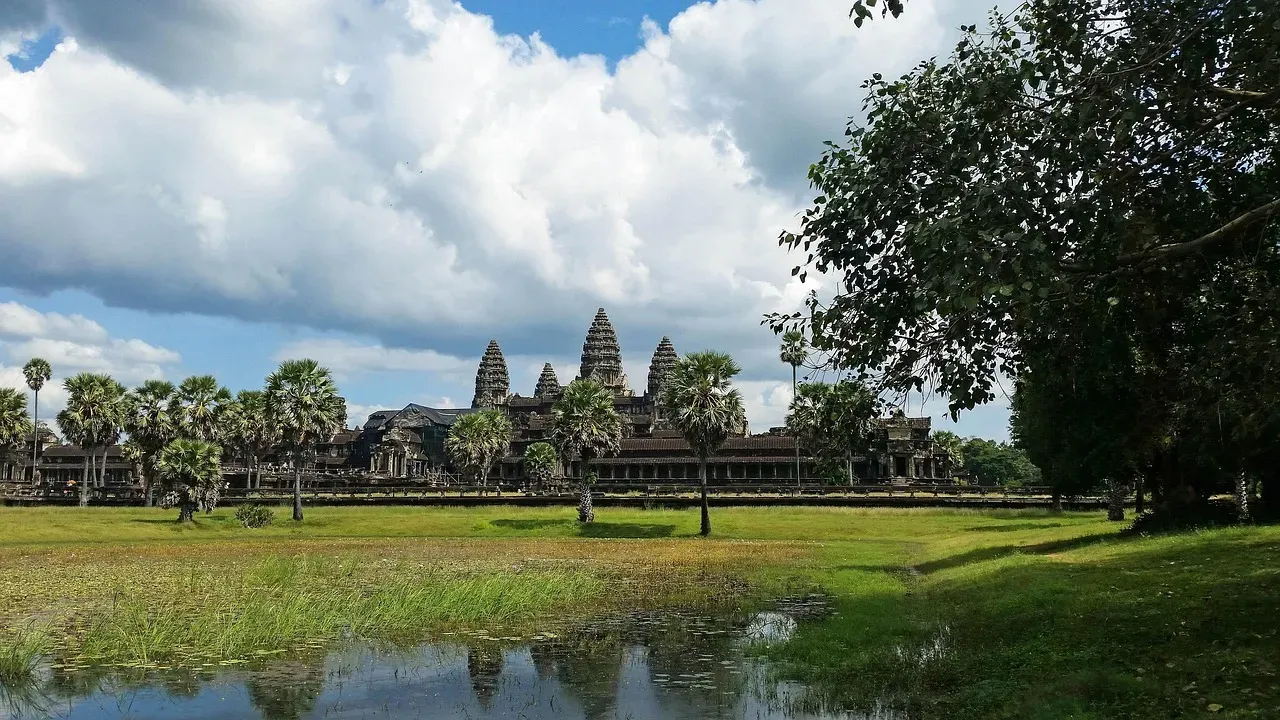
Angkor Wat is a Theravada Buddhist temple complex and the largest religious complex in the world, located on a site measuring 162.6 hectares within the ancient capital of Angkor, constructed between 1113 and 1150 CE during the reign of Khmer king Suryavarman II. If you think one temple is impressive, remember that Angkor actually refers to hundreds of temples spread across roughly 400 square kilometers.
The vast complex comprises more than a thousand buildings, marking the high point of Khmer architecture, and is the world’s largest religious structure, covering some 400 acres. What’s truly remarkable is how the Khmer engineered this massive complex without modern technology. Angkor is as much about water as it is about stone, boasting an enormous system of artificial canals, dikes, and reservoirs, the largest of which is 5 miles long and 1.5 miles wide.
From the late 13th century onward, the complex continued to be a Buddhist temple and has remained an active center of Buddhist worship for centuries, a factor that contributed to its preservation. Unlike many ancient sites that were abandoned and forgotten, Angkor Wat never stopped being sacred to the people living nearby.
Luxor: Ancient Egypt’s Theban Splendor
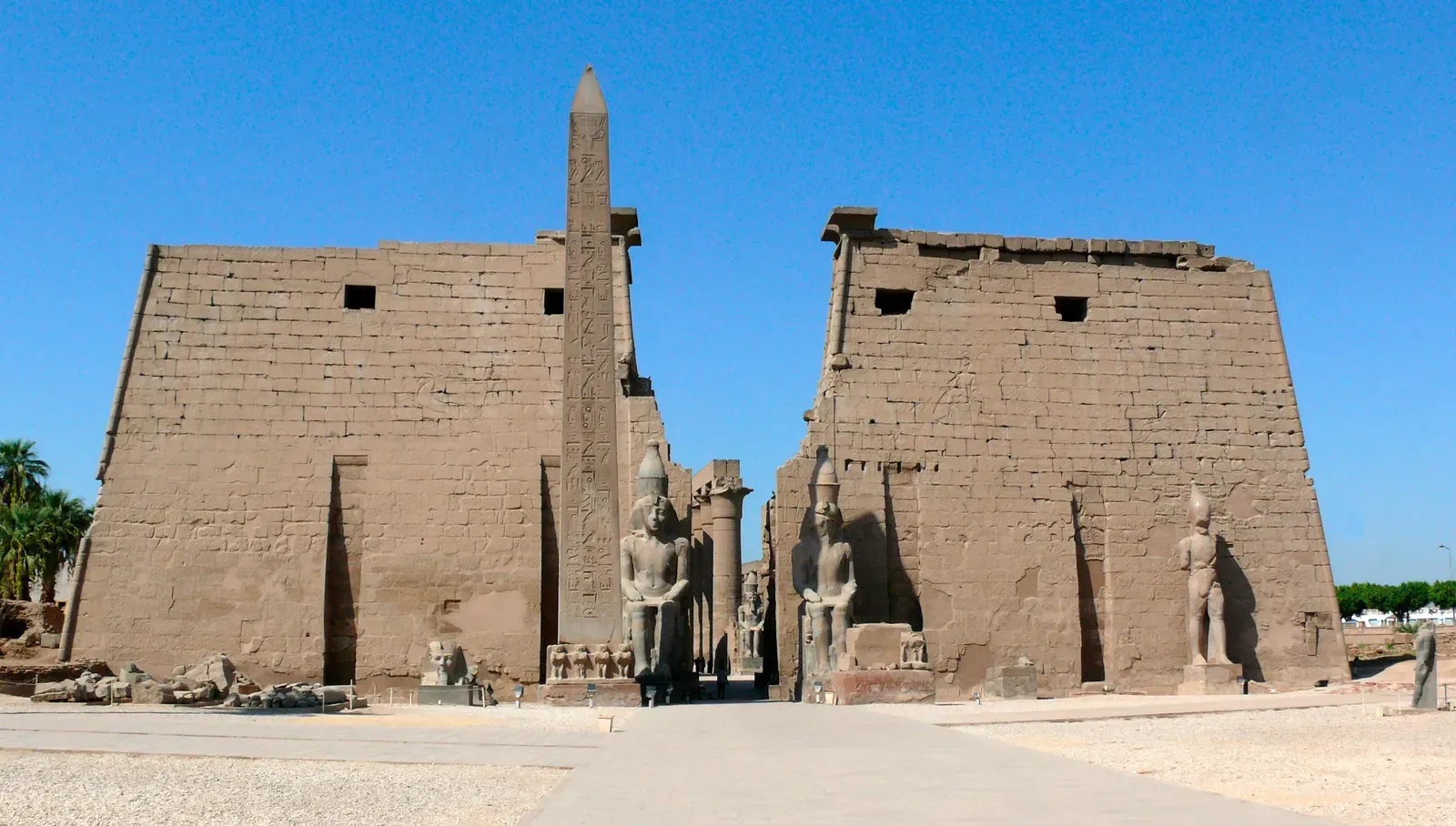
Luxor sits on the site of the ancient city of Thebes, which was the capital of Egypt during the New Kingdom, established around 3200 BCE as a small trading post that eventually became the center and one of the wealthiest cities of the Egyptian Empire during its peak. Walking through Luxor feels like entering a time machine that drops you directly into pharaonic grandeur.
Many ancient structures and ruins still exist in Luxor today, including the Karnak and Luxor temples, several monuments and statues, and the Theban Necropolis, which includes the Valley of the Kings and the Valley of the Queens. Here’s what blows my mind: these aren’t small village ruins. We’re talking about massive temple complexes with columns that tower overhead, halls large enough to fit entire cathedrals, and walls covered in hieroglyphics telling stories from over three millennia ago.
These are some of the most famous archaeological sites in the world, and they’re all in what was once ancient Thebes, the capital of Egypt during the late Middle Kingdom and throughout most of the New Kingdom from 1550 to 1070 BCE. After Luxor was sacked by the Assyrians in the 7th century BCE, the city slid into decline and much of the world had forgotten about the city until Napoleon Bonaparte arrived in the 18th century.
Damascus: The World’s Oldest Continuously Inhabited Capital
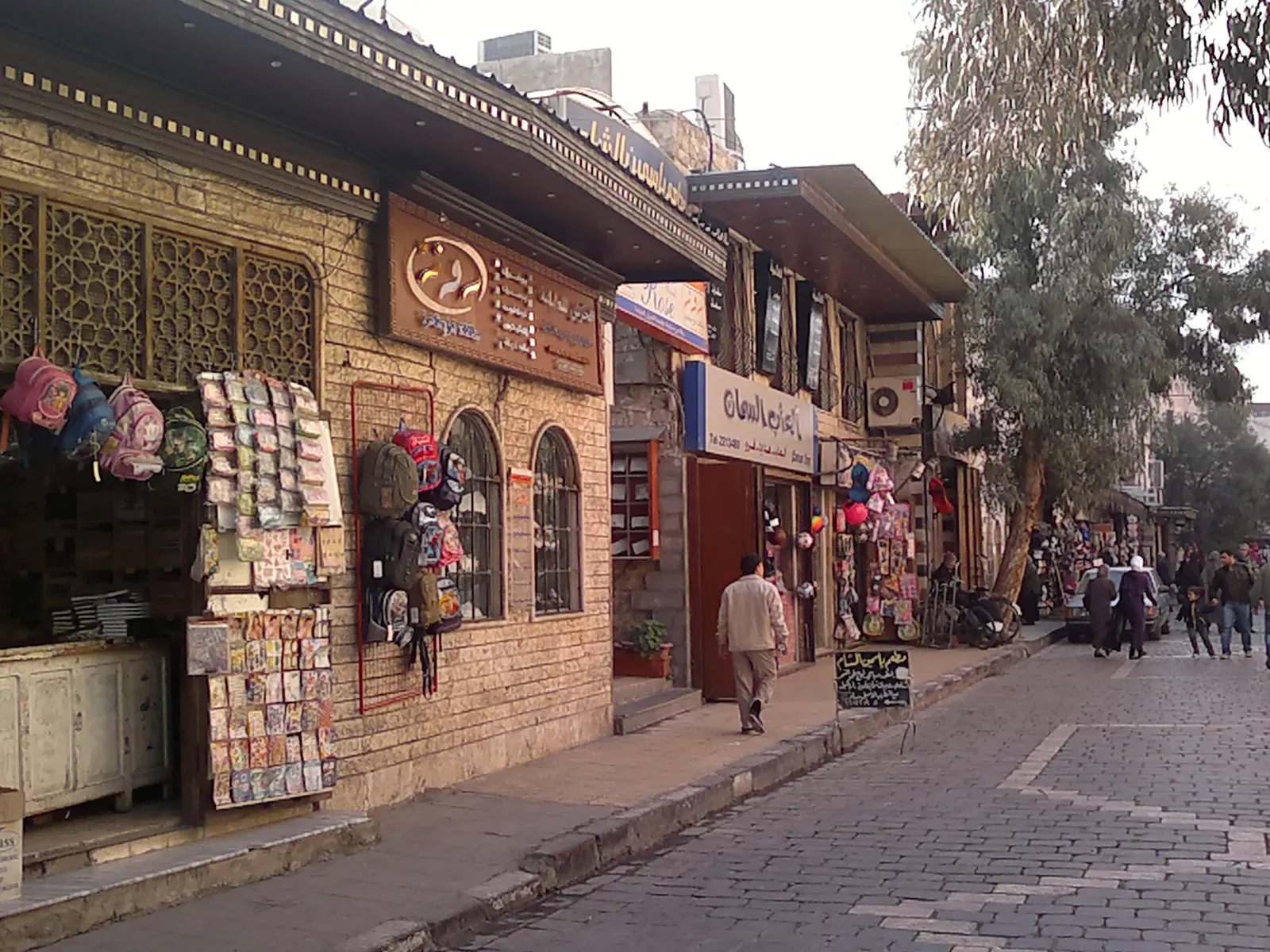
UNESCO recognizes the Ancient City of Damascus as a World Heritage Site, acknowledging an urban core that has been continuously inhabited for nearly 10,000 years and still functions as the city’s daily map. That’s not a typo. People have been living in Damascus for ten thousand years. Let’s be real, that kind of continuity is almost impossible to comprehend.
Damascus is an important cultural and commercial center in the Middle East, with archaeologists mostly agreeing that the first settlement within the area of the city walls dates back to at least the 3rd millennium BCE. The city has witnessed empires rise and fall, religions emerge and spread, and countless generations live out their lives on the same streets.
Narrow lanes direct foot traffic past doorways, inner courtyards, and small storefronts, with the street plan still shaping how people shop, visit, and get home, though the city is not preserved in a glass case, with parts of the old city seeing population declines in recent years as residents move toward newer housing. Damascus reveals how cities evolve while maintaining their ancient essence.
Jericho: Where Urban Life Began
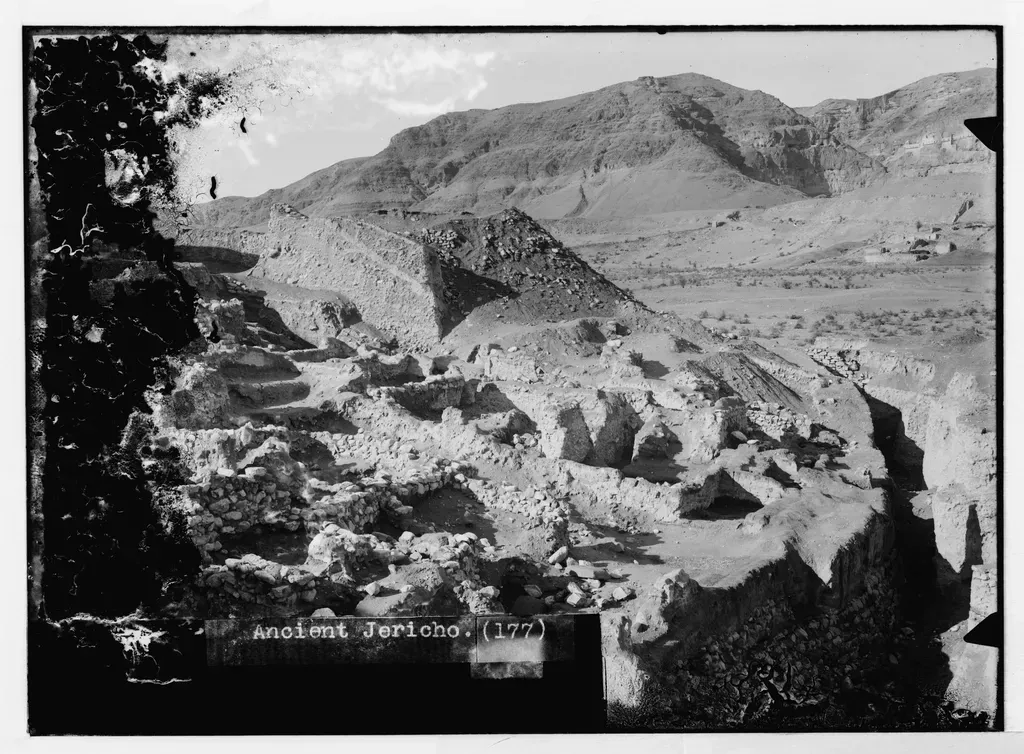
Jericho makes other ancient cities look like newcomers, with evidence showing people living in this oasis near the Dead Sea 11,000 years ago, back when most humans were still hunting and gathering, where they built the world’s first known protective wall around 8000 BC. Think about that. This city predates the pyramids by thousands of years.
The secret to Jericho’s longevity was a reliable spring in an otherwise dry landscape, with the “city of palms” sitting 258 meters below sea level, creating a warm microclimate where bananas and oranges thrive. Water made the difference between survival and extinction in the ancient world. Jericho’s spring transformed a patch of desert into humanity’s first urban experiment.
Jericho is one of the world’s oldest continuously inhabited cities, nestled in the Jordan Valley, where the Tell es-Sultan archaeological site offers a peek into early human settlements, with a scenic cable car ride to the Mount of Temptation promising panoramic views and a touch of spirituality. The city reveals our very first attempts at organized urban living.
Plovdiv: Europe’s Oldest Continuously Inhabited City
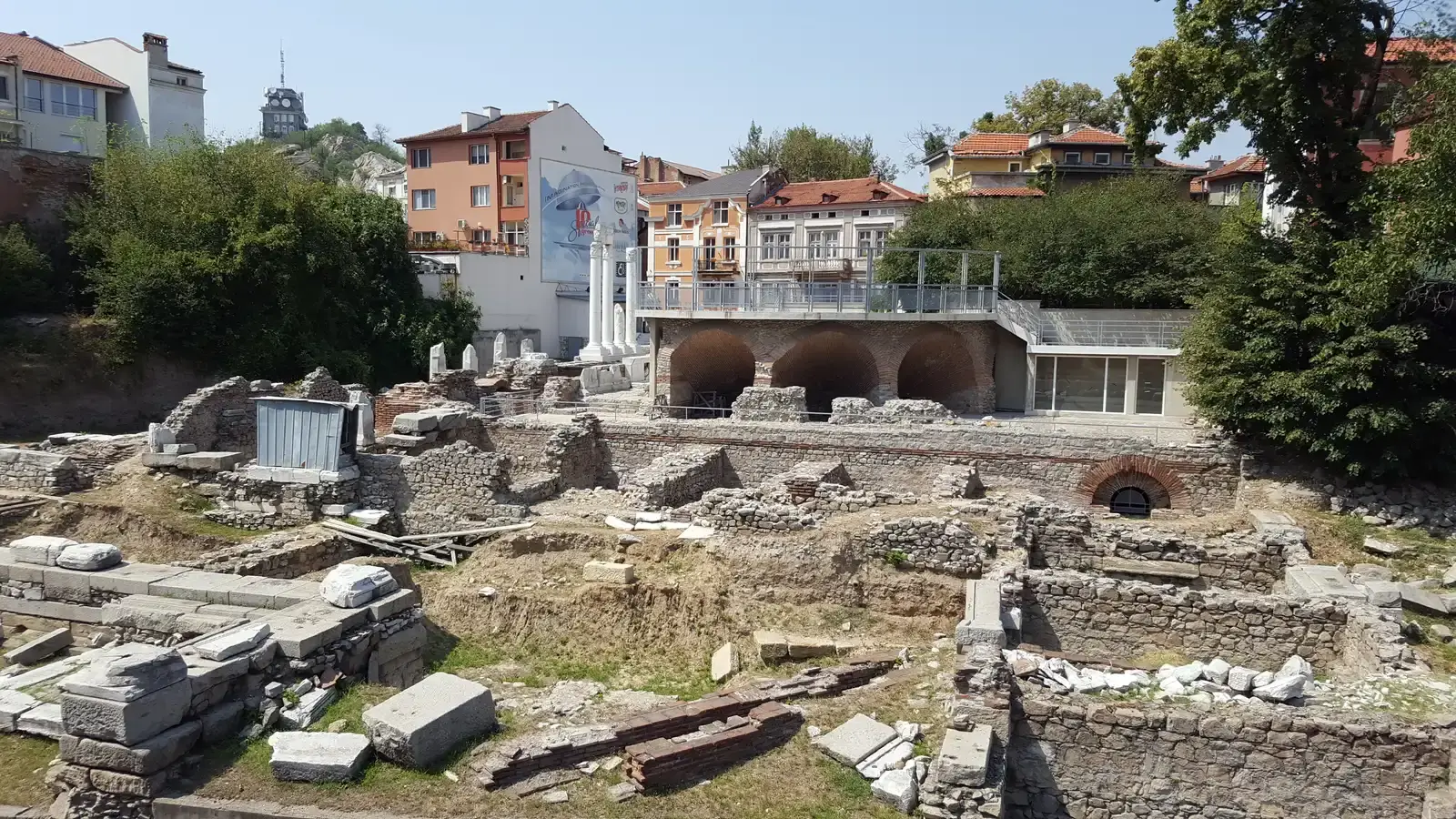
Plovdiv, often cited as one of the oldest cities in Europe, was first settled during the Neolithic era around 6000 BCE. Plovdiv has been conquered more times than most cities have had mayors, with Thracians, Macedonians, Romans, Byzantines, and Ottomans all wanting this strategic spot, each leaving their mark, creating a city where you can literally walk upstairs from Roman ruins into a 19th-century merchant’s house.
The well-preserved Roman amphitheater still hosts concerts with incredible acoustics and sunset views. Imagine attending a modern concert in a venue built two thousand years ago. Under Roman rule, Plovdiv was known as Trimontium and grew into a major provincial center built for public life with forums, theatres, and paved streets, with that ancient infrastructure still shaping what you can see and where people naturally gather.
The city has a quirky artistic vibe, with galleries and cafes tucked into buildings older than most countries, finally receiving recognition as Europe’s 2019 Capital of Culture after 6,000 years of being overshadowed by flashier ancient cities.
Byblos: Where the Alphabet Was Born
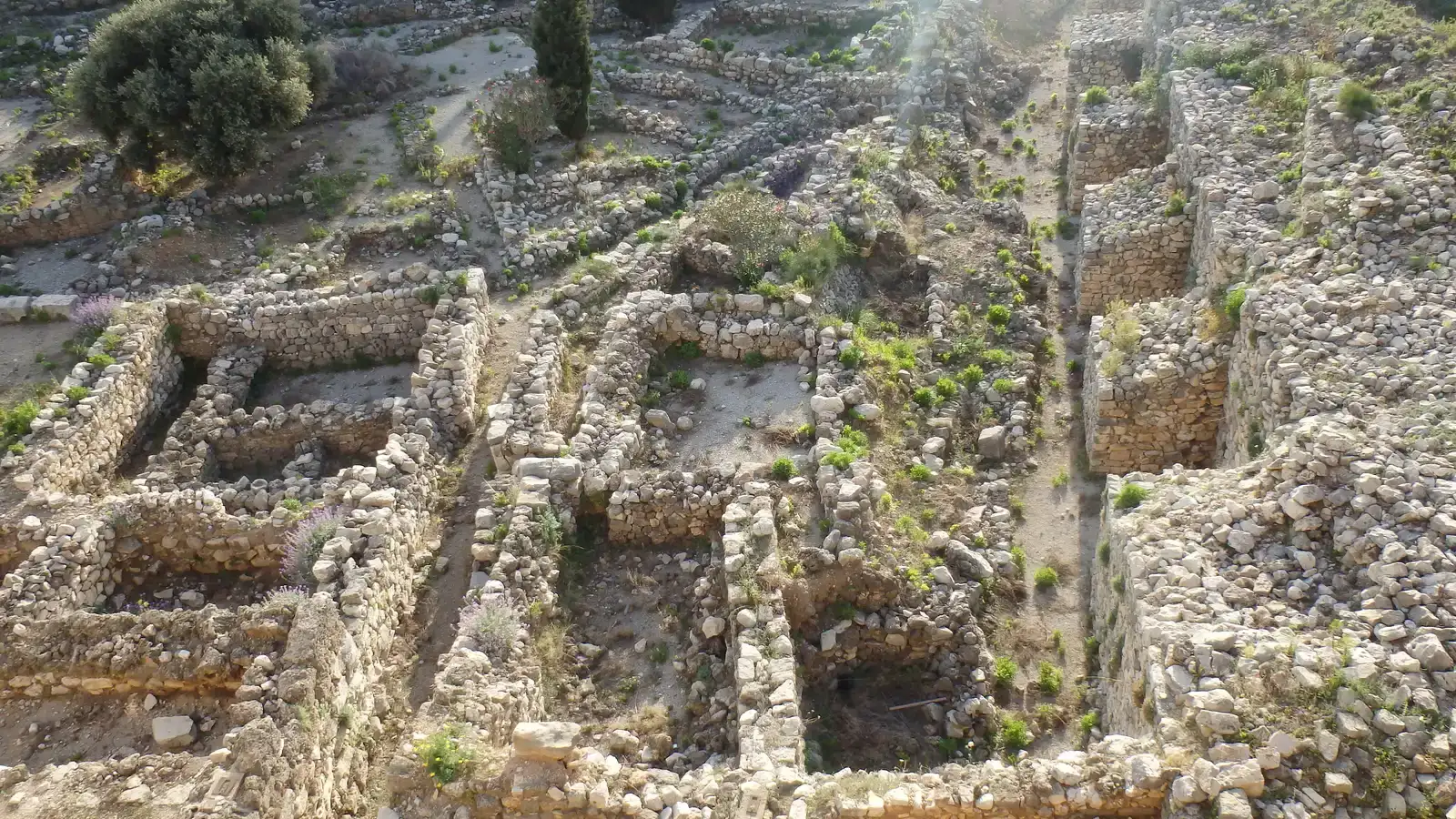
Byblos is one of the oldest continuously inhabited cities in the world, founded around 5000 BCE, witnessing the rise and fall of empires from the Phoenicians to the Romans and beyond. Here’s the kicker: this city gave the world something more valuable than gold or spices. This was the city that gave the world the alphabet, where the Phoenicians developed early writing systems that influenced Greek and Latin scripts.
Byblos was particularly important for the trade of papyrus from Egypt, with the Greek word “biblion” for book derived from this economic sector, making Byblos considered one of the places where early forms of writing culture played an important role. Without Byblos, you wouldn’t be reading these words right now.
Strolling through the Byblos Archaeological Site, you’ll see remnants of civilizations stacked upon one another: Neolithic dwellings, Phoenician temples, a Roman amphitheater, and a Crusader-era castle that still stands watch over the Mediterranean. The layers of history here are stacked like a cake where each slice represents a different millennium.
Jerusalem: The City Sacred to Three Faiths
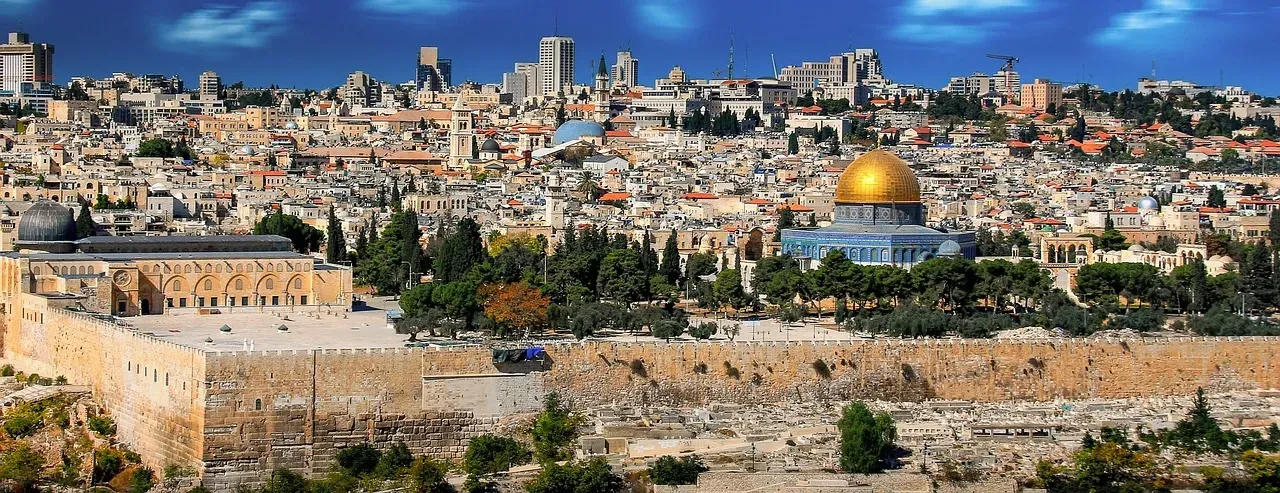
Jerusalem is a strategically located ancient city that has been heatedly fought over by various civilizations, with ongoing conflicts today as both Israel and Palestine claim it as their capital, and the ancient city is also a major religious site important to three major religions: Judaism, Islam, and Christianity. No other city on earth carries this much spiritual weight.
Archaeological evidence shows that Jerusalem has been inhabited since at least the 4th millennium BCE, with the earliest known permanent settlement dating back to the early Bronze Age, between 3000 and 2800 BCE. Due to its long history and significance, it is estimated that Jerusalem has been destroyed at least twice, besieged 23 times, captured and recaptured 44 times, and attacked 52 times.
The Old City, a UNESCO World Heritage Site, is divided into distinct quarters representing Judaism, Christianity, and Islam, with the Western Wall reflecting deep-rooted traditions of prayer, the Church of the Holy Sepulchre marking a pivotal site in Christian history, and the Dome of the Rock with its iconic golden dome standing out as a striking example of Islamic architecture. Walking through Jerusalem is like stepping into the pages of history’s most influential religious texts.
Conclusion: Walking Through Time
These ten ancient cities aren’t just tourist destinations or archaeological curiosities. They’re profound reminders of human ambition and creativity stretching back thousands of years. Each reveals something different: Petra shows us mastery over harsh environments, Pompeii offers an unfiltered glimpse into daily Roman life, Machu Picchu demonstrates engineering genius without modern tools, and Jerusalem embodies the power of faith to shape civilizations.
What strikes me most is how these places connect us to people who lived millennia ago. They worried about water supplies, built homes, created art, practiced their faiths, and believed their civilizations would last forever. Some did, some didn’t. Yet their legacy endures in stone and spirit.
Standing in these ancient spaces, you realize something profound: we’re not so different from those who came before us. We build, we dream, we create, and we hope our achievements outlast our brief time on earth. These cities prove that sometimes, if you build it well enough and it means enough to people, it truly will stand the test of time. What ancient city would you visit first?