While most people only hear about CRISPR breakthroughs from a handful of well-known institutions, the revolutionary gene-editing technology is quietly being advanced at universities across America. These research powerhouses are pushing the boundaries of what’s possible with genetic engineering, often away from the spotlight of major science headlines. From developing new delivery methods that could make treatments cheaper and more accessible, to pioneering precision edits that target specific diseases, these institutions are writing the future of medicine one DNA sequence at a time.
UC Berkeley: Where CRISPR Started Its American Journey

UC Berkeley stands as the birthplace of CRISPR’s most transformative applications, home to Nobel Prize winner Jennifer Doudna who received both the 2020 Nobel Prize in Chemistry and the National Medal of Technology and Innovation from President Biden for pioneering CRISPR gene editing. The university’s College of Chemistry has been at the forefront of CRISPR development for over a decade, housing the Innovative Genomics Institute where groundbreaking research continues daily. What makes Berkeley unique isn’t just its historical significance, but its ongoing commitment to making CRISPR more accessible and equitable. Doudna’s current research focuses on creating nanoparticle delivery systems that could relatively simply and cheaply deliver CRISPR-based gene editors to target cells in various tissues. Think of it like developing a more precise postal service for genetic medicine – instead of performing complex surgeries in specialized labs, future treatments might be as simple as an injection. Their laboratory’s latest endeavors aim to make CRISPR-based therapies cheaper to manufacture, easier to deliver into the body, and more effective at lower doses.
MIT and Harvard’s Broad Institute: The Powerhouse Partnership

MIT and Harvard’s Broad Institute: The Powerhouse Partnership (image credits: wikimedia)
The collaboration between MIT and Harvard through the Broad Institute represents one of the most influential CRISPR research centers in the world. MIT professor Feng Zhang, a core institute member of the Broad Institute and investigator at the McGovern Institute for Brain Research, holds joint appointments in Brain and Cognitive Sciences and Biological Engineering. This partnership has produced some of CRISPR’s most significant clinical successes. In 2023, the first Cas9-based therapeutic, which is based on a design Zhang developed in 2015, was approved for clinical use to treat sickle cell disease. The Broad Institute’s approach is like having a Formula 1 racing team for genetics – they’re not just doing research, they’re engineering the tools that other scientists around the world use. Their prime editing technology implements a search-and-replace tactic that is capable of directly editing human cells in a precise, efficient, and highly versatile fashion, allowing scientists to create all possible types of point mutations, insertions, and deletions. What’s remarkable is how they’ve managed to maintain their edge even in patent disputes, consistently proving the validity of their innovations.
Stanford University: Engineering the Future of Gene Editing
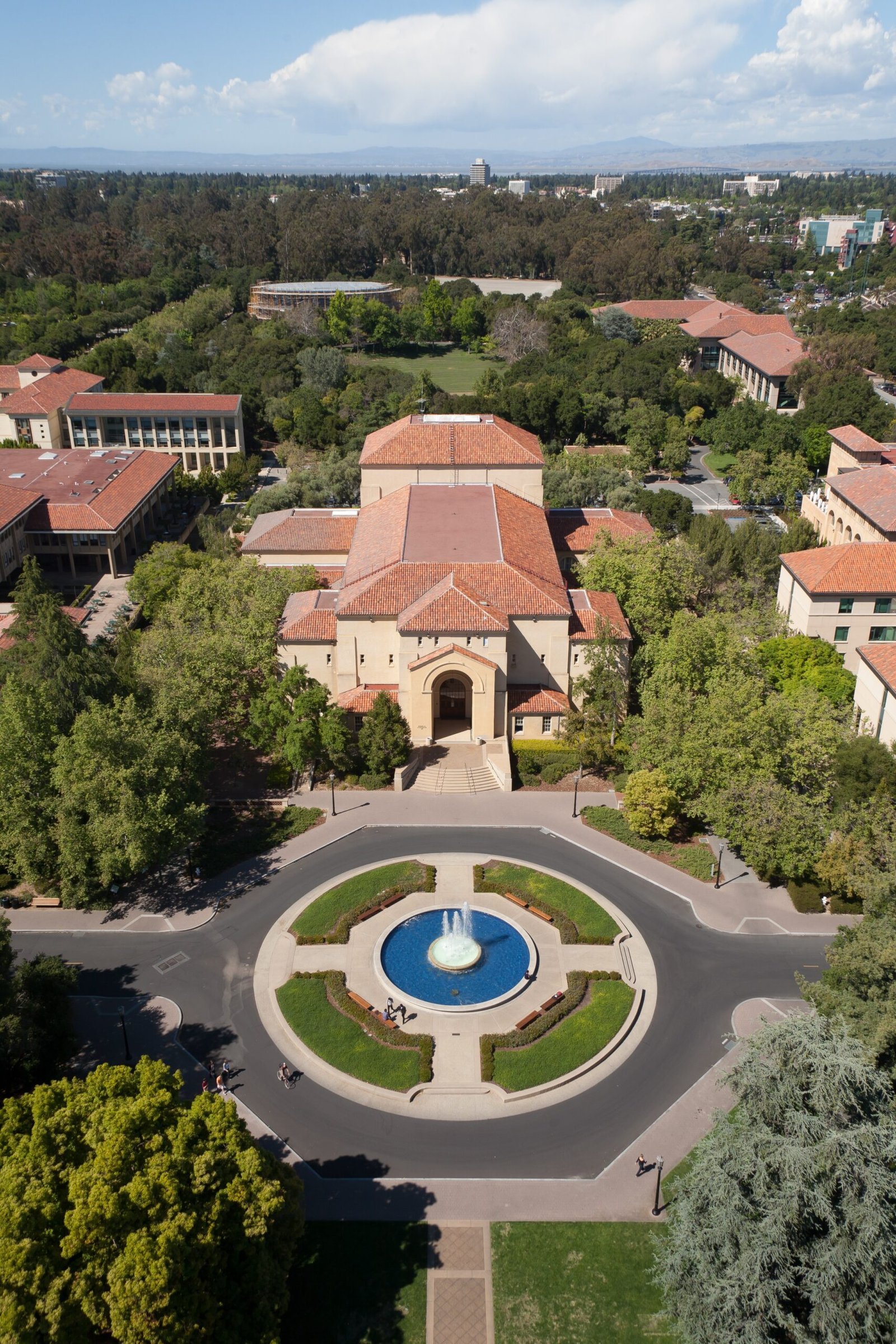
Stanford’s approach to CRISPR research is captured by associate professor Stanley Qi’s philosophy: “CRISPR is not merely a tool for research. It’s becoming a discipline, a driving force, and a promise that solves long-standing challenges from basic science, engineering, medicine, and the environment”. The university has made significant strides in both traditional gene editing and emerging epigenome editing technologies. Stanford researchers developed “CasMINI,” a hypercompact CRISPR system with only 529 amino acids compared to the typical 1000-1500 amino acids of other systems, which was confirmed to delete, activate, and edit genetic code just like its larger counterparts. This is like creating a Swiss Army knife version of CRISPR – smaller, more portable, but just as effective. The smaller size means it should be easier to deliver into human cells and the human body, making it a potential tool for treating diverse ailments, including eye diseases. Stanford’s focus on miniaturization could revolutionize how gene therapies are delivered, making them accessible to patients who currently can’t receive treatment due to delivery limitations.
University of Pennsylvania: Personalizing CRISPR Medicine

The University of Pennsylvania has achieved something that sounds like science fiction – creating personalized CRISPR therapies tailored to individual patients. In a historic medical breakthrough, a child diagnosed with severe carbamoyl phosphate synthetase 1 (CPS1) deficiency was successfully treated with a customized CRISPR gene editing therapy by a team at Children’s Hospital of Philadelphia and Penn Medicine. This represents a fundamental shift from the “one-size-fits-all” approach to truly personalized medicine. Within six months, their team designed and manufactured a base editing therapy delivered via lipid nanoparticles to the liver in order to correct the child’s faulty enzyme. It’s like having a tailor who can custom-make genetic treatments instead of buying off-the-rack solutions. This landmark finding could provide a pathway for gene editing technology to be successfully adapted to treat individuals with rare diseases for whom no medical treatments are available. Penn’s work proves that CRISPR can move beyond common diseases to help patients who have been left behind by traditional medicine.
Johns Hopkins University: Structural Mastery and Clinical Innovation

Johns Hopkins approaches CRISPR research with the precision of master craftsmen, focusing on understanding exactly how these molecular machines work at the structural level. The Bailey lab studies the structure and mechanistic aspects of how CRISPR works, with a particular interest in how they identify and destroy their targets, using a variety of techniques to determine the structure of CRISPR molecules. This isn’t just academic curiosity – understanding structure leads to better function. Joel Pomerantz, an associate professor of biological chemistry, was one of the early adopters of CRISPR at Johns Hopkins, using the technique in 2013 to create a desired amino acid substitution in a protein discovered to play a role in the immune system. Johns Hopkins has also pioneered novel approaches to challenging diseases. Researchers from Johns Hopkins and University of California San Diego developed a novel CRISPR-Cas13d therapy for Huntington’s disease, using an approach to deplete mutant HTT transcripts using CRISPR-Cas13d, which targets and cuts RNA. This is like having a precision demolition team that can remove harmful components without damaging the surrounding structure.
Columbia University: RNA Revolution and Artificial Intelligence Integration

Columbia University has positioned itself at the cutting edge of CRISPR’s next frontier – RNA editing and artificial intelligence integration. Columbia’s Department of Biochemistry and Molecular Biophysics houses Sam Sternberg, a Sloan Research Fellow in Chemistry and Pew Scholar in the Biomedical Sciences who started his independent career in 2018. The university is pioneering the integration of CRISPR with AI technologies. A study by researchers at New York University, Columbia University, and the New York Genome Center combines a deep learning model with CRISPR screens to control the expression of human genes in different ways—such as flicking a light switch to shut them off completely or by using a dimmer knob to partially turn down their activity. Think of this as giving CRISPR a brain – instead of just cutting DNA, the system can now make intelligent decisions about how much to edit. Their TIGER system was able to predict both on-target and off-target activity, outperforming previous models and providing the first tool for predicting off-target activity of RNA-targeting CRISPRs. Columbia’s approach represents the marriage of artificial intelligence and genetic engineering, potentially making CRISPR treatments safer and more predictable.
New York University: Mapping the Dark Matter of the Genome

NYU has taken on one of biology’s greatest mysteries – understanding the vast portions of our genome that don’t code for proteins but might still be crucial for life. Using CRISPR technology that targets RNA instead of DNA, researchers at New York University and the New York Genome Center searched across the genome and found nearly 800 noncoding RNAs important for the function of diverse human cells from different tissues. This is like being archaeologists of the genome, discovering that what was once considered “junk DNA” actually contains hidden treasures. The researchers identified 778 lncRNAs that are essential for cell function, including a core group of 46 lncRNAs that are universally essential and 732 with functions specific to certain cell types. NYU’s work has also extended to viral research, particularly relevant during the pandemic era. Because RNA is the main genetic material in viruses including SARS-CoV-2 and flu, RNA-targeting CRISPRs hold promise for developing new methods to prevent or treat viral infections. Their RNA-targeting CRISPR platform represents a completely new way of thinking about genetic medicine – instead of permanently altering DNA, they can make temporary but precise changes to RNA.
Yale University: Precision Medicine and Neurological Breakthroughs

Yale University has been making significant strides in applying CRISPR to some of medicine’s most challenging problems, particularly in neuroscience and precision medicine. In October 2023, the National Institutes of Health awarded Yale School of Medicine a major grant of roughly $40 million to develop a gene-editing technology focused at targeting the human brain, advancing CRISPR-based gene therapy for neurological disorders. This massive investment reflects Yale’s leadership in one of CRISPR’s most challenging applications – editing genes in the brain, where precision is absolutely critical. Working on the brain with CRISPR is like performing microsurgery while the patient is awake – everything must be perfect. Yale’s researchers are developing methods to cross the blood-brain barrier, one of medicine’s greatest challenges, to deliver genetic therapies directly to brain cells. Their work could eventually lead to treatments for Alzheimer’s disease, Parkinson’s disease, and other neurodegenerative conditions that have long been considered untreatable. The university’s interdisciplinary approach combines neuroscience, genetics, and bioengineering to tackle problems that require expertise from multiple fields.
University of California San Francisco: Clinical Translation Excellence

UCSF has distinguished itself by focusing intensively on translating CRISPR research from laboratory benches to hospital bedsides. Researchers at the University of California, San Francisco discovered a new method that uses a unique version of CRISPR gene editing to systematically change the activity of human genes in neurons created from stem cells. This work is particularly significant because neurons are among the most challenging cells to edit – they don’t divide like other cells, making traditional gene therapy approaches difficult. UCSF’s approach is like developing a specialized tool for working on vintage cars – you need different techniques for cells that behave differently from typical dividing cells. The university has been at the forefront of understanding CRISPR’s mechanisms and limitations. Their research has contributed to making CRISPR safer and more predictable, addressing one of the biggest concerns about gene editing – unintended effects. UCSF’s clinical focus means their research is designed with patients in mind from the very beginning, not as an afterthought. This patient-centered approach has helped accelerate the translation of CRISPR discoveries into actual treatments that people can access.
University of Michigan: Engineering Enhanced CRISPR Systems

The University of Michigan has carved out a unique niche in CRISPR research by developing enhanced versions of the gene-editing tools that work more efficiently and safely than previous generations. A global team of scientists at the University of Michigan has established a new CRISPR-based tool that acts a lot more like a shredder than the conventional scissor-like action. This represents a fundamental reimagining of how CRISPR works – instead of making clean cuts like scissors, their tool can remove larger chunks of DNA, which is useful for certain types of genetic diseases. Think of it as upgrading from a scalpel to a specialized surgical tool designed for specific operations. Michigan’s engineering approach to CRISPR reflects the university’s strong tradition in both engineering and medicine. Their researchers don’t just use existing CRISPR tools; they rebuild them from the ground up to work better for specific applications. This engineering mindset has led to innovations that make CRISPR more versatile and powerful. The university’s interdisciplinary culture allows biologists, engineers, and clinicians to work together in ways that wouldn’t be possible at more traditional institutions. Their enhanced CRISPR systems could eventually make gene editing procedures faster, more precise, and applicable to a broader range of genetic conditions.
The Broader Impact: Why These Universities Matter
These ten universities represent more than just academic excellence – they’re reshaping the future of human health in ways we’re only beginning to understand. Each institution brings unique strengths to the CRISPR revolution, from Berkeley’s foundational discoveries to Penn’s personalized medicine breakthroughs. The global CRISPR market is set to expand from $3.21 billion in 2025 to $5.47 billion by 2030, registering a robust CAGR of 11.2%. This growth is being driven not by a few isolated labs, but by the collective innovation happening at universities across America. North America, with its prominent research institutions and substantial biotech investments, captured the largest CRISPR market share in 2024. What makes these universities special isn’t just their individual achievements, but how they’re collectively building an ecosystem where CRISPR research can flourish. They share resources, collaborate on projects, and train the next generation of scientists who will carry this work forward. The competition between these institutions drives innovation, while their collaboration accelerates progress in ways that benefit everyone.
Training Tomorrow’s Gene Editing Pioneers

Beyond their research achievements, these universities are training the scientists who will lead CRISPR research for decades to come. Graduate students and postdoctoral researchers at these institutions aren’t just learning existing techniques – they’re inventing new ones. Many of today’s CRISPR company founders and leading researchers trained at these universities, creating a pipeline of innovation that extends far beyond campus boundaries. The interdisciplinary nature of CRISPR research means students are learning to work across traditional academic boundaries, combining biology, chemistry, engineering, and computer science in novel ways. This cross-training is creating a generation of scientists who think differently about biological problems and solutions. These universities are also leading efforts to make CRISPR research more diverse and inclusive, recognizing that solving humanity’s genetic challenges requires perspectives from all backgrounds. Their outreach programs bring CRISPR education to high schools and community colleges, ensuring that the next generation of researchers comes from all parts of society. The democratization of CRISPR knowledge happening at these institutions will ultimately determine how equitably these powerful technologies are developed and distributed.
Overcoming the Challenges Ahead

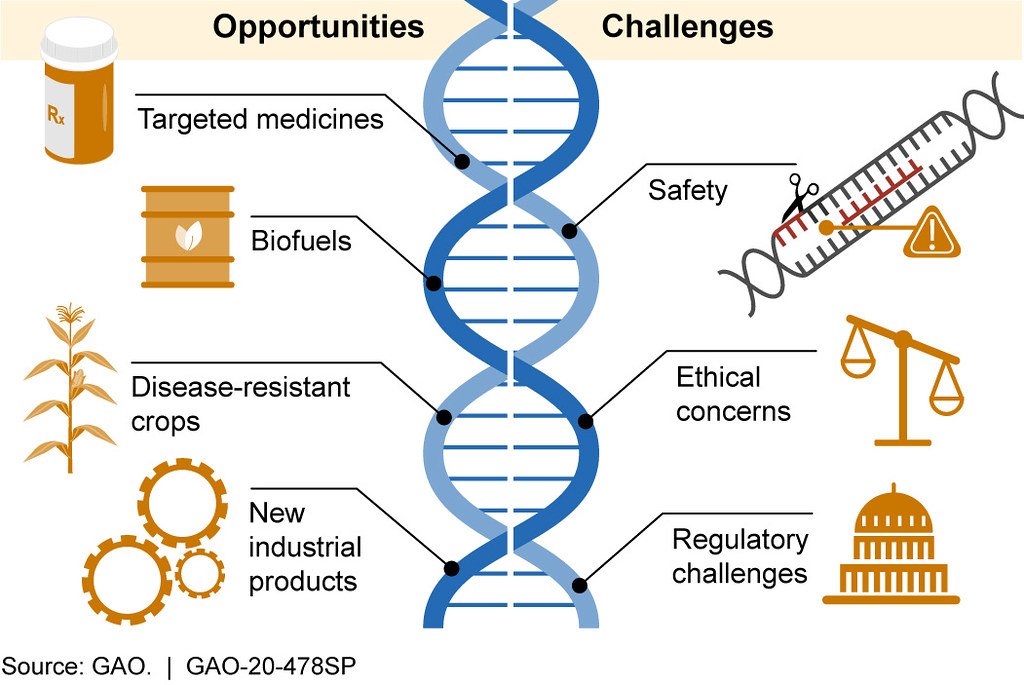
While the achievements of these universities are impressive, significant challenges remain in bringing CRISPR therapies to everyone who needs them. Casgevy is priced at around $2 million per patient, and because the lifetime cost of care for individuals with SCD or TDT is so high, covering the treatment may be a sound strategy, particularly in countries with single-payer healthcare systems. Cost remains a major barrier, and these universities are working on solutions that could make treatments more affordable. Delivery remains another critical challenge – getting CRISPR components to the right cells in the right tissues is still difficult for many conditions. Current treatments require gene-editing processes to occur inside laboratories rather than in patients’ bodies, like with the new sickle cell treatment. The universities profiled here are developing new delivery methods, from nanoparticles to viral vectors, that could make treatments simpler and more accessible. Safety concerns also continue to drive research priorities, with these institutions leading efforts to understand and minimize potential side effects. Their work on improving CRISPR’s precision and developing better methods for detecting off-target effects is crucial for public acceptance of these technologies.
The International Race and American Leadership
While these American universities lead in many areas of CRISPR research, they face increasing competition from institutions around the world. China has invested heavily in CRISPR research and clinical trials, while European institutions are making significant contributions to the field. This international competition is actually beneficial – it accelerates progress and ensures that no single country or institution has a monopoly on this crucial technology. American universities maintain their leadership through several key advantages: strong funding from both government and private sources, robust intellectual property protections, and cultures that encourage risk-taking and innovation. Their partnerships with biotechnology companies also provide pathways for translating research into practical applications more quickly than in many other countries. However, maintaining this leadership requires continued investment in research infrastructure, student training, and international collaboration. These universities are actively working with international partners to ensure that CRISPR advances benefit humanity globally, not just specific nations or regions. The future of CRISPR research will likely be increasingly international, with American universities serving as key nodes in a global network of innovation.
Beyond Medicine: CRISPR’s Expanding Applications

While medical applications dominate headlines, these universities are also pioneering CRISPR applications in agriculture, environmental science, and biotechnology. Researchers have used multiplex CRISPR editing of wood for sustainable fiber production, as published in Science journal. This represents just one example of how CRISPR is being applied beyond human health. Agricultural applications could help develop crops that are more nutritious