
Each spring and fall, the night sky over American cities becomes an invisible highway for migrating birds – and a hall of mirrors when dawn hits glass. Reflections of trees and sky lure birds into windows they cannot perceive, turning ordinary facades into lethal illusions. Now, a growing coalition of architects, building owners, and city officials is testing bird-safe glass that patterns, dims, or reshapes those illusions. Early results are emerging from city pilots across the country, hinting at designs that keep the views for humans but remove the traps for wildlife. The momentum is real, the engineering is clever, and the stakes – measured in hundreds of millions of bird deaths annually – couldn’t be higher.
New York City: Early Proof on a Massive Facade
New York’s most widely cited case study began with a problem hiding in plain sight: the sprawling glass walls of a convention center that sat on a key migration route. When the building replaced reflective panels with ceramic-frit glass and added screens at ground level, local monitors documented a dramatic decline in collisions across subsequent seasons. Designers didn’t dim the skyline; they broke up the reflection, using tiny dot patterns that birds read as obstacles while humans see a soft veil. New construction rules now push projects to adopt similar strategies on lower floors, where trees and plaza reflections are strongest.
On the street, the change feels subtle – the kind of tweak you notice only when you look for it and wonder why a lobby seems less mirror-like. But bird behavior notices immediately, and that’s the point. The lesson sweeping through project teams here is straightforward: treat the first several stories like a hazard zone and apply patterning, lowered reflectivity, or external fins wherever foliage and glass meet.
San Francisco: The Hidden Clues in Patterned Glass
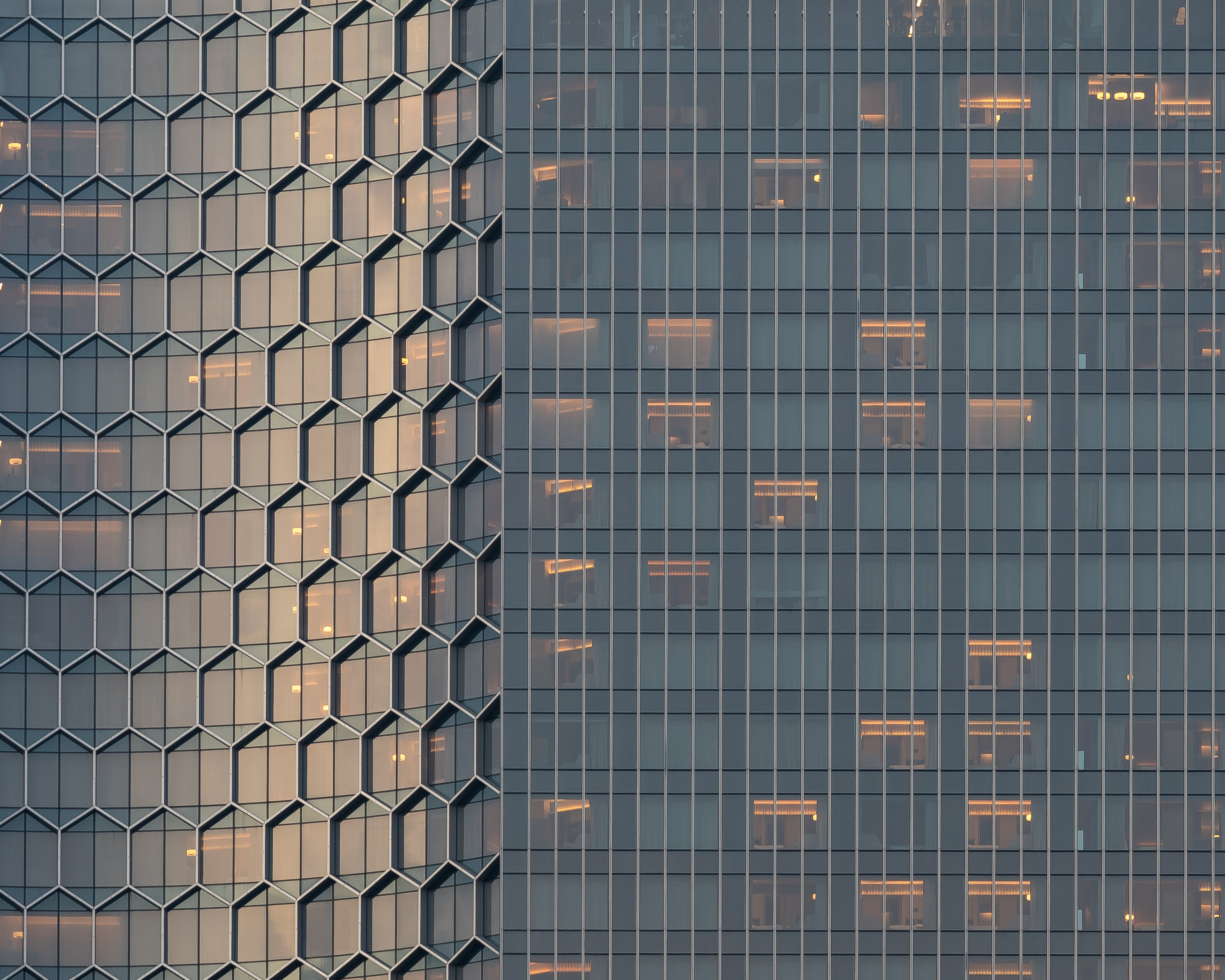
San Francisco’s early standards turned the city into a living lab for pattern density and spacing, and the most reliable cue has proven surprisingly simple. When dots or stripes follow the “two-by-four” rule – no more than two inches apart horizontally and four inches vertically – birds abort approaches before impact. Architects lean on fritted glass, UV-reflective coatings, and dense ceramic patterns within insulating units to meet performance while preserving daylight. In plazas near waterfront corridors, you can spot lobbies where the sky looks slightly muted rather than perfectly mirrored.
Field teams walking regular routes report fewer strikes at treated facades than at untreated neighbors with similar landscaping, a practical A–B comparison that speaks louder than any brochure. The city’s design review culture helps: material mockups go outside, not just under studio lights, and patterns are tested against real trees, real sun angles, and fog. That rigor turns the tiny dots into reliable signals instead of decorative gestures.
Chicago: From Crisis Data to Modern Design Science
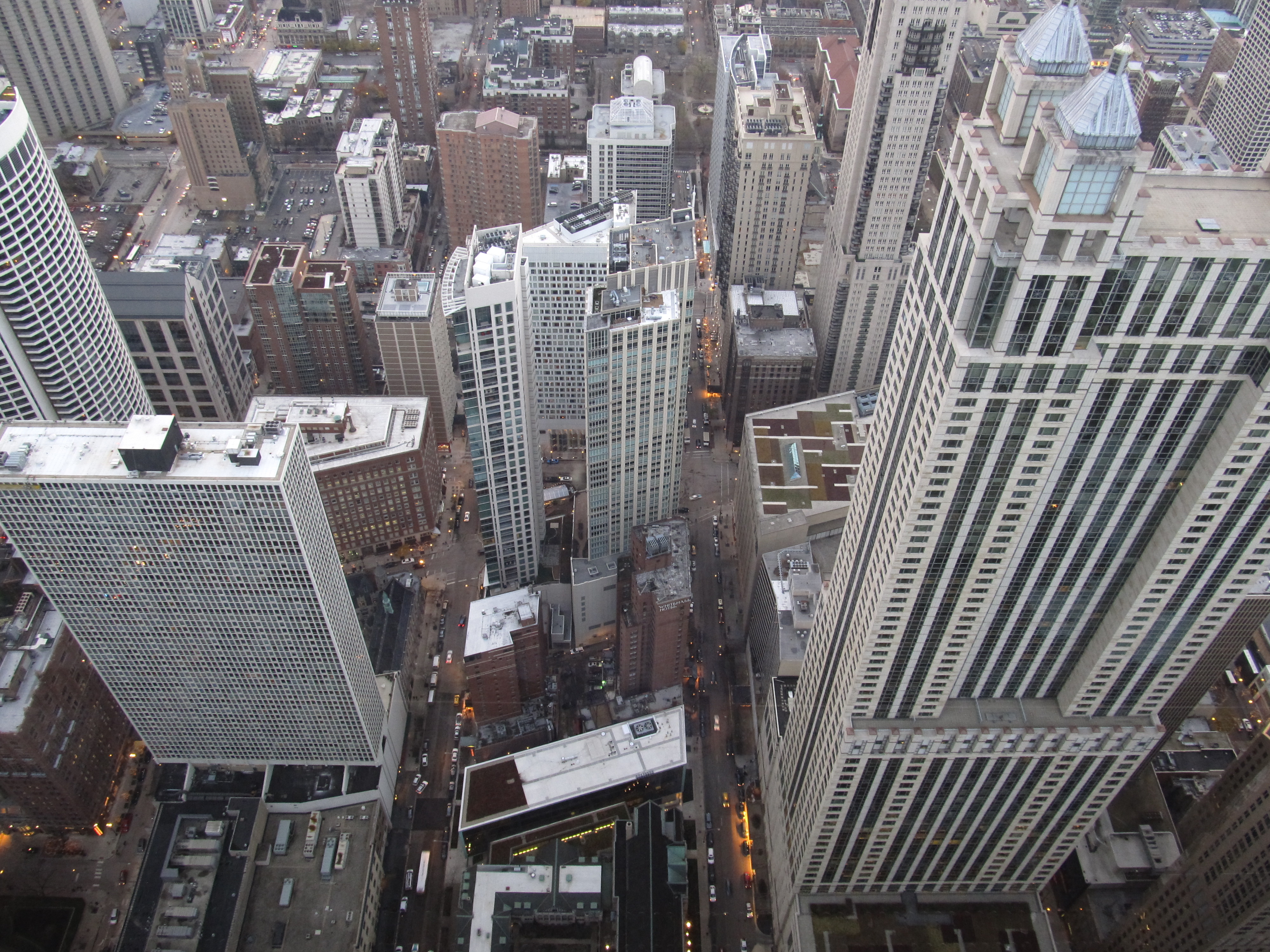
Chicago’s lakeside skyline sits at the edge of a migration funnel, and high-profile collision events jolted owners and campuses into action. In response, pilots rolled out across lobbies and skybridges using marker films, low-iron glass with ceramic patterns, and improved nighttime lighting controls. The science is clear that reflectivity and transparency both matter, so designers targeted the worst offenders first: corner conditions near trees, glazed atria, and glass handrails that read as open air.
Some retrofits are almost invisible unless you look diagonally across the glass, where matte dots suddenly appear and dissolve with a step. Monitors walking dawn routes report fewer ground strikes at treated sites through peak migration weeks, and that feedback loop is shaping specifications for larger replacements. The takeaway here is pragmatic: fix the hot spots, measure, and scale what works.
Philadelphia: Why It Matters at a Migration Bottleneck
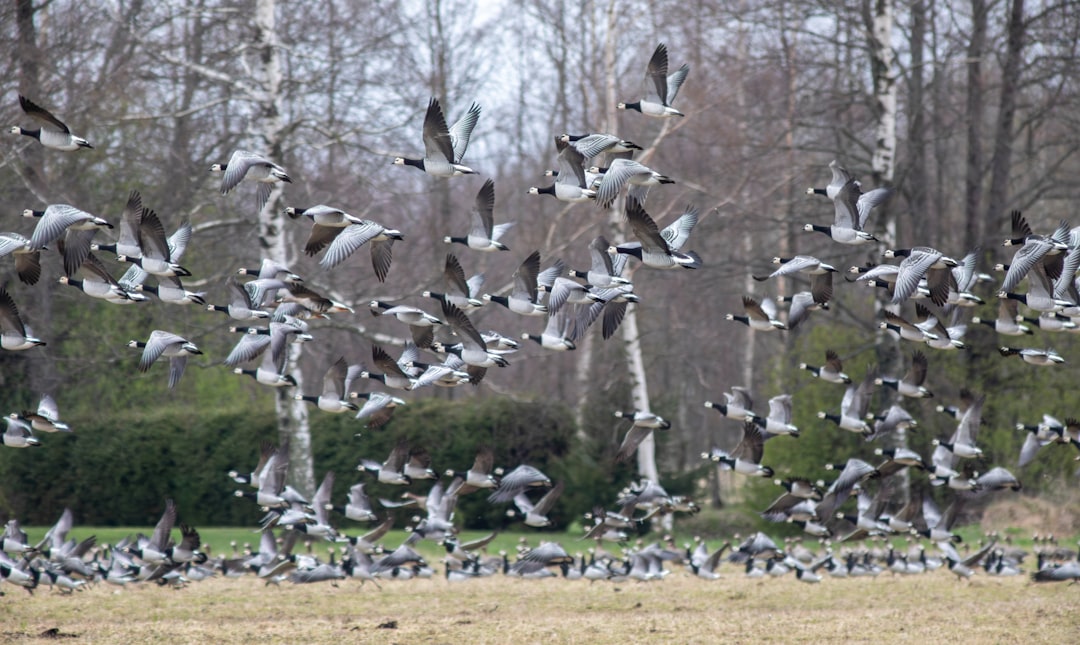
Philadelphia sits within a heavily traveled Atlantic flyway, and the city’s blend of historic streets and glassy new towers creates a potent mix of risks. Building teams are testing UV-patterned coatings that birds can see but people barely notice, alongside external screens that double as shading devices. Some property managers start with lobby retrofits and plan phased upgrades on upper floors as leases turn over, a budget-friendly path that still intercepts the most dangerous zones.
Why it matters shows up in morning counts that tell the human story – residents, students, and maintenance crews finding fewer birds below treated facades. Complementary nighttime actions, like timed lighting curfews during peak migration, sharpen the effect by reducing attraction. Together, they form a modern collision-prevention package that treats light and glass as two sides of the same physics problem.
Minneapolis–St. Paul: Skyways, UV Science, and Cold-Weather Trials
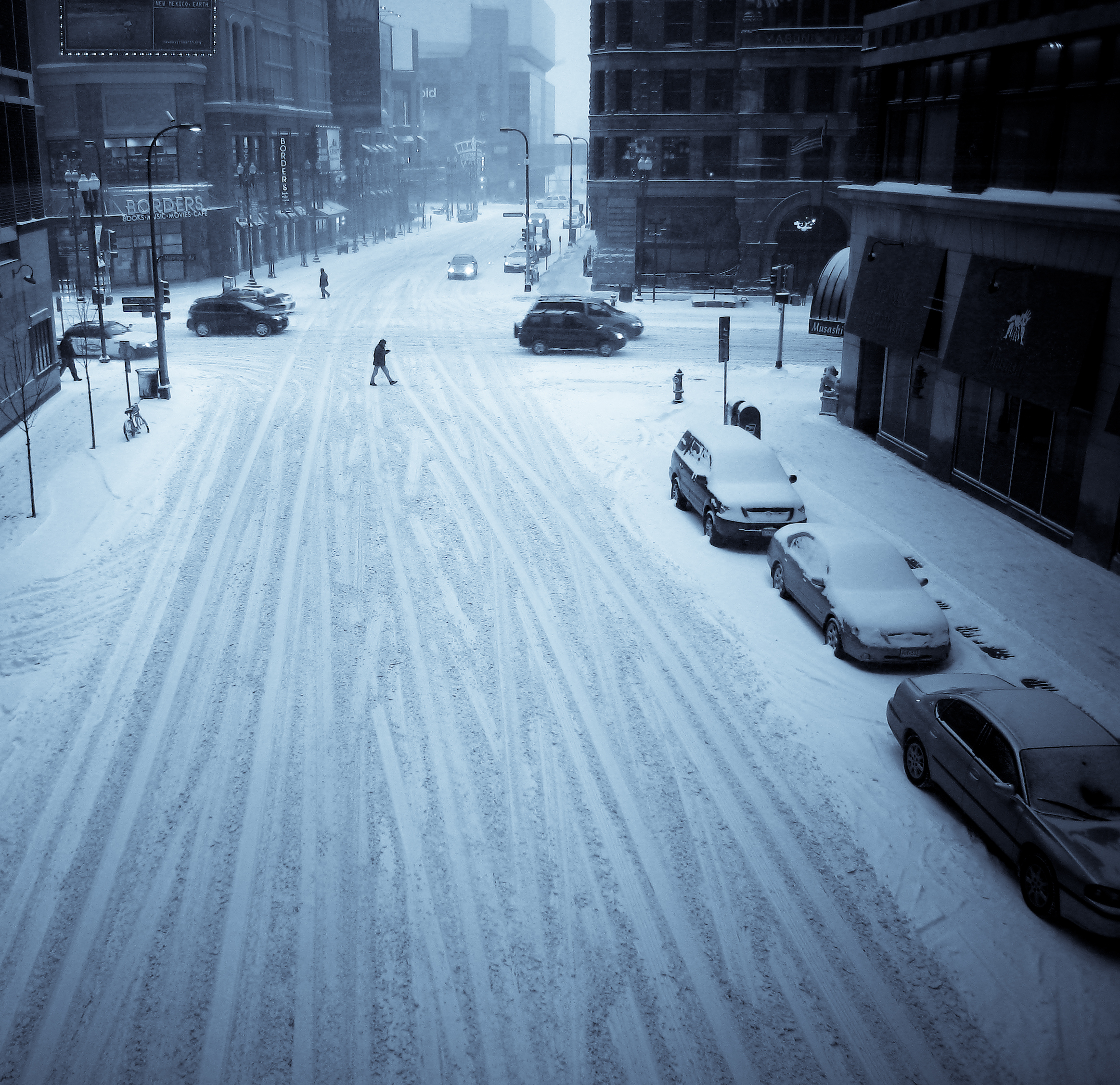
If any metro can stress-test winter durability, it’s the Twin Cities, where exposed skyways and long freeze–thaw cycles punish adhesives and coatings. Pilots here emphasize baked-in solutions – ceramic frit within insulated glass, etched patterns, and laminated interlayers that won’t peel when temperatures swing. Designers also experiment with UV-reflective layers that birds perceive strongly, a strategy well-suited to clear winter sun.
Observers note fewer strikes at treated skyways spanning tree-lined streets, which historically acted like glass tunnels across flyways. A practical bonus is energy performance: patterned glass and shading fins reduce glare and solar gain, easing loads on HVAC in shoulder seasons. In a climate where comfort and safety intersect, bird-friendly details are proving to be good building science.
Washington, D.C.: Policy Labs and Federal-Grade Retrofits
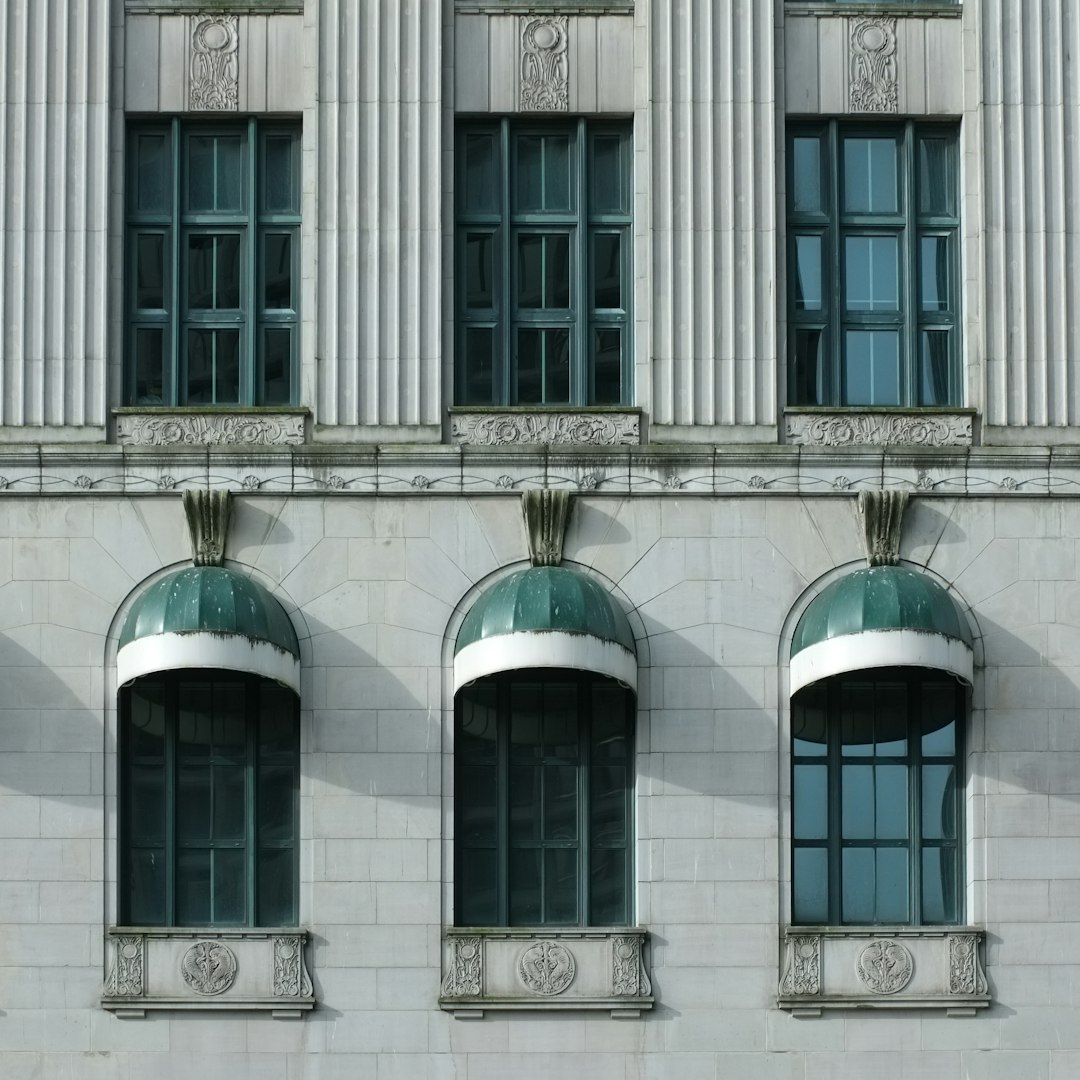
The nation’s capital brings a different lever to the table: government facilities and museums that set examples through procurement. Project teams working on renovations are layering bird-friendly criteria into façade packages – especially the highly reflective lower zones that mirror lawns and water features. LEED pilot credits and agency guidelines provide a clear path, so bird safety rides alongside daylighting, energy, and security requirements instead of being treated as an afterthought.
On the ground, that looks like patterned spandrels next to landscaping, mesh screens at courtyard connectors, and angled glass that throws reflections down instead of outward. Monitors walking the Mall and dense downtown corridors report promising reductions at treated sites, informing the next wave of specs. When policy meets field data, the result is a template that other cities can adapt quickly.
Denver: The Future Landscape at High Altitude
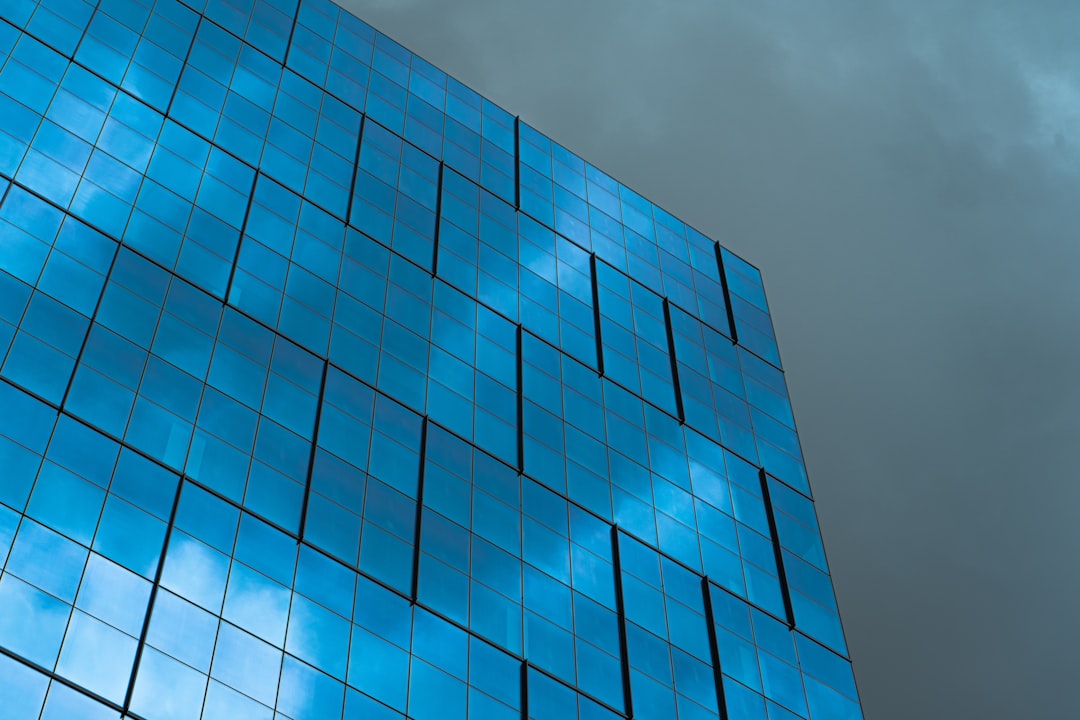
Denver’s intense sun turns ordinary glass into a mirror for half the day, so the city is piloting low-reflectance coatings paired with dense ceramic dot patterns on the first several stories. Municipal projects and private towers are also testing vertical fins with matte finishes that break up reflections without dimming interiors. Designers are paying special attention to landscaped podiums, where greenery and glass interact most dangerously.
Early monitoring suggests that the winning package combines three elements: patterned glass at human height, strategic shading devices, and nighttime light management during peak migration. That integrated approach looks a lot like the future, where bird safety is baked into performance-based façades instead of bolted on. High-altitude sun makes the physics obvious – and the solutions, once seen, are hard to unsee.
Portland, Oregon: From Ancient Screens to Modern Frit
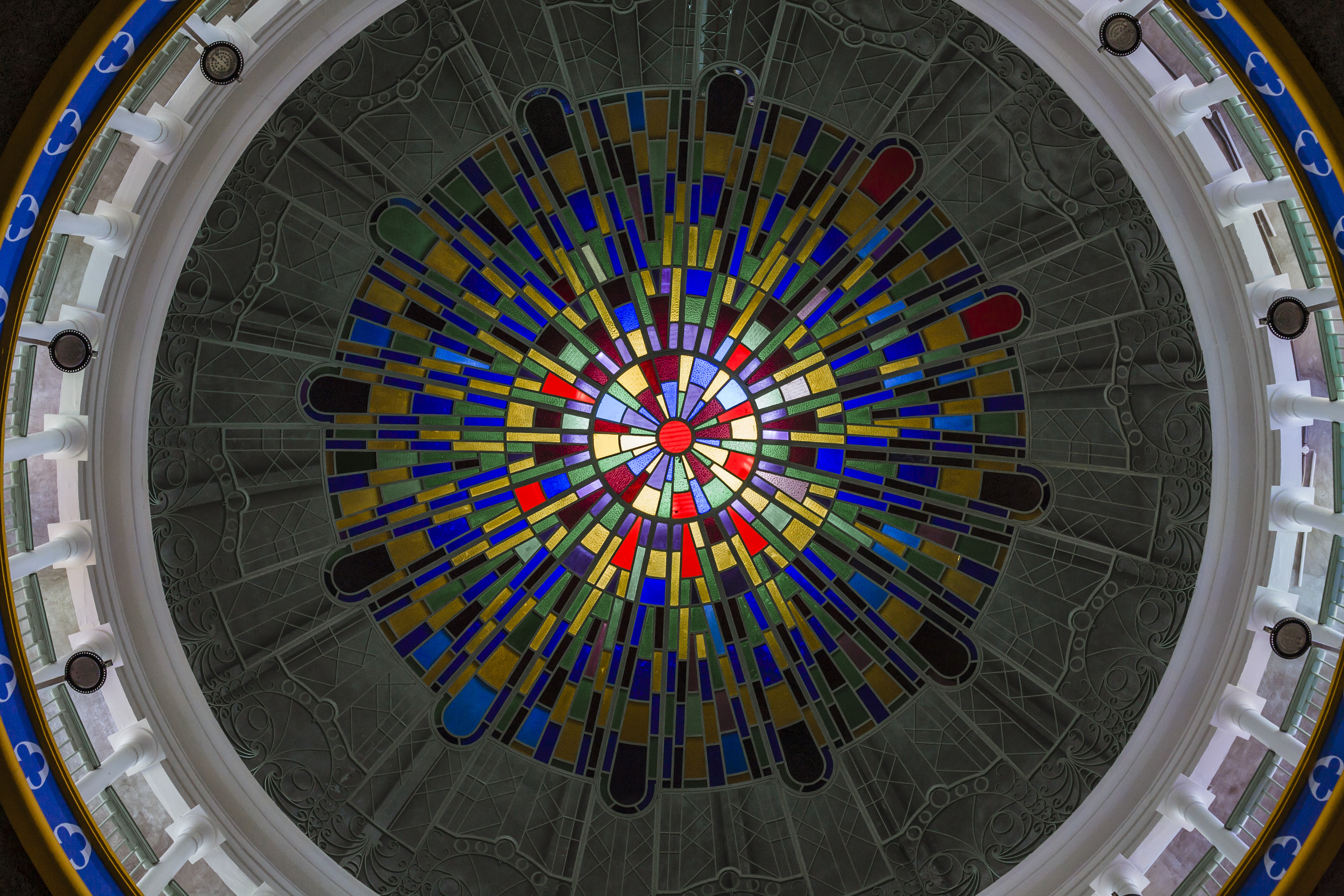
Portland’s design community has leaned into an old idea with new materials: put something in front of the glass. What used to be lattices and shutters has become perforated metal, ceramic baffles, and timber screens that block reflections while adding depth to facades. Where screens aren’t feasible, etched and fritted glass with visible patterns holds the line, especially near trees and water.
City guidance encourages teams to prioritize the most dangerous zones, validate with on-site mockups, and then lock in specs before permit. Walk-through surveys indicate fewer collisions at projects that combine screens and patterned glass, even in heavily vegetated districts. It’s an elegant blend of architecture and ecology, as practical as a raincoat in a Portland storm.
Seattle: Global Perspectives from a Pacific Flyway City
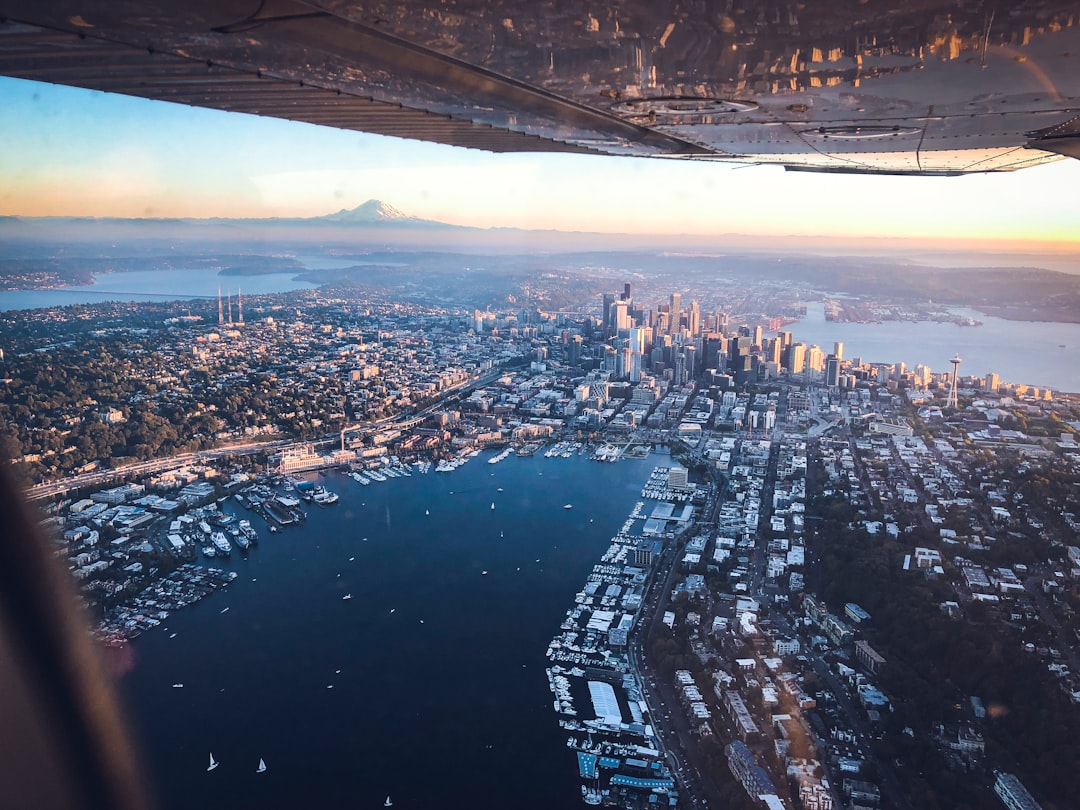
Seattle’s portside location places it on a transect of the Pacific Flyway, a global context that keeps designers focused on outcomes over aesthetics alone. Projects are testing UV-reflective coatings, etched stripes aligned to the two-by-four rule, and external shading that doubles as glare control for workspaces. Owners that operate across continents see the writing on the wall: what works in Seattle scales to campuses in Europe and Asia facing the same collision physics.
Community monitors report that treated lobbies adjacent to street trees show fewer dawn impacts across migration weeks. To keep momentum, design teams share post-occupancy results – what patterns held up in rain and salt air, which coatings stayed clear, and where maintenance mattered. That knowledge exchange turns single-building wins into a citywide playbook.
Madison, Wisconsin: Community Pilots and a Practical Call to Action
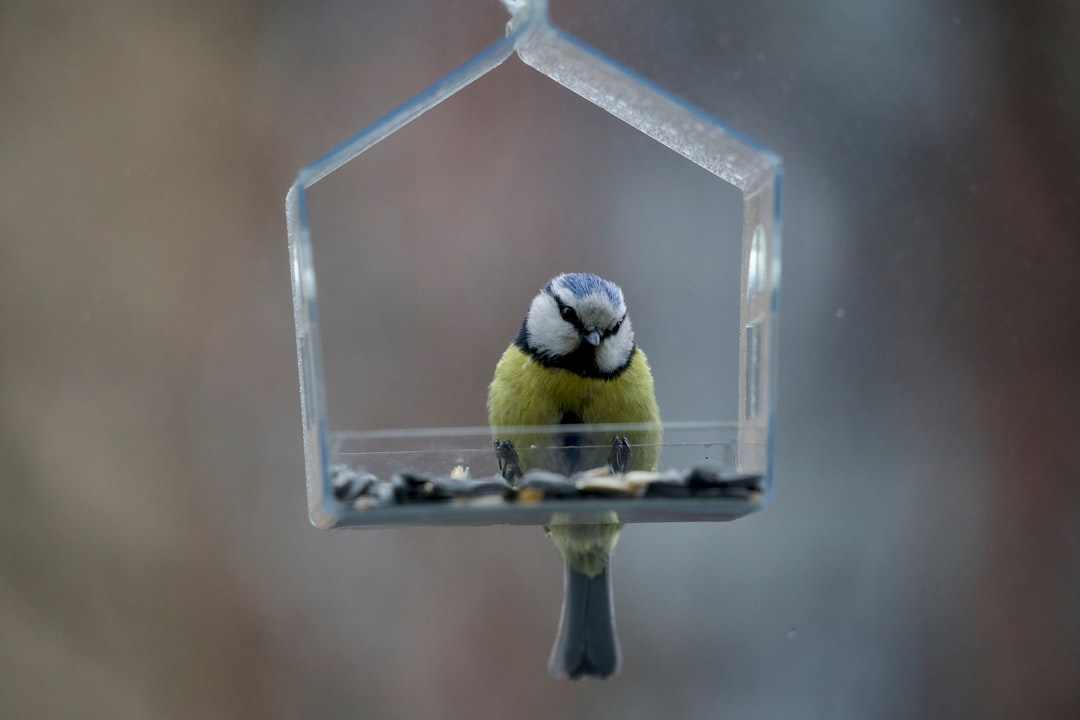
Madison’s ordinance for bird-friendly glazing on large projects has seeded a wave of practical pilots across campuses and civic buildings. Many start with ground-floor retrofits using ceramic-frit glass or dot films, then expand as renovations cycle in. Local bird groups help track outcomes, turning morning walks into datasets that guide the next spec.
For residents and managers anywhere, the on-ramps are clear and affordable: apply marker film on problem panes, add exterior screens near plantings, and manage nighttime lights during peak migration. Building teams can go further with baked-in solutions – fritted IGUs, etched glass, and matte fins – especially within the first several stories. Small, visible patterns save birds’ lives, and the citywide picture is beginning to show it.
Suhail Ahmed is a passionate digital professional and nature enthusiast with over 8 years of experience in content strategy, SEO, web development, and digital operations. Alongside his freelance journey, Suhail actively contributes to nature and wildlife platforms like Discover Wildlife, where he channels his curiosity for the planet into engaging, educational storytelling.
With a strong background in managing digital ecosystems — from ecommerce stores and WordPress websites to social media and automation — Suhail merges technical precision with creative insight. His content reflects a rare balance: SEO-friendly yet deeply human, data-informed yet emotionally resonant.
Driven by a love for discovery and storytelling, Suhail believes in using digital platforms to amplify causes that matter — especially those protecting Earth’s biodiversity and inspiring sustainable living. Whether he’s managing online projects or crafting wildlife content, his goal remains the same: to inform, inspire, and leave a positive digital footprint.