
Some events in nature are so rare, so perfectly timed, that most of us will never see them with our own eyes. They flicker into existence for a few minutes, a few days, or a handful of years, and then they’re gone again, sometimes for generations. When you realize how slim the odds really are, suddenly the sky, the ocean, even a patch of desert sand starts to feel like a lottery ticket you didn’t know you were holding.
In a world that feels increasingly predictable and digital, these phenomena are a reminder that the planet still writes better stories than any movie script. They’re also a quiet wake‑up call: you can’t binge‑watch a total eclipse or rewind a century‑old volcanic bloom. You either happen to be there, at that exact moment on Earth’s clock, or you miss it forever. Let’s look at ten of these once‑in‑a‑lifetime wonders that make our pale blue dot feel both impossibly small and impossibly magical.
1. A Total Solar Eclipse Crossing Your Own Backyard
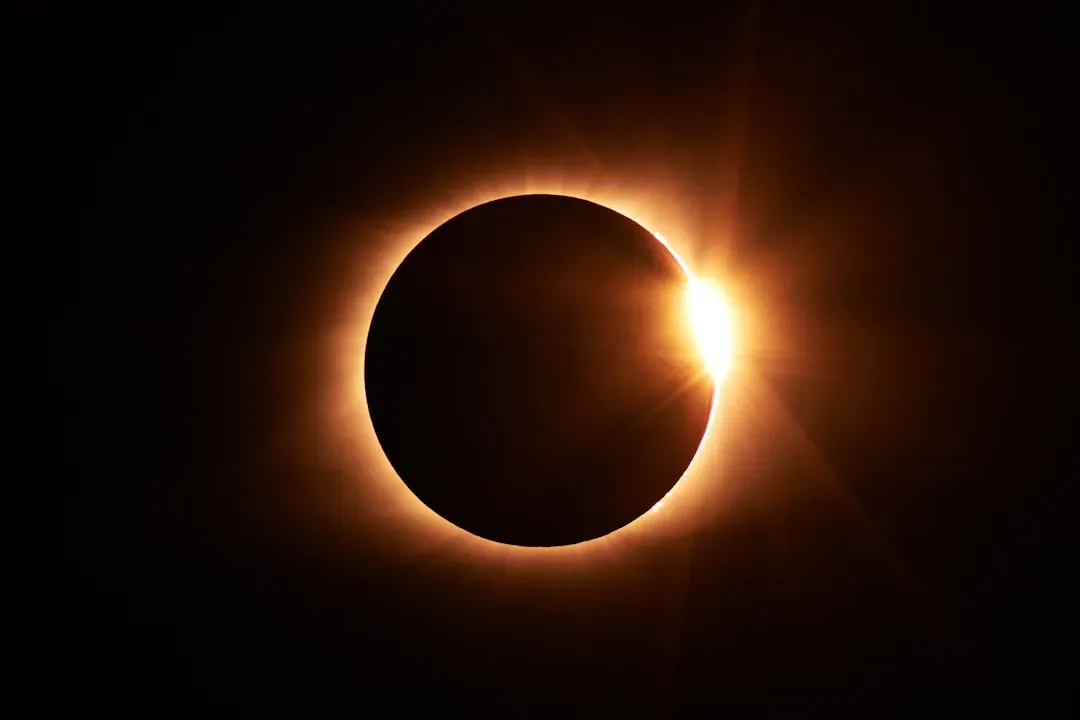
A total solar eclipse, visible right from where you live, is one of the rarest sky shows you can personally experience. The Moon, the Sun, and the Earth have to line up with almost absurd precision, and even then, the path of totality is just a narrow ribbon racing across the planet. For any single location, the wait between total eclipses overhead can stretch well beyond a human lifetime, often longer than a century.
If you have ever watched daytime suddenly dim into an eerie twilight, birds going silent, temperatures dropping in a matter of minutes, you know how unsettling and emotional it can feel. You’re not just watching the sky; you’re briefly standing inside a cosmic geometry lesson playing out in real time. People travel across continents and plan for years to stand in that shadow for just a couple of minutes. When totality passes over your own hometown, though, that’s the kind of story that follows you for the rest of your life.
2. A Great Comet Bright Enough to Dominate the Night Sky
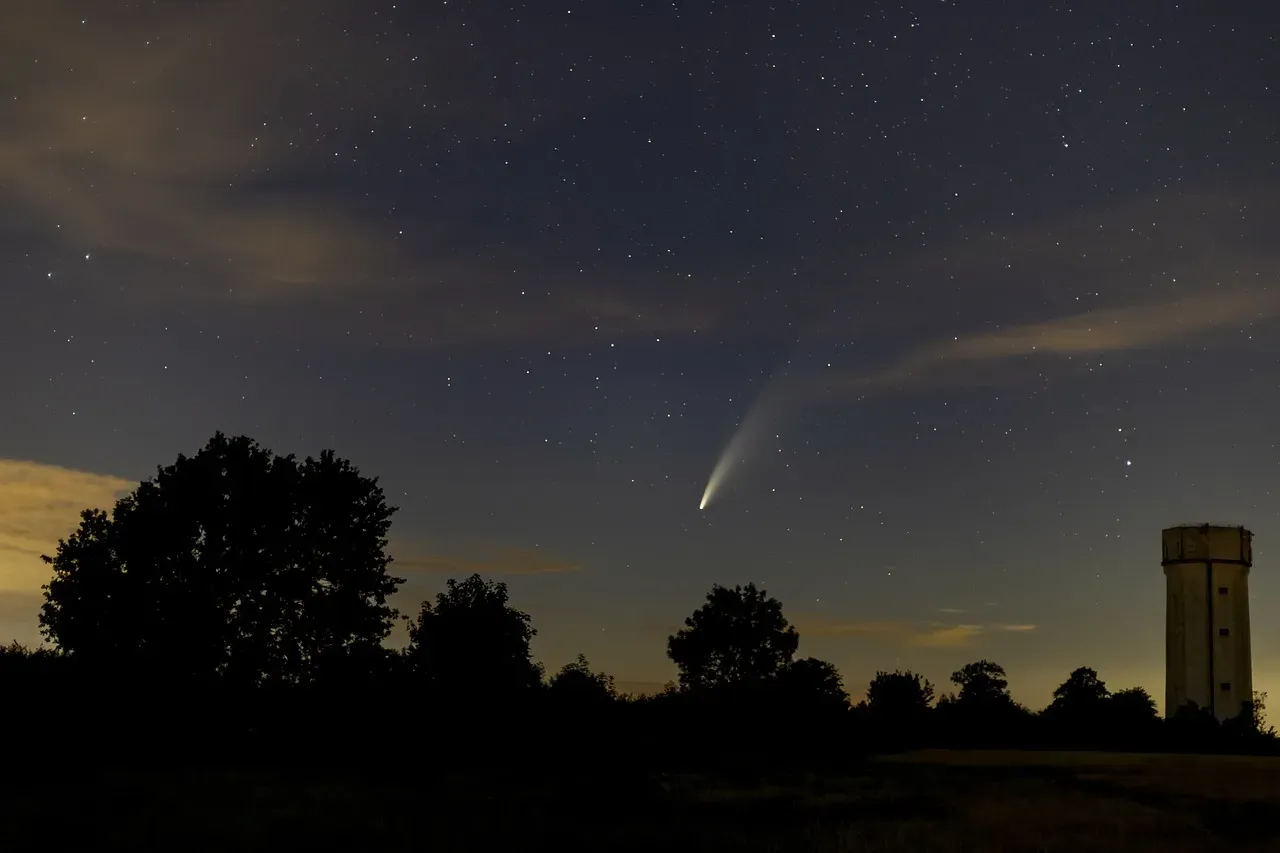
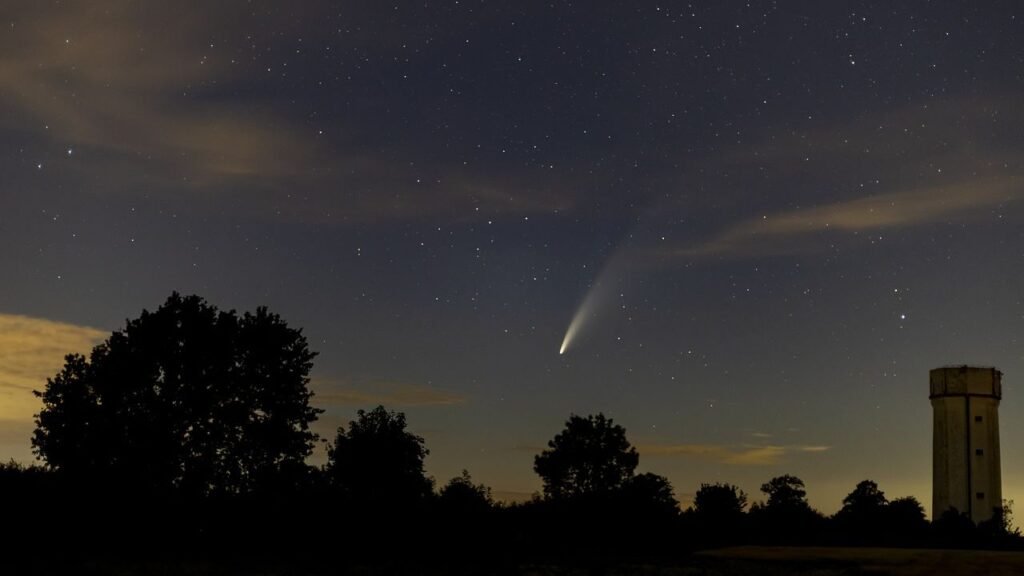
Most comets that get mentioned on the news are faint smudges that you can barely pick out unless you escape city lights and squint at the horizon. A so‑called “great comet” is a completely different beast: it’s bright, obvious, and often visible even from badly light‑polluted cities. For a few blessed weeks, sometimes months, it can sprout a long glowing tail that seems to slice across half the sky.
Great comets are unpredictable and rare; astronomers can forecast some, but the truly spectacular ones often surprise even the experts. For many people, seeing a great comet once is the entire sum of their comet‑watching career. It can feel almost mythical, like the universe is waving a flare to remind us we orbit a star in a busy, messy solar system. You glance up to take the trash out one evening and suddenly you’re staring at an icy time capsule older than humanity itself, just cruising past for a brief hello.
3. The Once‑in‑a‑Century Bloom of Certain Desert Plants
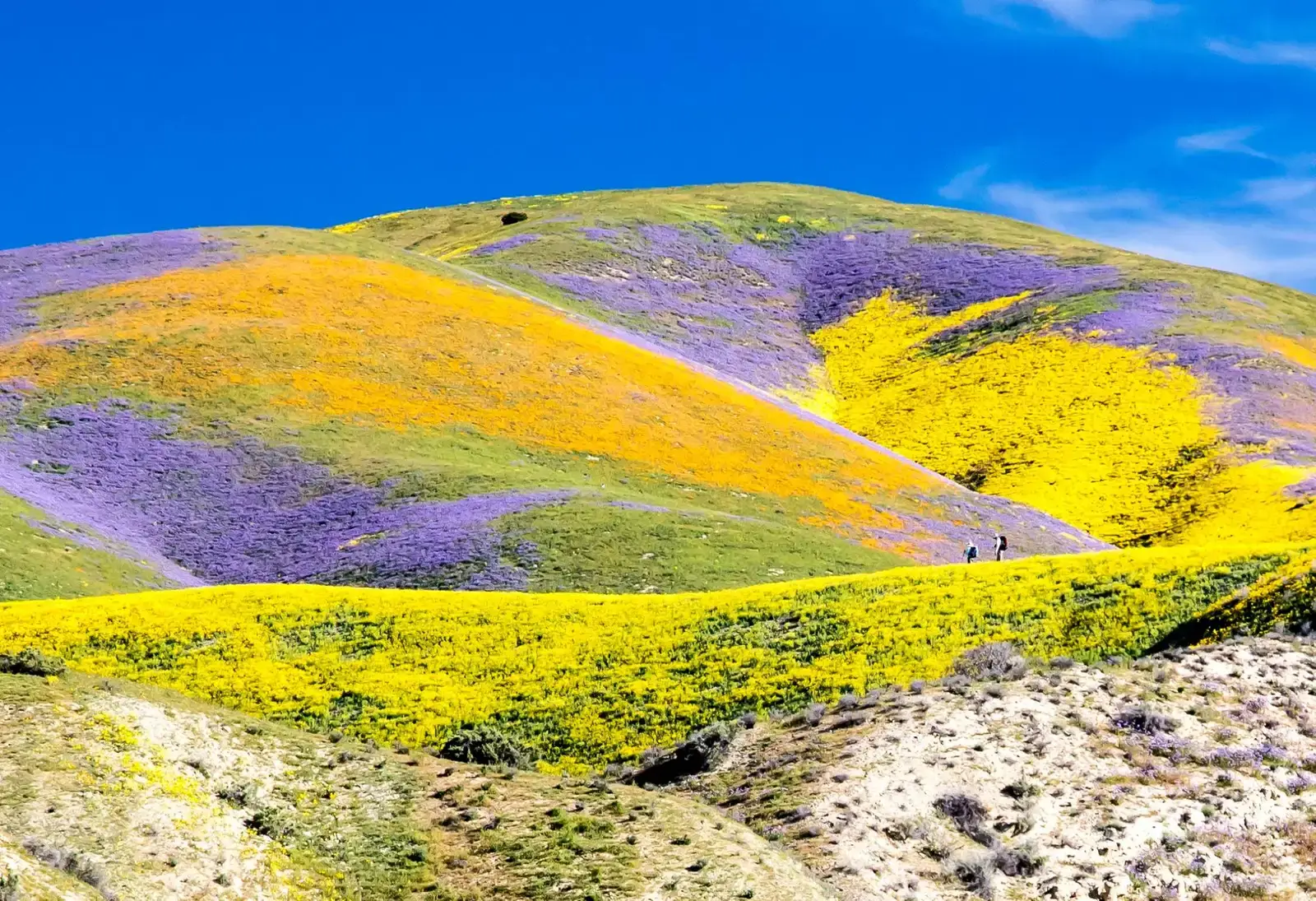
Some deserts, which look dead and empty most of the time, are actually holding their breath for years, even decades, waiting for the right moment. Seeds of certain plants sit dormant in the soil, enduring endless dry seasons, dust storms, and brutal heat. Then, in a year when rainfall hits a perfect sweet spot, the landscape detonates into massive carpets of flowers that can stretch to the horizon.
These so‑called “superblooms” can be so intense that they’re visible from space, turning muted browns into sweeping bands of color. Locals who have lived their whole lives nearby may never have seen anything like it, and sometimes the last comparable event happened before they were born. If you happen to catch one in person, it can feel like standing inside a time‑limited painting, knowing the canvas will fade back to beige within days or weeks. The memory lasts, but the show never repeats exactly the same way again.
4. A Mega‑Flock or Mass Migration Passing Directly Overhead
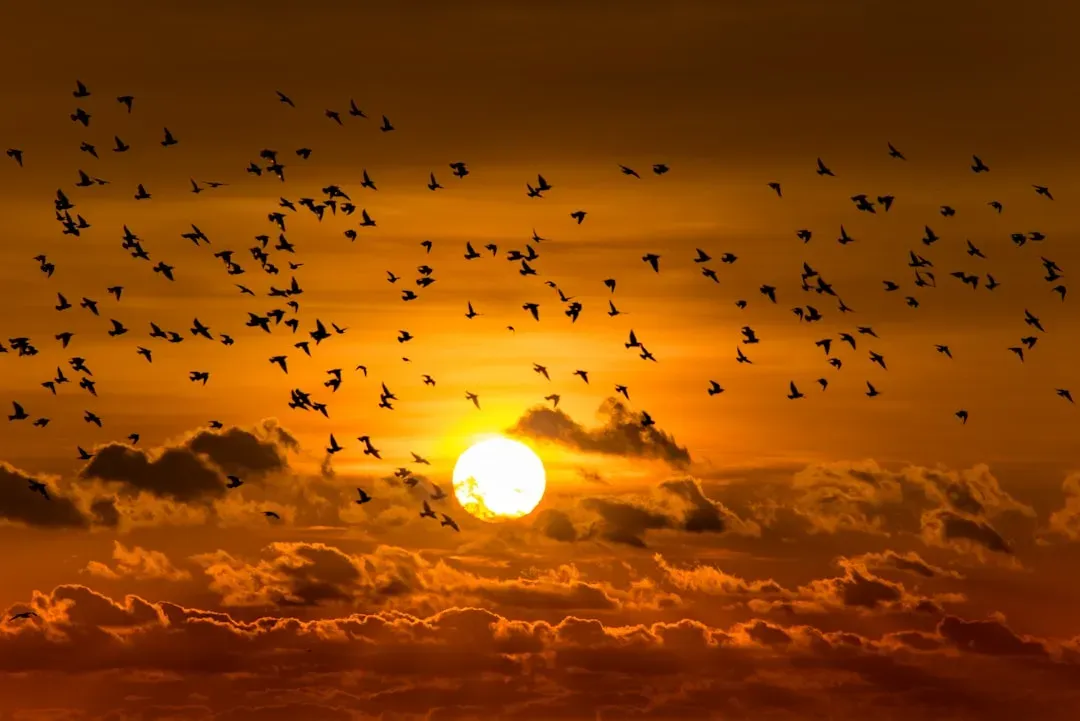
Migrations happen every year, but the truly enormous, once‑in‑a‑lifetime encounters are about timing and luck. Maybe it’s a colossal flock of snow geese suddenly filling the sky over your town, or a river so thick with salmon it looks like it’s boiling. Some years, ocean temperatures, winds, and food supplies line up just right, and the scale of the movement reaches a peak that may not return for decades.
Standing under a migration event like that is almost disorienting; you realize very quickly that you’re the small, fragile thing in the picture. The noise, the smell, the sheer motion of thousands or millions of animals moving together stirs something primal. People often stumble onto these scenes by accident, on a roadside or a beach, and walk away feeling like they briefly peeked behind the curtain of how the planet really works. You can read all the documentaries you want, but having the sky darken with wings above your head hits differently.
5. A Rare Bioluminescent Sea That Turns the Shoreline Electric Blue
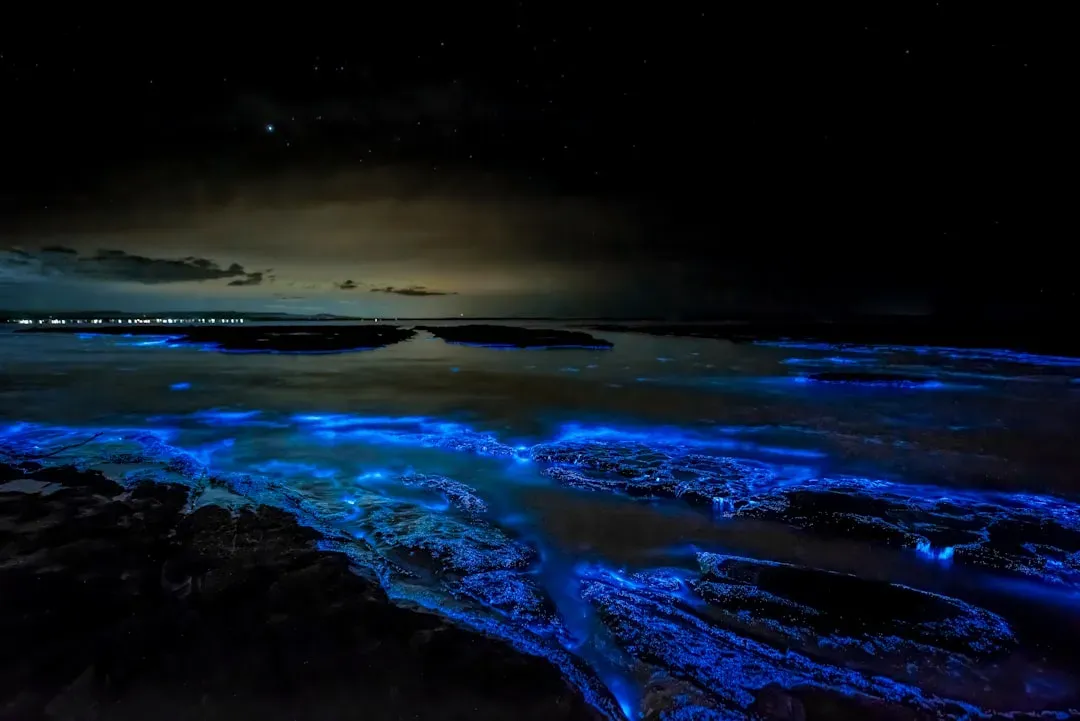
Bioluminescent plankton can light up waves in lots of coastal regions, but the truly jaw‑dropping displays are sporadic and highly localized. Under specific conditions of temperature, nutrients, and ocean currents, these tiny organisms can gather in such huge numbers that every crashing wave glows a vivid blue‑white. It can look like the sea has turned into spilled neon paint, or like someone swapped reality for a sci‑fi movie scene.
Locals might know their bay or beach sometimes glows, but the spectacular nights where every step you take in the wet sand leaves a trail of light are rare. The phenomenon can flare up for a short spell and vanish again with the next change in wind or tide. If you’re lucky enough to stand there in the dark, watching rolling waves ignite each time they break, it’s hard not to feel a bit of disbelief. The ocean, which usually feels indifferent and distant, suddenly seems to be winking directly at you.
6. Seeing an Extremely Rare Rainbow Phenomenon in Person
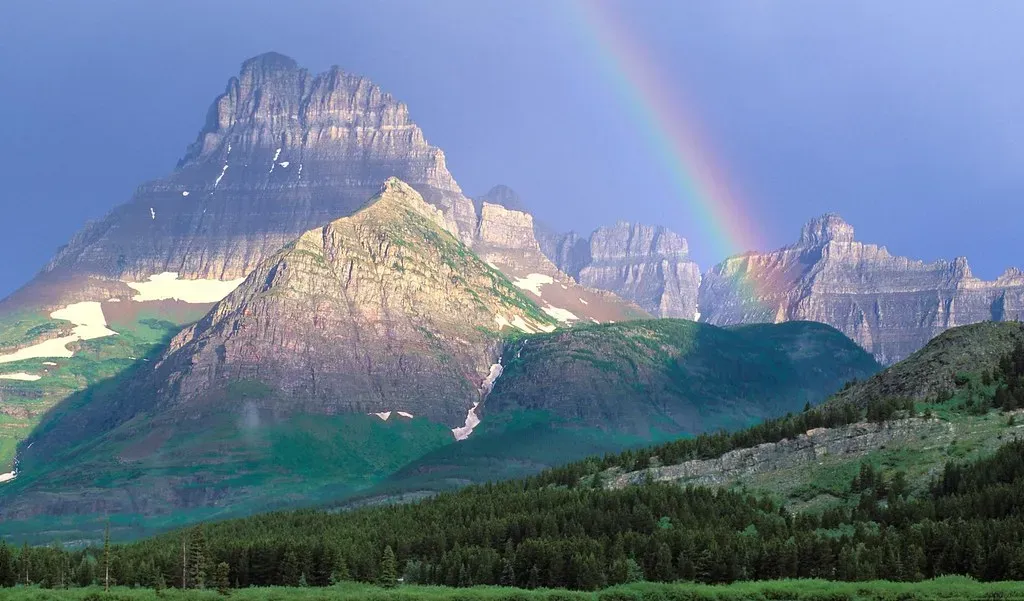
Everyone knows the classic post‑rain rainbow, but the atmosphere has weirder tricks up its sleeve. Under just‑right conditions of ice crystals, sunlight angles, and moisture, you can get things like fire rainbows, moonbows, or full circular halos with extra arcs sprouting off them. These optical events often require you to stand at exactly the right place at exactly the right time, which is why so few people actually notice them.
Moonbows, for example, are rainbows created by moonlight, faint and ghostly, often visible near waterfalls under a bright full moon. They’re so subtle the human eye struggles to see their colors, turning them into whispery, pale arcs. A circumhorizontal arc, sometimes called a fire rainbow, hangs high in the sky like a band of paint brushed across thin clouds, but it only appears when the Sun is at the right height and the ice crystals are tilted just so. Catching one of these in the wild, without hunting for it, feels like stumbling across a glitch in the sky’s operating system.
7. Experiencing a Once‑in‑Generations Volcanic or Geyser Event
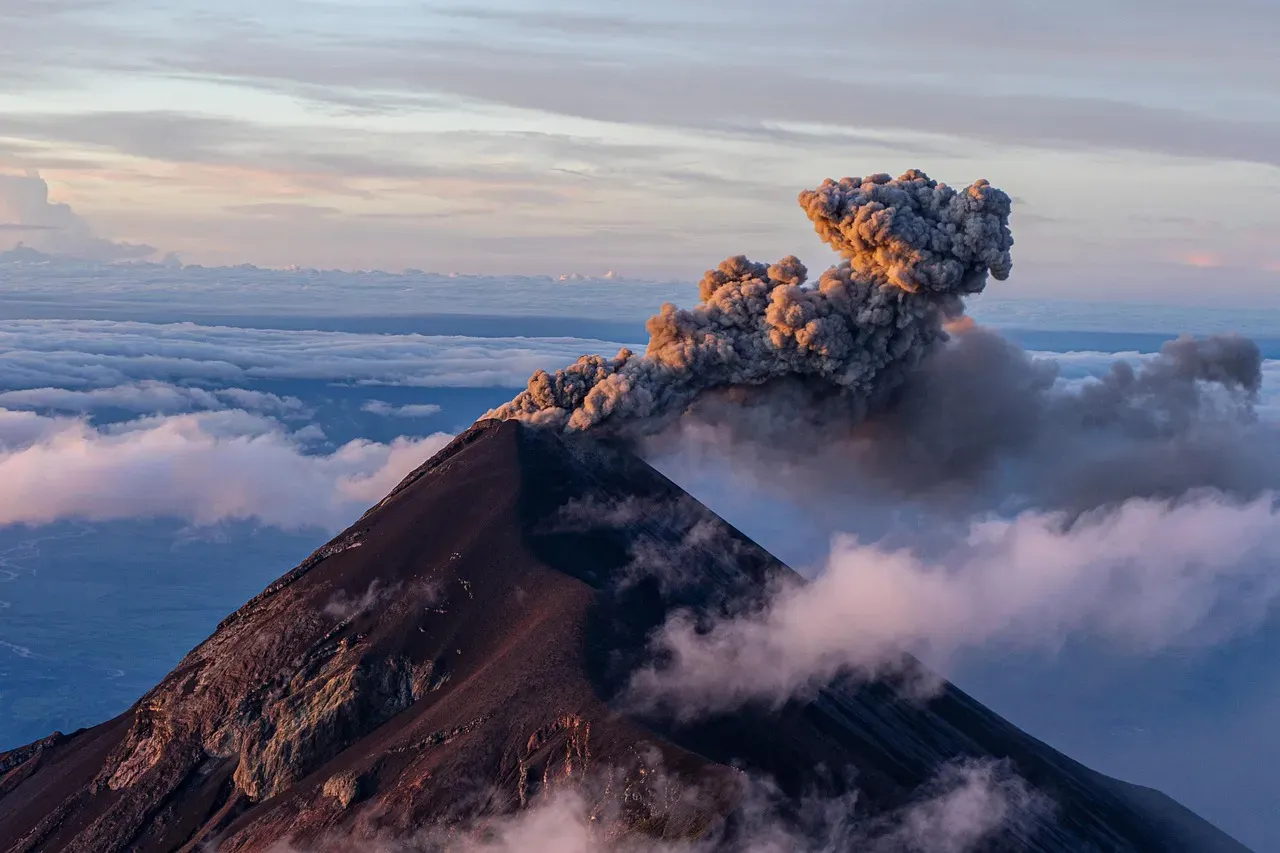
Most volcanoes and geysers go about their business quietly, if at all, for long stretches of time. But every so often, pressure builds or underground plumbing changes, and something extraordinary happens: a massive, visually stunning eruption or an old geyser suddenly roaring back to life after decades of silence. For the people living nearby, it can be both terrifying and strangely mesmerizing.
I remember standing at a safe distance from a restless volcano years ago, feeling the low rumble in my chest more than hearing it with my ears. It wasn’t a catastrophic eruption, but it was enough to send glowing lava oozing down the slopes, lighting up the night and leaving everyone on the hillside speechless. Events like this tend not to repeat in the same grand way within a single lifetime; the geology moves on, reshapes itself, and the show is over. You realize, watching molten rock carve fresh patterns into the land, that our human sense of “a long time” is laughably short compared to the planet’s schedule.
8. Witnessing a Total Lunar Occultation of a Bright Planet or Star
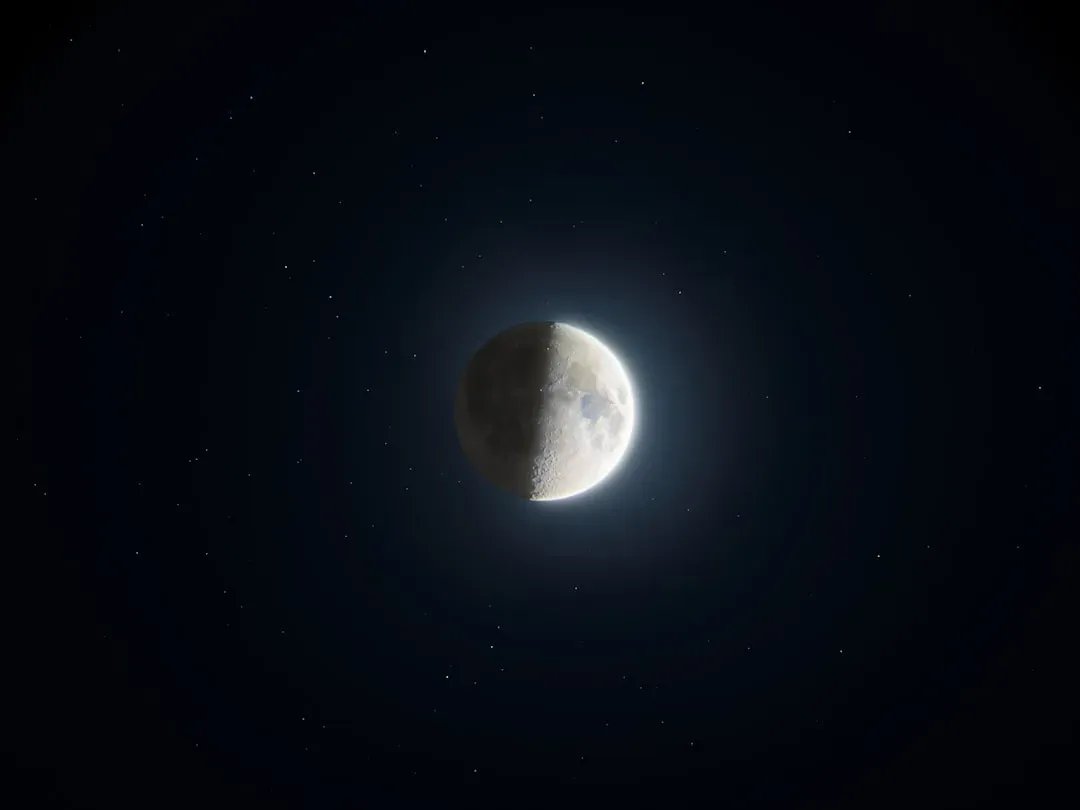
An occultation is when one celestial body passes directly in front of another, blocking it from view. The most dramatic kind you can see with the naked eye is when the Moon slowly slides over a bright planet like Venus or Jupiter, making it disappear as if someone pinched out a candle in the sky. For any given place on Earth, these precise alignments are rare and often happen when the sky is too bright or the object is too close to the horizon.
When everything lines up, though, it turns into a quiet, intimate kind of magic show. You can literally watch a planet shrink against the Moon’s edge and vanish behind its dark limb, then reappear on the other side sometime later. The whole event can unfold over less than an hour, and if you’re not looking up at that exact window, you’d never know it happened. It’s like catching two celestial neighbors playing hide‑and‑seek, and you just stumbled on them mid‑game.
9. The Reappearance of a Long‑Period Comet Seen Only Once Per Human Lifetime
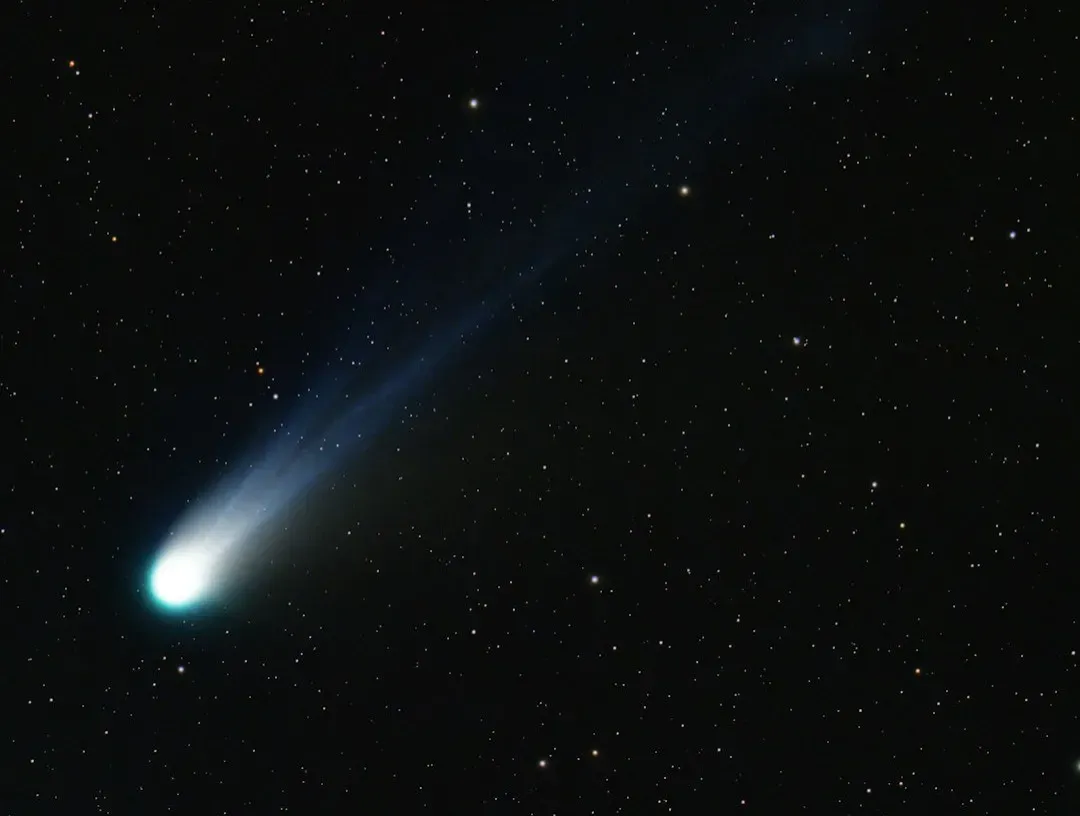
Some comets orbit the Sun on paths so long and stretched out that they only swing by the inner solar system once in many decades or even centuries. A few of these long‑period visitors become bright enough that they’re easily visible from Earth, turning them into generational events. If one appears brightly in your lifetime, chances are you’ll never see that same comet again, and your grandchildren might only read about it in old news archives.
Unlike predictable short‑period comets that return every few years, these long voyagers spend most of their existence in deep freeze far beyond the planets. When they finally dive inward, the Sun’s heat wakes up ancient ices, and they grow hazy comas and tails that can stretch millions of kilometers. For people on the ground, it feels like the sky has suddenly grown a new, temporary object, a traveler from the solar system’s dark outskirts saying a quick hello. When it fades and moves on, there’s a strange sense of finality in knowing that particular wanderer won’t be back while anyone alive today is still around.
10. A Perfect Alignment of Rare Conditions in One Life‑Changing Moment
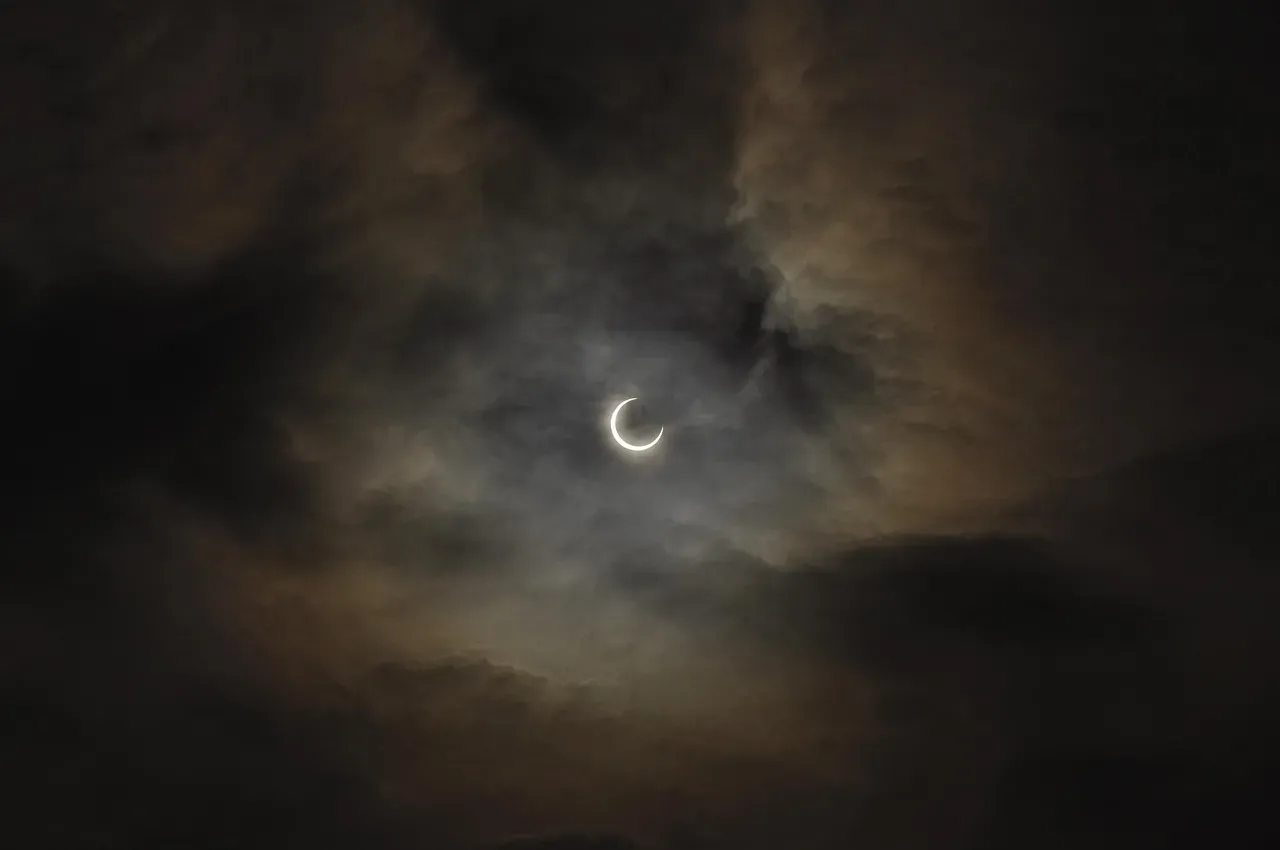
Some once‑in‑a‑lifetime experiences aren’t a single named phenomenon, but a collision of several rare factors at once. Imagine standing on a remote beach during a total solar eclipse while bioluminescent waves glow at your feet, or watching the Northern Lights flare overhead on a night when a bright comet hangs near the horizon. Each of those elements can be rare on its own; together, they turn into something you’ll talk about for the rest of your life.
Moments like that are almost impossible to plan; they happen when curiosity, timing, and a bit of stubbornness line up with nature’s own schedule. You might chase clear skies for an eclipse and accidentally end up seeing an incredibly intense meteor shower at the same time. Or you drive all night to a dark sky reserve for the aurora and realize you’re also standing under a razor‑sharp Milky Way you never knew was possible. These compound events are a reminder that the most unforgettable natural phenomena often happen right at the intersection of chance and effort.
Catching Lightning in a Lifetime
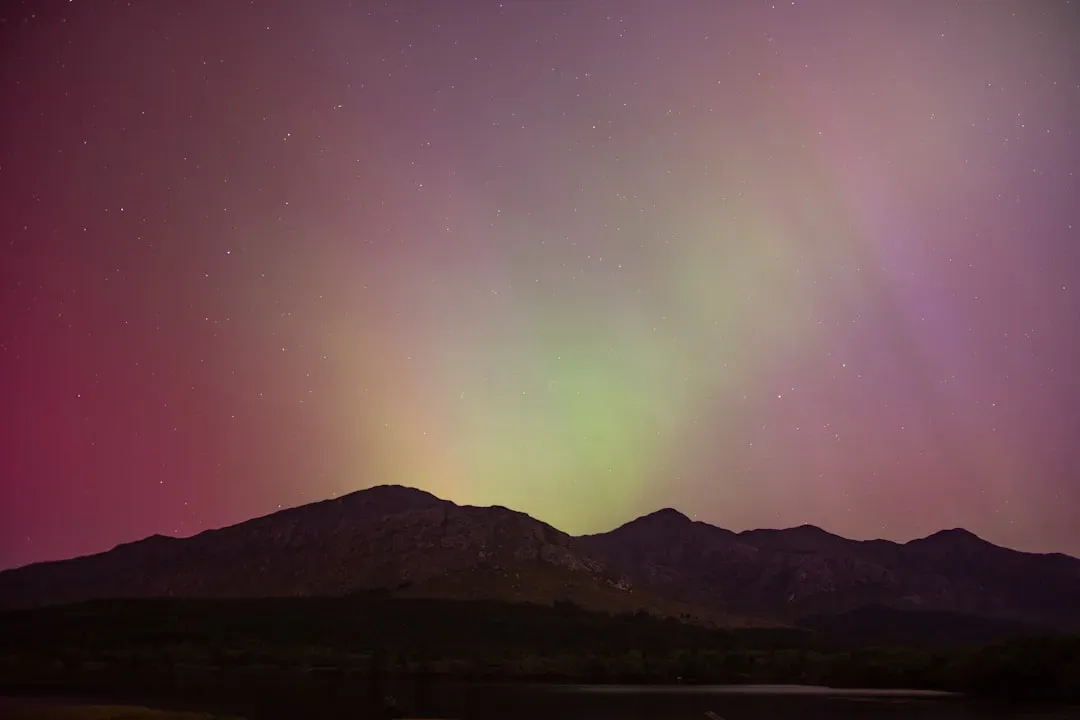
Most of us will never tick off every one of these phenomena, and honestly, that’s part of what makes them so powerful. Knowing that you might only get one shot to see a great comet, stand in the shadow of the Moon, or watch a desert explode in color makes those chances feel heavier, more meaningful. It nudges you to look up a little more often, to say yes to that pre‑dawn alarm for a meteor shower, or to drive the extra hour out of the city when the forecast says the aurora might dance.
In the end, these events are less about collecting rare experiences like trophies and more about remembering you live on a restless, fascinating planet in a dynamic universe. The sky isn’t just wallpaper, and the ground under your feet isn’t as still as it seems. Somewhere right now, someone is standing in the middle of their own once‑in‑a‑lifetime moment, possibly without realizing how rare it really is. When your turn comes, will you be looking up, or will you be staring at your phone?