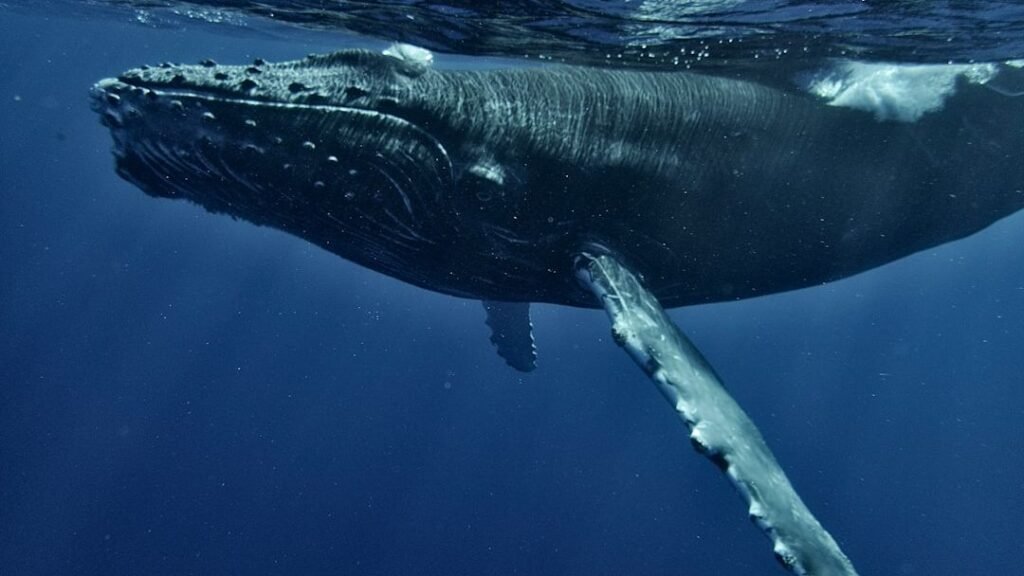

If you ever wanted to know what it feels like to stand next to a living relic from another age, you’d want to meet a North Atlantic right whale. They carry scars like battle armor, move with quiet power, and live out their lives in some of the busiest, most dangerous waters on the planet. Yet most people will go their entire lives without ever knowing they exist.
Right now, fewer than about four hundred of these whales are left, and scientists think the number of breeding females is closer to just around seventy or so. That’s not a statistic you can shrug off; that’s a family-sized population hanging by a thread. The more you learn about them, the more it feels like the world is on the verge of losing a once-in-a-thousand-years masterpiece. Here are ten surprising, sometimes heartbreaking, sometimes hopeful facts about the North Atlantic right whale that reveal just how extraordinary they really are.
They Were Once Considered the “Right” Whale to Kill
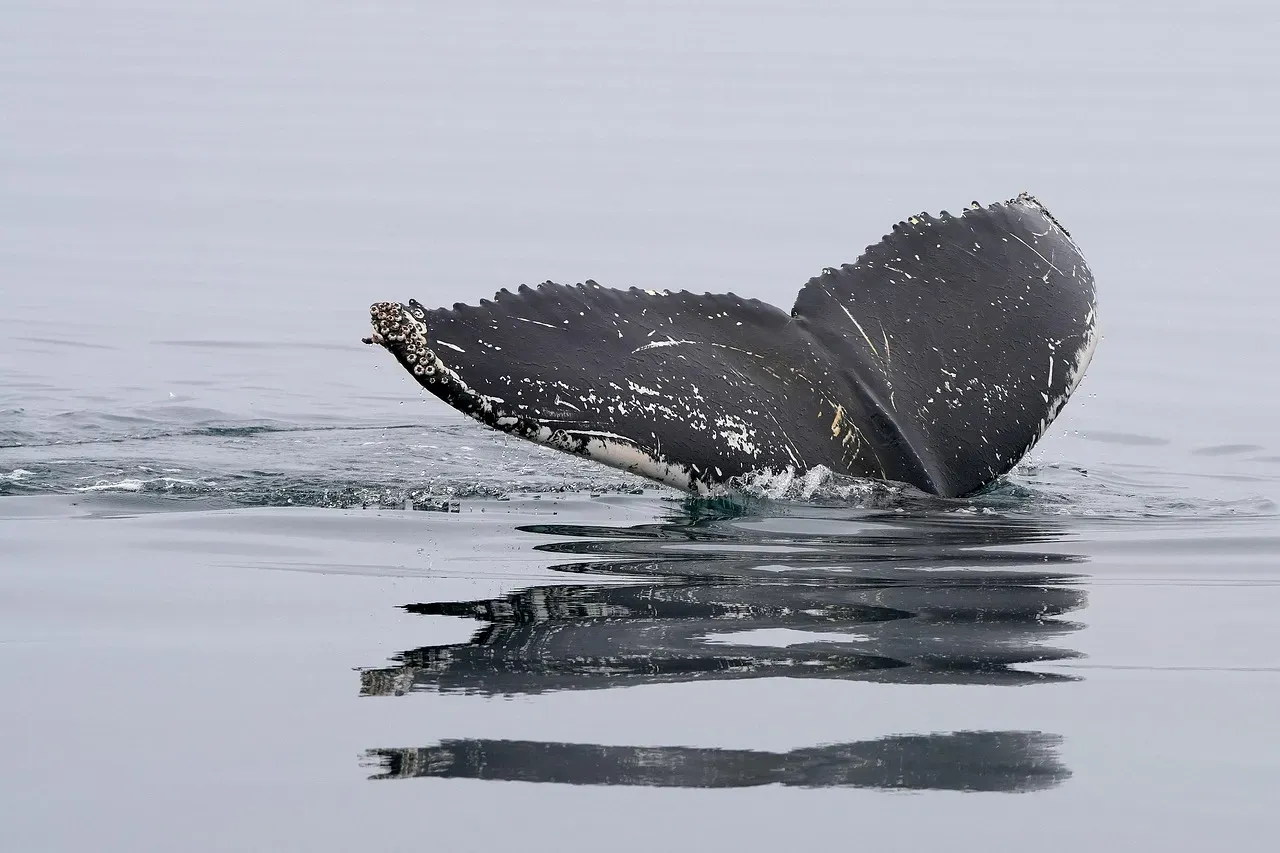
North Atlantic right whales didn’t get their name by accident. They were called the “right” whales by commercial whalers for the worst possible reason: they were slow, floated when killed, and provided huge amounts of oil and baleen. In other words, they were easy, profitable targets in an era when whale oil lit cities and lubricated machines.
By the early twentieth century, centuries of relentless whaling had driven them to the edge of extinction. International protections came in the nineteen thirties and later decades, but by then the damage was already extreme. What’s so striking now is that hunting is banned, yet these whales remain critically endangered for entirely new human-made reasons. It’s like they survived one era of exploitation only to be ambushed by another.
There Are Only a Few Hundred Left on Earth
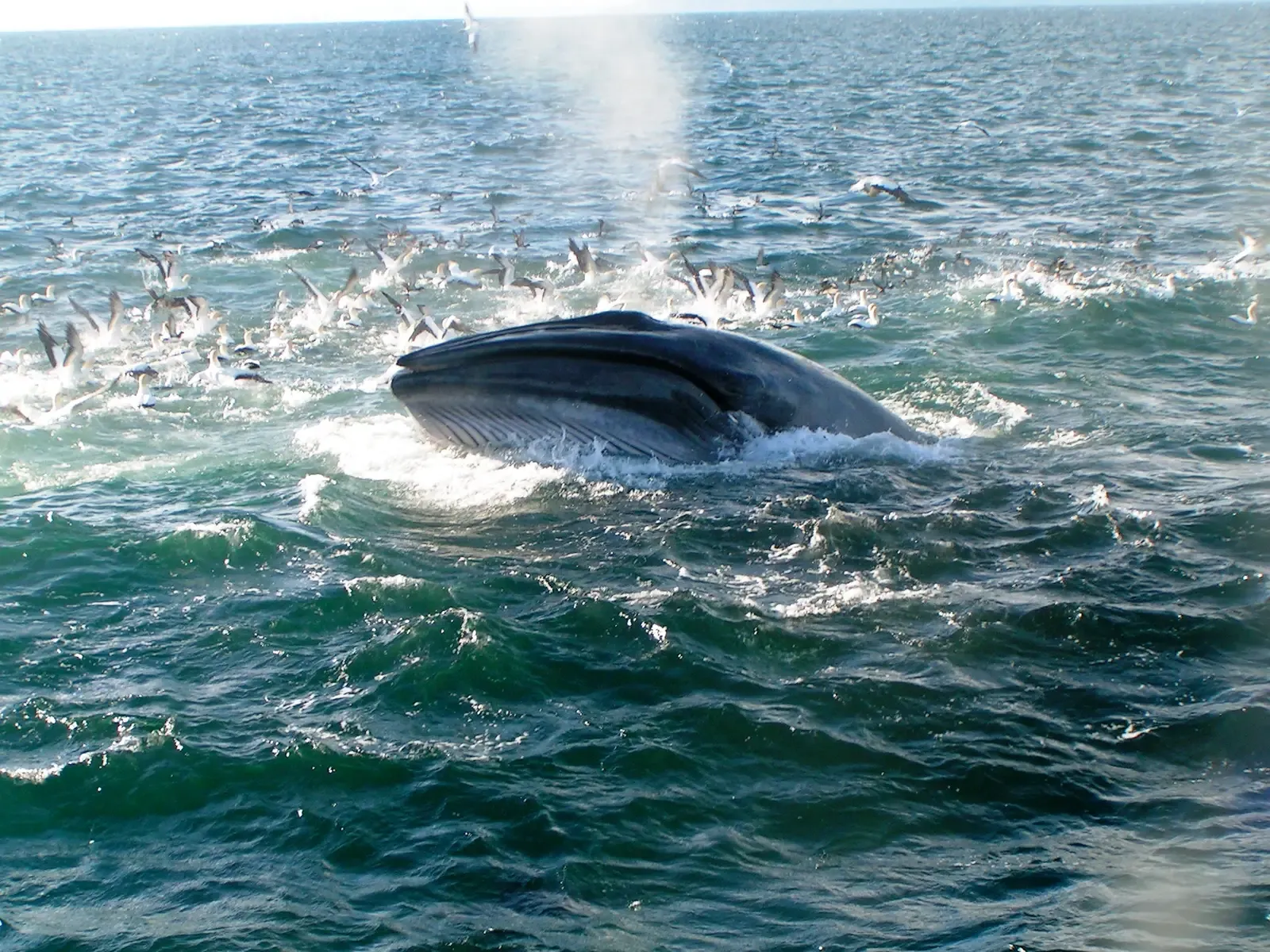
Today, North Atlantic right whales are among the most endangered large whales on the planet. Recent estimates suggest only about three to four hundred individuals remain, and that number has been trending downward over the past decade. What’s even more alarming is that only a small fraction of those are adult females capable of having calves.
When you zoom out and think of the entire North Atlantic Ocean, it’s unsettling to realize that such a vast space holds so few of these giants. Scientists track many individuals by their unique markings, and they actually have catalogues with faces and names for hundreds of whales. That level of familiarity says a lot: this isn’t a nameless mass of wildlife, it’s a tiny, knowable group we can almost count one by one.
They Are Gentle Giants the Length of a City Bus
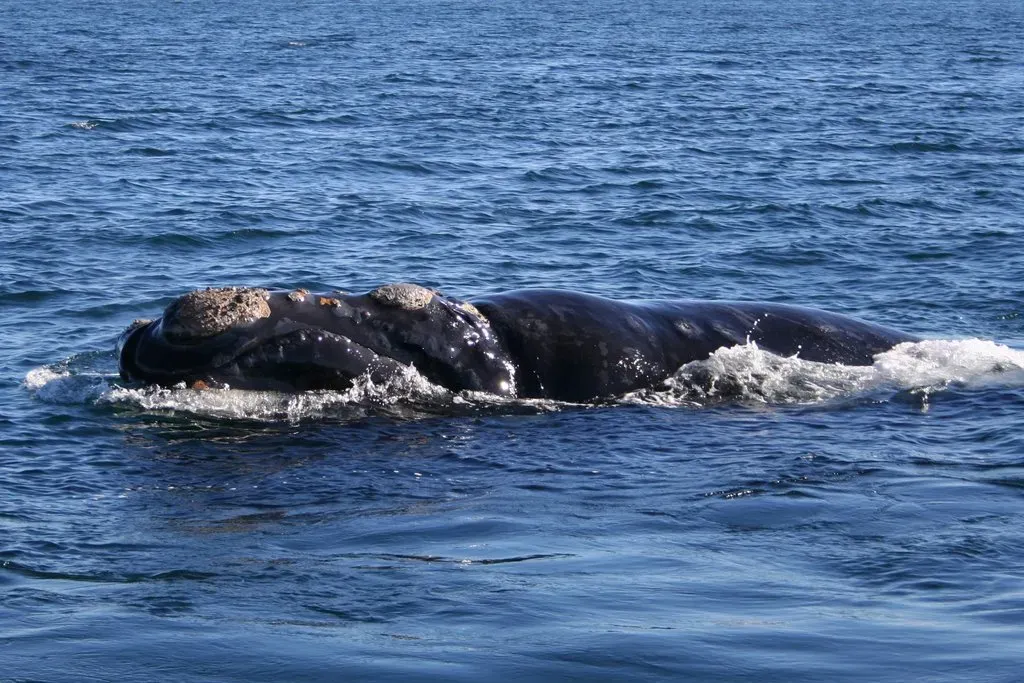
Right whales may be vanishingly rare, but they are physically impossible to ignore if you ever see one. Adults can reach around fourteen to sixteen meters in length, roughly the size of a city bus, and can weigh as much as a fully loaded commercial jet. Despite that bulk, they move with a kind of deliberate, almost lazy grace that feels out of step with how dangerous their lives actually are.
They’re baleen whales, which means they feed by filtering tiny organisms like copepods and small zooplankton from the water, not by hunting big prey. There’s something almost absurd about an animal that big surviving on a cloud of microscopic creatures, like a freight train living off dust. Watching one surface slowly and exhale a tall, bushy blow can feel strangely calming, until you remember how few are left to do it.
Their Faces Are Covered in White, Crusty Callosities
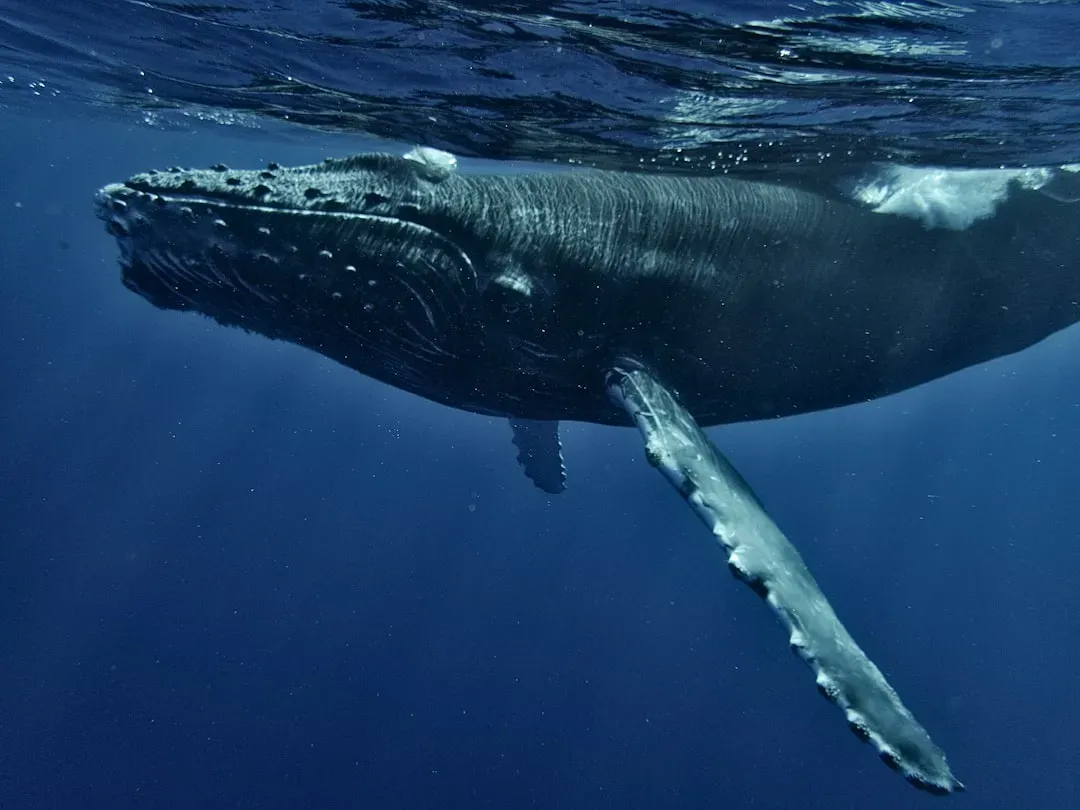
One of the first things people notice in photos of right whales are the rough, light-colored patches on their heads and jaws. These are called callosities, thickened areas of skin that are naturally dark but appear white or cream because they’re covered with tiny whale lice. Each whale has a unique pattern of callosities, almost like a human fingerprint.
Researchers use these patterns to identify individuals, track their movements, and document injuries and family histories over many years. It’s a bit like recognizing an old friend by their freckles and scars. At first the callosities look strange or even unsettling, but once you know their purpose, they become a kind of living name tag, a way for humans to keep up with lives lived almost entirely out of sight.
Ship Strikes Are One of Their Biggest Killers
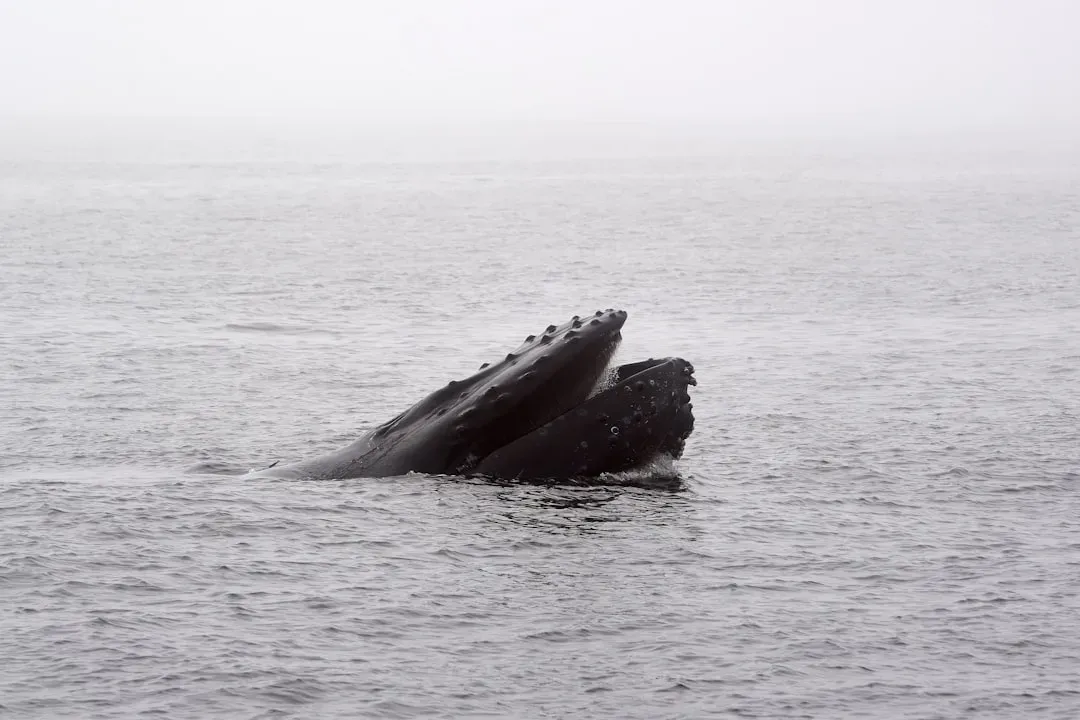
In the past, the main danger to right whales came from harpoons. Now, it’s the propellers and hulls of massive cargo ships, tankers, and other large vessels. North Atlantic right whales often feed and migrate through busy shipping lanes off the east coast of North America, especially around places like the Gulf of Maine and the waters off the southeastern United States. When a whale and a ship cross paths, the whale almost always loses.
Many dead right whales found in recent years show brutal signs of vessel strikes: deep propeller wounds, crushed skulls, broken bones. It’s hard to overstate how frustrating this is for scientists, because collisions are largely preventable. Slower speeds, seasonal route adjustments, and real-time monitoring of whale locations can dramatically cut the risk, yet compliance is inconsistent. In a world of satellite navigation and self-driving cars, the idea that a critically endangered giant can still be run over feels like a failure of will, not technology.
Entanglement in Fishing Gear Slowly Wears Them Down
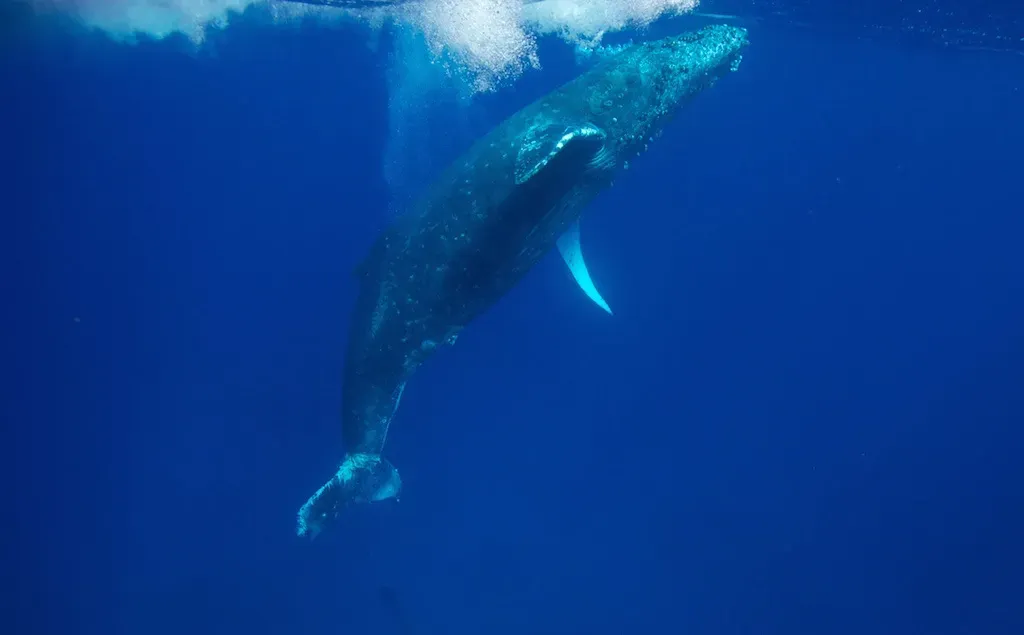
If ship strikes kill quickly, fishing gear kills slowly. North Atlantic right whales often become entangled in ropes and lines connected to lobster and crab pots, gillnets, and other fishing equipment. These thick lines can wrap around their mouths, flukes, or flippers, cutting into flesh and causing infections, pain, and exhaustion. Some whales carry these ropes for months or even years.
Entanglement can also interfere with feeding and movement, forcing whales to expend more energy just to swim and surface. Over time, that chronic stress can reduce their ability to reproduce and care for calves, even when it doesn’t kill them outright. Rescue teams sometimes attempt daring disentanglement operations, cutting ropes from live whales at sea, but they can’t possibly reach every animal. It’s like trying to fix a leaking dam with a teaspoon while more water keeps pouring in.
Their Calves Are Born in Warm Southern Waters
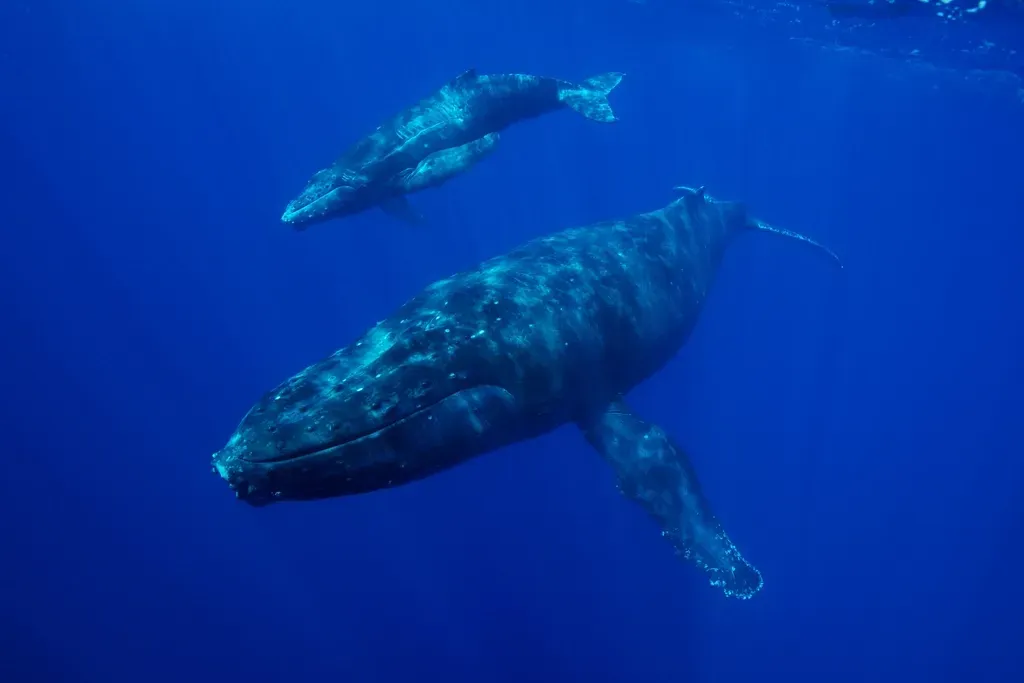
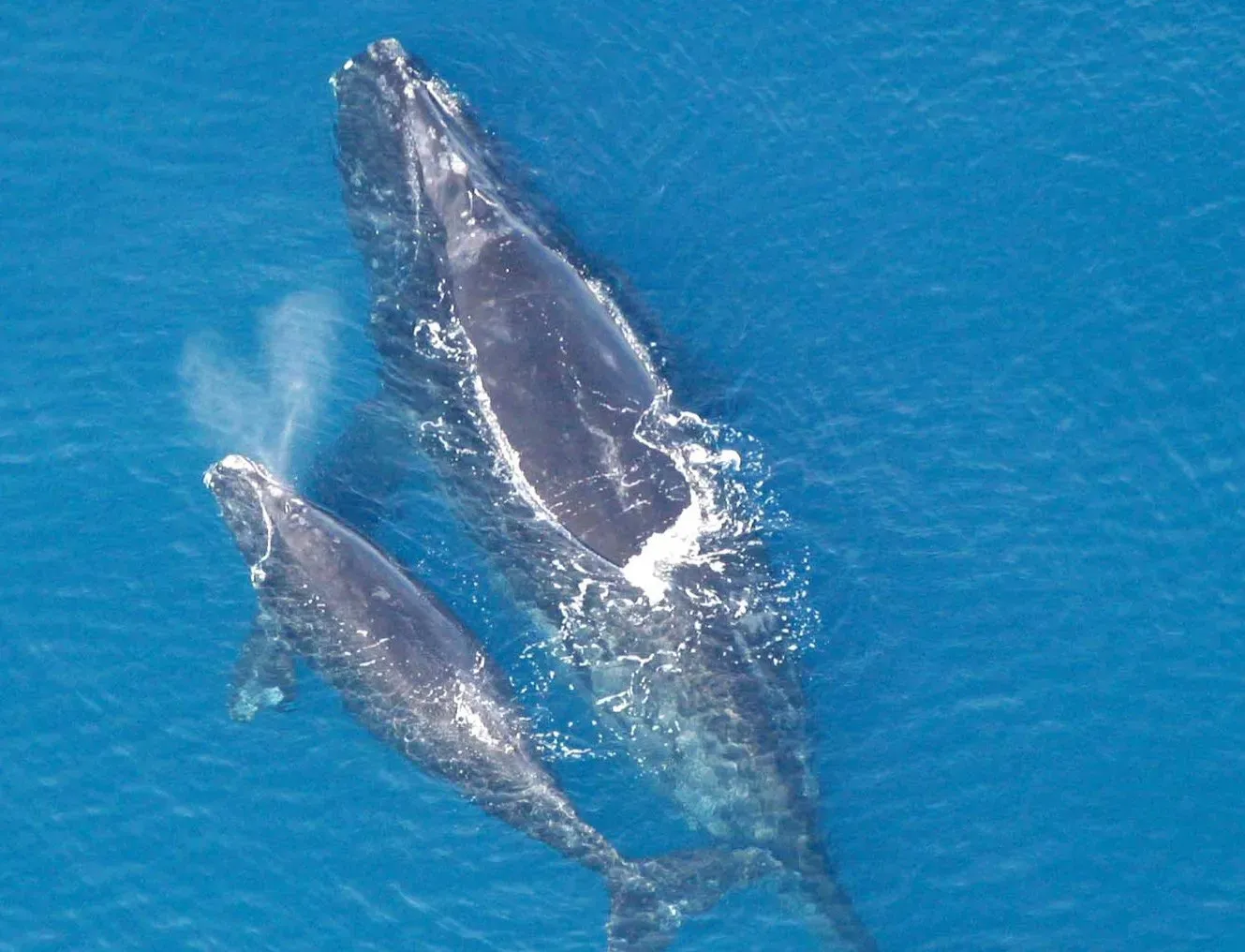
Every winter, pregnant North Atlantic right whales undertake a remarkable journey from the cold, productive waters of the north down to the warmer coastal waters off the southeastern United States. These areas, especially off Georgia and Florida, serve as critical calving grounds where newborns can be born and nursed in relatively calm, shallow water. A right whale calf is already several meters long at birth, yet still completely dependent on its mother.
This migration makes the species especially vulnerable, because mothers and calves travel through some of the most heavily used coastal zones. More ship traffic and fishing activity in those regions means more chances for deadly encounters. In a good year, scientists might document a couple of dozen new calves; in bad years, the number of births has dropped to barely a handful. When you’re counting births one by one, every calf feels like a victory, and every loss feels like a gut punch.
They Live Long Lives, But Reproduce Very Slowly
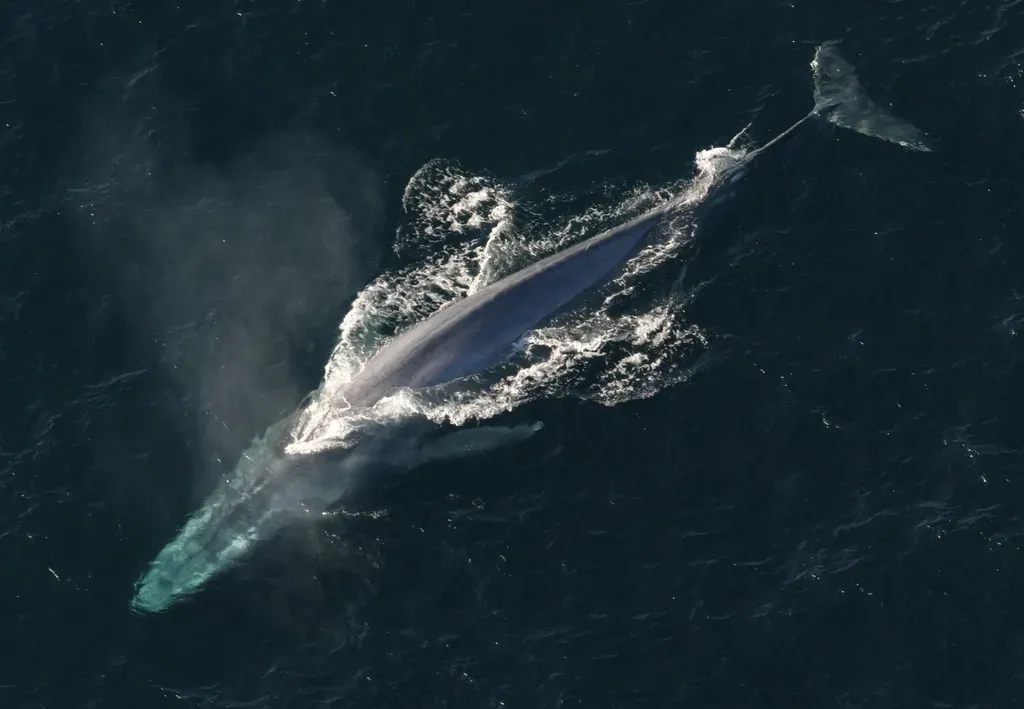
Like many large whales, North Atlantic right whales can live for many decades, possibly up to seventy years or more when conditions are good. Longevity sounds like an advantage, but it comes with a tradeoff: they mature late and have relatively few calves over a lifetime. Females typically don’t have their first calf until they are close to a decade old, and in the past they might have given birth every three or four years.
Recently, that interval appears to be stretching longer as stress, injuries, and limited food make it harder for females to carry and nurse calves. This slow reproductive pace is one reason the species is struggling to recover even with legal protections in place. When a single adult female dies, it’s not just one life lost; it’s potentially several future generations cut off. In conservation terms, that makes every death far more damaging than it first appears.
Climate Change Is Scrambling Their Food Supply
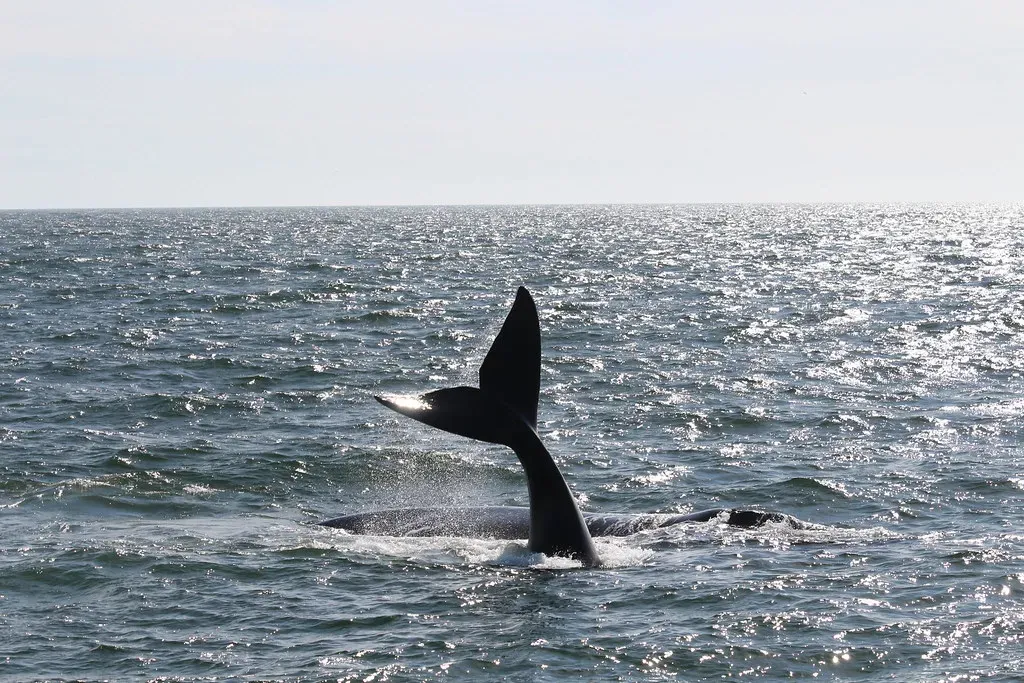
North Atlantic right whales are picky eaters in their own way. They rely heavily on dense patches of tiny, energy-rich zooplankton that gather in certain cold-water areas. As ocean temperatures shift due to climate change, those plankton hotspots are moving, shrinking, or becoming less predictable. That forces whales to search wider areas and sometimes show up in new places where protections are weaker and human activity is intense.
Over the last decade, more right whales have been seen in places like the Gulf of St. Lawrence, where shipping and fishing rules weren’t originally designed with them in mind. This sudden redistribution has led to several fatal collisions and entanglements in areas that used to be considered lower risk. It’s a moving-target problem: policies and protections lag behind the whales, who are simply trying to find enough food to survive. In a sense, climate change is quietly rewriting the map under their fins.
Saving Them Requires Rethinking How We Use the Ocean
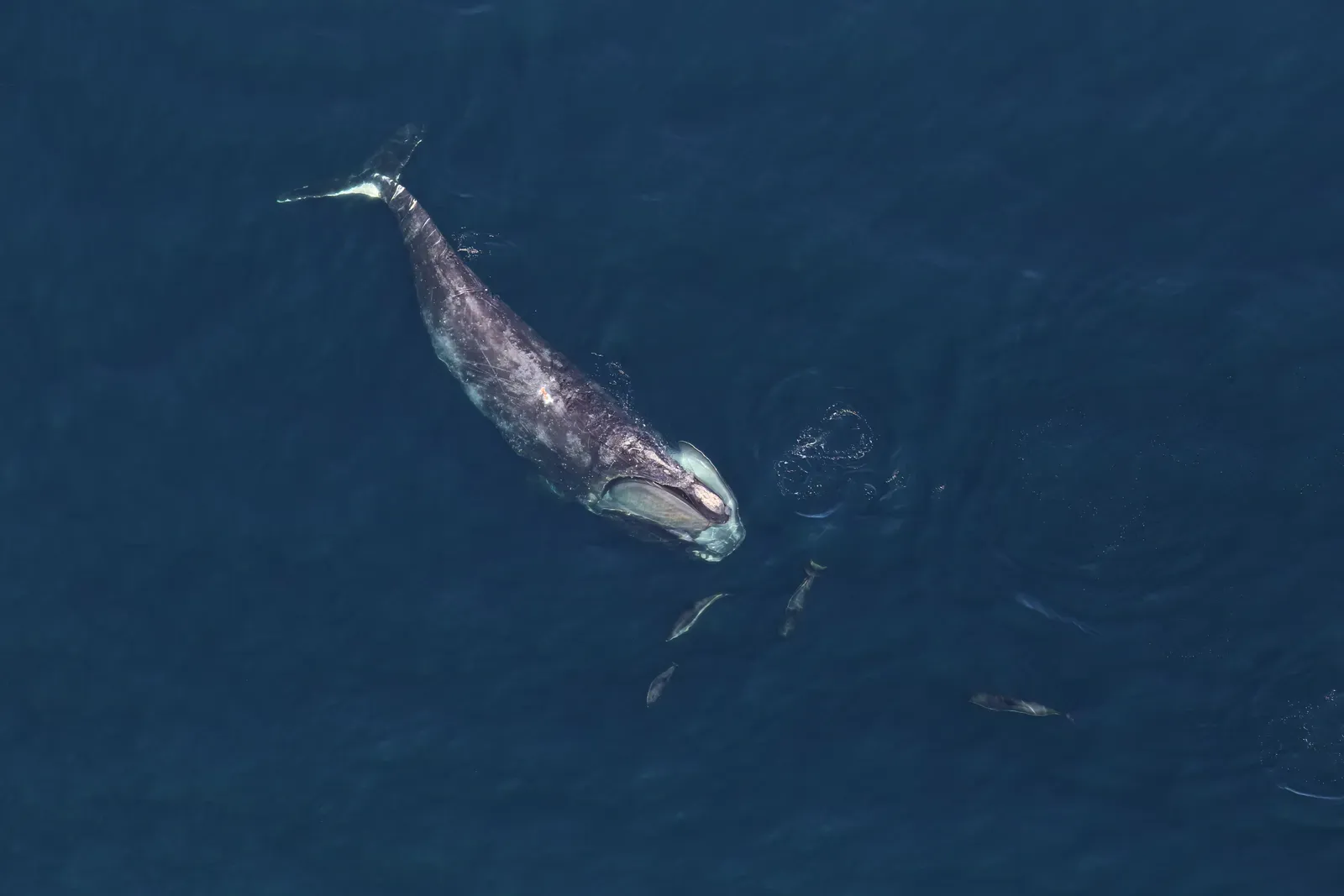
The story of the North Atlantic right whale is not just a wildlife problem; it’s a mirror held up to how we run shipping, fishing, and coastal development. Protecting this species essentially forces us to ask hard questions about speed limits for cargo vessels, the design of fishing gear, and where and when certain activities should take place. It’s not comfortable, because it means changing habits and business models that people have relied on for decades.
Yet some solutions are already on the table: rope-free fishing technologies, dynamic speed zones for ships based on real-time whale sightings, and stronger enforcement of existing rules. To me, the most striking thing is that the fate of a huge, ancient animal comes down to thousands of small, human decisions made every single day. If we choose differently, there’s still a realistic chance for right whales to recover. If we don’t, the ocean could lose one of its most remarkable residents within our lifetime.
A Species Teetering on the Edge of Memory
The North Atlantic right whale is living proof that survival is not just about strength or size, but about whether the world around you leaves enough room for you to exist. These whales have endured centuries of hunting, changing seas, and an ocean increasingly crowded with human activity, and they are paying for it with every scar and missing calf. Their story threads together history, climate, technology, and ethics into something that’s impossible to ignore once you’ve seen the whole picture.
What makes their situation so haunting is how close they are to disappearing and how preventable much of their suffering still is. They’re not fading away in some distant, untouched wilderness; they are dying in plain sight along one of the most developed coastlines on Earth. Whether they’re remembered as a species we pulled back from the brink or one we watched vanish with full knowledge of what was happening is, uncomfortably, up to us. What kind of ending would you have expected for a giant like this?