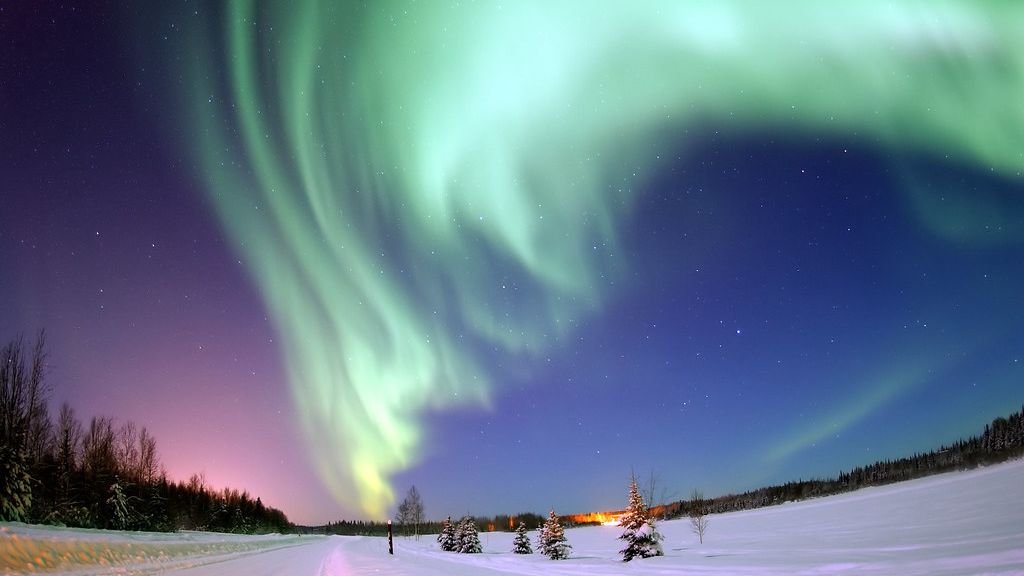

If you’ve ever seen the northern lights in person, you know it feels almost unreal, like the sky suddenly decided to start breathing color. Even videos don’t quite capture that eerie, electric shimmer that makes you forget, for a moment, that you’re standing on a cold rock hurtling through space. The wild part? The more scientists learn about the aurora borealis, the stranger and more beautiful the story behind those dancing lights becomes.
What looks like pure magic is actually a chaotic cosmic collision happening high above your head. Particles from the Sun slam into Earth’s atmosphere, invisible forces twist them into ribbons of light, and somehow, out of all that violent energy, we get silent curtains of color gliding across the night. Let’s dive into ten genuinely amazing facts about the aurora borealis that go way beyond pretty pictures and travel bucket lists.
1. The Aurora Is a Giant Cosmic Collision You Can Actually See
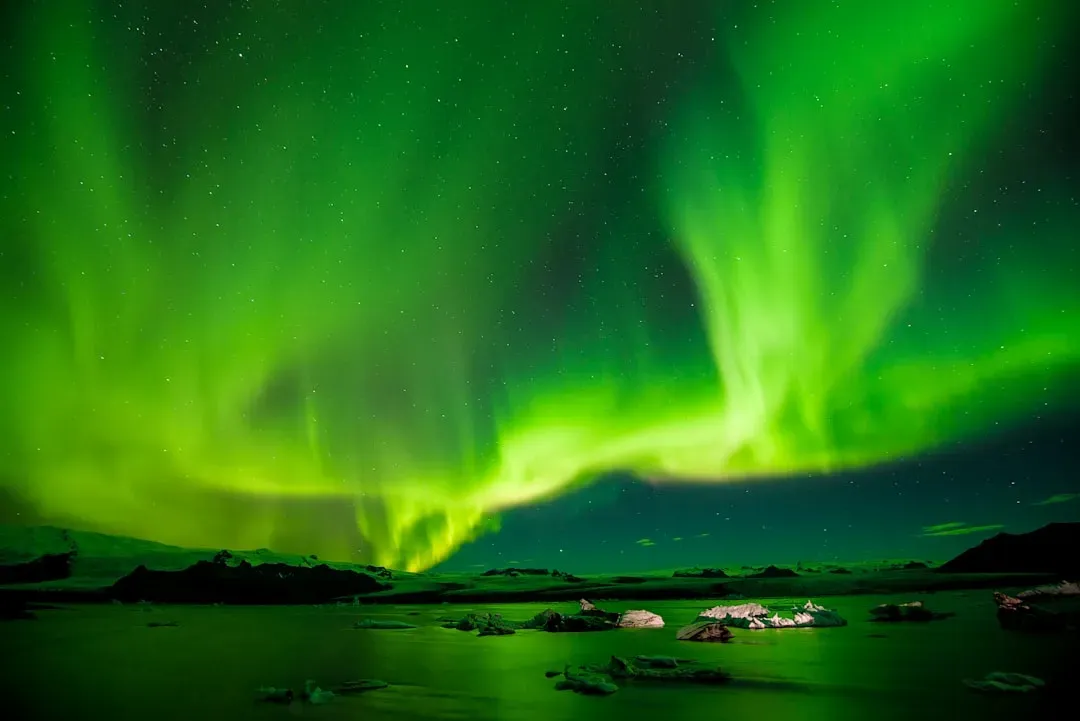
The northern lights start nearly 150 million kilometers away, at the Sun. The Sun constantly blasts out a stream of charged particles, called the solar wind, and every now and then, it hurls massive clouds of plasma toward Earth in explosive solar storms. When those high-energy particles finally reach us, Earth’s magnetic field funnels them toward the polar regions like invisible guardrails.
High in the atmosphere, those particles crash into atoms and molecules of oxygen and nitrogen. That impact excites the gases, which then release energy in the form of light as they calm back down. It’s basically a natural neon sign stretched across the sky, driven not by electricity from a building but by the raw power of space weather. The quiet beauty you see from the ground is really the glowing footprint of a violent, ongoing battle between our planet and the Sun.
2. The Colors Reveal What the Atmosphere Is Made Of
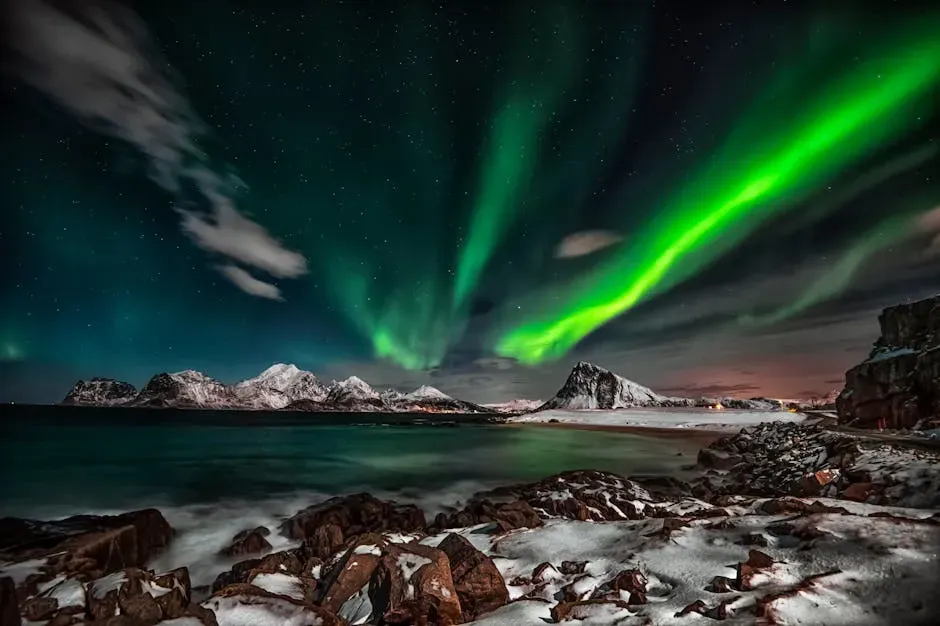
The aurora’s most familiar shade is that ghostly green, but the sky can also flash with red, purple, pink, and even rare deep blues. Those colors aren’t random; they’re clues about what kind of atoms are being hit and how high up the collisions are happening. Green typically comes from oxygen atoms around one hundred to two hundred kilometers above the ground, while blood-red auroras show up when oxygen is excited even higher up.
Purples and pinks often come from nitrogen being hit at lower altitudes, where the air is denser. Think of it like the atmosphere playing different notes when the solar wind smacks it, and each gas has its own distinct “color tone.” Scientists can actually use auroral colors to infer the composition and structure of the upper atmosphere, turning those pretty lights into real data about our planet’s fragile outer layers.
3. Auroras Are Not Just Northern Lights – They Have a Southern Twin
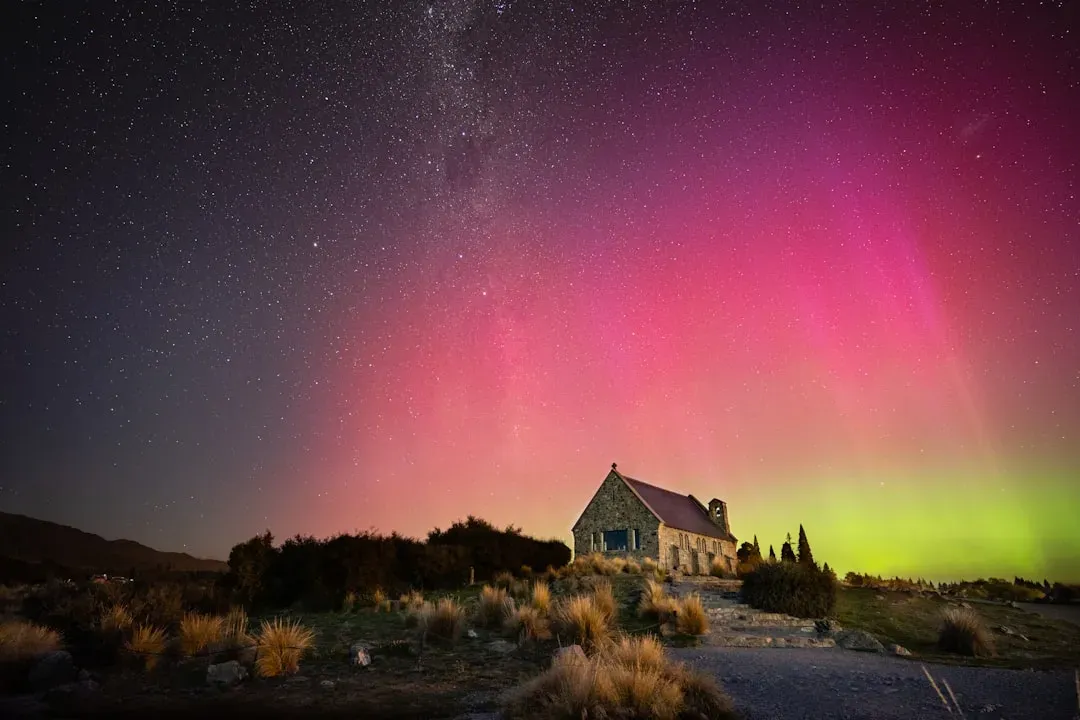
Most people talk about the northern lights and imagine cold nights in Norway, Iceland, or Canada, but there’s an entire other show happening at the bottom of the world. The southern lights, or aurora australis, glow over Antarctica and the Southern Ocean, painting the sky for those lucky enough to be on research bases or remote islands. In many ways, they mirror their northern counterpart, because Earth’s magnetic field guides particles to both poles.
What’s wild is that during strong solar storms, both hemispheres can light up at the same time, forming oval-shaped “auroral rings” encircling each pole. If you could step far enough away in space, you’d see Earth wearing two glowing halos like some kind of cosmic crown. The only reason the northern lights are more famous is simple: there are far more people and accessible towns under the northern oval than under the southern one.
4. The Lights Actually Make Sounds – But Your Ears Barely Stand a Chance
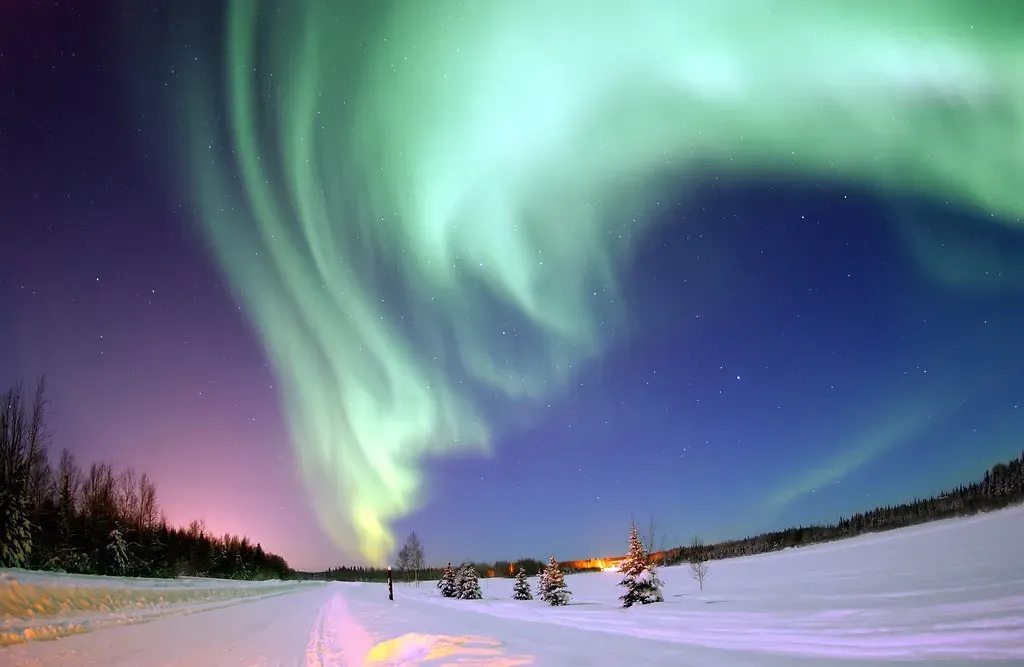
For years, people who claimed to hear the aurora were often dismissed as confused or overly imaginative. Visually stunning, sure, but sound in the upper atmosphere? That seemed unlikely. Yet, researchers have collected credible reports of faint crackling or rustling noises that sometimes accompany strong displays, usually described as something like static or soft whispering.
More recent studies suggest these sounds may form lower than the visible light, possibly around the inversion layers of the atmosphere, and may be triggered by changes in electromagnetic fields during intense auroral activity. They’re likely very faint and easily drowned out by wind or traffic, which is why most people never hear them. It turns the northern lights into something even stranger: a silent movie in the sky that occasionally has a secret, hidden soundtrack.
5. The Aurora Can Knock Out Power Grids and Mess With Technology
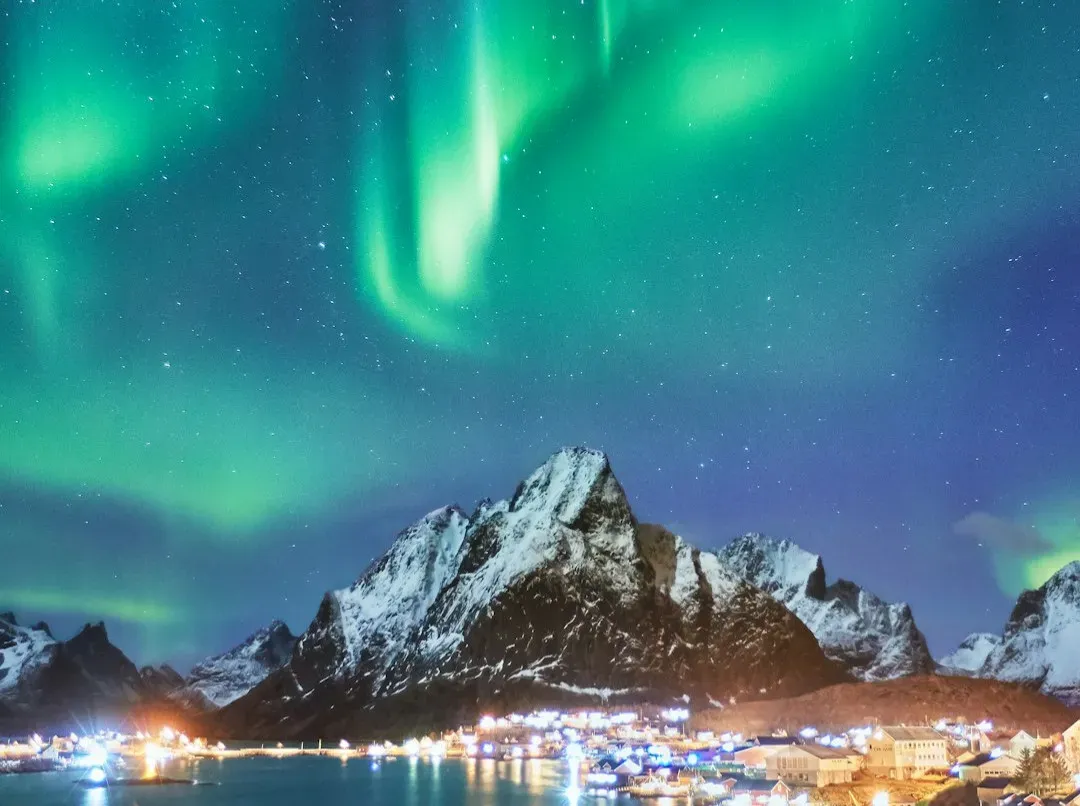
As peaceful as the aurora looks, the storms that power it can cause serious trouble on the ground. When huge bursts of solar particles and magnetic fields slam into Earth, they can induce electrical currents in long conductors like power lines and pipelines. These currents are not part of the normal system design, and when they get strong enough, transformers and grid infrastructure can be overloaded or damaged.
There have been real-world examples where geomagnetic storms linked to intense auroras have caused large-scale power outages and disrupted communications. Satellites can be pushed out of their orbits slightly as the atmosphere puffs up from heating, and radio signals can be garbled over large areas. So while tourists are standing outside gasping at the lights, engineers and space weather forecasters may be nervously watching their instruments and hoping nothing critical fails.
6. Auroras Can Drift Far Beyond the Arctic During Strong Storms
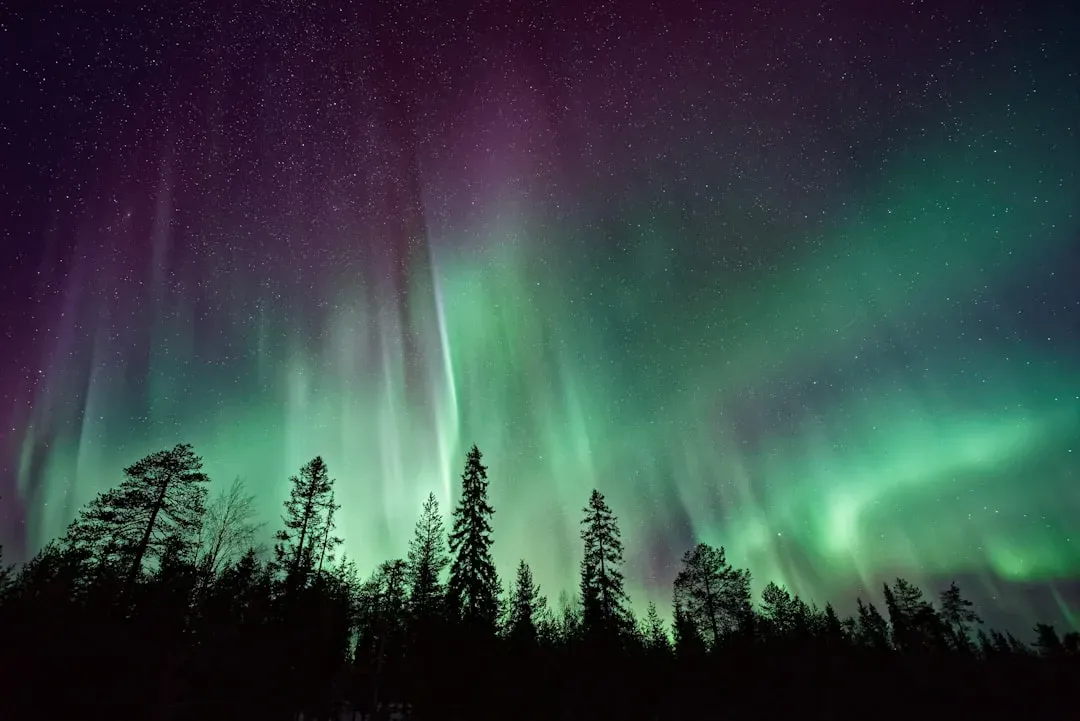
Most of the time, you have to go pretty far north to catch a good aurora show. But during particularly strong solar storms, the auroral oval expands dramatically, sometimes pushing the colorful bands hundreds or even thousands of kilometers farther toward the equator. People in regions that rarely see the lights suddenly find them shimmering overhead, sometimes in places that associate them more with legends than reality.
In the past, major storms have brought auroras into skies over densely populated mid-latitude regions, stunning people who had never imagined seeing such colors from their own backyard. These rare events are like the sky temporarily changing its rules, giving millions a surprise front-row seat. Every time the Sun ramps up toward the active phase of its cycle, scientists keep a closer watch for those extreme storms that could turn a routine night into something unforgettable.
7. The Aurora Was Once Blamed on Everything From Dragons to Omens
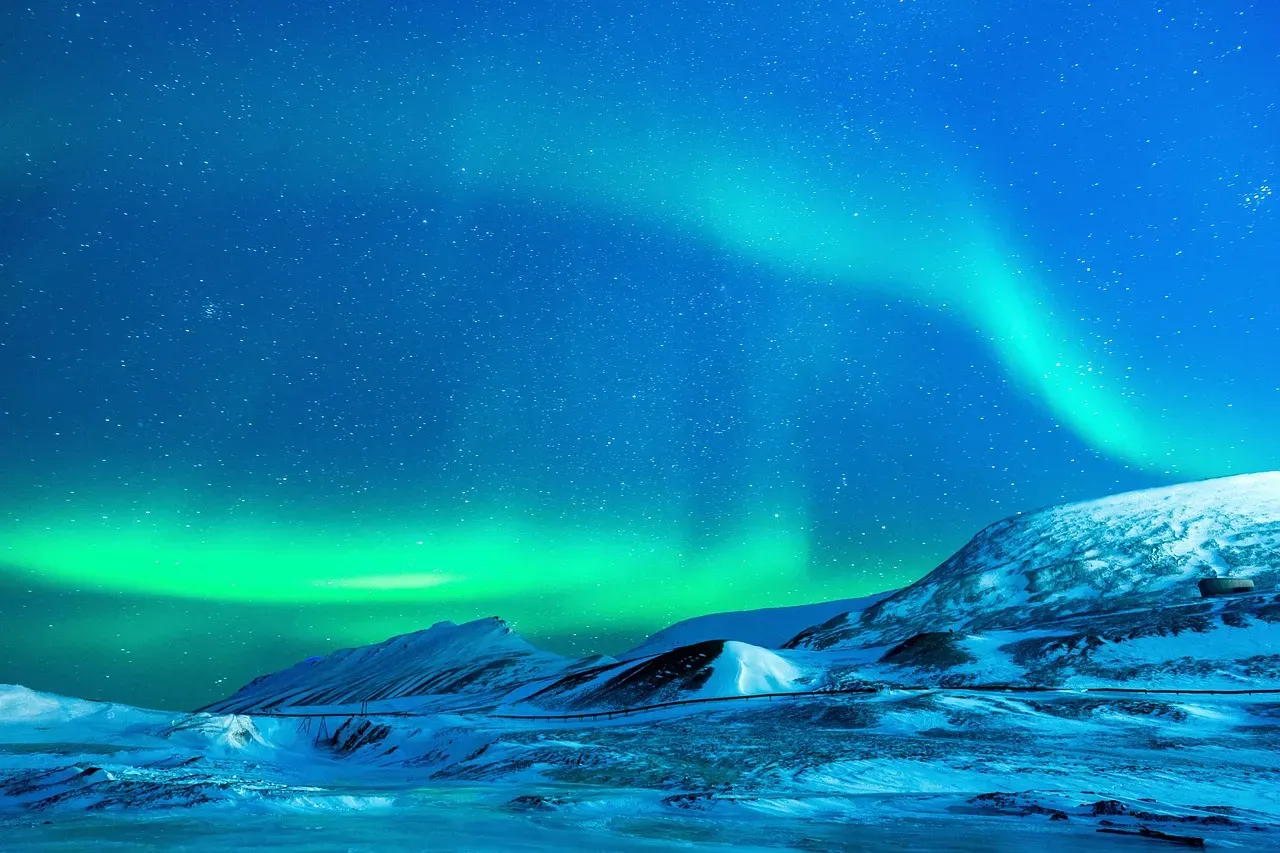
Long before satellites and physics equations, people had to make sense of the northern lights with nothing but their eyes and their imaginations. It’s not surprising that so many cultures saw the shimmering reds and greens as spirits, fires in the heavens, or even battles played out in the sky. When the aurora suddenly appeared bright and blood-red, it was often interpreted as a warning, a sign of war, disaster, or anger from the gods.
Some communities treated the aurora with deep reverence, believing that whistling or pointing at it could bring bad luck. Others connected it to the souls of the dead, or to animals and hunters watching over them. What’s moving is that, even now that we understand the physics, auroras still feel like something mythic. The stories may have changed, but that instinct to assign meaning to such an otherworldly sight remains very human.
8. Astronauts See the Aurora From the Side – and It’s Even Stranger
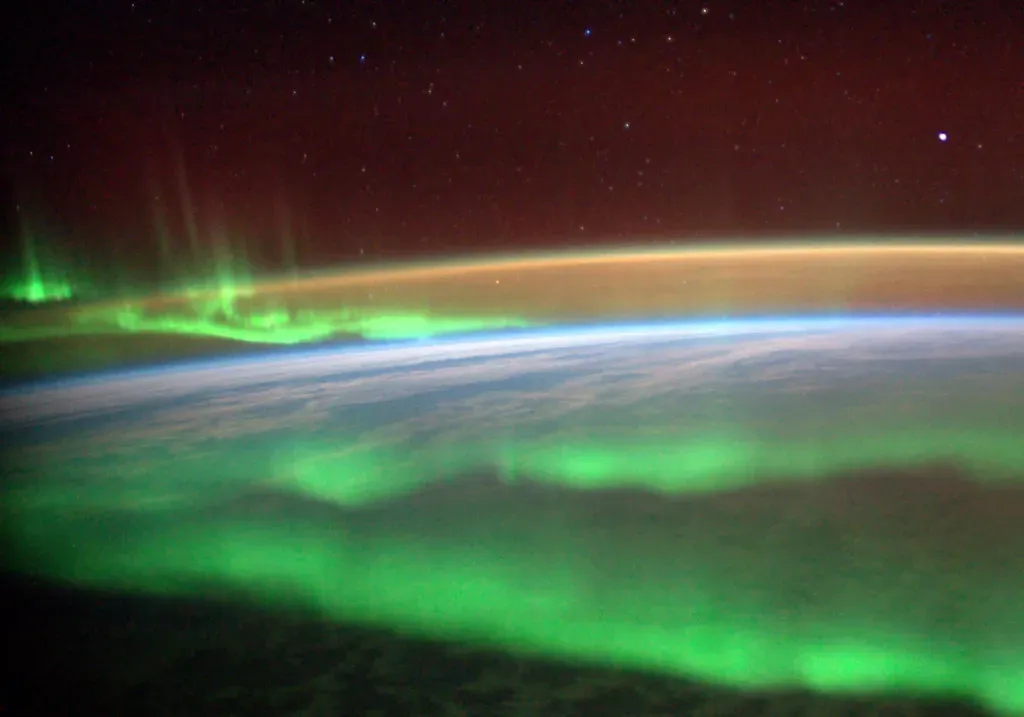
From the ground, the lights look like curtains draped overhead, but astronauts on the International Space Station get a very different view. Orbiting a few hundred kilometers above Earth, they often fly right over the glowing auroral oval, looking down at waves of green and red wrapping around the planet’s dark limb. Instead of a roof over their heads, they see a glowing, uneven ring hugging the atmosphere.
The aurora from space looks almost like Earth is wearing a thin, flickering shell of light. It traces out the lines of our magnetic field in a way that you just can’t see from the surface. That perspective drives home the fact that the aurora is not just a local light show for people in the north, but a planet-scale phenomenon that wraps around our world as a direct consequence of where we sit in the solar system.
9. Scientists Use Auroras to Study Space Weather and Protect Earth
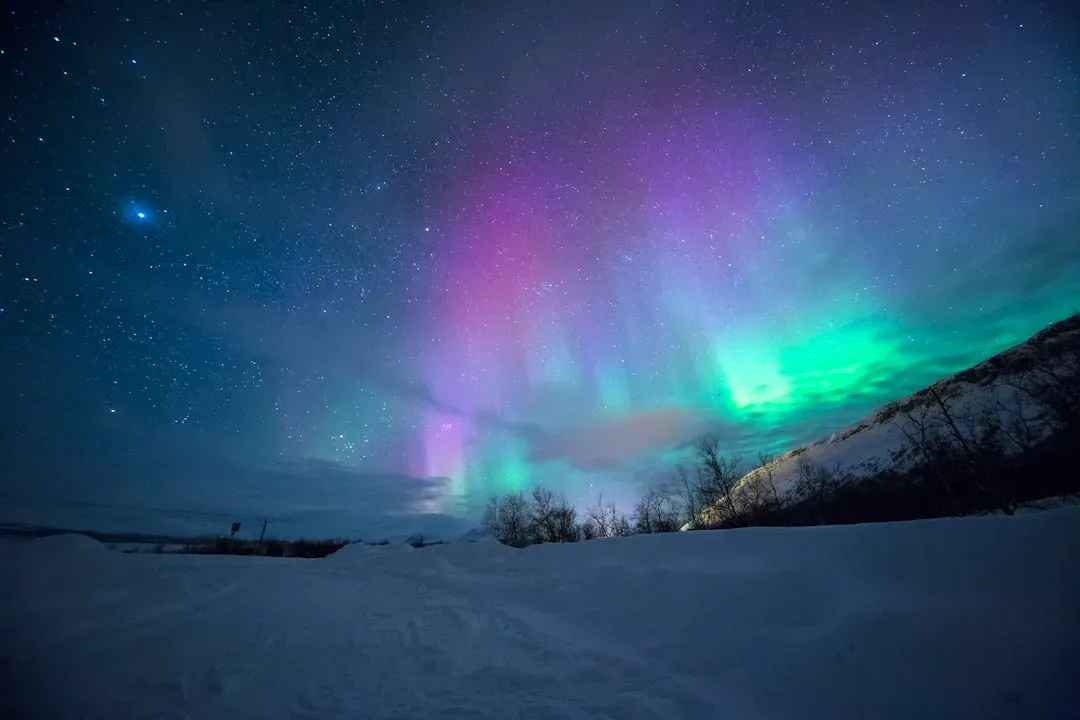
Auroras are more than eye candy; they’re a visible sign that something is happening in near-Earth space. By tracking when and where the lights appear, and how they change shape and brightness over time, scientists get clues about the behavior of the solar wind, Earth’s magnetic field, and the flow of charged particles. Instruments on the ground and on satellites work together to turn this into a kind of global monitoring system.
This matters because space weather can affect radio communications, navigation systems, and even air travel routes at high latitudes. Airlines sometimes reroute flights during severe storms to avoid increased radiation levels near the poles. Governments and energy operators also rely on alerts to prepare for possible impacts on infrastructure. In a very real sense, the shimmering waves of the aurora double as a warning light on Earth’s dashboard, hinting at what the Sun is throwing at us.
10. The Best Time to See the Aurora Is Tied to the Sun’s Rhythms
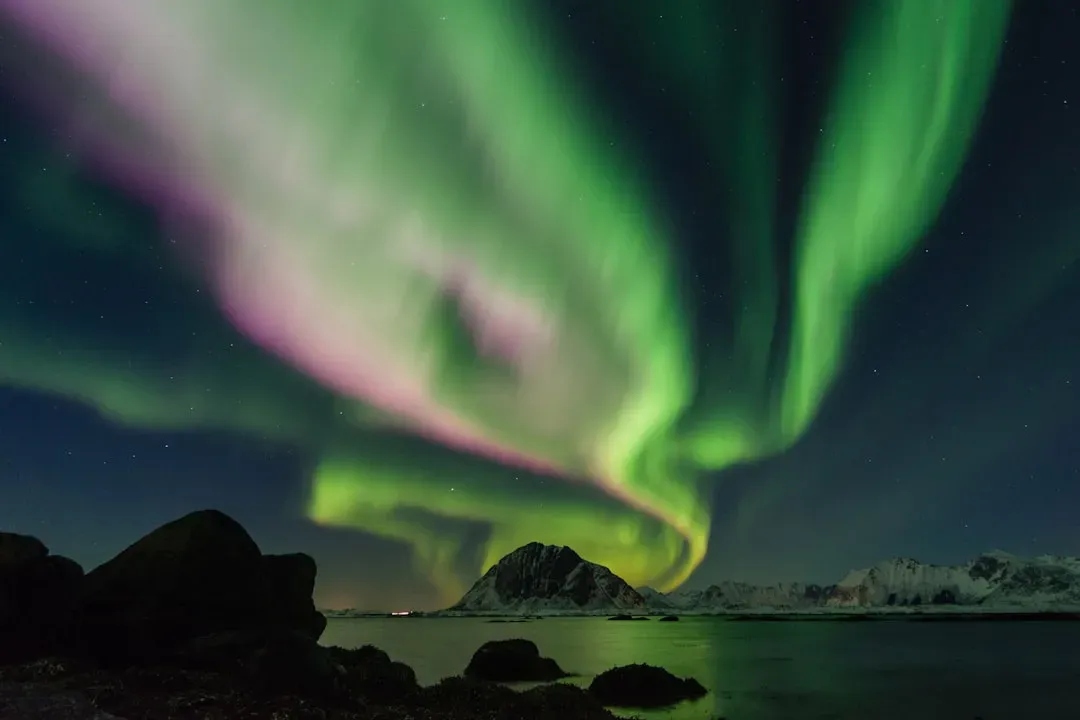
The northern lights might look random, but they follow patterns that are deeply connected to the Sun’s activity cycle. The Sun goes through a roughly eleven-year rhythm of quieter and more active phases, with sunspots and solar storms becoming more frequent toward the peak. During these more active years, auroras tend to be stronger and more frequent, especially near the polar regions but sometimes much farther out.
On a smaller scale, the best nights often follow a strong burst of solar particles that take a couple of days to reach Earth. Clear, dark skies away from city lights are still essential, but even the perfect location is useless if the Sun is having a quiet week. That connection between our sky and a star so far away makes every aurora feel a bit like an encrypted message from the Sun, written in light and color. Did you expect that?