
Have you ever held a crystal in your hand and wondered about its journey? Maybe you’ve admired the glint of quartz in a stone or marveled at the geometric perfection of a faceted gem. These aren’t just pretty objects. Each one carries a story that stretches back billions of years, written in atomic structures and forged through processes that shaped our planet itself.
Crystals are everywhere. They form the bedrock beneath your feet, sparkle in mountain ranges, and even hide deep inside volcanic chambers. Yet most people don’t realize just how extraordinary these minerals truly are, or the profound role they played in Earth’s ancient past. From revealing secrets about our planet’s earliest days to recording temperatures from eons ago, crystals are nature’s time capsules. Let’s dive in and explore ten surprising facts about these geological wonders and their connection to our planet’s formation.
They’re the Oldest Witnesses to Earth’s Infancy
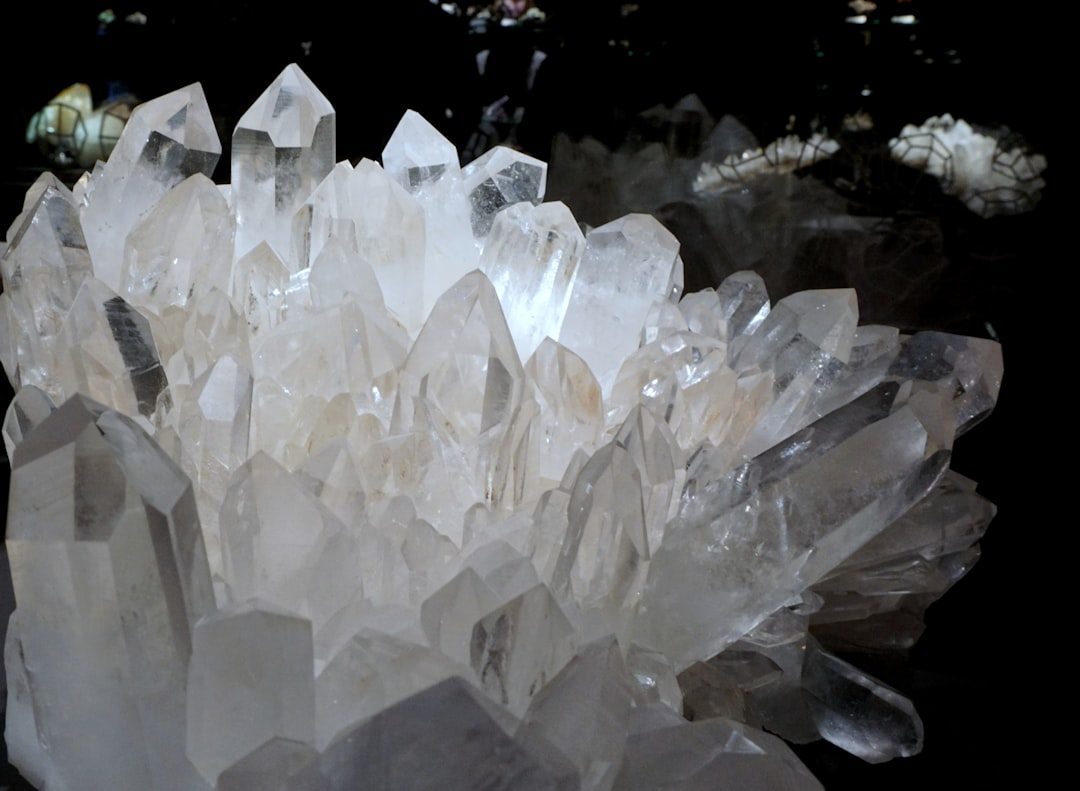
Think about the oldest thing you’ve ever seen. Maybe it’s a centuries-old building or an ancient tree. Now imagine something far, far older.
Zircon crystals found in Western Australia are up to 4.4 billion years old, making them the oldest dated material on Earth. Earth itself is roughly four and a half billion years old, which means these tiny minerals formed when our planet was just a toddler in cosmic terms. Scientists have found bits of zircon that formed just after the proto-Earth’s epic collision with a Mars-sized object that spawned our moon.
What makes zircons so special? They’re incredibly tough. These crystals are exceedingly difficult to destroy, making them the oldest preserved material that we’ve got. While other minerals crumbled and disappeared over billions of years, zircons endured. They survived being buried, heated, squeezed by immense pressures, and even being recycled through tectonic processes. Zircon crystals are almost indestructible and retain the chemical fingerprints of extremely early time like tiny time capsules.
Crystals Revealed That Early Earth Wasn’t a Hellscape
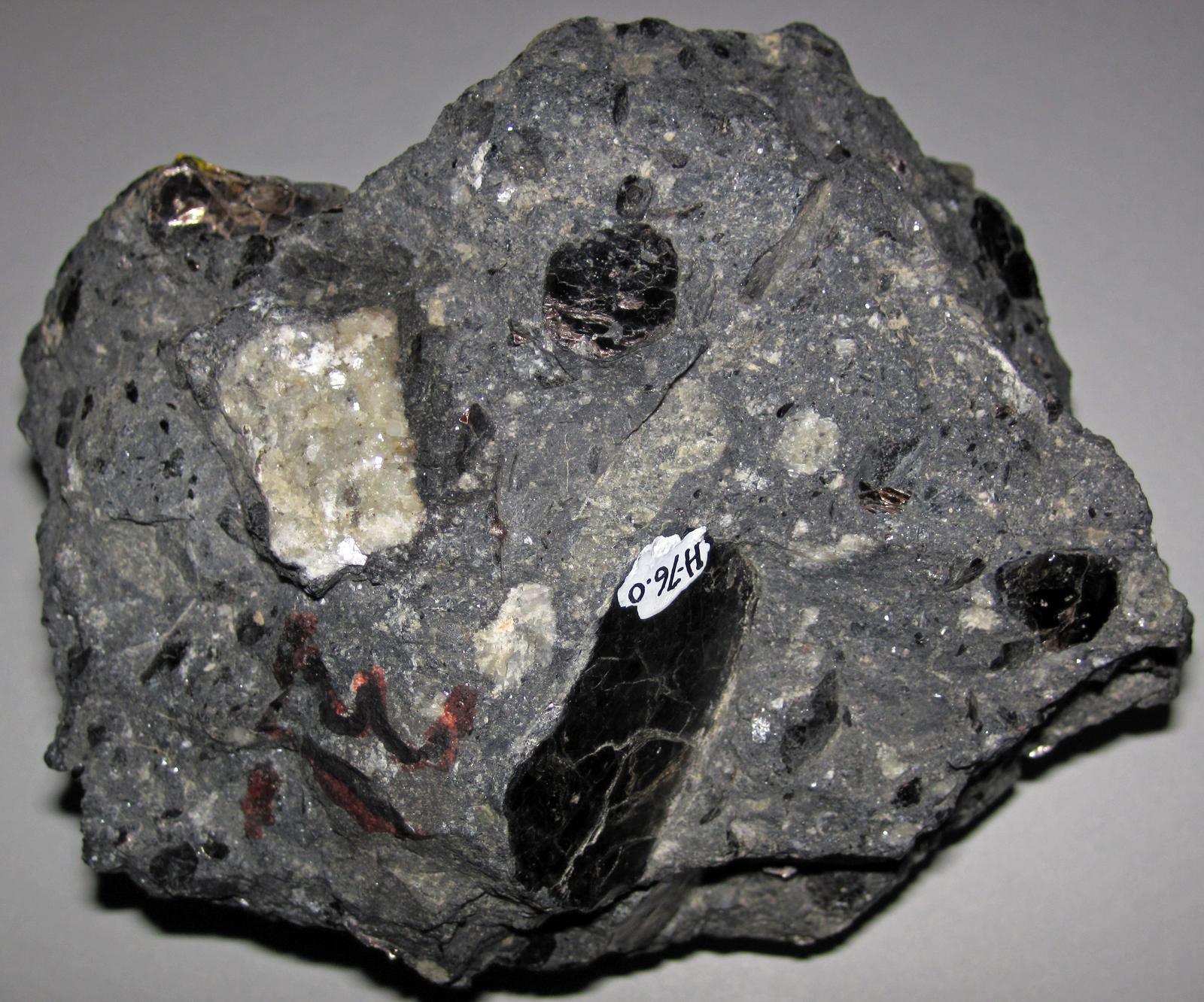
For years, scientists assumed Earth’s first few hundred million years were brutal. Picture a glowing, molten nightmare with no solid ground and certainly no water.
Turns out, that image was wrong. The oldest zircons found on Earth show that Earth had continents which were interacting with liquid water oceans. This revelation completely changed our understanding of our planet’s youth. These ancient crystals contain chemical signatures that could only form in the presence of water, suggesting oceans existed far earlier than previously thought.
Tiny grains of zircon might have witnessed the fall of rain on Earth’s earliest dry land some 4 billion years ago, as their chemical composition hints they formed from magmas doped with freshwater. This means the hydrological cycle – rain falling, rivers flowing, water evaporating – was already operating when Earth was extremely young. It also means conditions suitable for life may have existed much earlier than we imagined.
The Vast Majority of Earth’s Crust Is Made of Crystals
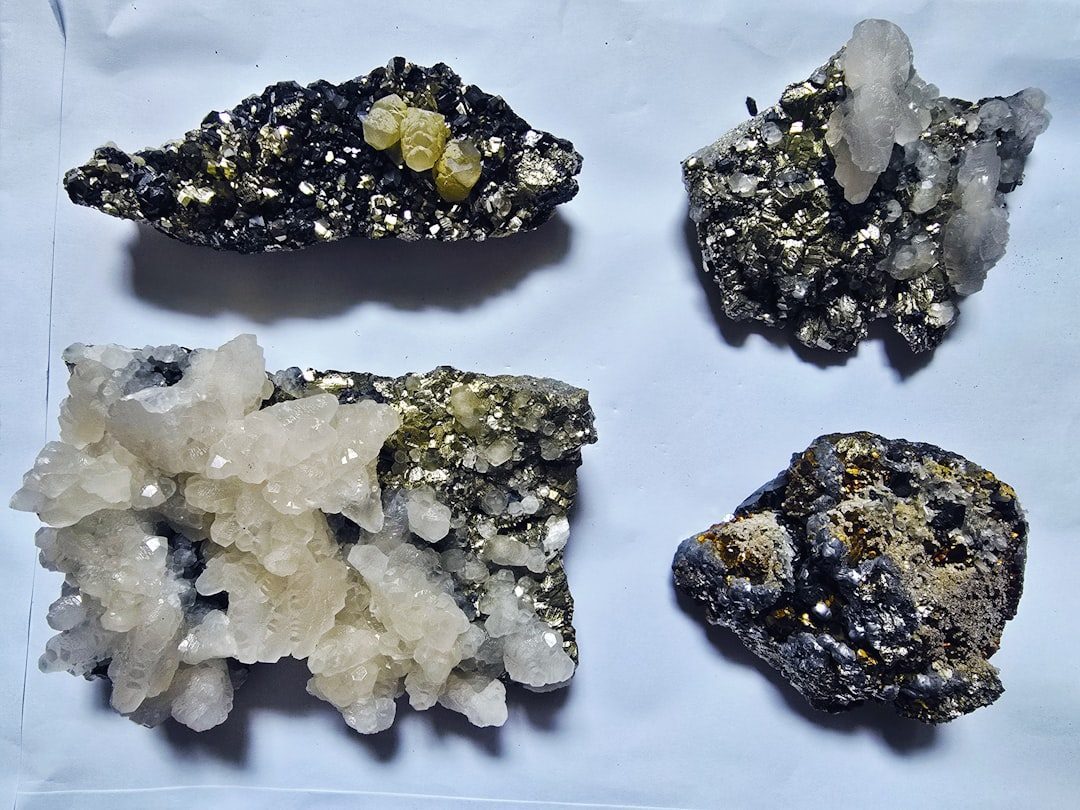
When you think of crystals, you might picture rare gemstones in museums. Reality check: crystals are the building blocks of our entire planet.
By volume and weight, the largest concentrations of crystals in the Earth are part of its solid bedrock. Granite, the rock that forms much of Earth’s continental crust, is completely crystalline. Rocks like granite, which have cooled very slowly and under great pressures, have completely crystallized. Even the mountains you see and the ground you walk on are essentially massive aggregations of interlocking crystals.
Most minerals naturally occur in a crystalline form. So essentially, Earth’s solid outer shell is one enormous crystal mosaic. From microscopic grains to massive formations, the crystalline structure defines the very nature of rock itself. Understanding crystal formation is understanding how continents were built.
Some Crystals Took Millions of Years to Grow
Patience might be a virtue, but crystals take it to another level entirely.
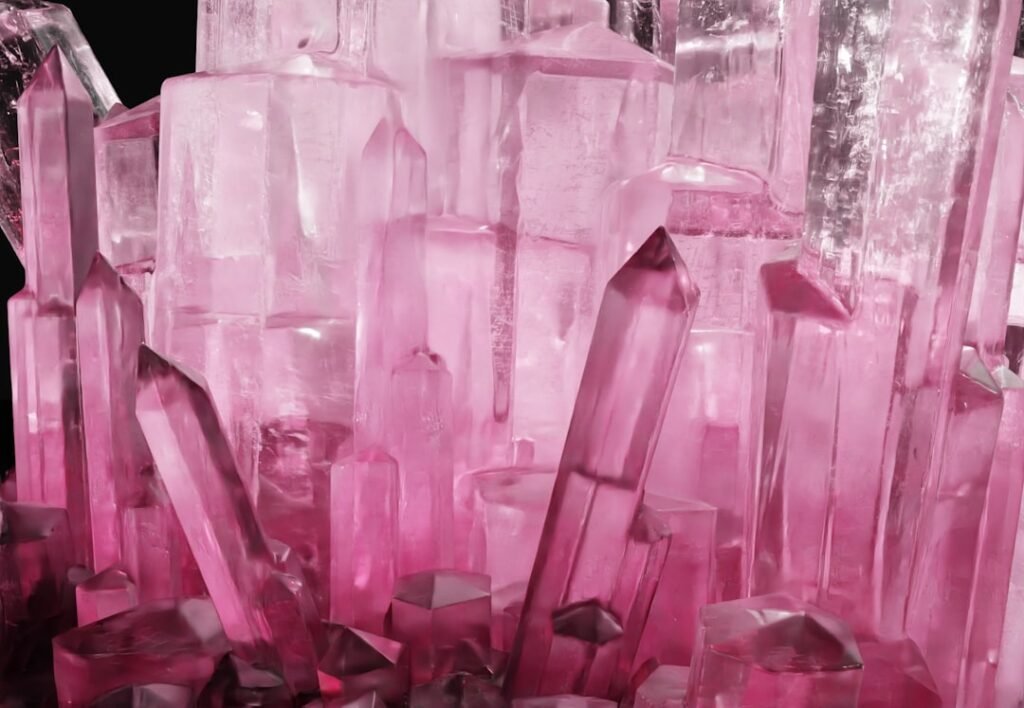
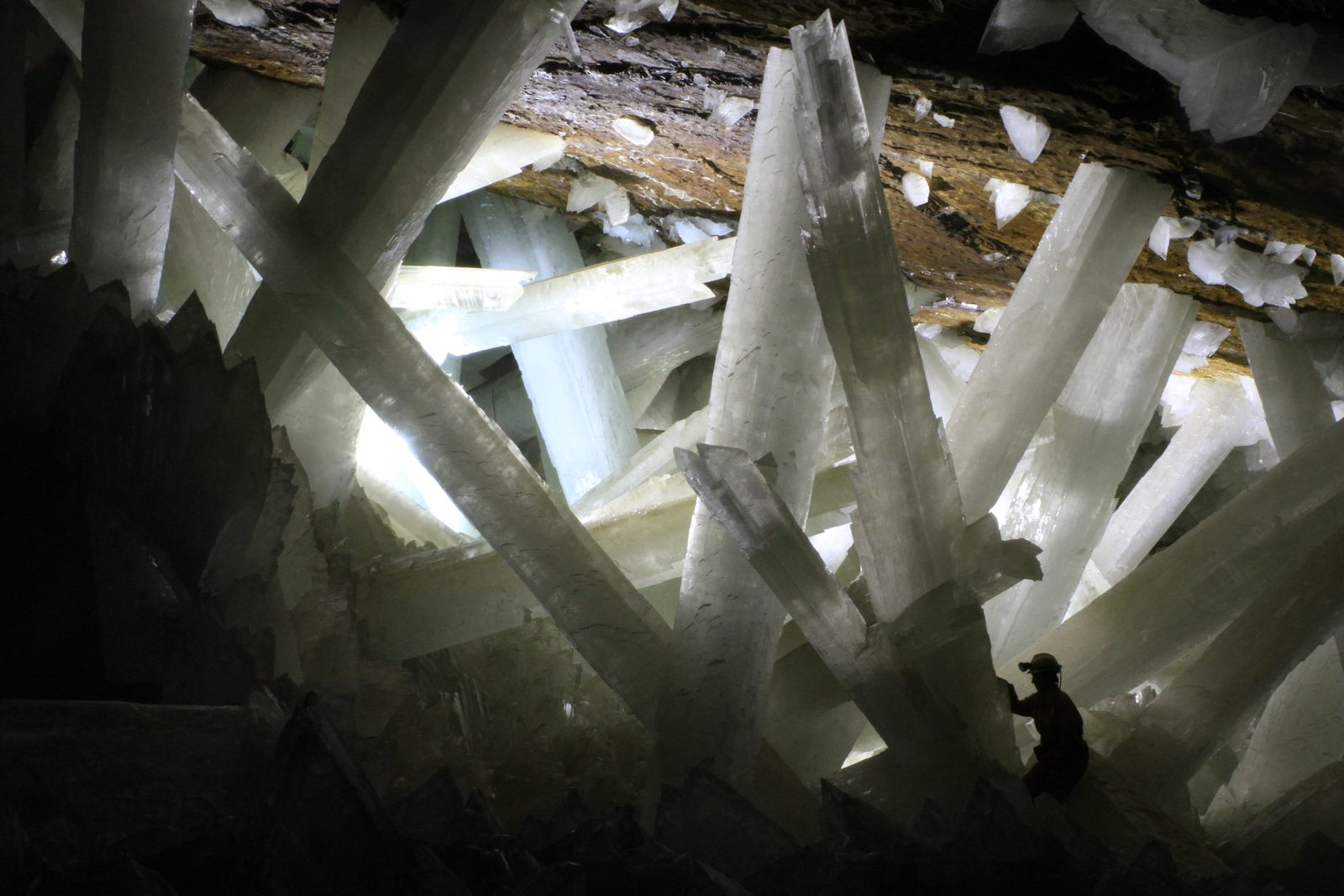
Mexico’s Cave of Crystals contains giant selenite crystals, some of the largest natural crystals ever found, with the largest measuring over 37 feet and weighing approximately 12 tonnes. These massive beams of gypsum look like something from a science fiction movie, yet they’re completely natural. Scientists measured a growth rate of approximately 0.000014 nanometers per second, and taking this rate into account, the largest crystals would have taken approximately 1 million years to reach their current size.
That’s an almost incomprehensibly slow process. Think about it: while empires rose and fell, while species evolved and went extinct, these crystals were quietly adding layer after microscopic layer. Uranium-thorium dating determined the maximum age of the giant crystals at about 500,000 years. The cave itself sat flooded with mineral-rich water at a stable temperature of around 136 degrees Fahrenheit for hundreds of thousands of years, creating perfect conditions for these behemoths to form.
Crystals Form Through Magical Chemistry at Extreme Conditions
Crystal formation isn’t gentle. It requires conditions that would be deadly to humans.
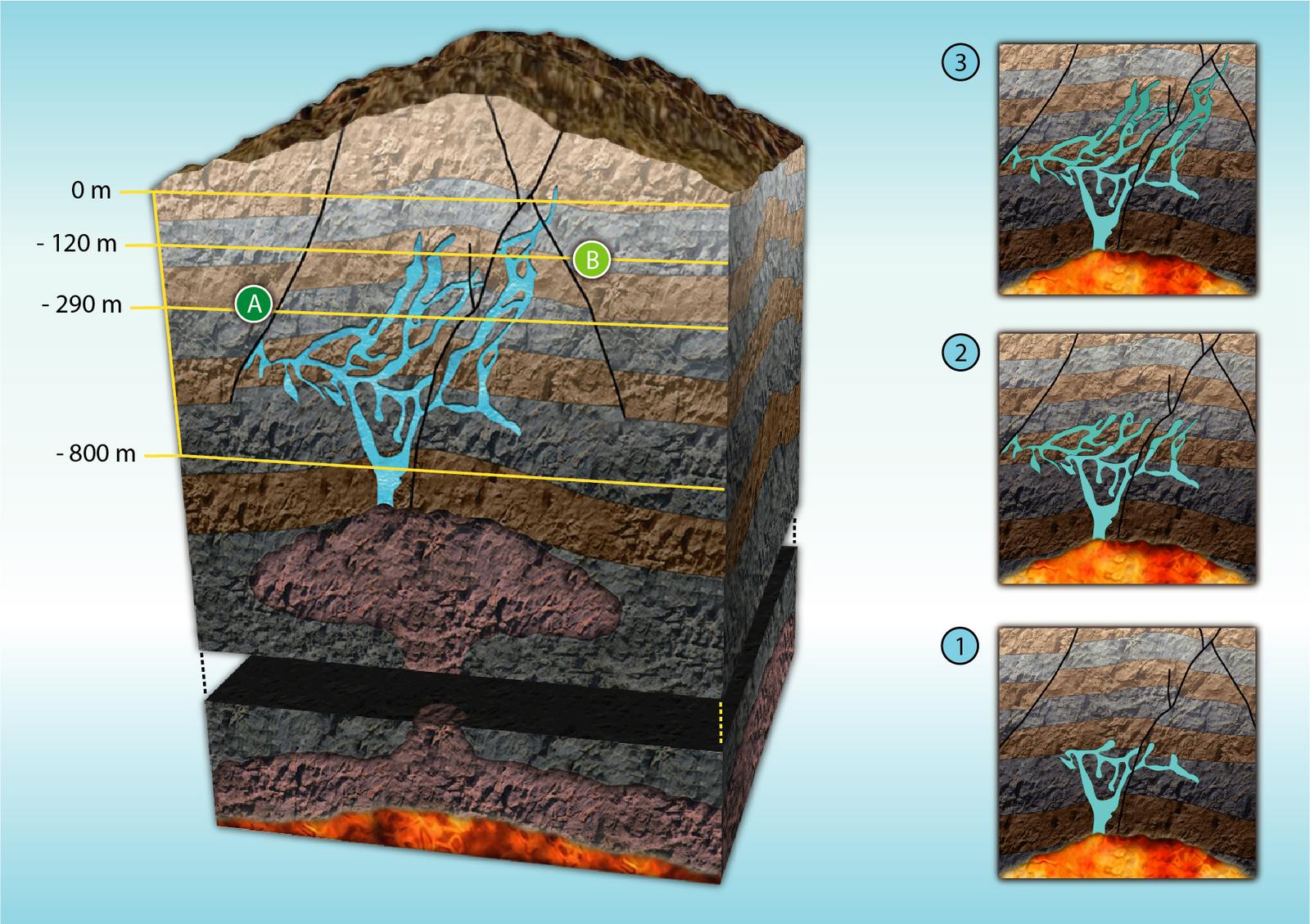
The vast majority of igneous rocks are formed from molten magma and the degree of crystallization depends primarily on the conditions under which they solidified. When magma cools slowly deep underground, atoms have time to arrange themselves into orderly patterns. Molten rock is very hot, typically on the order of 1000 degrees Celsius or more. As temperatures drop, different minerals crystallize at different temperatures in a predictable sequence.
Many places in Earth’s crust are hot enough for rocks to melt into magma, and as that magma cools down, mineral crystals grow from it just like water freezing into ice cubes, though at much higher temperatures than salt or travertine precipitating out of water. Pressure also plays a critical role. Deep underground, immense pressures force atoms closer together, affecting which crystal structures can form. Attributes of the resulting crystal can depend largely on factors such as temperature, air pressure, cooling rate, or solute concentration.
Quartz Crystals Literally Generate Electricity When Squeezed
Here’s something that sounds like magic but is pure physics.
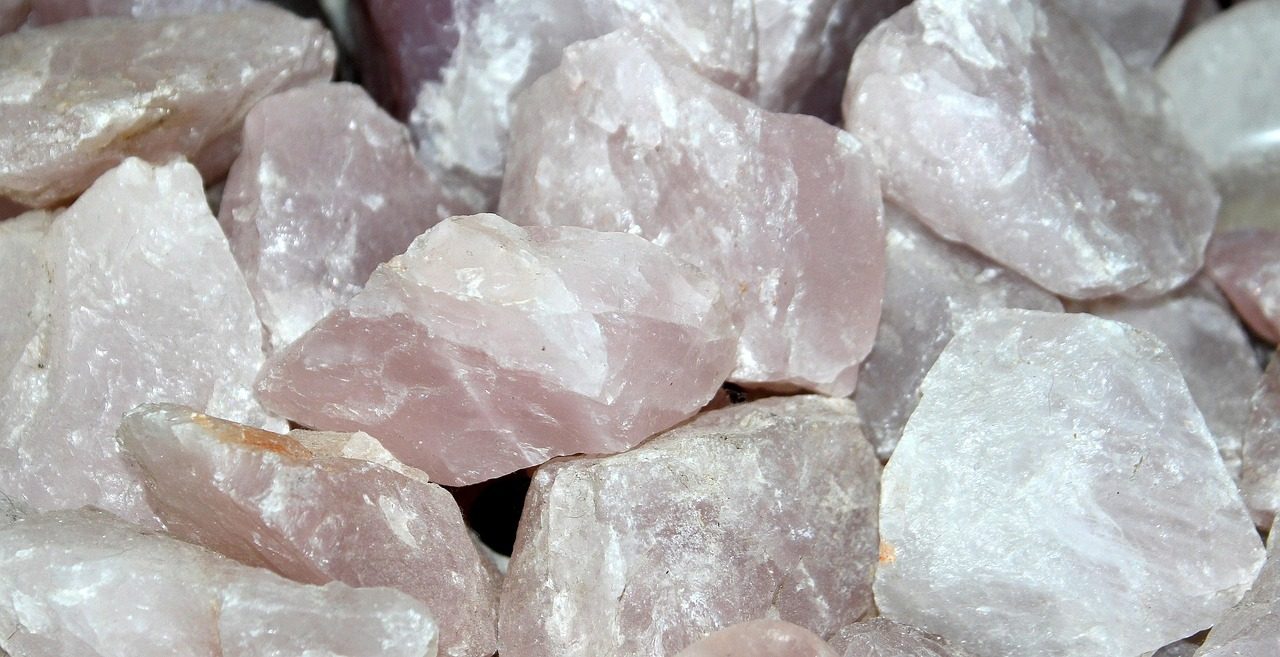
Quartz exhibits a piezoelectric effect whereby mechanical stress generates a directionally related electric field, and conversely an applied electric field causes a directionally related force across the crystal. This remarkable property was discovered way back in 1880 by Pierre and Jacques Curie. Squeeze a quartz crystal, and it produces a tiny electrical charge. Send electricity through it, and it vibrates.
Quartz clocks employ a crystal oscillator that uses both direct and converse piezoelectricity to generate a regularly timed series of electrical pulses, with the quartz crystal having a precisely defined natural frequency at which it prefers to oscillate, used to stabilize frequency in transmitters, receivers, and computers. That’s why quartz watches are so accurate. The crystal vibrates exactly 32,768 times per second, creating a perfect timekeeper. This same principle is used in countless electronic devices, from smartphones to medical ultrasound machines.
Crystals Grow Like Trees with Rings Recording Their History
Just as tree rings tell the story of a tree’s life, crystals record their own histories in their structure.
Zircon crystals usually survive deep burial and may grow larger, and these minerals not only survive geological processes but record each event as a ring of new growth, forming a series of growth rings over time much like tree rings. Scientists can read these growth zones like pages in a book, revealing changes in temperature, pressure, and chemical environment over time.
High pressure and temperatures within Earth’s crust change rocks through metamorphism, causing elements and chemical bonds to rearrange into new crystal structures, and lots of spectacular crystals grow this way including garnet, kyanite and staurolite. Each layer captures a snapshot of conditions at the moment it formed. By examining these zones with sophisticated instruments, geologists can reconstruct events that happened billions of years ago – volcanic eruptions, continental collisions, or changes in ocean chemistry.
The World’s Largest Known Crystal Might Be Earth’s Inner Core
We’ve talked about big crystals, but what about truly colossal ones?
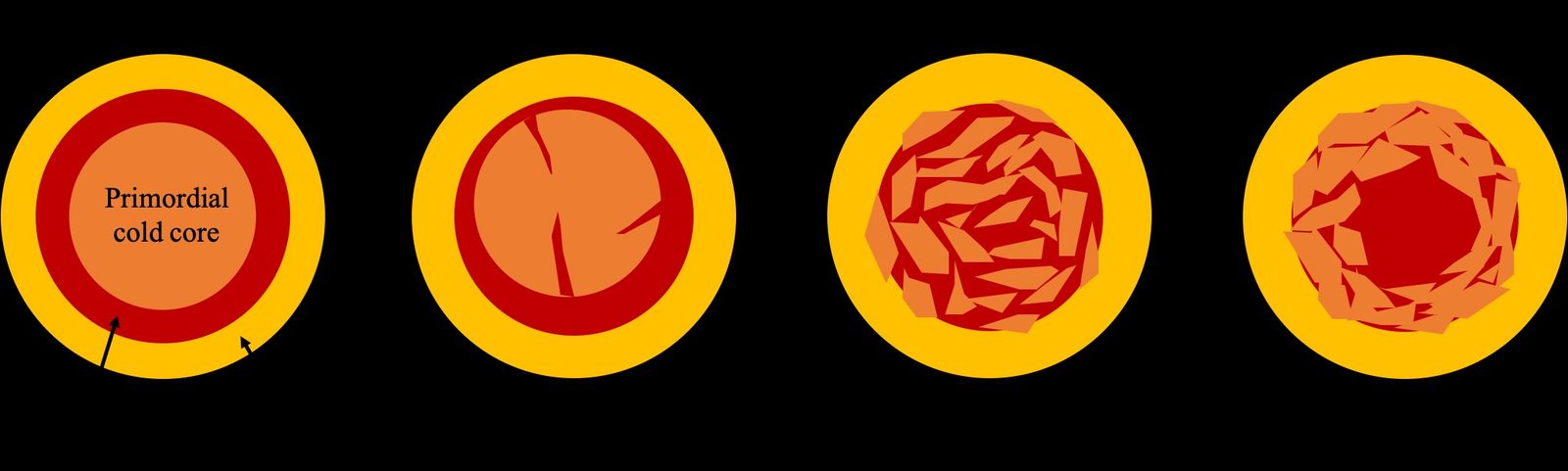
According to some scientists, Earth’s moon-sized inner core could be one giant iron crystal. The inner core, a ball of solid iron about 1,500 miles in diameter, exists under such extreme pressure and temperature that the iron atoms may have aligned into a single enormous crystalline structure. If true, this would make it the largest crystal in existence, dwarfing any other by an unimaginable margin.
The idea is still being debated among scientists. The conditions at Earth’s center are so extreme – pressures over 3 million times atmospheric pressure and temperatures comparable to the sun’s surface – that it’s difficult to study. Still, seismic wave patterns suggest the core has properties consistent with a crystalline structure. It’s a humbling thought: beneath our feet, thousands of miles down, there might be a crystal bigger than any mountain or ocean.
Crystals Need Perfect Conditions and Nucleation Sites to Start
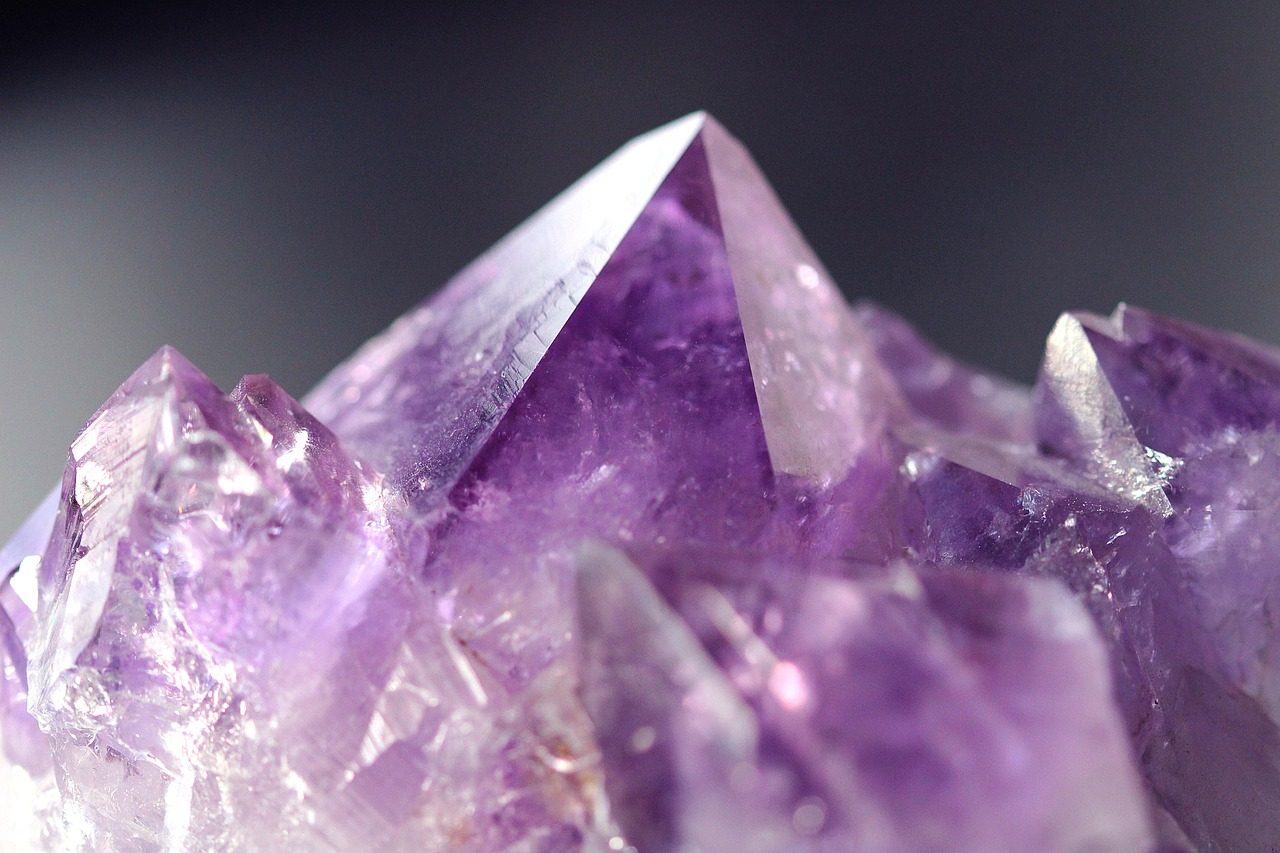
You can’t just mix some minerals and expect crystals to appear. They’re remarkably picky about how and where they begin.
Crystals grow when molecules that are alike get close and stick together forming chemical bonds, but mineral crystals cannot just start forming spontaneously – they need special conditions and a nucleation site, which can be a rough edge of rock or a speck of dust that a molecule bumps into and sticks to. Think of it like the first snowflake in a blizzard. That initial seed is crucial.
Crystallization occurs in two main phases: nucleation, where solute molecules start to gather into clusters that become stable under operating conditions, and these stable clusters constitute the nuclei which need to reach a critical size dictated by factors like temperature and supersaturation. Too hot and molecules move too fast to lock into place. Too cold and they don’t have enough energy to find their proper positions. The Goldilocks zone for crystal formation is remarkably narrow for most minerals.
Crystals Are Nature’s Way of Minimizing Energy
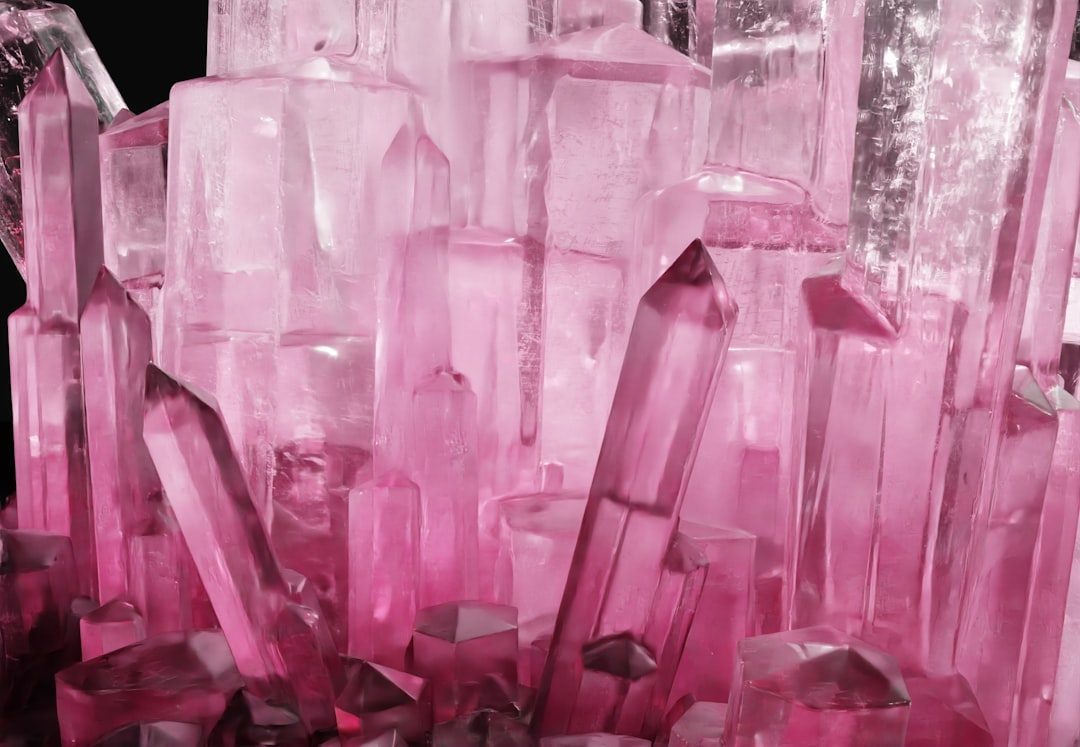
Let’s get philosophical for a moment. Why do crystals form at all?
Elements can combine in many ways to form crystals, but as atoms bond they naturally tend to arrange themselves in the way that minimizes Gibbs free energy. In other words, crystals represent nature’s most efficient solution to packing atoms together. The orderly, repeating patterns of crystal lattices aren’t random – they’re the lowest energy configuration available.
The term crystal refers to any solid that has an ordered chemical structure, meaning its parts are arranged in a precisely ordered pattern like bricks in a wall, and the bricks can be cubes or more complex shapes. This quest for minimum energy is what gives crystals their characteristic geometric shapes – those flat faces and sharp angles reflect the underlying atomic architecture. It’s physics and chemistry working together to create order from chaos, stability from randomness.
Conclusion
Crystals are far more than decorative objects or geological curiosities. They’re fundamental to understanding Earth’s story, from its violent birth to the gradual stabilization that made life possible. These mineral time travelers have witnessed epochs we can barely imagine – the formation of the first continents, the appearance of the first oceans, the slow dance of tectonic plates across billions of years.
Next time you see a crystal, whether it’s a humble quartz pebble or a stunning gemstone, remember: you’re looking at a piece of deep time. That crystal remembers things our planet has long forgotten, recorded in atomic patterns more durable than any human archive. Pretty remarkable for something you can hold in your hand, isn’t it? What other secrets do you think crystals might still be hiding about our planet’s ancient past?
Hi, I’m Andrew, and I come from India. Experienced content specialist with a passion for writing. My forte includes health and wellness, Travel, Animals, and Nature. A nature nomad, I am obsessed with mountains and love high-altitude trekking. I have been on several Himalayan treks in India including the Everest Base Camp in Nepal, a profound experience.