
Have you ever wondered what it would be like to possess genuine superpowers? Not the flashy abilities from comic books, but real, tangible skills that defy what we think is possible. Here’s the thing: while we’re busy imagining fictional heroes, nature has been quietly crafting its own league of extraordinary beings right under our noses. These creatures aren’t just surviving in their environments. They’re bending the rules of biology, physics, and even death itself in ways that scientists are still struggling to fully understand. What you’re about to discover might just change how you see the natural world forever.
The Pistol Shrimp: Nature’s Underwater Sonic Weapon
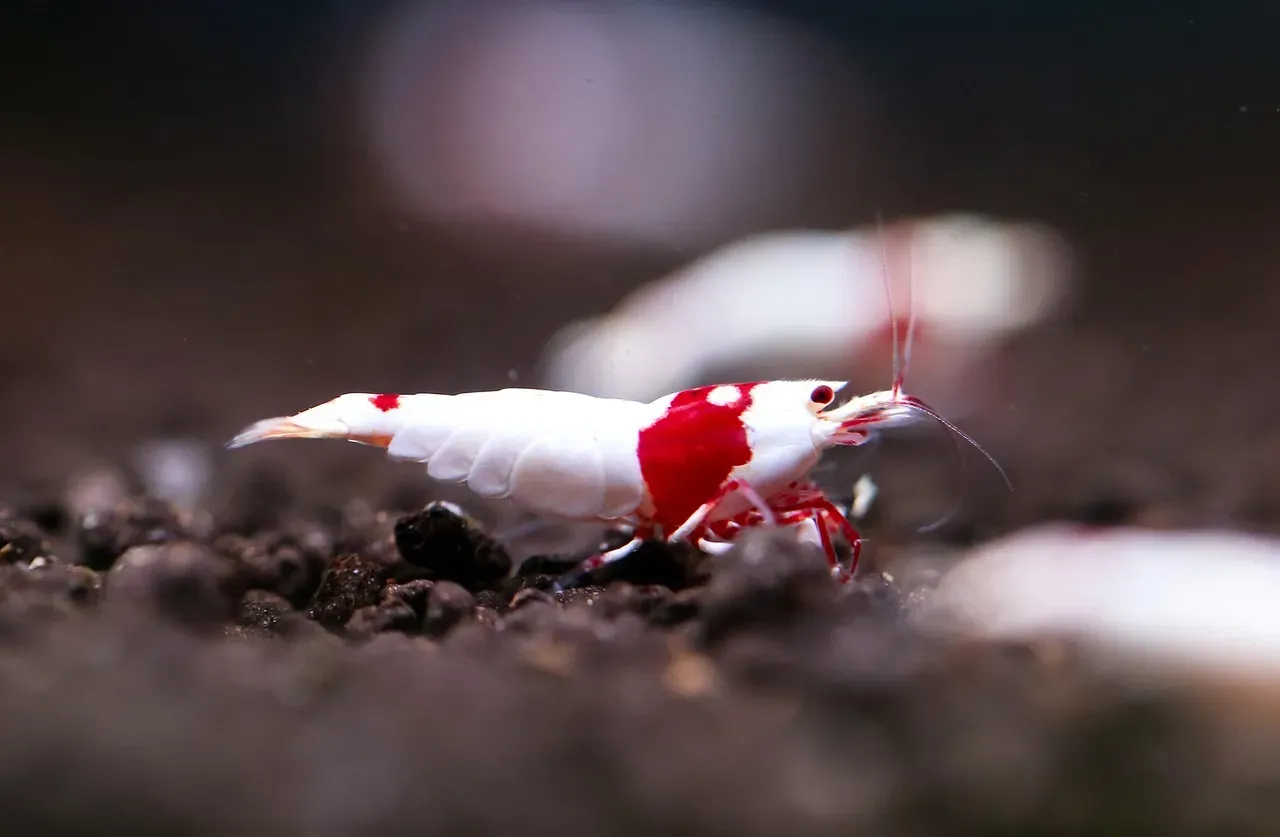
The pistol shrimp uses one oversized claw to create an underwater sonic blast by snapping it shut, producing a bubble that collapses with such force that it reaches temperatures of nearly 4,700°C, as hot as the sun’s surface, and generates a shockwave capable of stunning or killing nearby prey. This tiny crustacean, barely two inches long, essentially weaponizes physics itself. At over 210 decibels, their sound is loud enough to break glass.
What makes this even more remarkable is that this minuscule creature has evolved a mechanism so precise and powerful that it can compete with animals many times its size. The explosive snap also produces a flash of light and a popping sound audible to humans. Despite their devastating firepower, these shrimp often form partnerships with gobies, sharing burrows and working together for mutual protection.
The Tardigrade: The Indestructible Micro-Bear
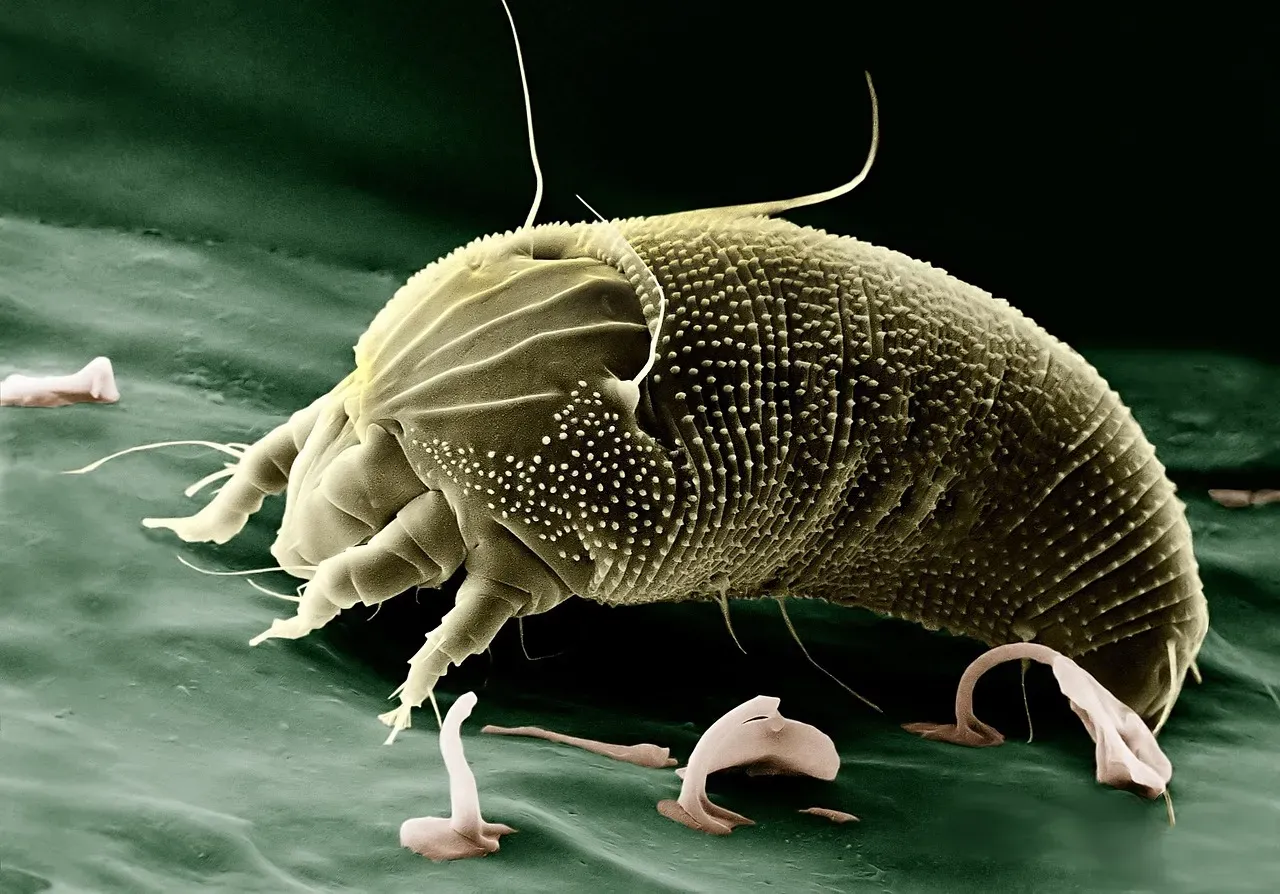
Tardigrades might be the closest thing we have to a real-life invincible superhero. They have been known to survive for nearly 30 years without food or water, endure temperatures from -200°C to 151°C, and tolerate pressures more than six times greater than those found in the deepest parts of the ocean. Let’s be real, if any creature deserves the title of ultimate survivor, it’s these microscopic water bears.
When conditions turn hostile, the tardigrade curls into a desiccated ball called a tun, shutting down nearly all biological activity, and in this state they can endure the impossible, waiting for the world to become hospitable again before springing back to life. They can also survive radiation levels up to 1,000 times higher than the lethal dose for humans, and have even withstood the vacuum of space. Scientists are now exploring how their resilience could revolutionize everything from cancer treatment to pharmaceutical preservation.
The Immortal Jellyfish: Cheating Death Itself
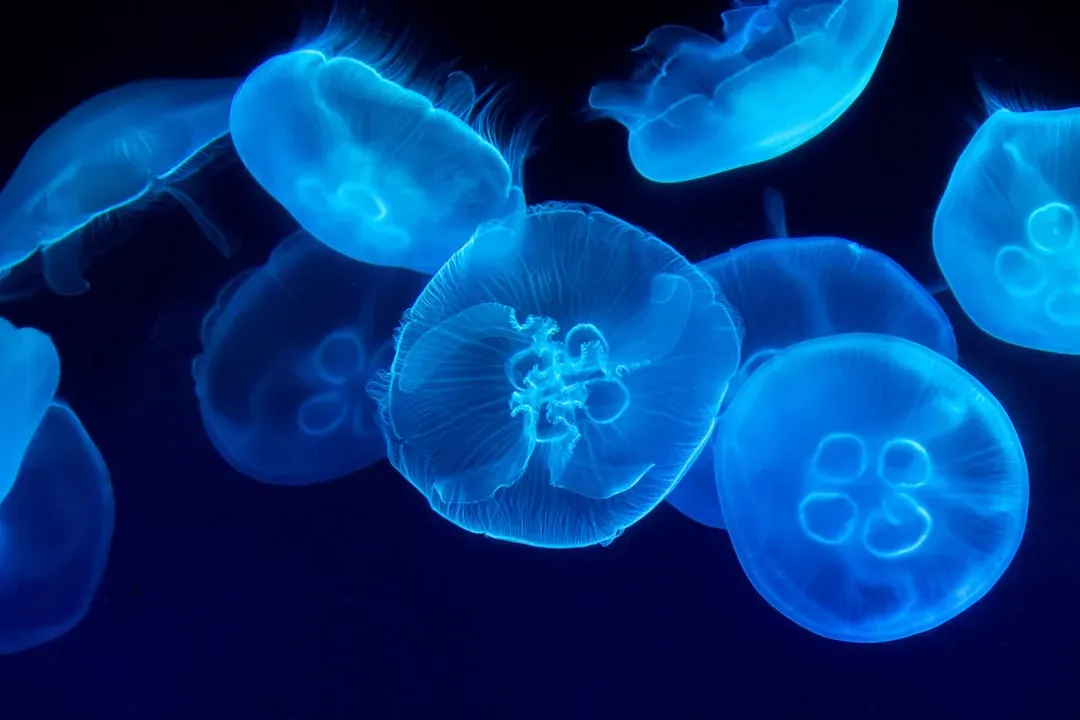
The ability to reverse the biotic cycle in response to adverse conditions is unique in the animal kingdom, allowing Turritopsis dohrnii to bypass death, rendering it potentially biologically immortal. Yes, you read that correctly. This tiny jellyfish has essentially discovered the fountain of youth.
Through transdifferentiation, mature cells transform back into stem-like cells or polyp cells, allowing for regeneration of a whole new body, and the immortal jellyfish can repeat this life cycle reversal indefinitely. When injured or stressed, it simply reverts to an earlier stage of life and starts over again. They are tiny, at a maximum of 4.5mm tall and wide, with younger jellyfish having only eight tentacles while adults can have up to 90 tentacles. While they can still be eaten by predators, their ability to theoretically live forever has captivated scientists worldwide.
The Mantis Shrimp: The Ocean’s Multicolored Gladiator
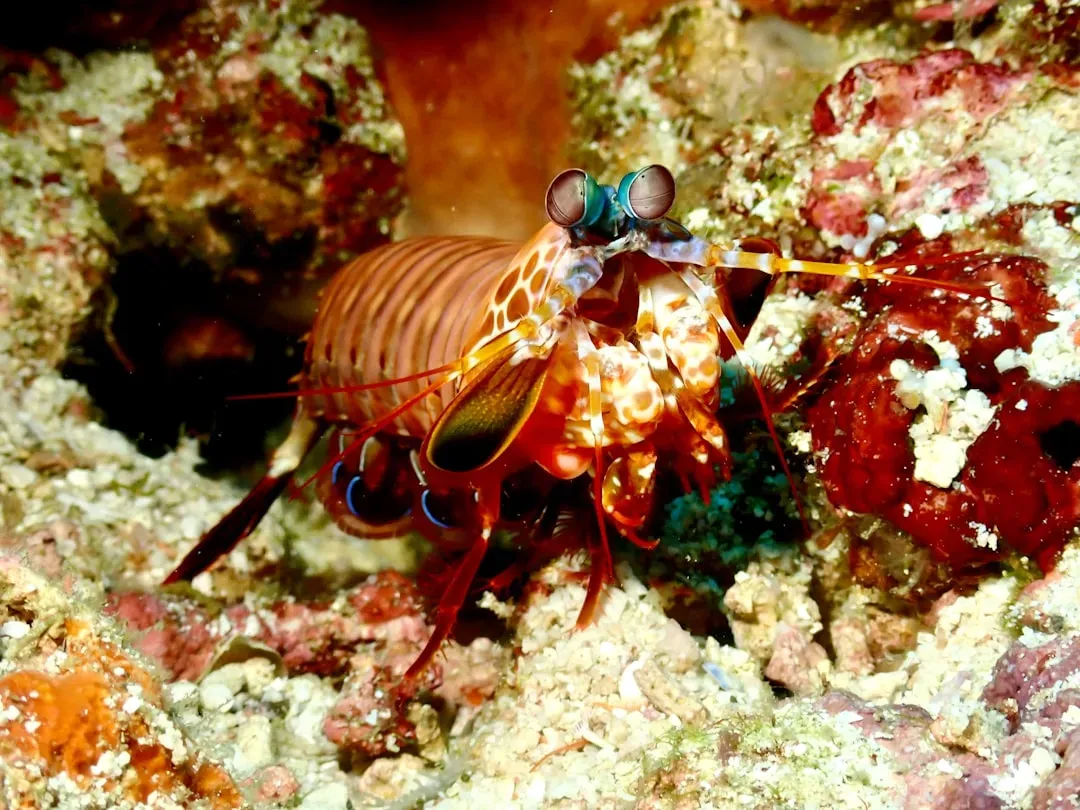
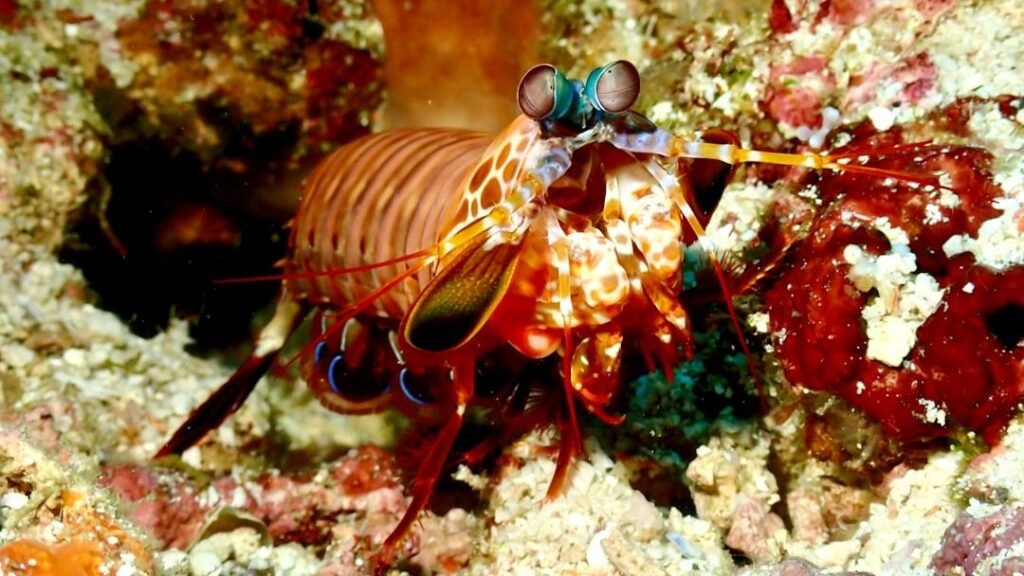
The mantis shrimp delivers a punch faster than a .22 caliber bullet, with its two club-like appendages accelerating with the same velocity as a car traveling at 50 miles per hour, creating cavitation bubbles that can stun, dismember, or even kill its prey. This flamboyant marine creature doesn’t just pack a devastating punch. It can see things we literally cannot imagine.
The mantis shrimp has the most complex eyes in the animal kingdom, capable of seeing ultraviolet, polarized, and multispectral light, detecting colors humans can’t even imagine. The strike reaches speeds over 50 miles per hour and generates temperatures near the surface of the sun, creating shockwaves that can kill prey even if the strike misses. Honestly, if you combined a boxer, an artist, and a physicist, you’d barely come close to this crustacean’s capabilities.
The Axolotl: The Regeneration Master
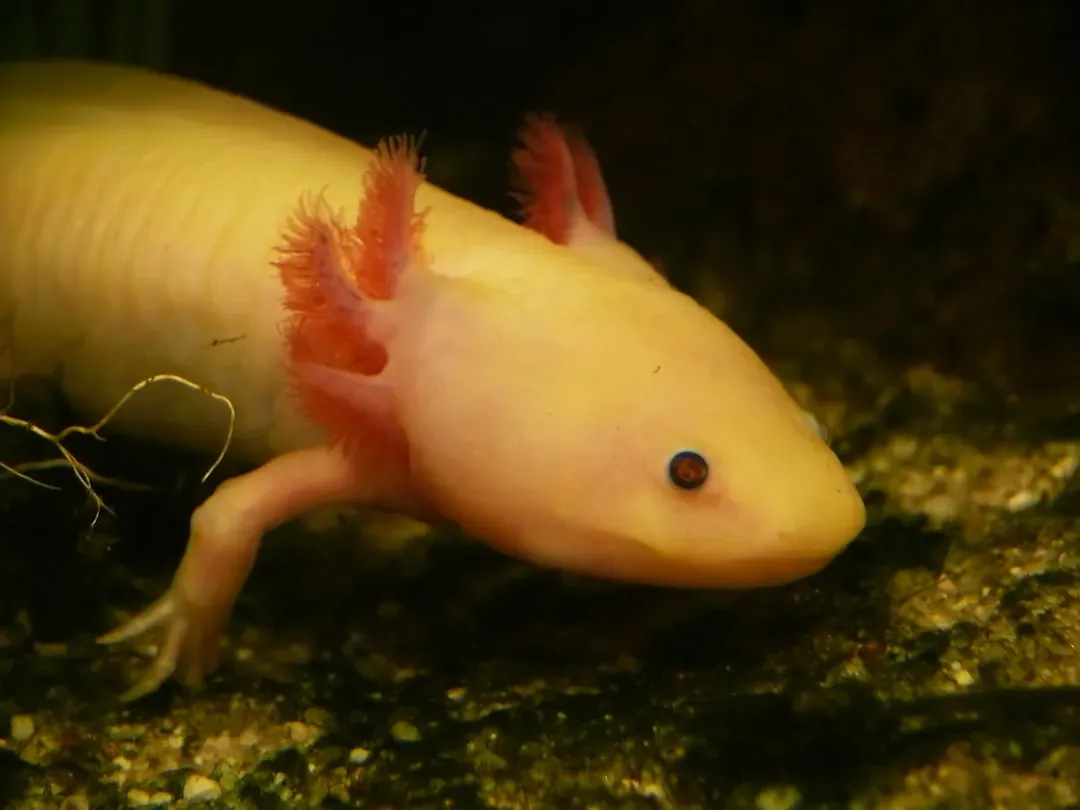
Axolotls, also known as Mexican salamanders, are masters of regeneration who can not only regrow lost limbs but also restore their spinal cord, heart, and other vital organs, an ability that has piqued the interest of scientists studying the potentials of regenerative medicine. Imagine losing an arm and simply growing it back, perfectly functional, within weeks.
These perpetually smiling amphibians live their entire lives in a larval state, which seems to be part of their regenerative secret. Tailed amphibians such as the axolotl have enormous self-healing powers and can even regrow body parts and organs including parts of the brain, possible because their stem cells are preserved as they spend practically their entire life in a larval stage. They’re not just healing wounds. They’re essentially rebuilding entire sections of their bodies from scratch, complete with bones, nerves, and tissue.
The Archerfish: The Sharpshooter of the Seas
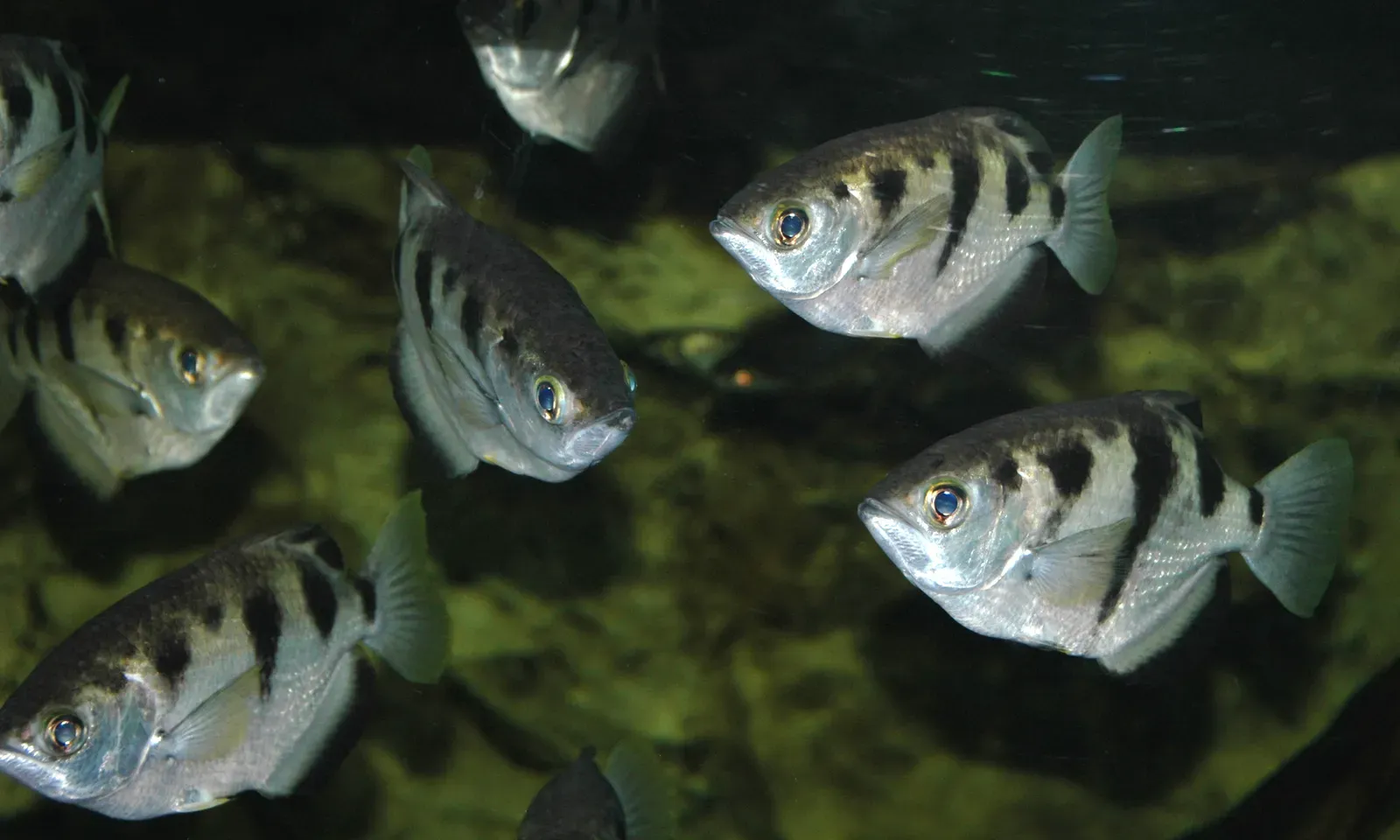
The archerfish turns physics into a weapon by compressing its gills and mouth to shoot jets of water that knock insects from branches above the surface, adjusting for refraction at the water’s surface for pinpoint accuracy. This fish doesn’t just hunt. It calculates trajectories better than many humans could.
This ability is learned, not instinctive, as young archerfish practice until their aim is perfect, demonstrating a level of learning and precision rare in the aquatic world. They can hit targets up to 1.5 meters away. Think about that for a moment: a fish that can shoot water accurately enough to knock flying insects out of the air, and it learns to do it through practice. It’s like watching an underwater sniper school in action.
The Peregrine Falcon: Speed Beyond Comprehension
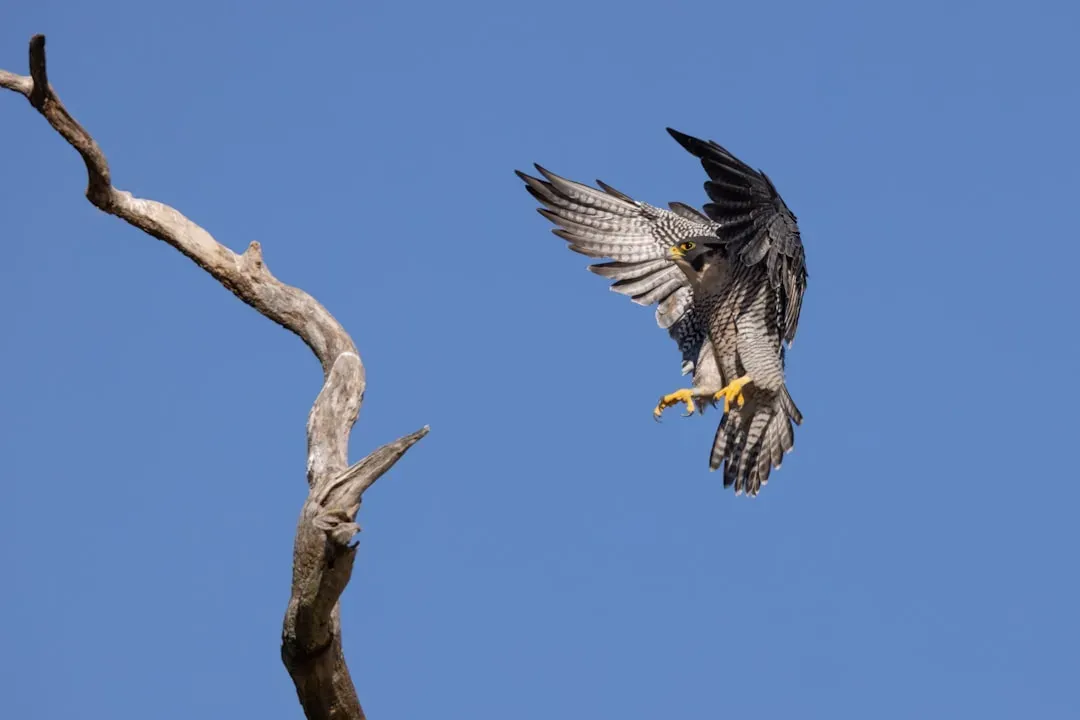
Peregrine falcons are the speed demons of the animal kingdom, reaching speeds over 240 mph during their hunting stoop, possessing a specialized respiratory system that enables them to breathe at these high velocities and keen eyesight to spot prey from great heights. Move over, race cars. This bird makes your vehicle look like it’s standing still.
Its specialized wings, aerodynamic shape, and nictitating membrane, a transparent eyelid, allow it to remain focused even at such extreme velocities. To put this in perspective, that’s faster than most sports cars and nearly three times the speed limit on any highway. Every dive is a calculated strike that blends precision with absolutely lethal grace. You’d think moving at such speeds would blur your vision, yet these falcons can track and capture their prey with frightening accuracy.
The Platypus: Nature’s Electroreceptive Oddity
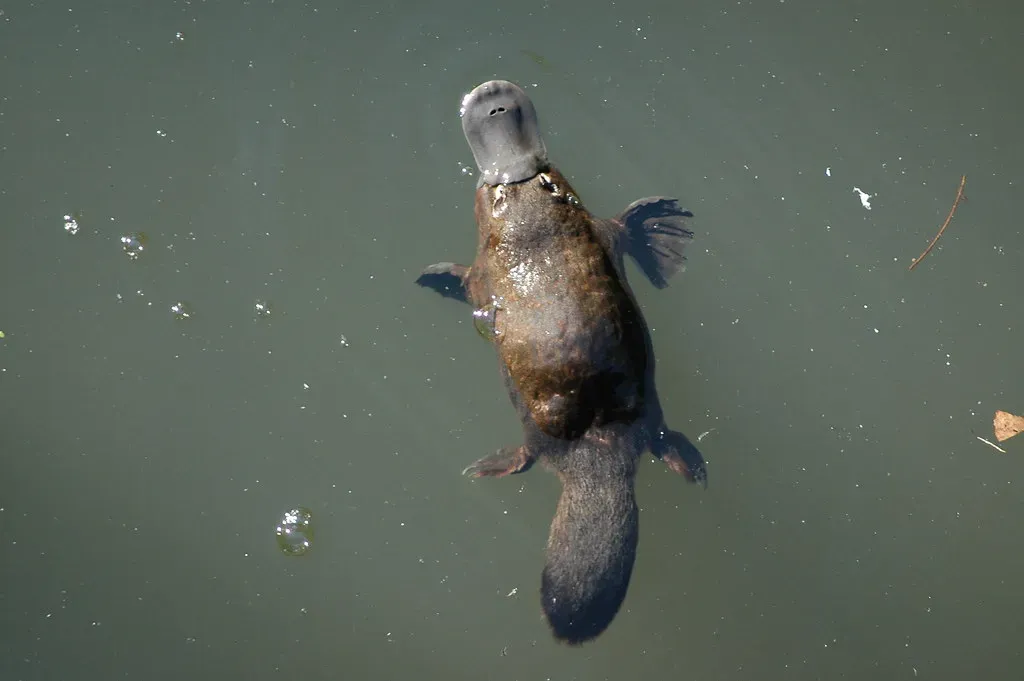
The platypus defies categorization, and one of its strangest powers is electroreception, with sensors in its duck-like bill that detect the faint electrical signals generated by prey. This creature is so bizarre that when European scientists first encountered a specimen, they thought it was a hoax.
The platypus can detect the faintest electric currents from muscle movements of small fish and shrimp, and this electric sense is super precise, allowing it to find food even in murky water where it can’t see well. When hunting underwater, the platypus closes its eyes and relies entirely on this sixth sense. It’s basically swimming around with biological radar, detecting the tiny electrical fields that all living creatures produce.
The Lyrebird: The Master Mimic
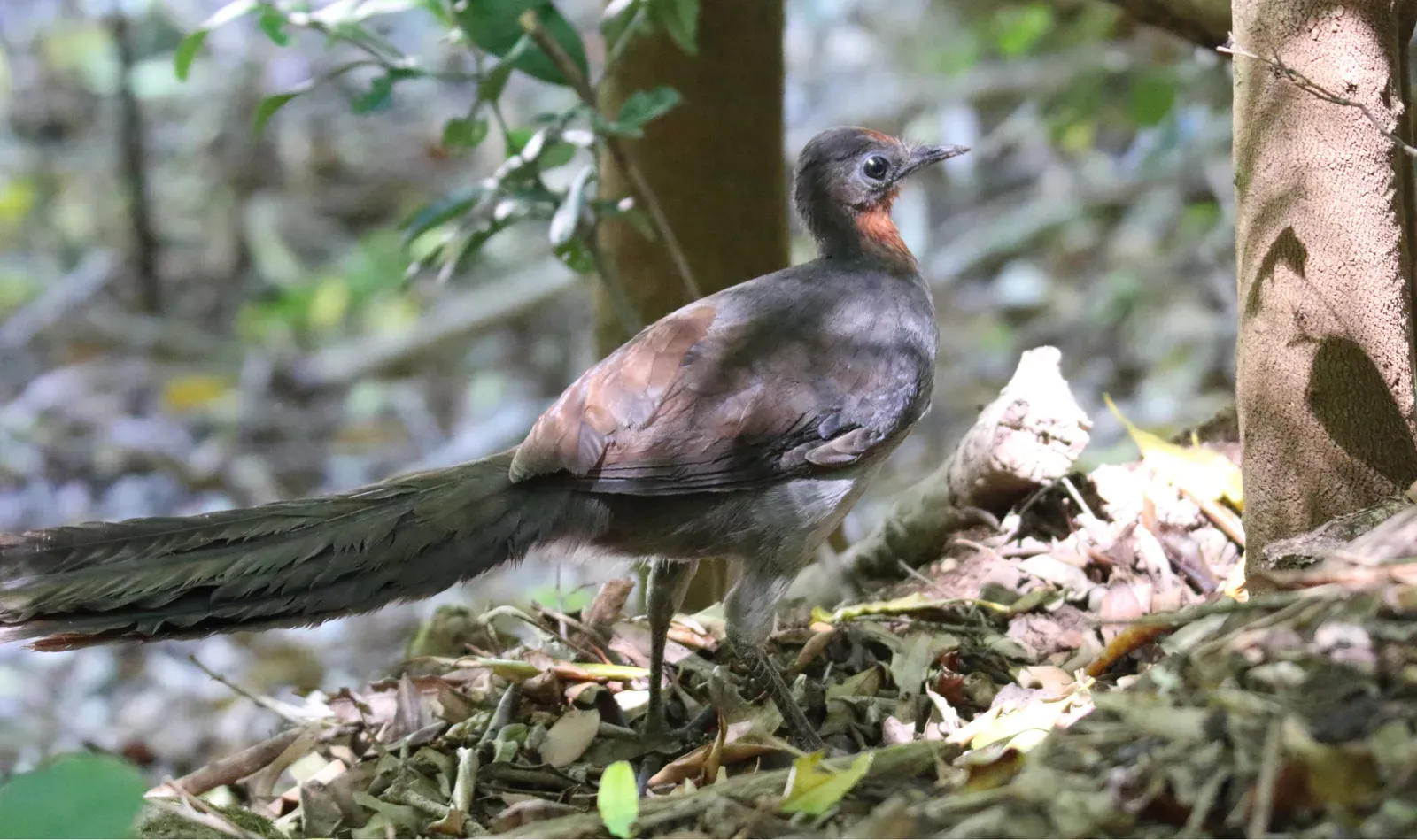
Lyrebirds are known for their exceptional ability to mimic natural and artificial sounds, able to imitate the songs of other birds, the sounds of chainsaws, car engines, camera shutters, and even human voices, using this uncanny ability to attract mates during the breeding season. I know it sounds crazy, but these Australian birds are basically nature’s recording devices.
These Australian birds are renowned for their ability to mimic sounds including a chainsaw, a car alarm, a dog’s bark, and the click of a camera shutter. What’s particularly fascinating is that they’re not just parroting sounds back. They’re incorporating them into elaborate courtship displays, creating complex audio landscapes that blend the natural with the mechanical. It’s like watching a DJ remix the entire forest soundtrack.
The Dung Beetle: The Mighty Miniature Hercules
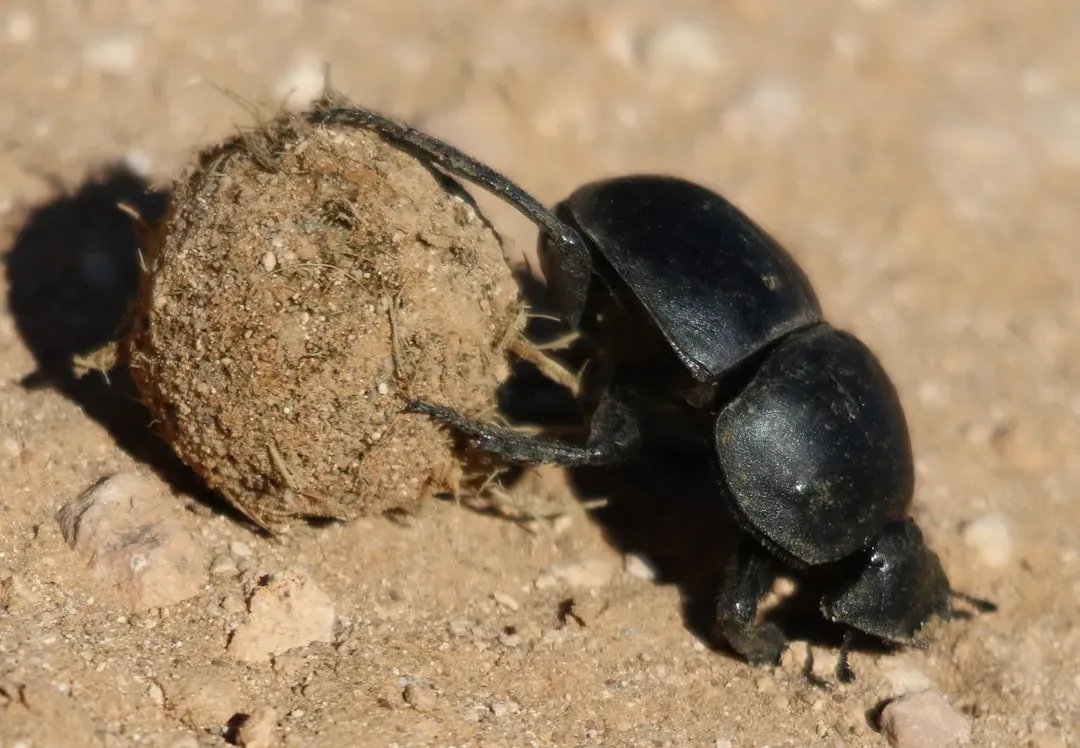
Dung beetles are known not only for their unusual diet but also their super strength, able to pull more than 1,100 times their own body weight, a feat equivalent to a human pulling six double-decker buses, helping them roll dung balls much larger than themselves across long distances. Let that sink in for a moment: these insects are proportionally the strongest creatures on the planet.
Their strength isn’t just for show. It’s a survival strategy that allows them to transport food and nesting material across challenging terrain. While they might not look impressive compared to elephants or gorillas, when you scale their abilities to size, they put every other animal to shame. It’s hard to say for sure, but they might just be the unsung champions of the animal kingdom’s weightlifting competition.
Conclusion
Nature’s superpowers aren’t confined to comic books or science fiction. They’re happening right now, all around us, in creatures both microscopic and magnificent. From jellyfish that can theoretically live forever to shrimp that harness the power of the sun in a single snap, these animals prove that reality is often stranger and more incredible than anything we could imagine.
These extraordinary abilities aren’t just fascinating curiosities. They’re teaching scientists new approaches to medicine, engineering, and survival that could transform human life. What would you have guessed about these creatures before reading this? Did any of these superpowers surprise you more than the others?