
You already know the natural world is full of wonders, but nothing quite prepares you for just how mind-bending some of its creatures really are. We’re talking about animals that generate electricity from their own bodies, reverse the process of aging entirely, survive exposure to the cold vacuum of outer space, and navigate across entire continents without a map or GPS. Honestly, some of these abilities make the most impressive human technologies look embarrassingly primitive.
Science has come a long way, yet nature still manages to stay one step ahead. Each of the animals on this list has a trick up its sleeve, so extraordinary and so difficult to explain that researchers around the world are still scratching their heads trying to figure it out. So let’s dive in – because what you’re about to read might just change the way you look at the animal kingdom forever.
1. The Immortal Jellyfish: Nature’s Time Machine
Most living things follow a one-way road: they’re born, they grow, they age, and they die. The Turritopsis dohrnii, known as the immortal jellyfish, completely shatters that script. When threatened, injured, or simply old, it reverts its cells back to an earlier stage of development and essentially starts life over, cycling between youth and maturity indefinitely. Think of it like pressing a biological reset button – except no engineer on Earth knows quite how to replicate it.
Scientists are still studying how this process works and whether it could hold the key to anti-aging research. The idea that a living creature could sidestep death altogether isn’t just biologically astonishing – it’s philosophically unsettling. The immortal jellyfish already fuels serious anti-aging research, and its secrets may one day reshape how humans approach medicine. That’s right – your future wrinkle cream might owe a debt to a tiny, nearly transparent sea creature.
2. The Mantis Shrimp: A Punch Faster Than a Bullet
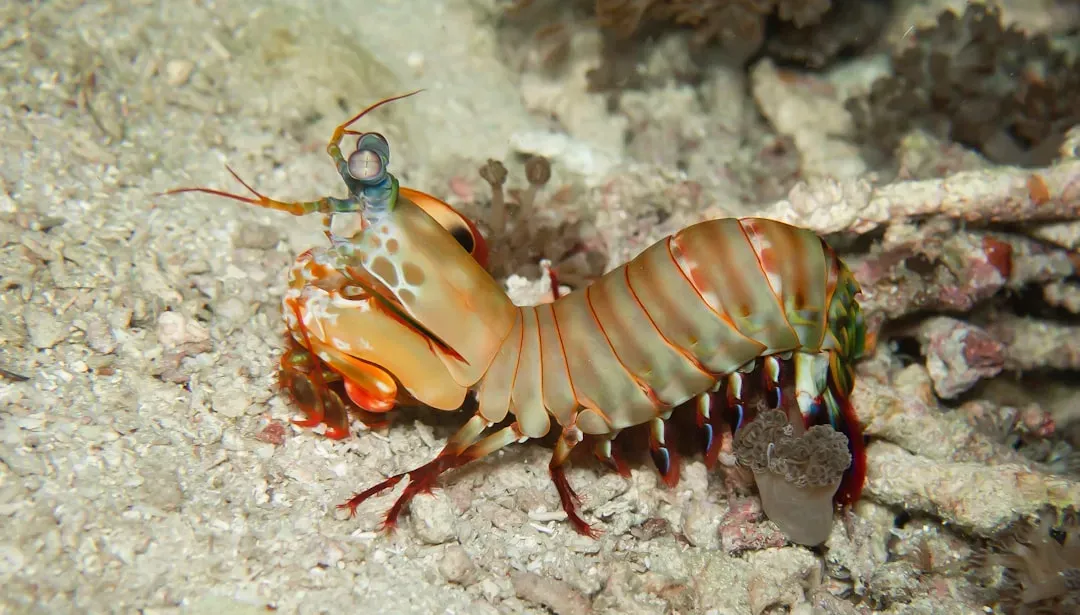
The mantis shrimp delivers a punch faster than a .22 caliber bullet. Its two club-like appendages accelerate with the same velocity as a car traveling at 50 miles per hour, creating cavitation bubbles that can stun, dismember, or even kill its prey. Let’s be real – when you imagine a shrimp, you don’t picture something that hits harder than most things found in nature. Yet here we are.
The strike is so rapid it causes cavitation bubbles, pockets of vapor that collapse with a flash of light and a second shockwave, doubling the damage. Its vision is just as extraordinary – with up to 16 photoreceptor types (humans have three), it perceives ultraviolet and polarized light with astonishing precision. Moreover, mantis shrimps have trinocular vision, which means each of their eyes can gauge depth and distance independently. For an animal the size of your hand, the mantis shrimp operates like a creature designed in a laboratory for pure combat efficiency.
3. The Electric Eel: A Living Power Plant
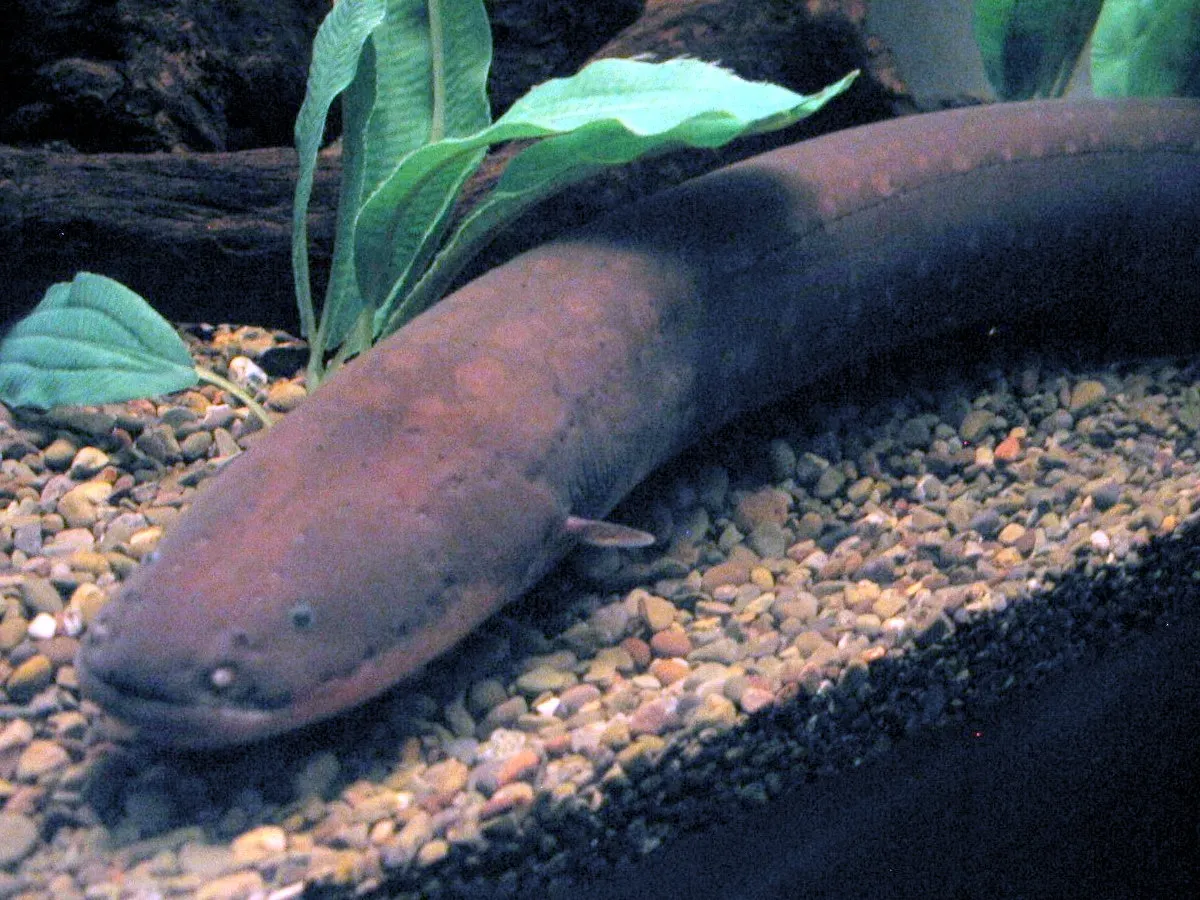
Capable of generating shocks up to 600 volts, the electric eel uses its biological batteries – specialized cells called electrocytes – to stun prey, deter predators, and navigate murky waters. When hunting, the eel releases precise bursts of electricity to paralyze fish instantly. Six hundred volts. To put that in perspective, a standard household outlet runs at around 120 volts. The electric eel is literally a living, swimming power station.
Studying these animals isn’t just about curiosity – there are potential applications in technology, medicine, and robotics. The electric eel, for instance, inspires bioelectric devices. Scientists are deeply interested in how biological systems can generate, store, and discharge such precise electrical energy without destroying the creature itself. The full mechanics of how evolution arrived at this solution remain a genuine scientific puzzle.
4. The Axolotl: The Salamander That Regrows Its Brain
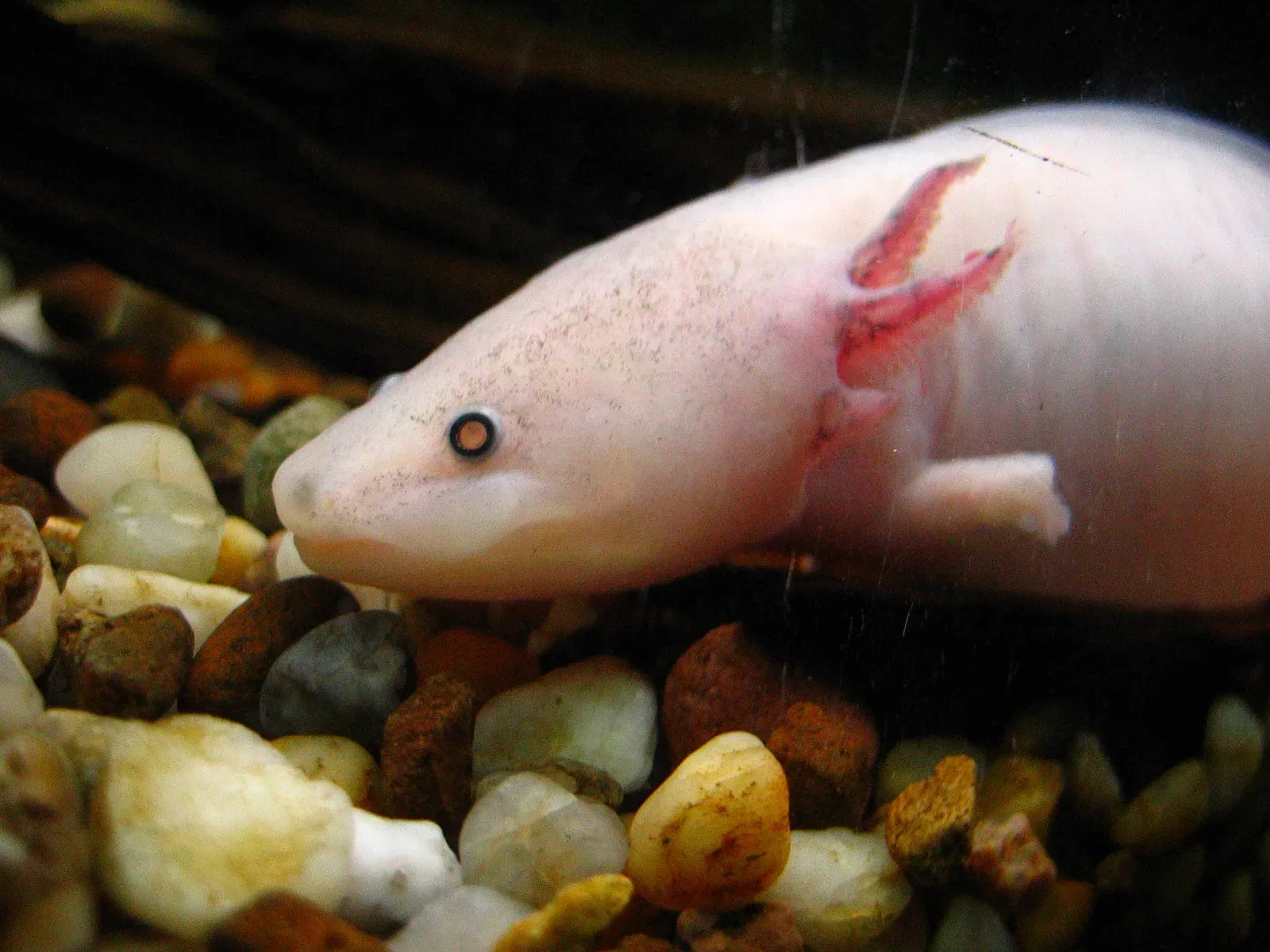
This remarkable salamander can regrow entire limbs, spinal cords, and even parts of its brain. Unlike most animals that heal by forming scar tissue, the axolotl regenerates flawlessly, restoring full function and form. Its regenerative ability comes from unique stem cells that remain active throughout its life. It’s the kind of healing that belongs in a science fiction novel, not a real-world lake in Mexico.
Unlike most animals, axolotls can repeatedly regrow complex tissues without scarring – a feat that seems torn from the pages of science fiction. While researchers have identified some genetic factors involved, the full process of regeneration remains elusive. Researchers believe unlocking the axolotl’s genetic secrets could revolutionize human medicine, paving the way for organ regeneration and scar-free healing. I think it’s safe to say that this one small amphibian holds more medical promise than almost anything else alive on Earth right now.
5. The Tardigrade: The Animal That Can Survive Space
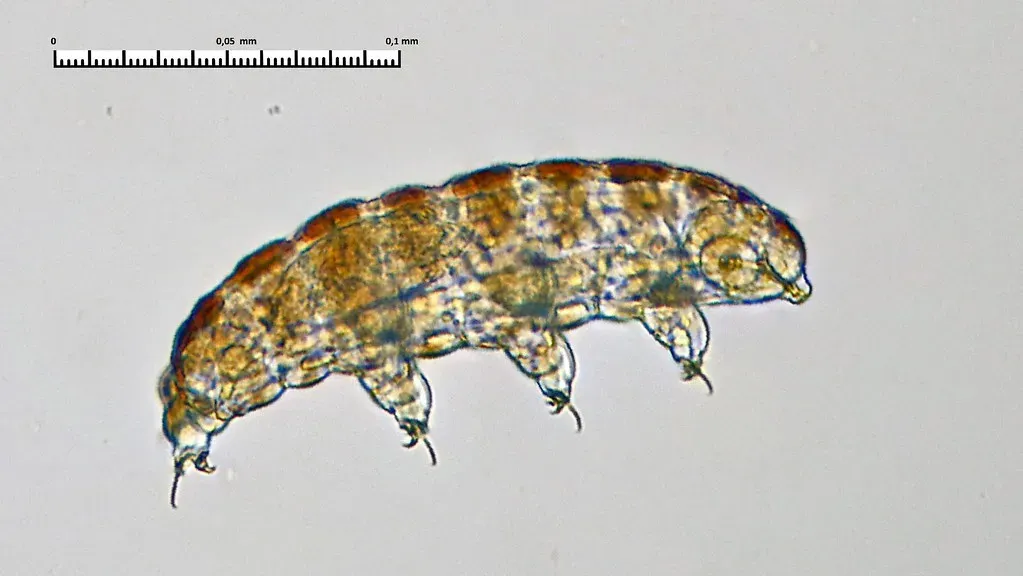
Tardigrades, the microscopic animals that resemble gummy bears with eight legs, are renowned for their ability to survive some of the harshest environmental conditions for decades without food and water. These hardy animals can easily endure levels of radiation that would be lethal to most other forms of life, extreme temperatures, and even survive in the vacuum of space. Honestly, calling them tough is an understatement of cosmic proportions.
In 2007, they became the first animals to survive exposure to outer space, after a crewless capsule ferried 3,000 living tardigrades on a European mission to low Earth orbit, exposing them to the hard vacuum of space for 10 days. A tardigrade’s survival talents include a process called cryptobiosis, in which it brings its metabolic processes nearly to a halt. It can also nearly completely dehydrate, to about three percent of its normal water content, and survive for a decade like that. There’s simply no other creature on the planet – or off it, apparently – that comes close.
6. The Homing Pigeon: A Biological GPS System
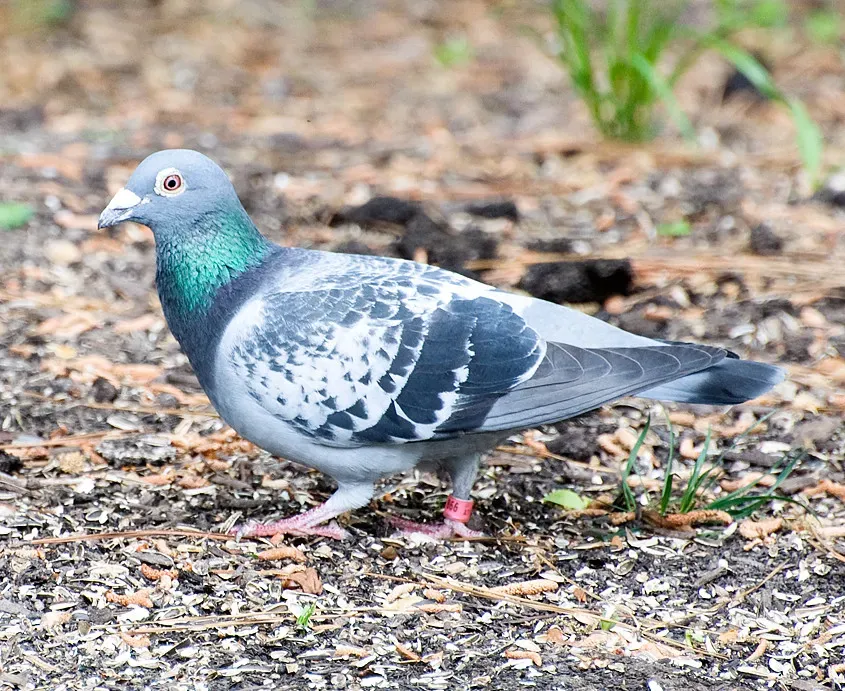
Many bird species possess a mysterious built-in compass that helps them navigate vast distances during migration. This magnetic sense, known as magnetoreception, is still not fully understood by scientists. You might have dismissed the humble pigeon as a city nuisance, but beneath those feathers sits one of nature’s most sophisticated navigation systems. It’s like having Google Maps wired directly into your skull.
Pigeons can sense magnetic fields via their inner ears, new research suggests. Researchers have discovered a small spot on the beak of pigeons that contains magnetite – a magnetized mineral that may act as a tiny GPS unit, giving the bird information about its position relative to Earth’s poles. The mechanisms behind that magnetic detection have remained mysterious, with scientists still debating whether it’s the beak, the eye, or the inner ear doing the heavy lifting – or perhaps all three working in concert.
7. The Mimic Octopus: Master of Disguise and Deception
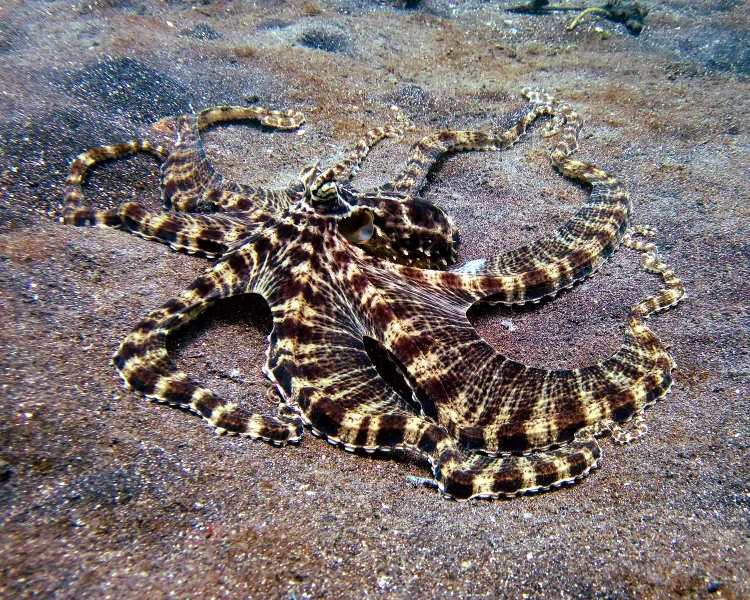
The mimic octopus isn’t just good at blending in – it’s also a good actor. On open sand flats with nowhere to hide, it reshapes its body and choreographs its movements to impersonate venomous locals like lionfish, sea snakes, and flatfish, discouraging predators that might otherwise pounce. Picture being able to transform your body, in real time, into an entirely different species. That’s not camouflage – that’s performance art.
Octopuses can distort their bodies to resemble nearly any aquatic shape to blend in with their surroundings and hide from predators. They even have sacs in their skin containing pigments so they can change colors at a moment’s notice. What makes the mimic octopus even more startling is that it appears to choose which species to impersonate based on the specific predator it’s facing. That level of tactical decision-making in a creature without a traditional brain structure continues to baffle researchers in neuroscience and behavioral biology alike.
8. The Naked Mole Rat: The Cancer-Proof, Oxygen-Free Mammal
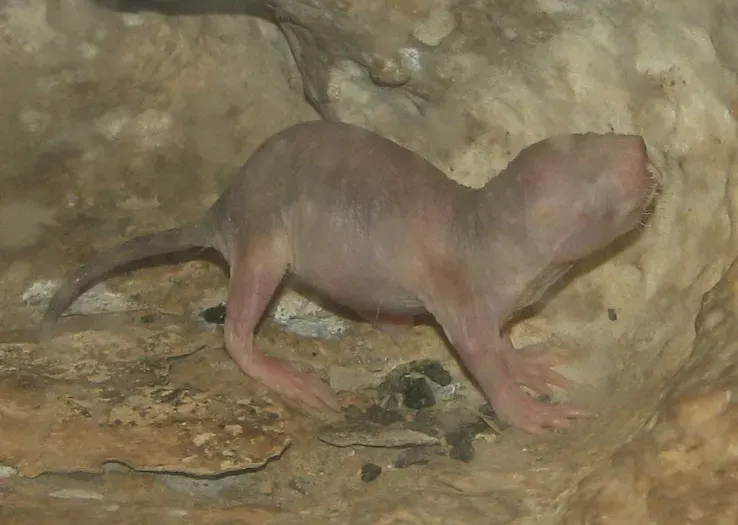
The naked mole rat’s superpower is its ability to survive without oxygen, a trait unheard of in mammals. Native to East Africa’s low-oxygen underground tunnels, this wrinkled rodent can endure up to 18 minutes without any oxygen by switching its metabolism from glucose to fructose-driven glycolysis, a process more commonly found in plants. This allows vital organs like the brain and heart to function even when air runs out. Yes, you read that right – a mammal that runs its brain on plant fuel during an oxygen shortage.
Naked mole rats live for over 30 years, roughly ten times longer than similar-sized rodents, and show an extraordinary resistance to cancer. Scientists attribute this to their tissues being rich in high-molecular-mass hyaluronan, a sugar-like molecule that prevents uncontrolled cell growth. Together, these traits make the naked mole rat a biological anomaly – a mammal that thrives where oxygen is scarce, cancer is rare, and age seems to slow down. It’s hard to say for sure, but this tiny, wrinkled creature might be one of the most important animals alive when it comes to the future of human medicine.
9. The Pit Viper: Hunting in Total Darkness with Heat Vision
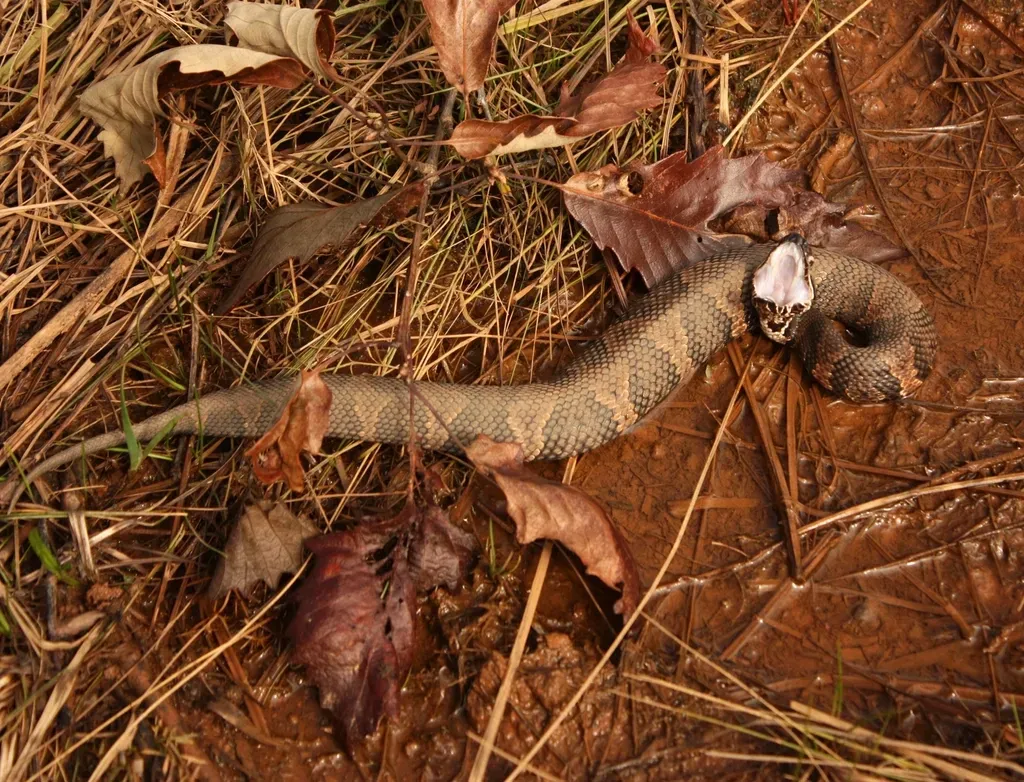
When infrared radiation from a warm-blooded animal hits the membrane of the pit viper’s specialized organs, TRPA1 ion channels convert that thermal energy into electrical signals. The snake’s brain then fuses these signals with its visual input, forming a detailed heat map of the environment – a kind of biological night-vision overlay. Imagine walking through complete darkness and being able to see a perfectly detailed image of every warm body in the room. That’s the pit viper’s every night.
With two pits, it can triangulate prey position in complete darkness, striking with pinpoint accuracy even when its eyes are covered. In essence, pit vipers turn invisible heat into visible form – a sixth sense that lets them hunt as effectively at midnight as at noon. Thanks to small organs on their faces, pit vipers and some species of pythons and boas are able to detect the body heat of nearby prey. Since nerves connect that organ to the brain’s somatosensory system that processes the sense of touch, snakes may actually be able to feel the heat. That’s a sensory dimension most humans can barely conceive of.
10. The Lyrebird: A Sound Machine Without Equal
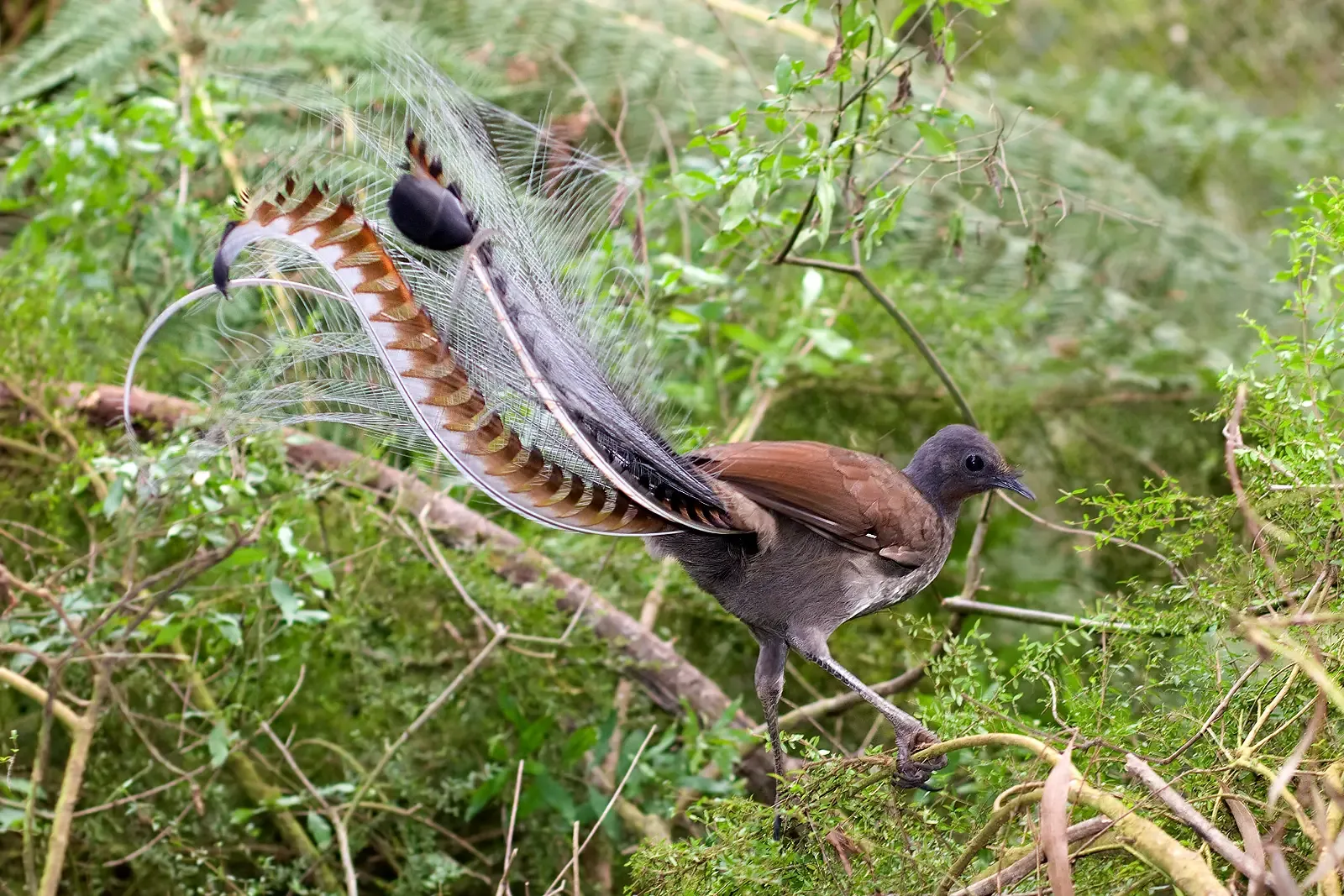
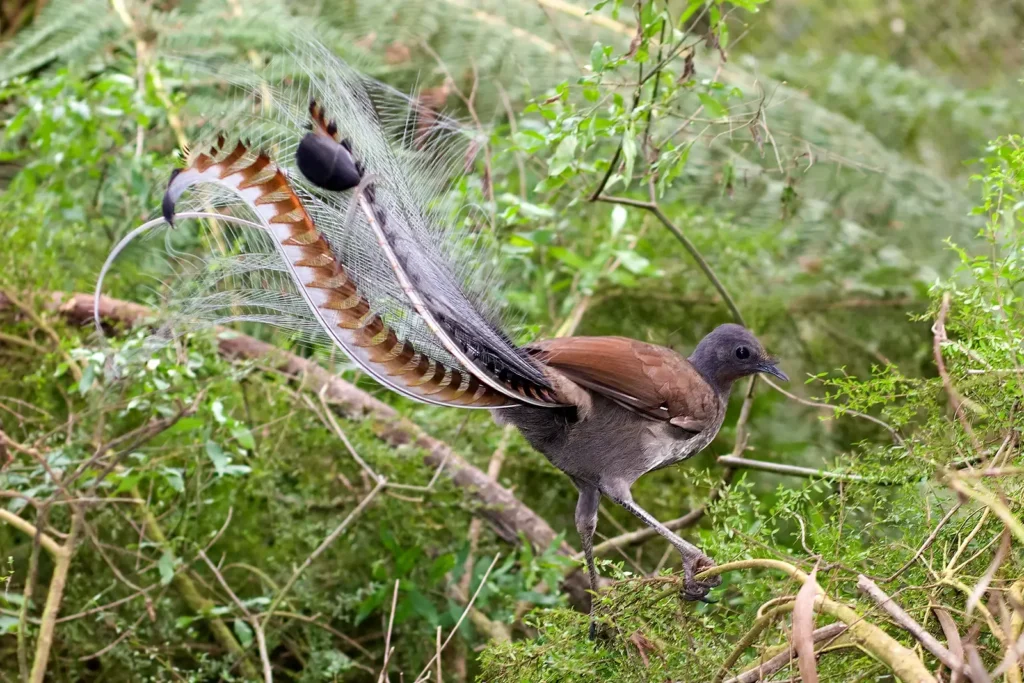
Native to Australia, lyrebirds are known for their exceptional ability to mimic natural and artificial sounds. They can imitate the songs of other birds, the sounds of chainsaws, car engines, camera shutters, and even human voices. I know it sounds crazy, but this is not exaggeration – field recordings of lyrebirds mimicking construction equipment deep in the forest are genuinely disorienting. Your brain refuses to believe that something organic is making those sounds.
These Australian birds are renowned for their ability to mimic sounds including a chainsaw, a car alarm, a dog’s bark, and the click of a camera shutter. What makes this even more extraordinary is the precision and speed with which lyrebirds incorporate new sounds into their repertoire. Despite centuries of study, nature continues to challenge our understanding, and the lyrebird’s acoustic intelligence – the neurological wiring that allows it to deconstruct, memorize, and reproduce complex audio with such fidelity – remains one of the more elegant mysteries in all of animal science.
Conclusion: Nature Still Has Secrets to Reveal
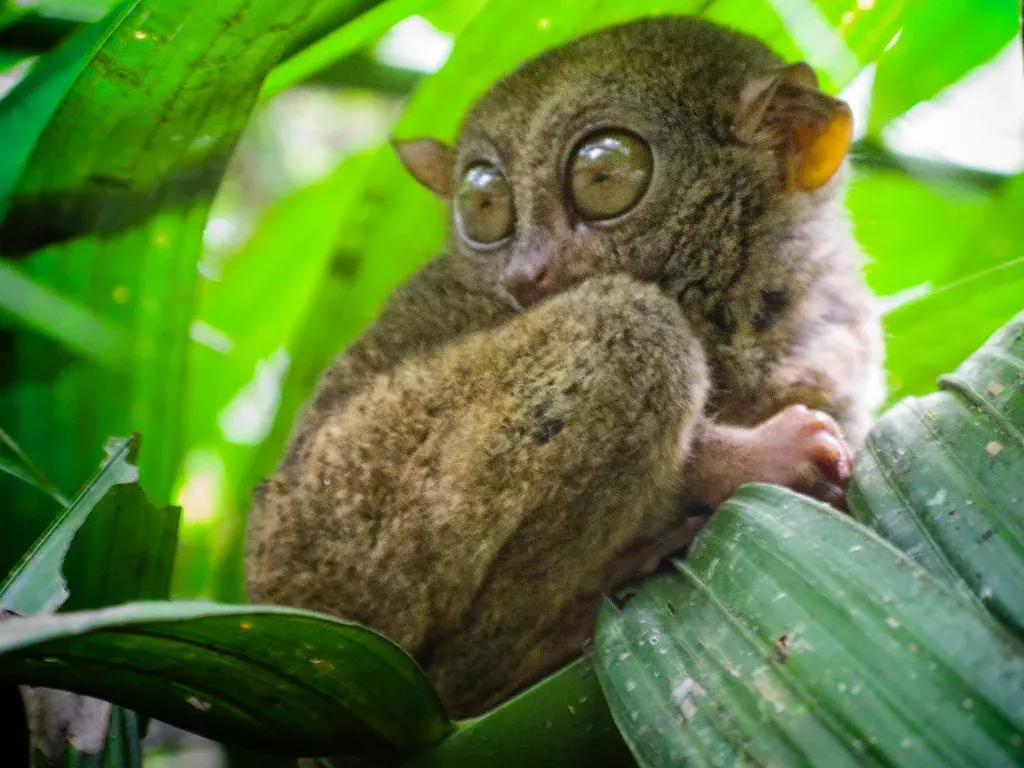
After reading through all ten of these creatures, one thing becomes impossible to ignore: the natural world is operating on a level that human science is still racing to catch up with. The natural world is full of creatures that push the boundaries of what seems possible. Some animals can regenerate entire body parts, others survive in the harshest environments, and a few display abilities that seem almost supernatural. These unique adaptations challenge scientific understanding, leaving researchers puzzled about how they evolved.
From a jellyfish that sidesteps death to a tiny water bear surviving open space, each of these animals is a living argument that evolution is far more creative and surprising than we give it credit for. What makes these powers even more fascinating is that they’re not just biological curiosities – they’re potential keys to revolutionizing human medicine, technology, and our understanding of life itself. From regenerative medicine inspired by salamanders to navigation systems based on magnetic perception, these animal abilities could reshape our world. The next time you walk past a pigeon on the street or spot a tiny creature in the moss, maybe pause for a second. You might be looking at something far more extraordinary than it appears.
Which of these ten animals surprised you the most? Drop your thoughts in the comments below – because honestly, this is the kind of thing that deserves a conversation.
Hi, I’m Andrew, and I come from India. Experienced content specialist with a passion for writing. My forte includes health and wellness, Travel, Animals, and Nature. A nature nomad, I am obsessed with mountains and love high-altitude trekking. I have been on several Himalayan treks in India including the Everest Base Camp in Nepal, a profound experience.