

Some of the most baffling technologies on the planet were built long before electricity, computers, or even paper were common. Stone tools, bronze weapons, and clay tablets are what we usually imagine when we think of “ancient tech,” but that image is wildly incomplete. Hidden in ruins, buried in shipwrecks, and carved into rock are inventions and engineering feats so advanced that modern scientists still argue about how they were even possible.
I remember standing in front of a massive stone block in an old archaeological museum, reading that no one really knew how it had been cut so cleanly without steel tools or modern saws. It was a weird feeling – like realizing your great‑grandparents might have secretly been better engineers than we are. The ten technologies below are like that stone block: tangible proof that ancient people were far more sophisticated, inventive, and sometimes just plain mysterious than our school textbooks ever made them seem.
The Antikythera Mechanism: The Ancient Greek “Computer”
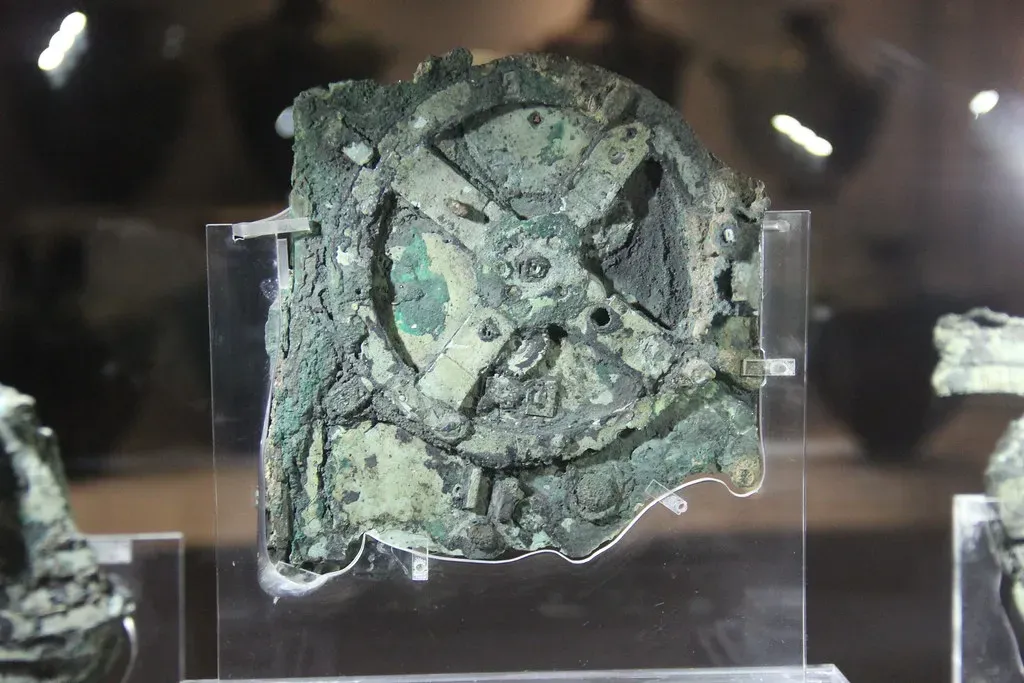
Discovered in a shipwreck off the Greek island of Antikythera in the early twentieth century, this corroded lump of bronze turned out to be one of the most astonishing devices ever found. Inside, researchers uncovered a complex system of interlocking gears designed to predict eclipses, track the movements of the Sun and Moon, and model the positions of planets. Its precision rivals that of finely crafted clockwork made more than a thousand years later, which completely breaks the usual timeline we’re taught for mechanical engineering.
What still puzzles experts is not just that it exists, but that it seems to be a one‑off – there is no clear group of similar mechanisms that show a natural technological progression. The mathematics encoded in its gear ratios suggest knowledge of sophisticated astronomical cycles that would have required long‑term observation and advanced theory. It raises uncomfortable questions: if this was possible in ancient Greece, what other devices were built and simply lost to time? The Antikythera Mechanism sits there like a glitch in history, daring us to admit we’re missing entire chapters of human ingenuity.
Roman Concrete That Refuses To Die
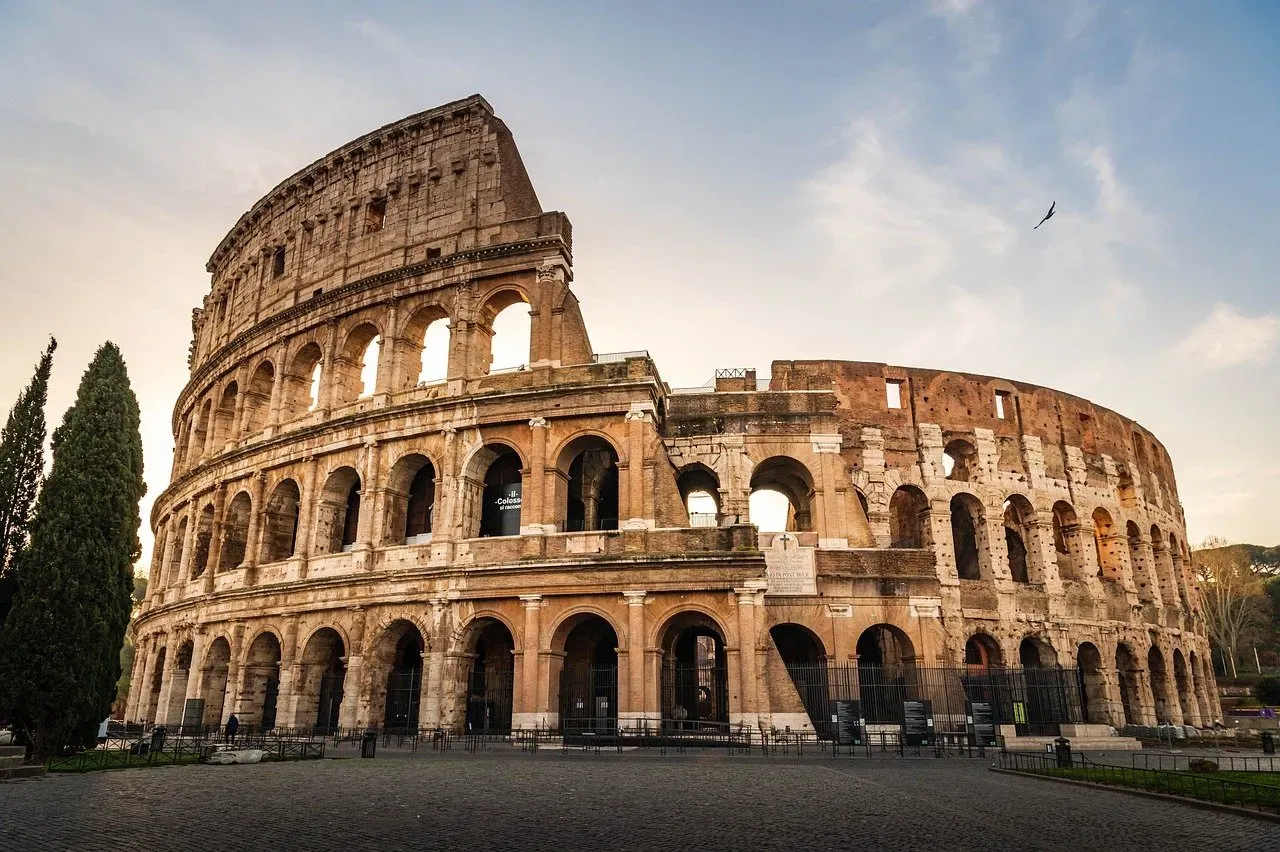
Modern concrete crumbles in less than a century, especially near the sea, but Roman harbors, aqueducts, and dome structures have survived for nearly two millennia. The ingredients look deceptively simple: volcanic ash, lime, and aggregate. Yet modern engineers spent decades trying to understand why Roman maritime concrete actually gets stronger when exposed to seawater. The answer seems to lie in a strange self‑healing chemistry that happens at the microscopic level as minerals slowly grow and lock the structure together.
Even now, scientists are still refining how this process really worked, and how consistently the Romans understood and controlled it. It’s one thing to reverse‑engineer a recipe in a lab; it’s another to mass‑produce it for massive imperial projects without digital controls, standardization, or modern safety testing. The fact that we only recently began incorporating some of these ancient principles into new “self‑healing” concretes is a bit humbling. For all our skyscrapers and advanced materials, we’re still learning from people who mixed mortar by hand and built harbors with wooden scaffolding and sheer nerve.
Egyptian Pyramids And The Precision Of Stoneworking

The Great Pyramid at Giza is so famous that it almost feels boring – until you look closely at its details. The base is nearly perfectly level, the sides align astonishingly close to the cardinal directions, and some of the interior stone blocks fit together with seams so tight you can barely slide a razor blade between them. All this with copper tools, sledges, and human muscle, at least according to the standard explanation. Yet the practical “how” – from quarry to finished placement with such accuracy – remains hotly debated.
Stone drilling marks, smooth surfaces, and precise cuts in granite and diorite raise even more questions, because these rocks are extremely hard to work with even using modern equipment. Experts argue over the exact combination of abrasives, tools, and techniques that ancient Egyptian workers might have used. While there’s no credible need to invoke aliens or magic, there is a clear sense that we still don’t fully grasp the day‑to‑day methods of these builders. In a way, that’s the most unsettling part: their genius lies not in some mythical secret, but in a level of organized labor, craftsmanship, and practical know‑how we’ve never fully reconstructed.
Indus Valley Urban Planning And “Modern” Infrastructure
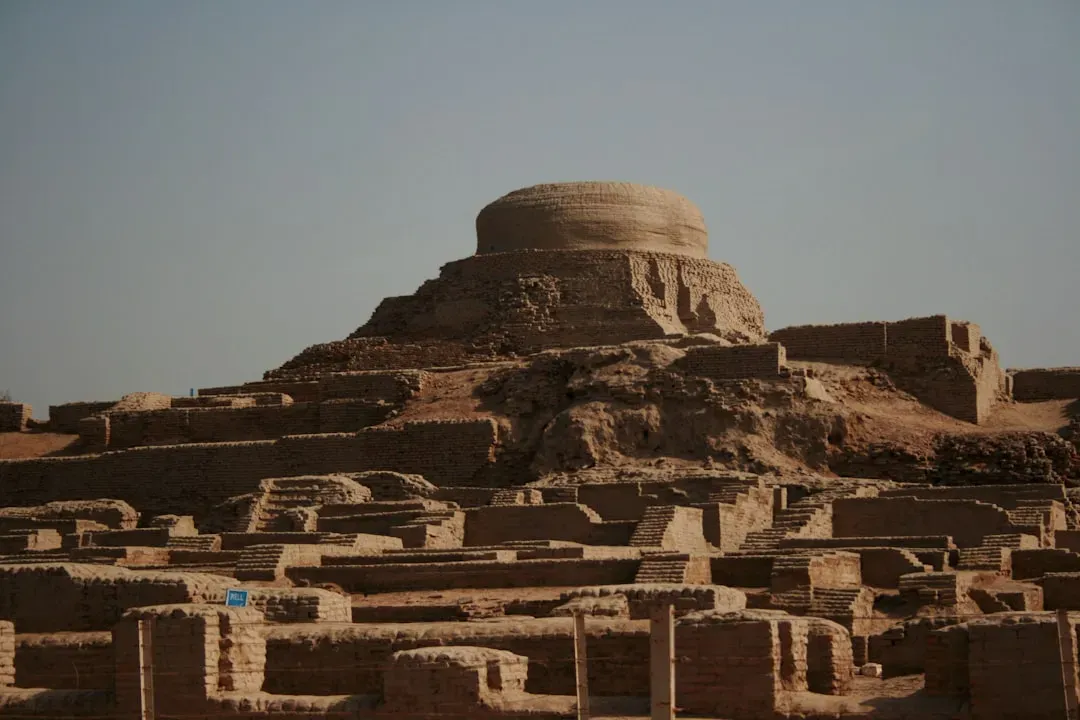
The cities of the Indus Valley Civilization – places like Mohenjo‑Daro and Harappa in today’s Pakistan and India – were laid out with a rational, almost modern logic. Streets were built on grid patterns, residential areas were separated from public structures, and bricks were standardized in shape and size. This level of planning suggests someone was thinking in terms of city‑wide systems, not just individual buildings. It stands in stark contrast to the chaotic, organically grown layouts of many later cities in other regions.
What really blows experts away is the drainage and sanitation network. Many homes had access to water and what appear to be early toilet or bathing areas that connected to covered sewers running beneath the streets. For a civilization that flourished thousands of years before the Roman Empire, this is remarkably forward‑thinking. Archaeologists still argue about how centralized the planning was, who decided on these standards, and how they enforced them across such a wide region. The more we learn, the more it feels like someone hit a historical reset button when this civilization declined, leaving later societies to reinvent many of the same ideas from scratch.
Nazca Lines And Large‑Scale Geoglyph Engineering
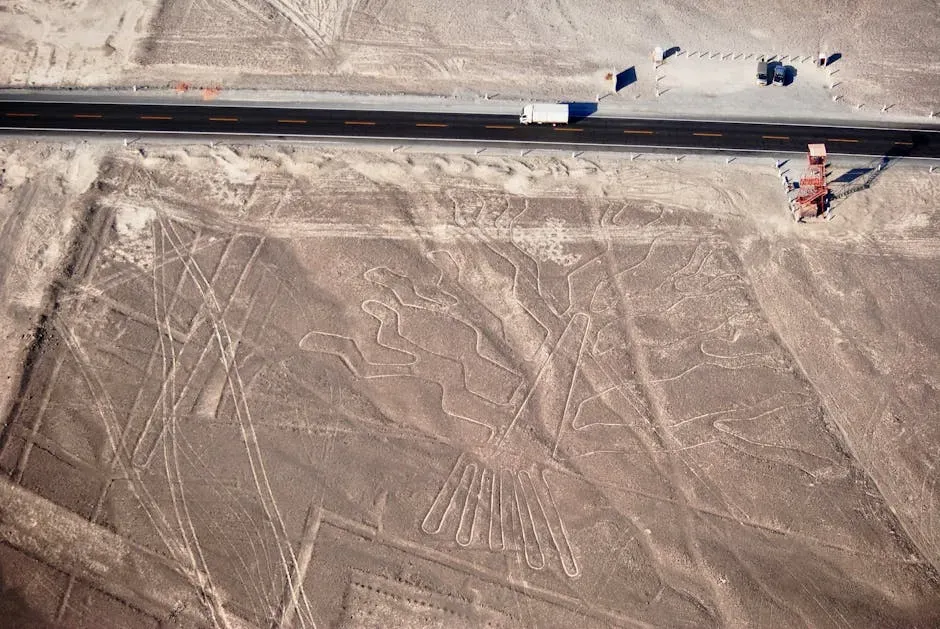
From the ground, the Nazca Desert in Peru looks like a flat, dry landscape crossed by random tracks. But from above, enormous geoglyphs appear: animals, plants, geometric shapes, and long straight lines stretching over kilometers. These were created by removing the dark, oxidized stones on the surface to reveal the lighter soil beneath, essentially drawing on the desert itself. No drones, no airplanes, no satellite imagery – and yet the proportions hold together astonishingly well when seen from the sky.
Experts have offered many hypotheses about their purpose: ritual pathways, astronomical markers, water rituals, or social symbols meant to be seen by gods rather than humans. The technology here isn’t about gears or metal; it’s about planning, surveying, and coordination on a massive scale. How did people on the ground keep the lines so straight and the figures so proportionate across such huge distances? There are theories involving simple sighting poles, grids, and ropes, but there’s still no universal agreement. The Nazca Lines are a reminder that sophisticated engineering can be built out of nothing more than careful observation, patient labor, and a vision measured in kilometers.
Baghdad Battery And The Mystery Of Ancient Electricity
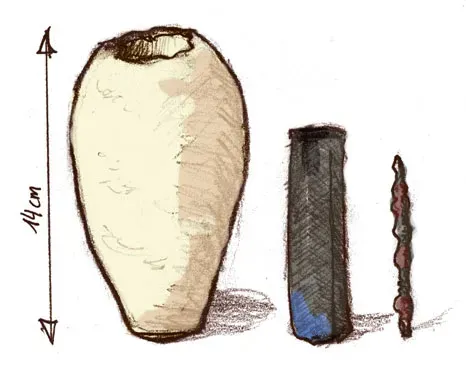
The so‑called Baghdad Battery is a small clay jar, discovered near modern Baghdad, containing a copper cylinder and an iron rod. When filled with an acidic liquid like vinegar or lemon juice, similar jars can produce a small electric current. That possibility led some researchers to suggest that people in the region might have been experimenting with proto‑batteries long before electricity was formally understood. Even the idea that someone stumbled onto this by accident is intriguing.
The debate rages on because there is no clear written description of its use, and no obvious ancient “device” that we can confidently link it to. Some argue it may have been used for metal plating, religious rituals, or even just storage of scrolls or papyri with no electrical purpose at all. The frustrating part is that the object is tantalizingly close to something we’d recognize as a battery, but without context it’s like finding a single gear without the machine it belonged to. Whether it was a deliberate electrical technology or an accidental near‑miss, the Baghdad Battery highlights how messy and nonlinear the story of innovation really is.
Ancient Peruvian Skull Surgery (Trepanation)

Archaeologists in Peru have uncovered skulls with carefully cut holes – not from injuries, but from deliberate surgical procedures known as trepanation. Astonishingly, many of these skulls show clear signs of healing, which means the patients survived for months or years afterward. Some regions and time periods in the Andes show survival rates that would have put many nineteenth‑century European surgeons to shame. Without antibiotics, modern imaging, or sophisticated anesthesia, that’s hard to wrap your head around.
Experts are still debating exactly how these surgeries were performed, what tools were used, and how the risk of infection was managed. Did they use specific herbs with antimicrobial or pain‑relieving properties? Was there a detailed understanding of where to cut and where not to? The precision of some operations suggests a long tradition of trial, error, and accumulated knowledge that went far beyond simple superstition. When you realize that ancient healers in the Andes were successfully operating on skulls while other societies still blamed headaches on evil spirits, it forces you to rethink the usual hierarchy of “advanced” and “primitive.”
Greek Fire: The Byzantine Superweapon
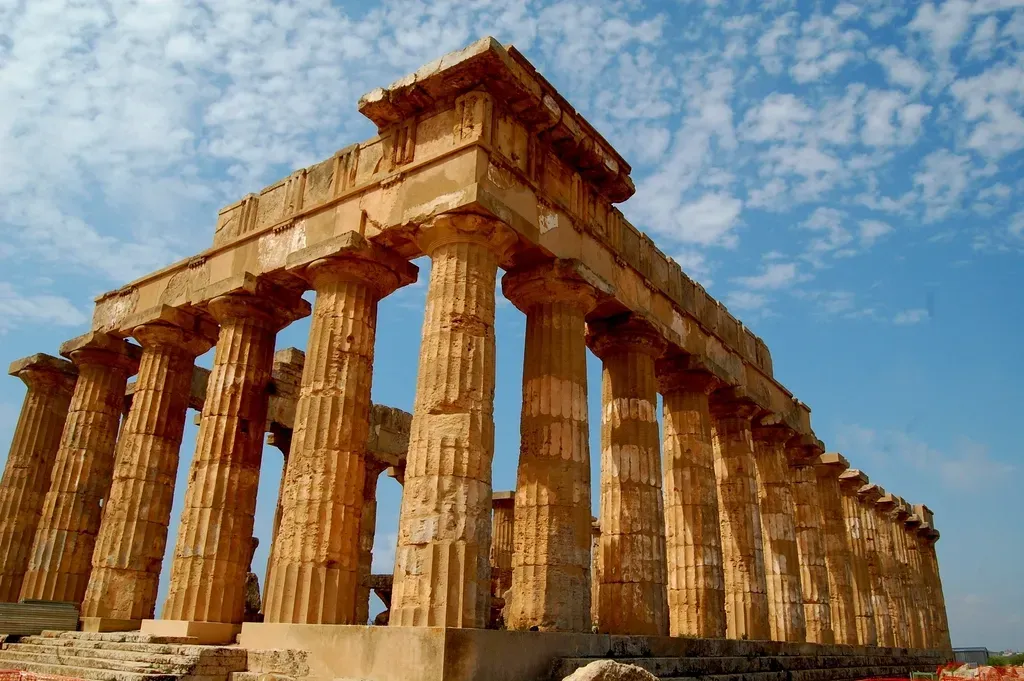
In the medieval Eastern Roman (Byzantine) Empire, ships were equipped with a terrifying weapon: a liquid that could be sprayed or projected onto enemy vessels and famously continued burning even on water. We call it Greek Fire, but no one today knows the exact formula. Contemporary descriptions speak of it with dread, and naval battles where it was used turned decisively in favor of the Byzantines. In some ways, it was the flamethrower of its time, combining chemistry and delivery systems in a way enemies could not easily copy.
Modern chemists have proposed mixtures involving petroleum, resin, sulfur, and other ingredients, but these are educated guesses based on what was available and how the weapon behaved. The formula was treated as a tightly guarded state secret, and apparently it stayed that way so effectively that it disappeared entirely from the historical record. This is a rare case where we know a technology existed, can see its effects described in detail, and still cannot fully recreate it with confidence. Greek Fire sits at the edge of our understanding, a vivid example of how even powerful inventions can simply vanish when their last practitioners are gone.
Incan Stone Walls Without Mortar
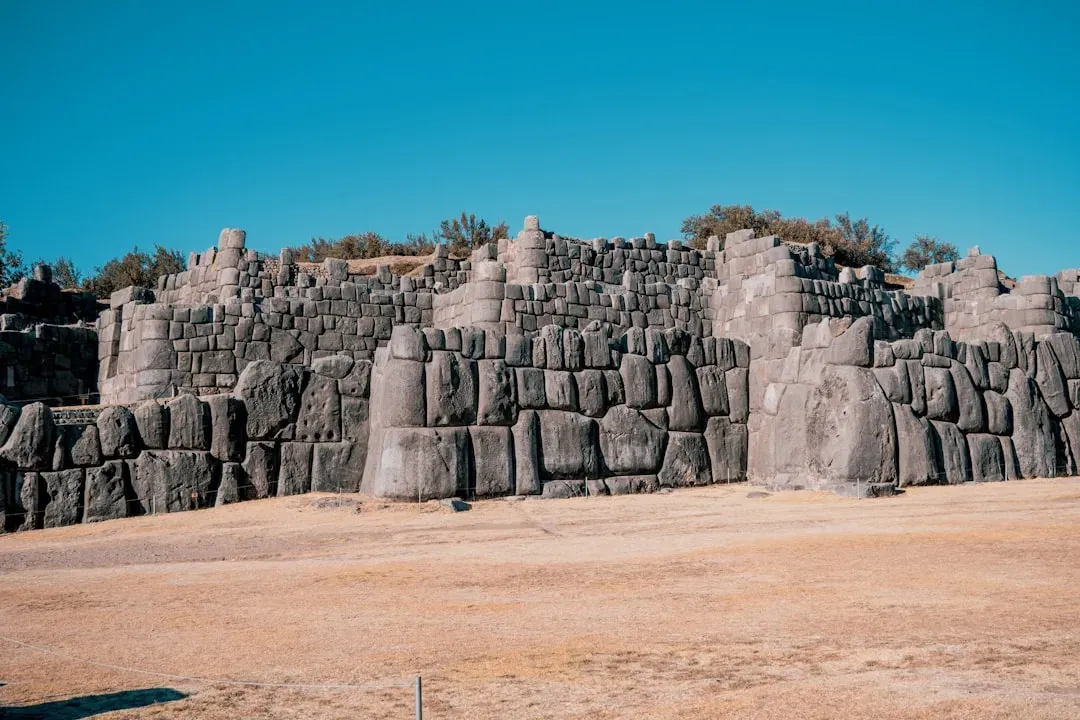
Walk through the old streets of Cusco in Peru or visit the fortress of Sacsayhuamán, and you’ll see walls made of massive stone blocks that fit together like a three‑dimensional jigsaw puzzle. There is no mortar holding them in place. The stones have irregular shapes, yet they interlock so tightly that not even a knife blade can slip between many of them. These walls have survived major earthquakes that toppled later colonial buildings, suggesting a form of deliberate seismic engineering built into their design.
How the Inca and their predecessors quarried, moved, and shaped these stones with such precision is still actively studied and argued about. There are theories involving wooden wedges, water, teams of workers using stone tools, and long ramps, but recreating the exact process at full scale remains extremely difficult. The engineering logic is brilliant: by creating flexible, interlocking joints, the walls can move slightly during quakes without collapsing. Yet there are no surviving detailed technical manuals or blueprints. Their knowledge is carried today mostly in stone, challenging modern builders to understand a language carved into mountainsides.
Ancient Astronomical Alignments And Megalithic Observatories

Sites like Stonehenge in England, Newgrange in Ireland, and various megalithic complexes across Europe, Asia, and the Americas show a striking pattern: massive stones aligned with solstices, equinoxes, and specific celestial events. At Newgrange, for example, the inner chamber lights up with sunrise only on the winter solstice, thanks to a carefully placed opening and passageway. Achieving that effect requires not just moving huge stones, but also a fine understanding of the Sun’s yearly path and a willingness to build for the long term.
Experts continue to argue over how much ancient builders understood in mathematical terms versus learned empirically by long‑term observation. Did they have formalized models or just generations of careful watching and marking? Some sites also appear to track lunar cycles or star positions, suggesting a depth of sky‑watching that goes far beyond basic timekeeping. What remains perplexing is not that they could see the stars – anyone can – but that they could encode that knowledge into architecture with such durability and precision. When your calendar is a stone building that still works thousands of years later, it forces us to admit that ancient science was often written not on paper, but into the landscape itself.
Conclusion: Rethinking What “Advanced” Really Means
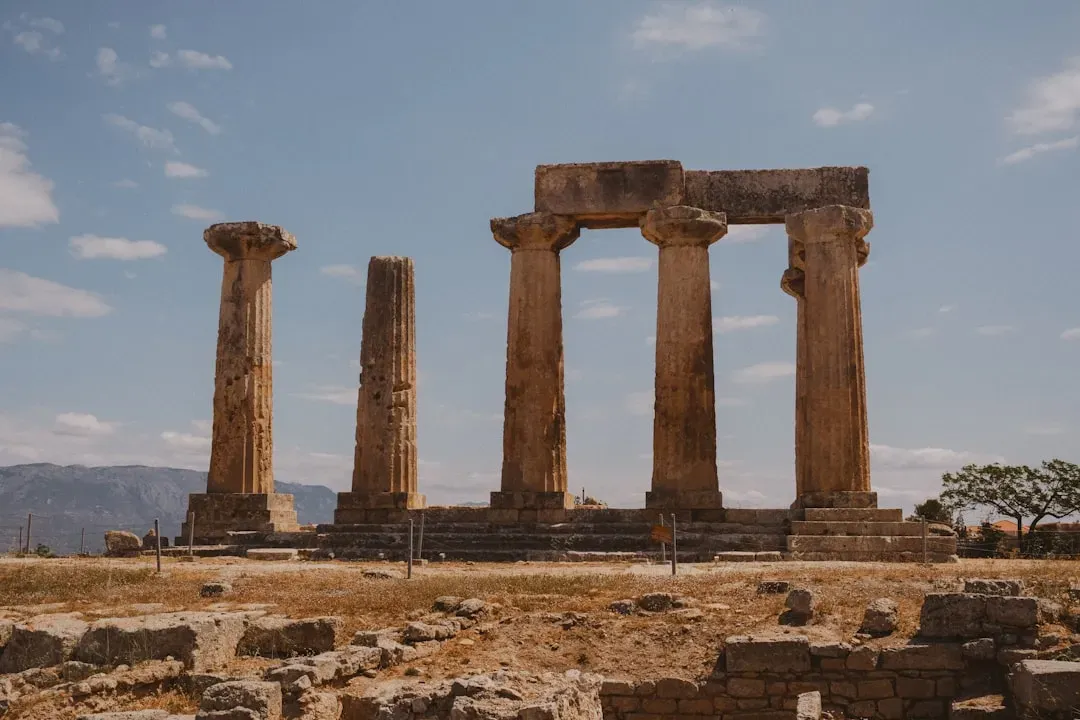
Looking at these ancient technologies side by side, a pattern emerges: people thousands of years ago were obsessing over many of the same problems we face today. How do you build structures that last? How do you understand the sky, heal the body, harness energy, or gain an edge in war? The tools were different, but the drive – curiosity, fear, ambition, creativity – feels very familiar. It’s a bit like opening an old family attic and realizing your ancestors were quietly doing high‑level engineering while you assumed they were still figuring out fire.
What still perplexes experts is not just the cleverness of each invention, but the gaps: missing manuals, lost traditions, isolated artifacts with no clear context. We’re left reverse‑engineering a puzzle with half the pieces gone. To me, that’s both unsettling and weirdly inspiring. It means the story of human technology isn’t a straight upward line, but a tangled web of breakthroughs, amnesia, and rediscovery. When you look at a crumbling Roman harbor or a perfectly joined Incan wall, you’re not just seeing the past – you’re looking at ideas we’re still chasing. Which of our own technologies, do you think, will leave future archaeologists just as baffled?