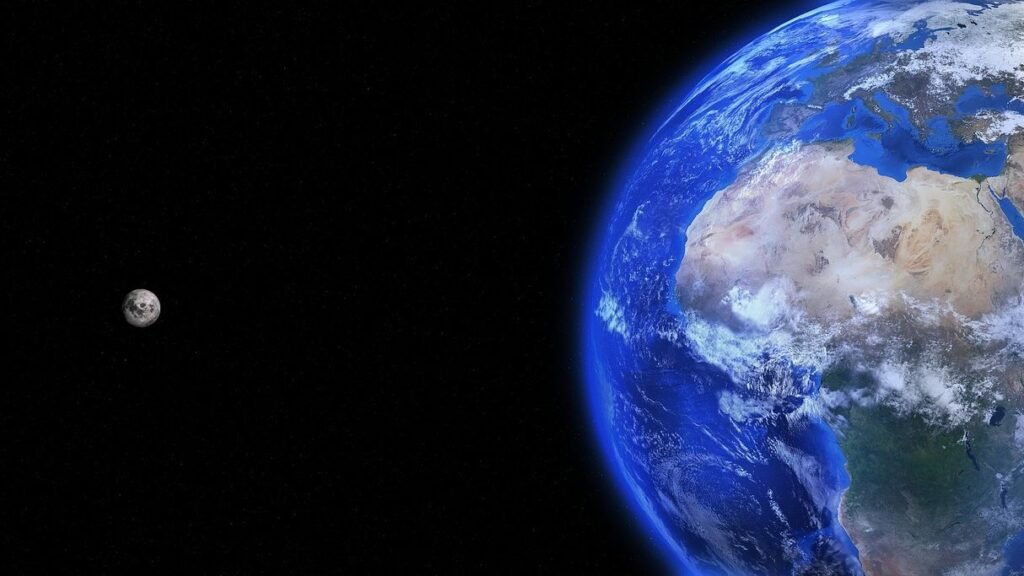

Every night, you look up and see it hanging there in the sky, seemingly permanent, impossibly familiar. The Moon has been humanity’s companion since before we even had words to describe it. Poets have written about it. Sailors have navigated by it. Children have pointed at it before they could speak. It feels eternal. It feels fixed.
Here’s the thing, though. It isn’t. Right now, at this very moment, the Moon is drifting away from you. Quietly, steadily, indifferently. And over the vast stretch of time, that slow departure is going to reshape everything about your planet in ways that are both staggering and deeply personal.
The science behind this cosmic drift is genuinely fascinating, and the consequences stretch from the rhythm of your ocean tides to the very stability of Earth’s climate. So buckle up. Let’s dive in.
The Slow Goodbye: How Fast Is the Moon Really Leaving?
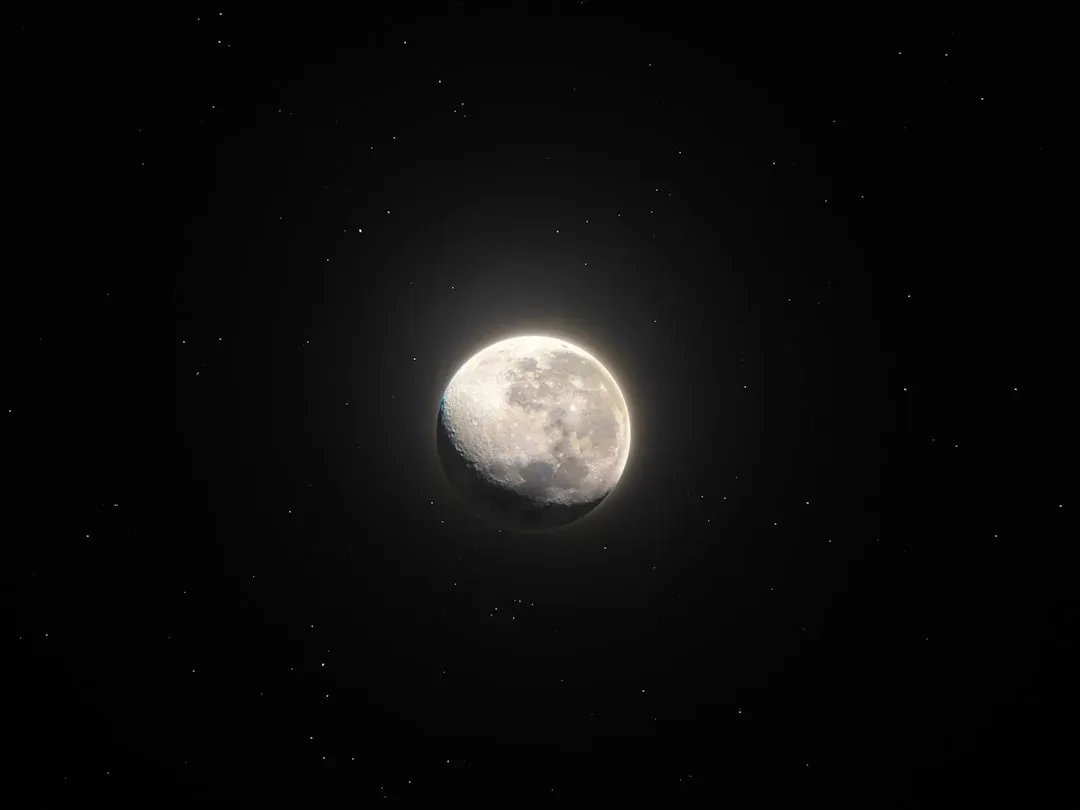
Let’s start with a number that sounds almost laughably small. The Moon is getting about one and a half inches farther from the Earth every year. To put that in perspective, that’s roughly the same rate at which your fingernails grow. You wouldn’t even notice it happening if you watched. Yet over geological timescales, this tiny number becomes absolutely enormous.
Scientists measure the distance to the Moon by bouncing lasers off mirrors placed there by space probes and astronauts, and by measuring the amount of time it takes light to travel to the Moon and back, they can very precisely measure the distance and how it changes. This technique, called the Lunar Laser Ranging Experiment, has been running since the Apollo era. Astrophysicists, thanks to these extremely precise measurements, have confirmed that this recession amounts to about 3.8 centimeters per year.
Why Is the Moon Drifting Away? The Tidal Tug of War
You might be wondering what’s actually driving this drift. The answer is something you experience twice a day without thinking much about it: the tides. Tides come from a difference in gravity across an object. The force of gravity exerted by the Moon is about four percent stronger on the side of Earth that faces toward the Moon, compared to the opposite side, because gravity gets weaker with distance. This imbalance creates those familiar ocean bulges.
These liquid bulges do not quite line up with the Moon as they slightly “lead” it because the Earth is rotating and dragging them forward. These bulges also exert a gravitational pull back on the Moon. The bulge closer to the Moon isn’t just pulling the Moon toward the center of the Earth, but also a little bit ahead in its orbit, like the boost a sports car gets as it goes around a curve. That tiny forward boost adds orbital energy to the Moon over millions of years, pushing it outward into a wider and wider path.
Earth’s Slowing Spin: Your Days Are Getting Longer
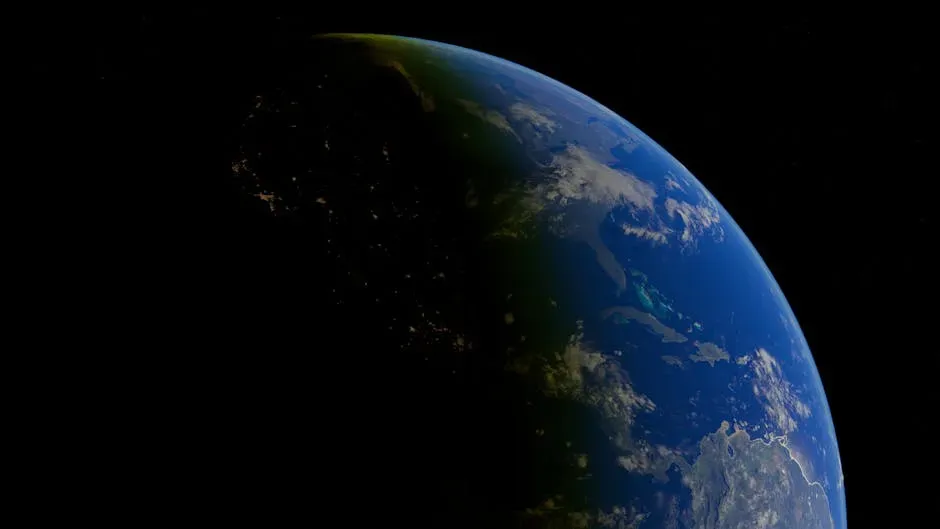
Here’s something that might genuinely surprise you. Because the Moon is drifting away, your day is actually getting longer. It’s not something you’ll feel in your lifetime, not even close, but the physics is undeniable. The energy that propels the Moon into a wider orbit is drawn from somewhere: it comes from Earth’s slowing rotation. As the Moon moves away, the length of Earth’s days increases very slightly.
Among the many visible effects of the Moon’s moving away from our planet, research shows that in 200 million years, days will be 25 hours long on Earth, rather than 24. Honestly, I find that mind-bending. The idea that something as basic as the length of a day is not a fixed constant but a moving target is a bit humbling. By analyzing growth rings in fossilized shells, researchers have shown that 70 million years ago, a day lasted only 23.5 hours, because the Moon was closer then and the tidal effects were more pronounced.
Goodbye to Total Solar Eclipses: A Farewell Already Scheduled
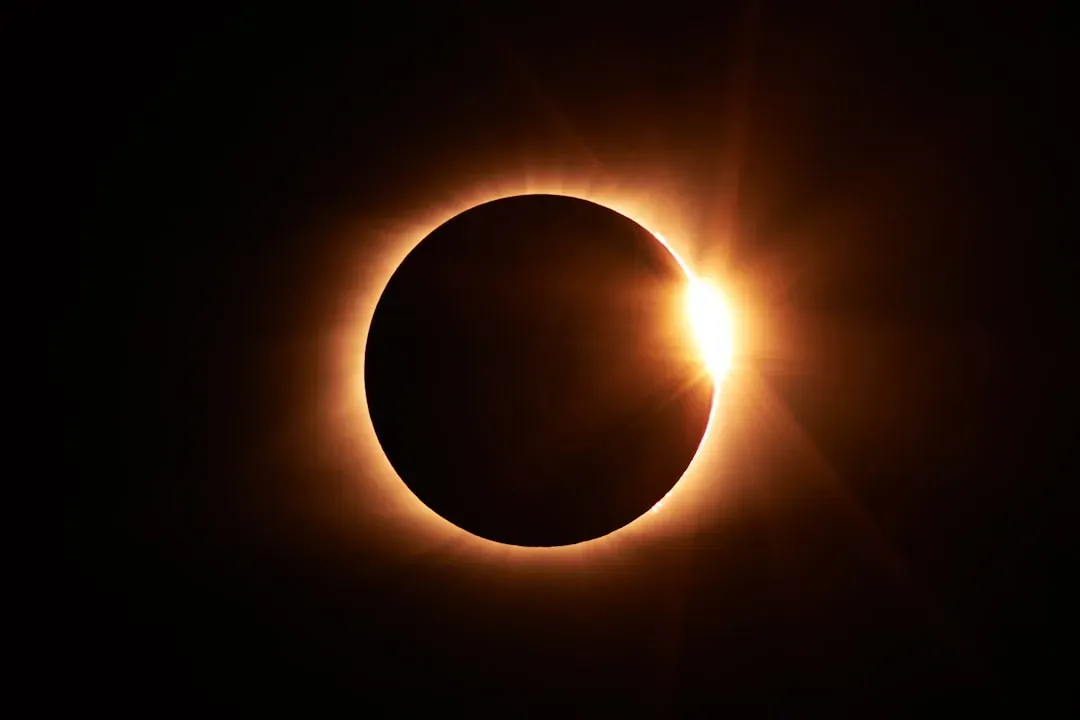
This might be the most emotionally resonant consequence of the Moon’s departure. Total solar eclipses, those breathtaking moments when day turns to an eerie twilight and the Sun’s corona blazes into view, are only possible because of a remarkable cosmic coincidence. Although the Sun’s diameter is almost 400 times that of the Moon’s, the Sun is also almost 400 times farther away, so the two bodies look nearly the same size in Earth’s sky. That allows the Moon to just cover the Sun’s disk, blocking its light but letting the silvery tendrils of the corona shine around it.
As the Moon continues to move away, total solar eclipses will become shorter, eventually lasting only seconds. After that, Earth will see only annular eclipses, in which the Moon is near its farthest point and not quite large enough to cover the Sun’s disk. Total eclipses will begin to flicker out about 620 million years from now. So if you’ve never seen a total solar eclipse, now you have a real cosmic reason to put it on your list.
The Wobbly Planet: What Happens to Earth’s Axial Tilt?
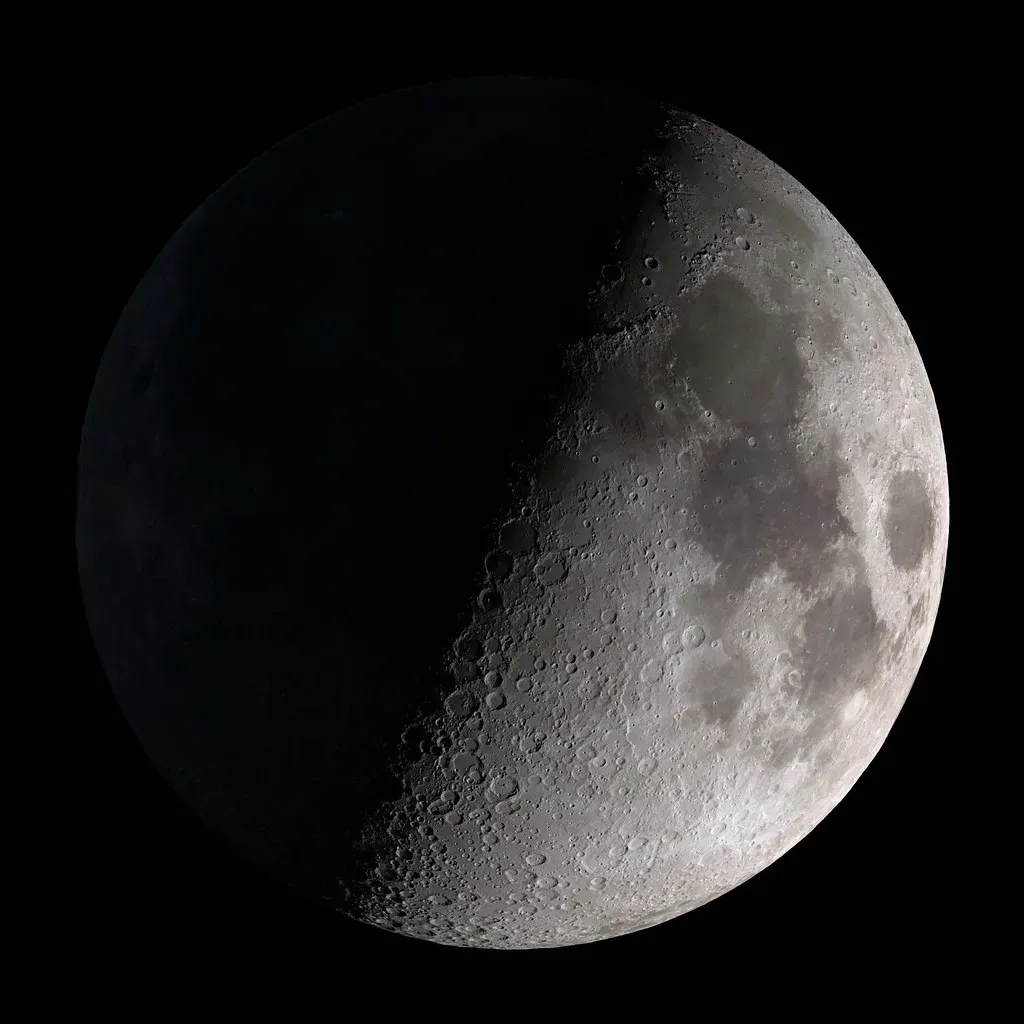
This one often gets overlooked, and yet it might be the most profound consequence of all. The Moon does something quietly heroic for life on Earth: it stabilizes the tilt of our planet’s axis. The Moon plays a critical role in keeping Earth’s tilt steady. Its gravitational pull acts as a stabilizing force, preventing the axis from drifting wildly over long periods. Without that gravitational anchor, Earth’s behavior would look a lot more chaotic.
Without the Moon, Earth’s tilt could swing from nearly zero degrees, essentially eliminating seasons, to extreme angles that would alternately bake and freeze large portions of the planet’s surface. Mars, which has a similar tilt but no large moon, has experienced dramatic shifts in its axial tilt over millions of years. Earth’s Moon keeps that from happening here. The Moon’s stabilizing effect will continue for less than two billion years. As the Moon continues to recede, resonances may occur which will cause large oscillations of the obliquity.
The Future of Tides: When the Oceans Go Quiet
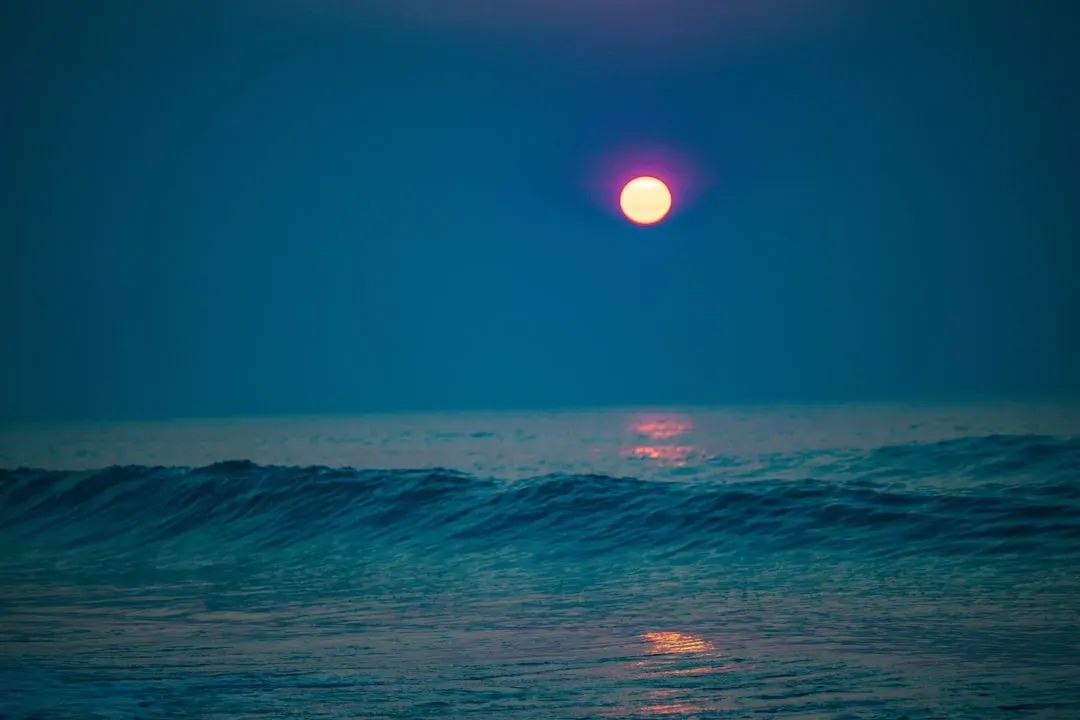
One of the most immediately noticeable effects of the Moon’s receding orbit will be a decrease in tidal range. Currently, the Moon’s gravity is the primary driver of Earth’s tides, pulling on the oceans and creating the familiar ebb and flow along coastlines. Think about everything that depends on that rhythm: entire marine ecosystems, migratory bird patterns, coastal erosion processes, even human fisheries and aquaculture. A weaker Moon means a quieter ocean, and a quieter ocean means a profoundly altered planet.
The Moon’s reduced tug on the planet would mean it would have less influence on the planet’s tides. While the tides might be less dramatic, the Earth’s climate zones would see additional effects. In the far distant future, the climate will be much more volatile, the days will be significantly longer, and the tides will be primarily driven by the Sun. It’s hard to imagine, but the coastlines of the distant future would be unrecognizable to anyone living today.
The Ultimate Fate: Tidal Locking and the End of the Story
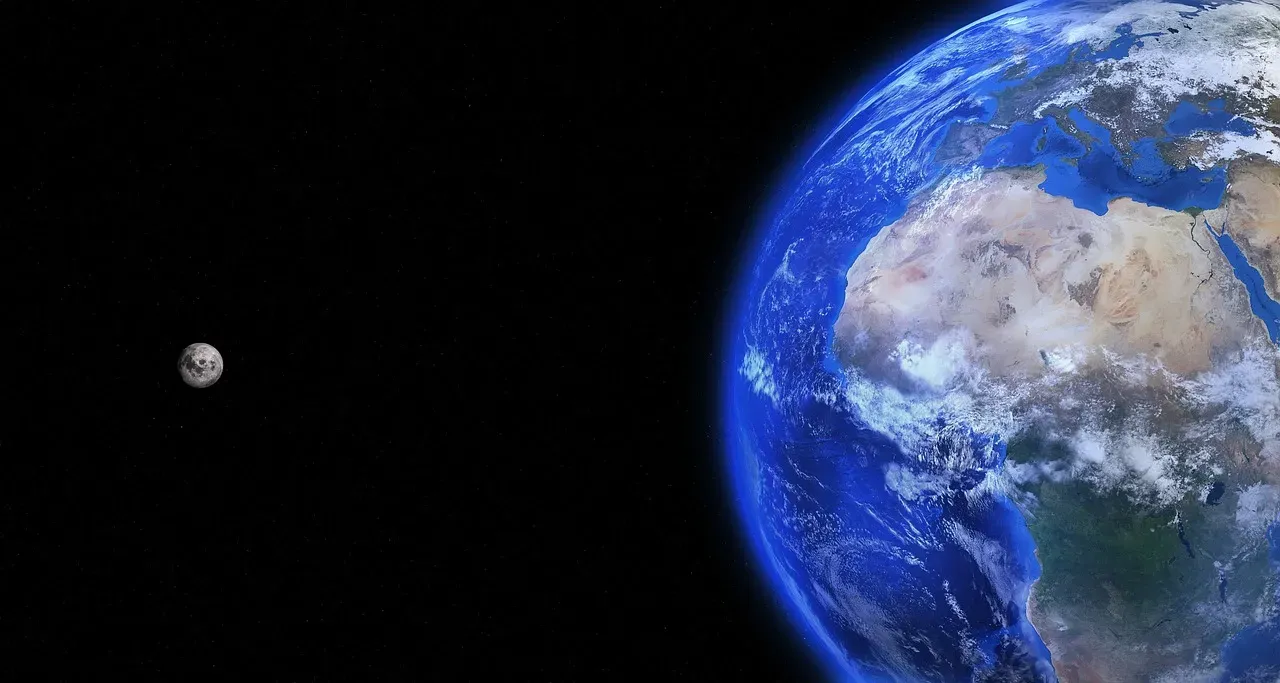
So where does all of this ultimately lead? If you project the physics far enough into the future, you arrive at a strange and rather poetic conclusion. About 50 billion years from now, if the Moon and Earth could somehow avoid the eventual death of the Sun, the Moon would be so far away, and its orbit so large, that Earth would also tidally lock to the Moon. That means one side of Earth would permanently face the Moon, while the other half of humanity would never see it at all.
Of course, nature has other plans. In a billion years or so, the Sun will get brighter and boil away the oceans. There won’t be large tidal bulges of water to cause the Moon to get more distant. A few billion years later, the Sun will expand into a red giant, probably destroying the Earth and the Moon. All in all, the Moon will not leave Earth, or vice versa. Rather, the Sun will obliterate them both. In a way, that’s almost comforting. They’ll go out together.
Conclusion: A Cosmic Dance You’re Already Part Of
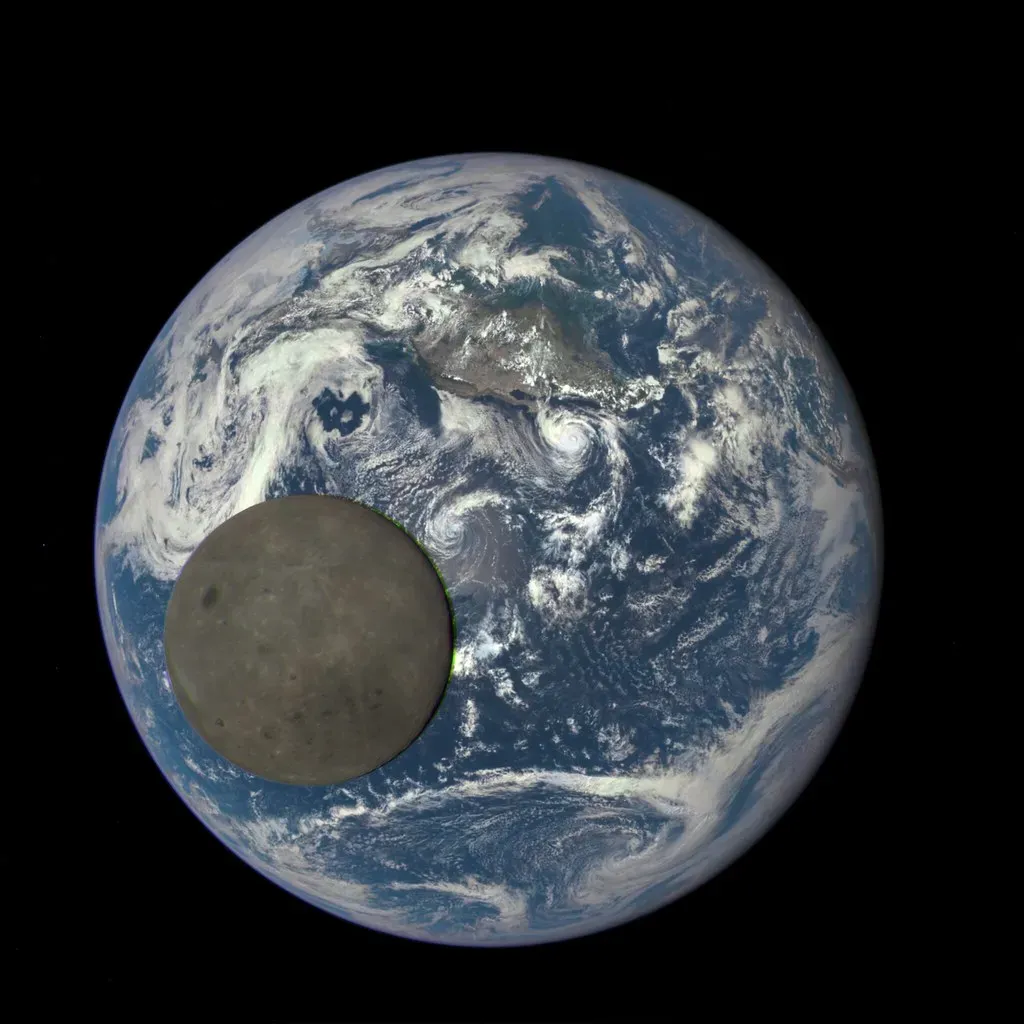
What makes this story so compelling is that it isn’t just abstract astronomy. The Moon’s slow retreat has already shaped the world you live in right now. The length of your day, the rhythm of your tides, the stability of your seasons and the very fact that complex life was able to evolve on this planet – all of it is entangled with this ancient gravitational dance. The Moon is not just a passive rock orbiting Earth. It moderates Earth’s axial tilt, which affects climate stability, and it drives tides, which in turn influence ecosystems and even human culture.
There’s something strangely moving about standing under the night sky and knowing that the Moon you’re looking at is not the Moon your ancient ancestors saw. It was bigger then, closer then, its light a little more commanding. And the Moon your distant descendants will see – if there are any – will be smaller, quieter, further away. The Moon’s gradual departure from Earth is a powerful reminder that celestial dynamics are ongoing and ever-changing. While the effects may be imperceptible on a human scale, they are significant on geological and astronomical timelines.
So next time you glance up at the Moon on a clear night, maybe give it a small nod of appreciation. It’s been doing a lot of quiet, essential work for this planet for a very long time. What would you have guessed was being held together up there, just by the pull of the tides?