
You’re sitting here right now, reading these words, and your brain is performing millions of tasks you’re not even aware of. It’s regulating your heartbeat, filtering distractions, storing memories, and making sense of symbols on a screen – all simultaneously and effortlessly. Most of us walk around with this three-pound marvel tucked inside our skulls, barely giving it a second thought. Yet what’s happening beneath your scalp is so extraordinary, so complex, that even the brightest scientists are still scratching their heads trying to understand it all.
Let’s be real, we often take our brains for granted. We use them every second of every day but rarely stop to appreciate just how wild their capabilities truly are. From storing massive amounts of information to rewiring themselves after injury, our brains possess powers that seem almost supernatural. Think about it – your brain can predict the future based on patterns, create entire worlds while you sleep, and even heal itself in ways we’re only beginning to understand.
So let’s dive in and explore ten mind-blowing abilities your brain has that you probably never imagined. Some might surprise you, others might make you rethink everything you thought you knew about yourself. Ready to discover what’s really going on inside your head?
Your Brain Can Store More Than Most Supercomputers
Imagine trying to fit roughly three million hours of video content into a single device. Sounds impossible, right? That’s approximately how much information your brain can hold – about 2.5 petabytes of memory capacity. To put that in perspective, if your brain were a digital video recorder, it could hold around three million hours of TV shows.
Scientists from the Salk Institute discovered that the brain’s memory capacity is in the petabyte range, roughly in the same ballpark as the entire World Wide Web. The secret lies in how memories are stored. Unlike computers that use binary code, your brain uses a network of connections called synapses that can exist in many different states. Research revealed there could be about 26 categories of synapse sizes, corresponding to about 4.7 bits of information – roughly ten times more discrete sizes than previously thought.
It Rewires Itself Throughout Your Entire Life
Neuroplasticity, the brain’s capacity to reorganize itself by forming new neural connections, is central to modern neuroscience, and research now shows that plasticity continues throughout the lifespan. This is honestly kind of amazing when you think about it. The brain you have today isn’t the same brain you had five years ago – not metaphorically, but literally.
Your brain constantly adapts based on your experiences, learning, and even injuries. The brain’s ability to rewire itself, known as neuroplasticity, is incredibly powerful – if we learn a new skill or face trauma, our brain can adapt by forming new neural connections, even if some regions have been damaged, which explains how stroke victims can often regain function over time. This adaptability means you can pick up new skills at any age. Yes, learning might be easier when you’re younger, but your brain never completely loses this superpower.
Emerging research has shown that neuroplasticity helps the brain retain its ability to adapt both structurally and functionally throughout life. Think about learning a new language in your fifties or mastering a musical instrument in your sixties. Your brain physically changes to accommodate these new skills, creating fresh pathways and strengthening existing ones.
Your Subconscious Mind Is Working Overtime
Here’s something that might blow your mind: research suggests 95% of our daily decisions are made by the subconscious mind, leaving only 5% to the conscious thought process. While you’re consciously focusing on reading this article or deciding what to eat for lunch, your subconscious is processing an unfathomable amount of information in the background.
Studies suggest that the subconscious mind processes about 400 billion bits of information per second and the impulses travel at speeds of up to 100,000 mph, while the conscious mind processes only about 2,000 bits of information per second. This is why you can drive home on autopilot while thinking about something completely different, or why a solution to a problem suddenly appears in your mind when you’re not actively thinking about it.
While we’re awake, our subconscious mind is tirelessly working in the background, organizing, filtering, and analyzing information that doesn’t require our direct focus, enabling us to function on autopilot for things like driving or recognizing faces, sorting out millions of details on its own.
It Can Generate New Neurons Even in Adulthood
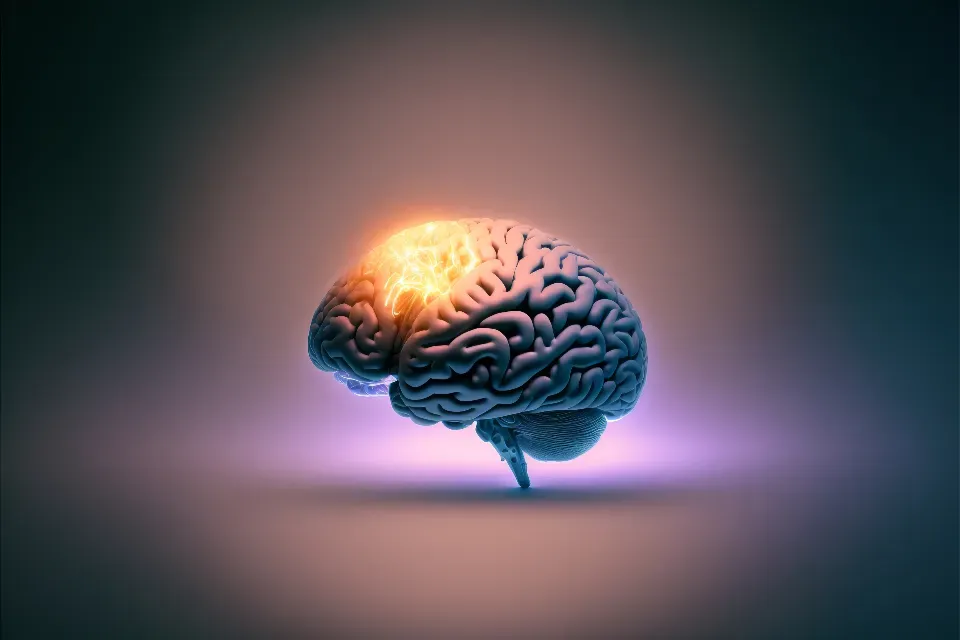
For most of the twentieth century, scientists believed that you were born with all the brain cells you’d ever have. Turns out, that was completely wrong. It is now known that neurogenesis persists throughout the human lifespan, and new neurons are being formed in the adult brain, with the first direct evidence for adult neurogenesis in humans provided in 1998.
Though the extent and rate of neurogenesis in adult humans remains a topic of debate, research demonstrates that new neurons are generated from dividing progenitor cells in the dentate gyrus of adult humans, indicating that the human hippocampus retains its ability to generate neurons throughout life. This is huge for understanding how we learn and remember things as we age.
Adult neurogenesis in rodents is reported to play a role in learning and memory, emotion, stress, depression, response to injury, and other conditions. While human neurogenesis appears to occur at slower rates than in other mammals, the fact that it happens at all opens exciting possibilities for treating brain injuries and neurodegenerative diseases.
Your Brain Predicts the Future Constantly

Every single moment, your brain is making predictions about what’s going to happen next. It’s not psychic, but it’s pretty close. Your brain uses past experiences and patterns to anticipate what’s coming, allowing you to react faster than your conscious mind could process.
That gut feeling that turns out to be spot-on is your brain working its magic behind the scenes, rapidly analyzing patterns and past experiences to offer a solution without you even realizing it, shaped by years of personal experiences. This intuitive process is why sometimes you just know something feels off about a situation, even if you can’t articulate why.
Think about catching a ball. Your brain calculates trajectory, speed, and timing before you’re consciously aware of any of those factors. It’s constantly running simulations and making micro-adjustments based on sensory input you’re not even paying attention to. This predictive ability keeps you safe, helps you make decisions, and allows you to navigate a complex world with surprising ease.
It Creates Entirely New Realities While You Sleep

Dreams aren’t just a way for our brain to unwind – they play an essential role in processing our emotions, solving problems, and even making sense of daily events. While you’re lying there unconscious, your brain is busy consolidating memories, working through emotional experiences, and sometimes serving up bizarre storylines that would put Hollywood to shame.
Dreaming takes more brain activity than any waking function, which means it’s wrong to think that the brain shuts down while we’re sleeping. Your brain is actually incredibly active during REM sleep, firing neurons in patterns that can be more intense than during waking hours. Studies suggest that dreams help us integrate memories and process difficult emotions, sometimes giving us insight into problems or worries we might be facing, acting as our brain’s nightly therapy session.
Have you ever gone to bed stuck on a problem and woken up with the answer? That’s your dreaming brain doing its thing. It makes connections between seemingly unrelated concepts, allowing creative insights to emerge when your conscious mind isn’t getting in the way.
It Feels What Others Feel Through Mirror Neurons

Mirror neurons fire up when we see someone else experience something – be it joy or pain – allowing us to mirror their emotions, which is why we often feel a pang of sadness watching someone cry in a movie or share someone’s excitement, making humans highly social beings. This neural mirroring system is fundamental to empathy and social connection.
Honestly, this ability is what makes us deeply human. When you watch a thriller and your heart races, or when you see someone stub their toe and you wince, that’s your mirror neurons doing their job. They create a neural simulation of what you’re observing, allowing you to literally feel a shadow of what others experience.
This system develops early in life and plays a crucial role in learning through imitation. Babies learn to smile by watching their parents smile. Children learn language by observing and mimicking. This mirroring ability allows us to navigate social situations, understand intentions, and build the complex relationships that define human existence.
Your Brain Can Visualize Success Into Reality

Visualization is more than just wishful thinking – it’s a powerful tool used by athletes and successful individuals to improve their skills, and when you visualize yourself achieving something, the same areas of the brain activate as if you were actually doing it. This isn’t some new-age nonsense – it’s backed by neuroscience.
Professional athletes have known this for decades. They spend time mentally rehearsing their performances, and their brains respond as if they’re physically practicing. The neural pathways strengthen, muscle memory improves, and when it comes time for the actual performance, their brains have already “done” it hundreds of times.
You can harness this same power for your own goals. Whether you’re preparing for a presentation, working on a skill, or trying to build confidence in a particular situation, mental rehearsal creates real changes in your brain. The neural connections involved in the activity become more robust, making the actual execution smoother when the time comes.
It Builds Automatic Habits to Conserve Energy

Our brains love routines – they’re efficient and conserve energy, so by repeating certain actions, thoughts, or behaviors, we create neural pathways that make those habits automatic over time, meaning we can harness this power to change behaviors, boost productivity, and even reframe our mindset, effectively shaping the lives we lead.
Your brain is essentially lazy, but in a good way. It doesn’t want to waste precious energy on tasks that can be automated. That’s why brushing your teeth doesn’t require conscious thought anymore, or why you can navigate your morning routine half-asleep. Your brain has turned these repetitive actions into efficient programs that run automatically.
The flip side? Breaking bad habits is difficult precisely because they’ve been encoded into these automatic pathways. Yet understanding this process gives you power. By consciously creating new routines and repeating them consistently, you can literally rewire your brain to support the person you want to become. It takes time and effort, but your brain’s plasticity makes lasting change possible.
It Performs Trillions of Calculations You Never Notice
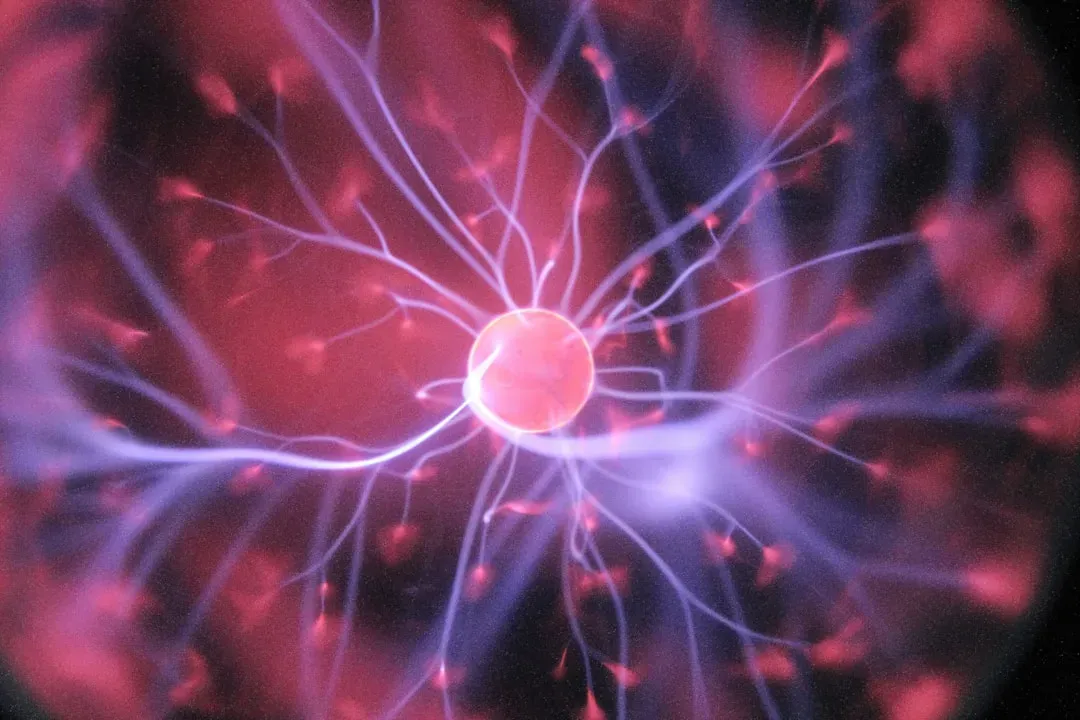
Key cells in the brain, neurons, form networks by exchanging signals, enabling the brain to learn and adapt at incredible speed. Right now, as you sit reading this, your brain is coordinating breathing, regulating body temperature, processing visual information, maintaining balance, monitoring for threats, and performing countless other functions – all without you having to think about any of it.
The brain contains more than 100 trillion synapses between neurons, with chemical messengers launched across these synapses facilitating the transfer of information across the brain, and as we learn, the transfer of information through specific synapses increases, with this strengthening of synapses enabling us to retain new information.
The sheer computational power required to keep your body functioning is staggering. Your brain is constantly receiving sensory input from millions of receptors, processing that information, making decisions, and sending signals to various body systems. It does all this while consuming only about as much power as a standard lightbulb. Pretty incredible engineering for something that emerged through evolution.
Conclusion: The Frontier Inside Your Skull
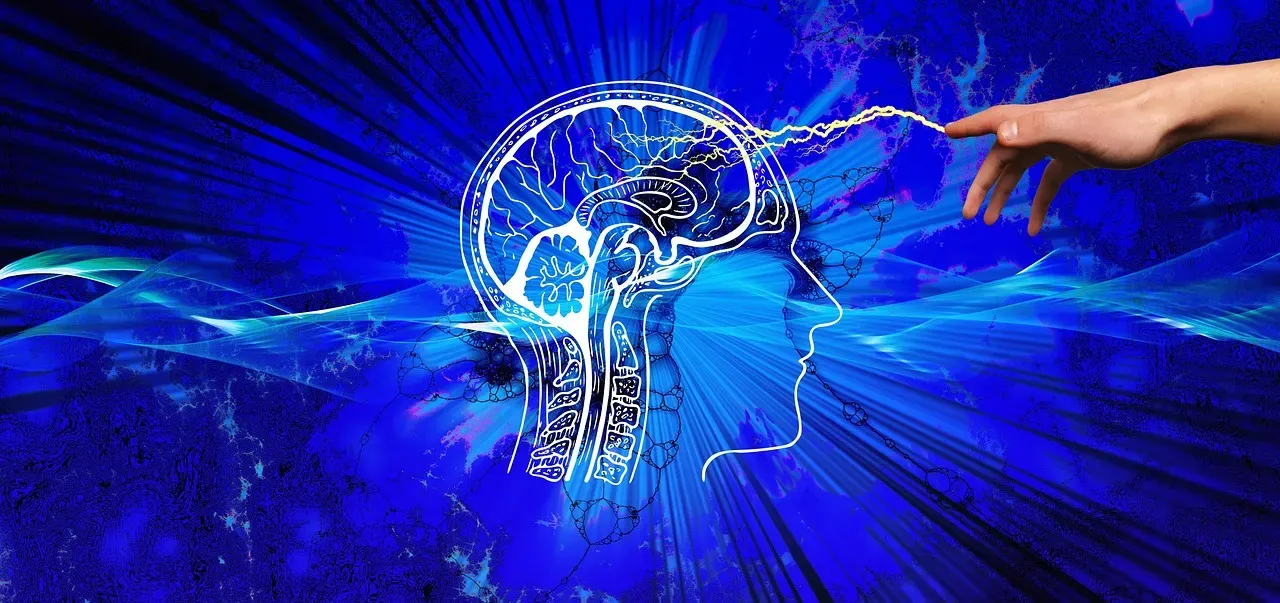
After exploring these ten extraordinary capabilities, it’s hard not to feel a sense of wonder about the organ between your ears. Neurons form networks by exchanging signals, enabling the brain to learn and adapt at incredible speed. Your brain isn’t just some fixed computer running predetermined programs – it’s a dynamic, self-modifying, constantly evolving biological marvel.
We’ve only scratched the surface of understanding what the brain can truly do. Researchers have built miniature human brain circuits using fused stem-cell–derived organoids, finding that the thalamus plays a decisive role in maturing the cortex, and the system closely mimics human brain development and could transform how scientists study neurological disorders. Every year brings new discoveries that challenge what we thought we knew about human cognition, consciousness, and potential.
The really exciting part is that you have the power to influence many of these brain functions. Through learning, practicing healthy habits, getting quality sleep, and staying mentally engaged, you can optimize your brain’s performance throughout your lifetime. Your brain wants to grow, adapt, and thrive – you just need to give it the right conditions.
So what do you think? Did any of these abilities surprise you? Will you look at your own mind differently now, knowing the incredible feats it performs every single day without you even realizing it?