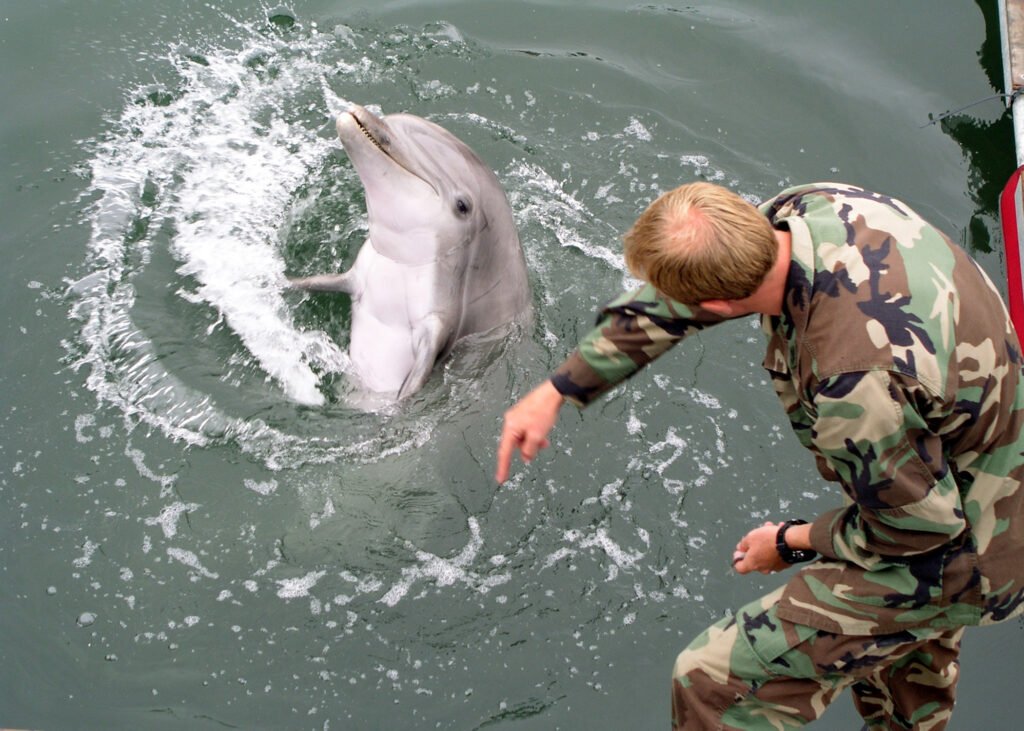

Imagine gliding through the dark depths of the ocean, your sonar clicking through the water as you navigate between enemy submarines and hidden mines. This isn’t science fiction – it’s the daily reality for some of the most extraordinary marines serving alongside human naval forces. For decades, dolphins have been swimming alongside military personnel, using their remarkable intelligence and natural abilities to protect harbors, detect threats, and carry out missions that would challenge even the most advanced technology.
The Birth of Military Marine Mammal Programs
The partnership between dolphins and naval forces began during the Cold War when military strategists realized something incredible: nature had already perfected underwater surveillance systems millions of years before humans invented sonar. In 1960, the U.S. Navy established the Marine Mammal Program, initially curious about how dolphins moved so efficiently through water. What started as basic research quickly evolved into something much more significant when researchers discovered these animals could be trained for complex military operations. The Soviet Union launched similar programs around the same time, recognizing that dolphins possessed capabilities that no submarine or underwater drone could match. Today, several nations continue these programs, though the U.S. Navy Marine Mammal Program remains the most well-documented and extensive operation of its kind.
Echolocation: Nature’s Perfect Sonar System
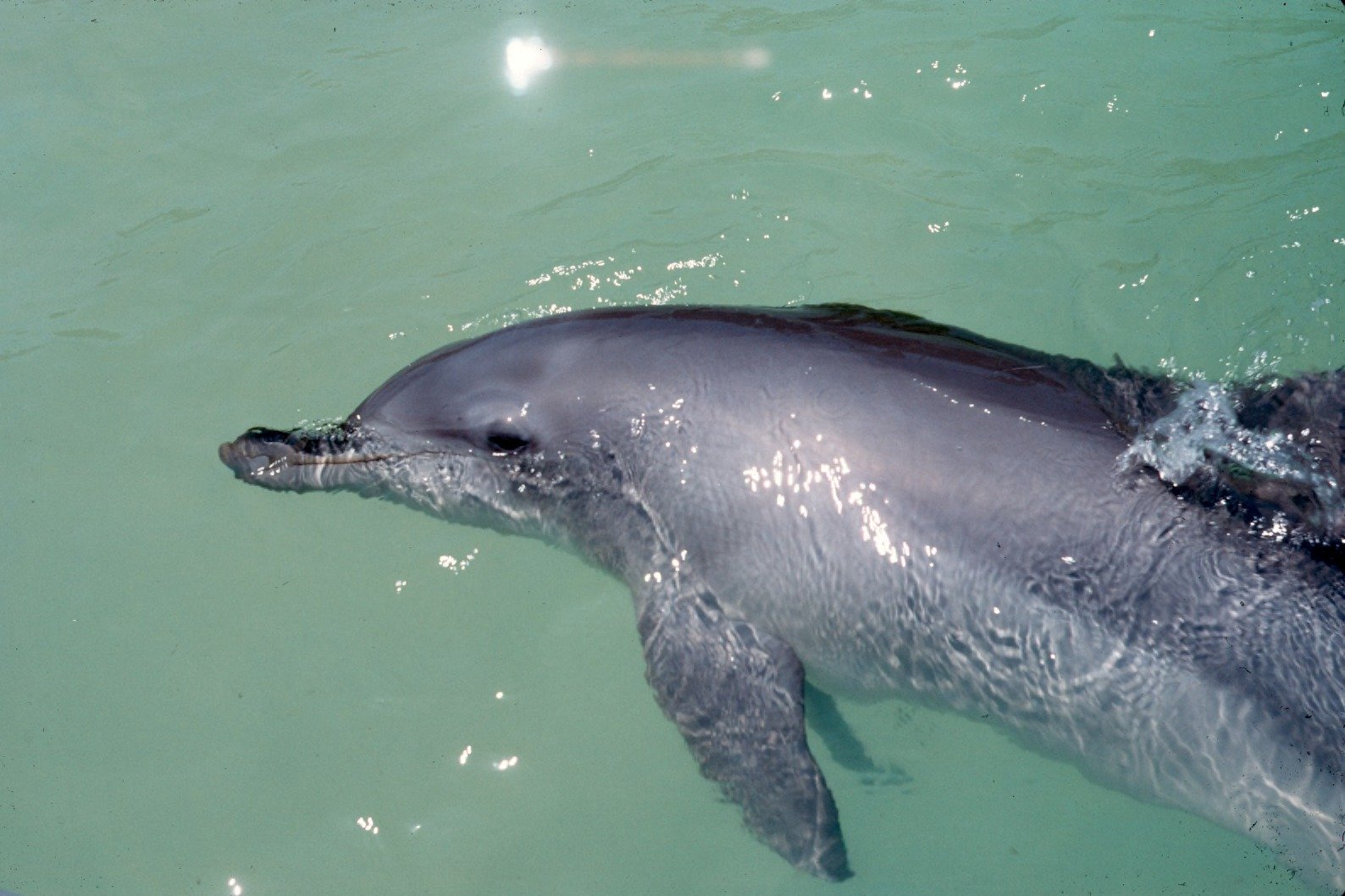
A dolphin’s echolocation system makes the most advanced military sonar look primitive by comparison. These marine mammals can emit clicking sounds at frequencies up to 150 kilohertz, creating detailed three-dimensional maps of their underwater environment in real-time. Their biological sonar can detect objects buried several feet beneath sand and distinguish between different materials with incredible precision. What’s truly remarkable is that dolphins can adjust their echolocation beam width and intensity, focusing it like a flashlight or spreading it wide like a floodlight depending on the situation. This natural ability allows them to locate underwater mines, detect intruders, and identify objects that metal detectors and traditional sonar systems might miss entirely.
Harbor Defense and Perimeter Security
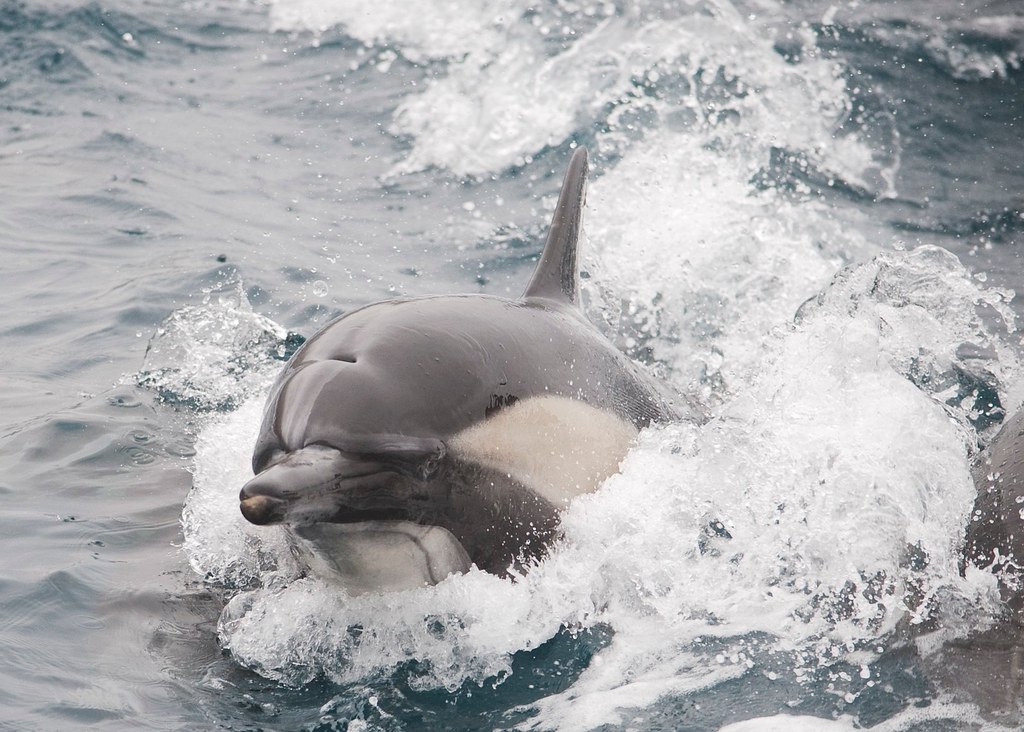
Naval bases around the world face constant security threats from underwater intruders, and dolphins have become the first line of defense for many critical installations. These intelligent marines patrol harbor entrances and restricted waters, using their exceptional hearing and echolocation to detect unauthorized swimmers, divers, or small submarines. When a dolphin identifies a potential threat, it signals its human handlers using specific behaviors or returns to a designated area to alert security personnel. The success rate of dolphin harbor patrols significantly exceeds traditional security methods, particularly in murky water conditions where cameras and human divers struggle to operate effectively. Some dolphins are even trained to attach special markers to intruders, allowing security teams to track and apprehend suspicious individuals without putting human personnel at risk.
Mine Detection and Underwater Ordnance Recovery
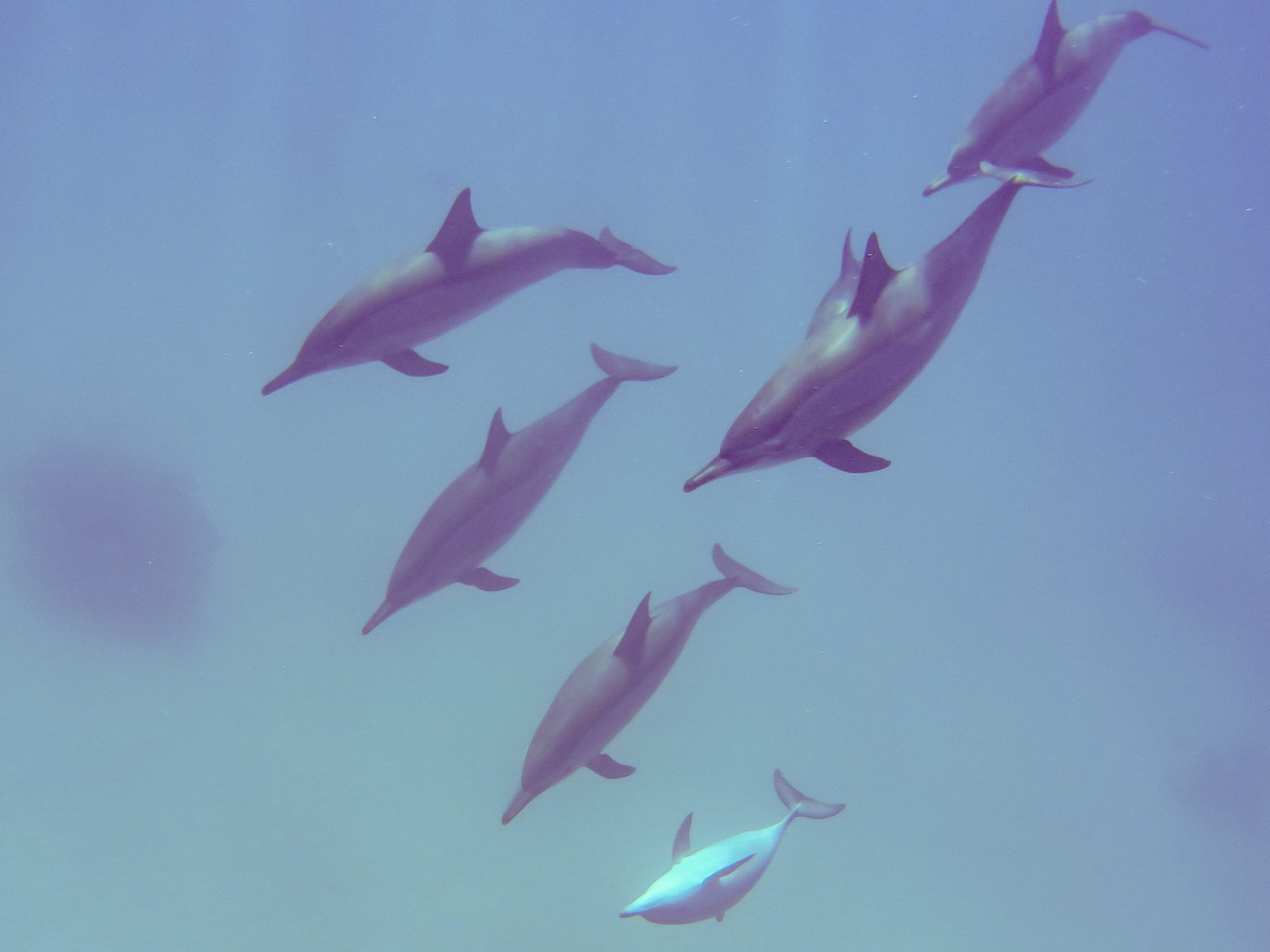
Perhaps the most critical military application of dolphin intelligence involves locating underwater mines and unexploded ordnance. These weapons pose enormous risks to naval vessels and civilian shipping, often remaining hidden on the ocean floor for decades after conflicts end. Dolphins can distinguish between harmless debris and dangerous explosive devices with remarkable accuracy, something that continues to challenge even the most sophisticated artificial intelligence systems. Once a dolphin locates a mine, it’s trained to return to its handlers and guide them to the exact location using a special marking system. The precision of dolphin mine detection has saved countless lives and millions of dollars in equipment, making these marine mammals invaluable assets for port clearance operations and safe passage establishment.
Intelligence Gathering and Reconnaissance Missions

Military dolphins participate in covert reconnaissance operations that would be impossible for human divers or mechanical devices to accomplish safely. Their natural swimming patterns and behaviors allow them to approach enemy vessels or installations without raising suspicion, gathering critical intelligence about submarine movements, harbor defenses, or underwater installations. Some dolphins are equipped with specialized cameras or sensors that capture images and data while they swim near targets of interest. The intelligence gathered during these missions provides military commanders with valuable information about enemy capabilities and intentions. These reconnaissance operations demonstrate how dolphin intelligence extends far beyond simple detection tasks, encompassing complex mission planning and execution that requires sophisticated cognitive abilities.
Search and Rescue Operations
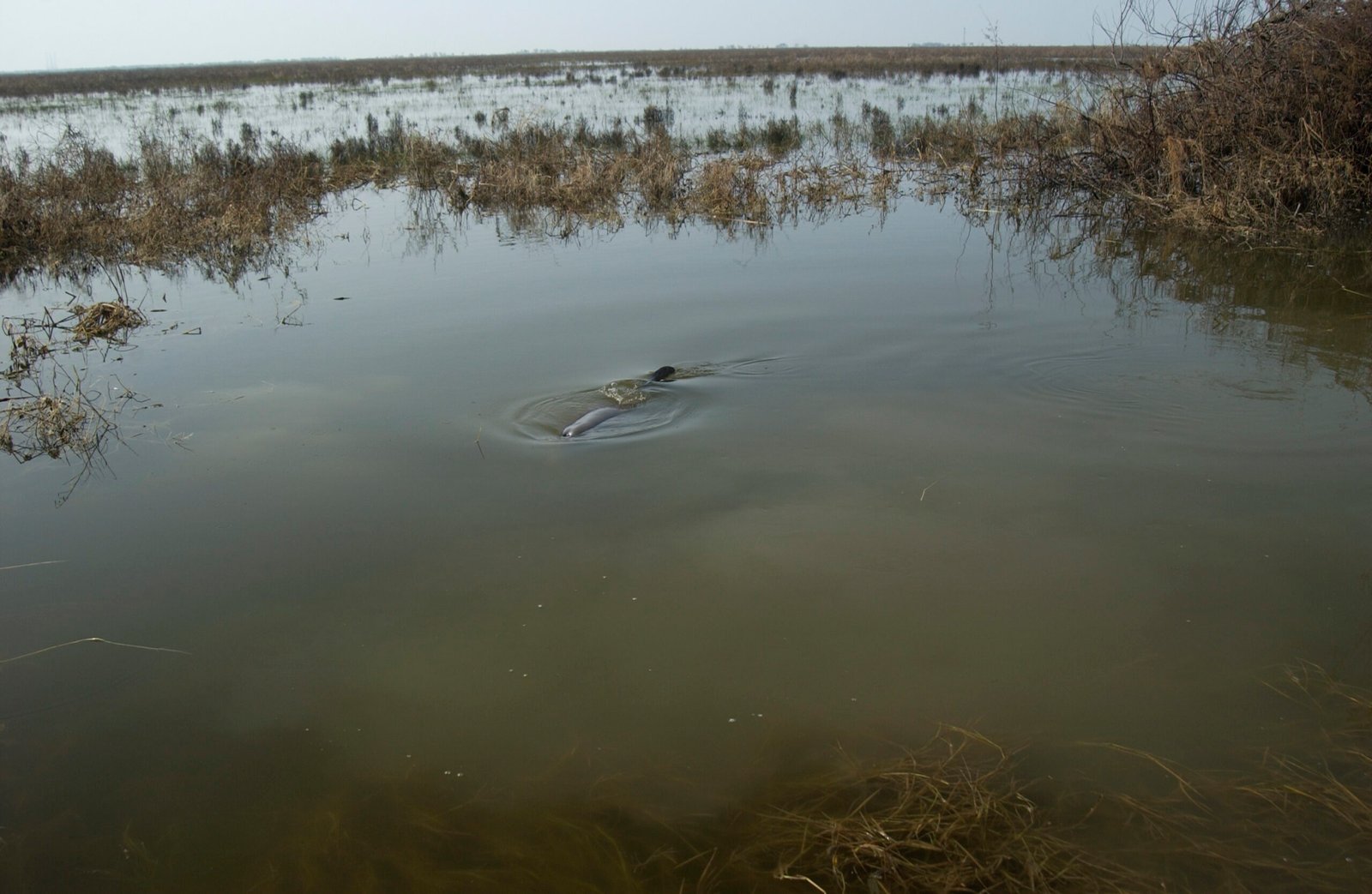
When military personnel go missing in ocean environments, dolphins often join search and rescue efforts where their speed and sensory capabilities provide significant advantages over traditional methods. These remarkable animals can cover vast underwater areas quickly, using their echolocation to locate survivors who might be floating unconscious or trapped in submerged vehicles. Dolphins trained for rescue operations can carry emergency breathing apparatus to distressed individuals or guide rescue boats to precise locations in rough seas. Their ability to work in challenging weather conditions and navigate through dangerous waters makes them invaluable team members during critical life-saving missions. The emotional intelligence dolphins display during rescue operations often amazes human observers, as these animals seem to understand the urgency and importance of their life-saving work.
Training Programs and Behavioral Conditioning
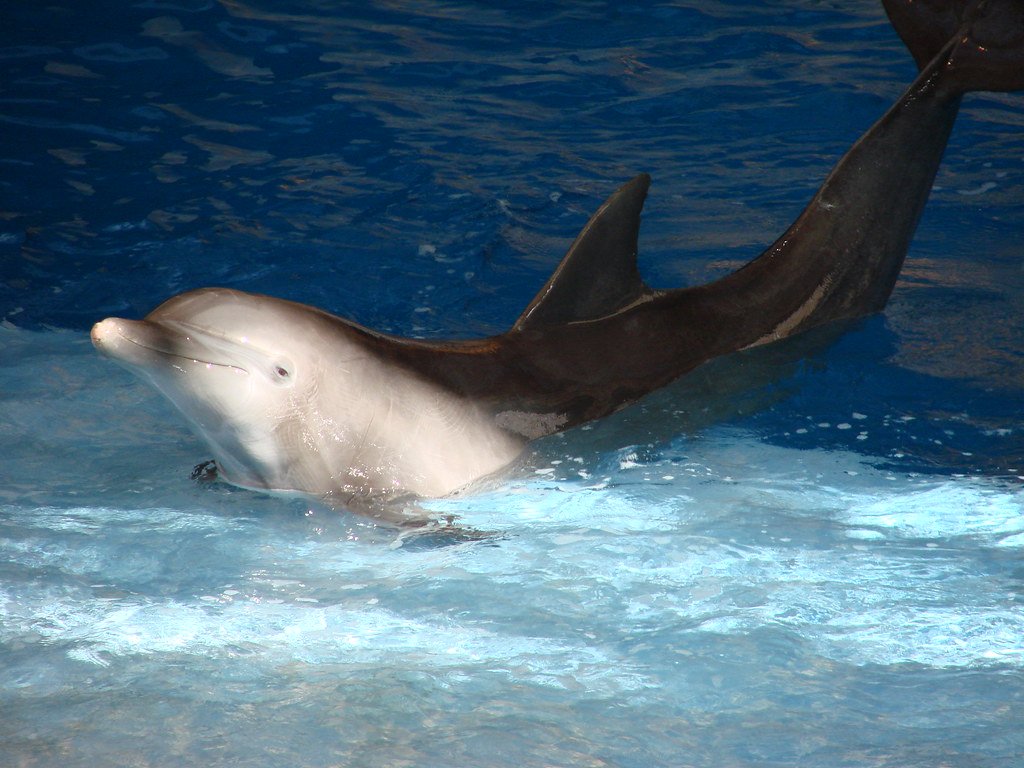
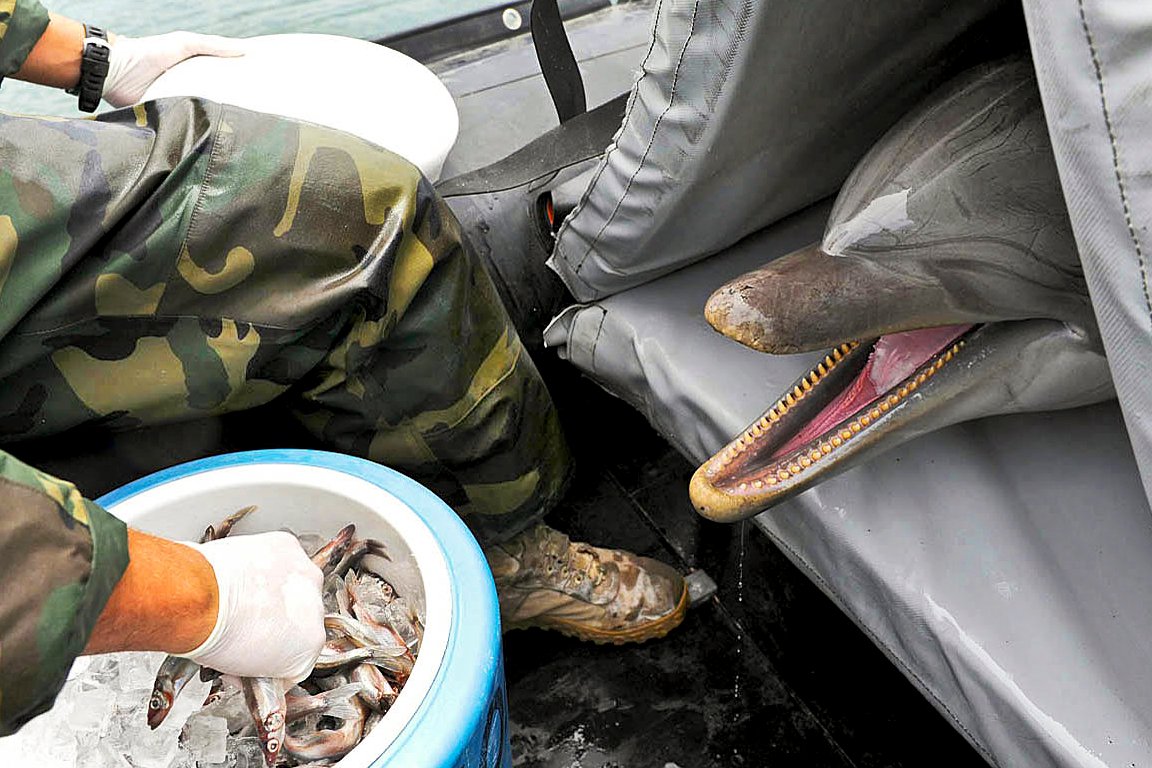
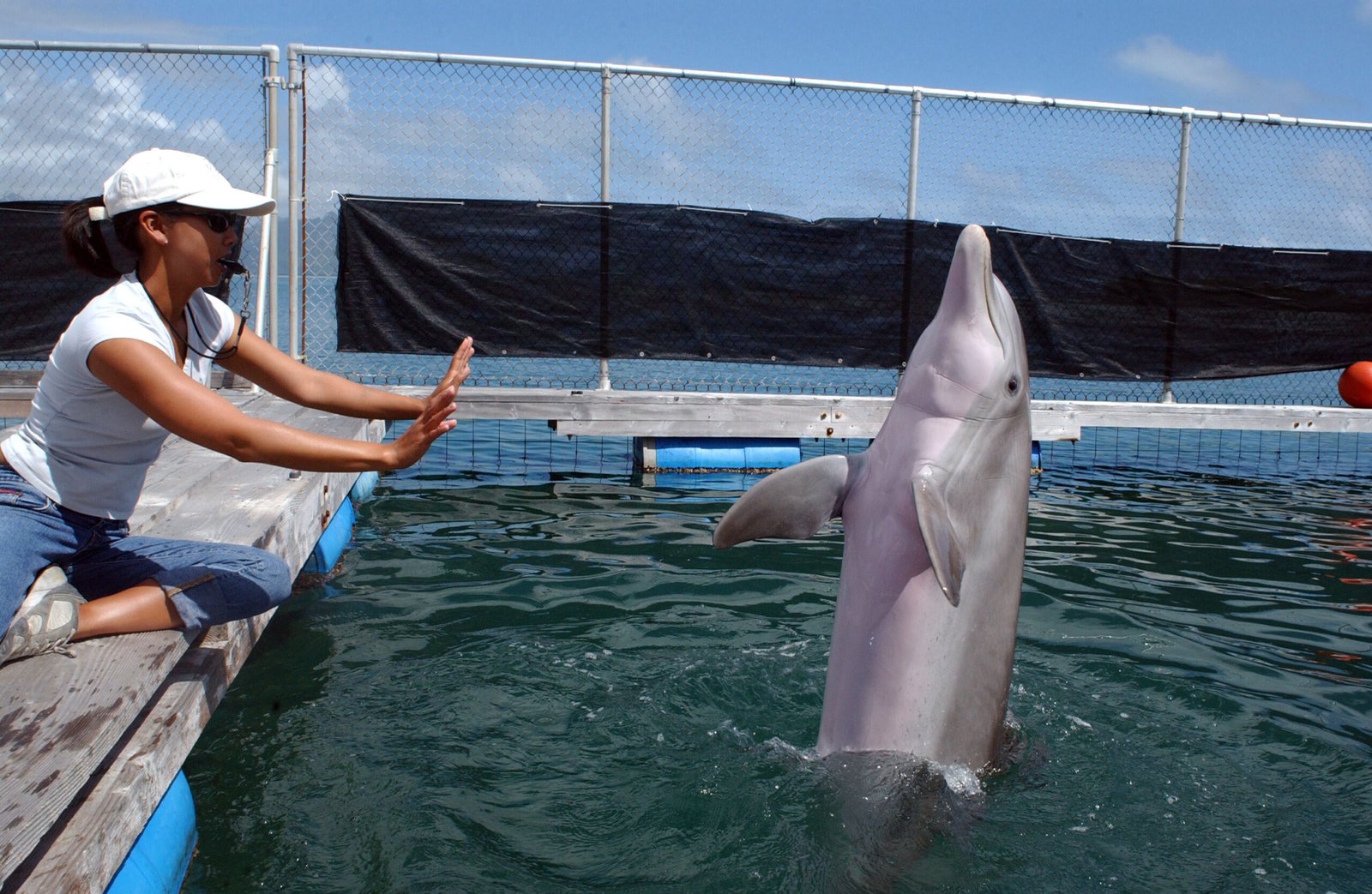
The process of preparing dolphins for military service involves years of careful training that builds upon their natural intelligence and social behaviors rather than forcing them into unnatural roles. Military trainers work with dolphins using positive reinforcement techniques, rewarding successful completion of tasks with food, play time, and social interaction. Each dolphin develops specialized skills based on its individual personality and aptitudes, much like human military personnel who train for specific roles within their units. The training progression moves from basic commands and behaviors to increasingly complex mission scenarios that test the dolphin’s problem-solving abilities and decision-making skills. What’s particularly fascinating is how dolphins often exceed their training parameters, improvising solutions to unexpected challenges during actual missions.
Communication Systems Between Dolphins and Handlers
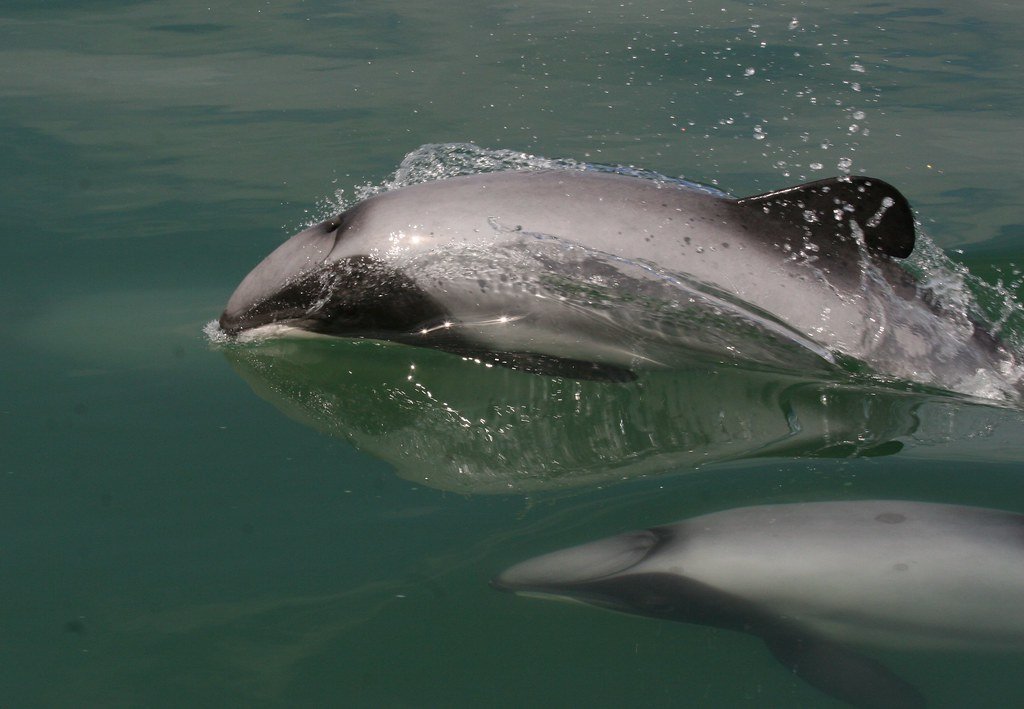
The relationship between military dolphins and their human handlers relies on sophisticated communication systems that go far beyond simple command-and-response interactions. Handlers learn to interpret subtle changes in dolphin behavior, vocalizations, and body language that indicate different types of discoveries or emotional states. Many dolphins develop unique “vocabulary” with their specific handlers, creating personalized signals that enhance mission effectiveness and strengthen the working partnership. Advanced communication tools include underwater acoustic devices that allow handlers to send commands and receive responses from dolphins operating at considerable distances. The depth of understanding between experienced dolphin-handler teams often resembles the bonds formed between military personnel and their working dogs, built on mutual trust and respect.
Ethical Considerations and Animal Welfare

The use of dolphins in military operations raises important questions about animal welfare and the ethics of involving marine mammals in potentially dangerous situations. Critics argue that dolphins cannot truly consent to military service and shouldn’t be exposed to risks associated with combat zones or explosive devices. However, supporters point out that military dolphins receive exceptional veterinary care, mental stimulation, and social interaction that often exceeds what their wild counterparts experience. The animals typically work for relatively short periods each day and spend most of their time in enriched environments with other dolphins. Modern military marine mammal programs emphasize the wellbeing of their animal participants, implementing strict protocols to ensure their physical and psychological health throughout their service careers.
Technological Integration and Hybrid Systems

Contemporary military operations increasingly combine dolphin intelligence with advanced technology to create hybrid surveillance and detection systems that leverage the best of both biological and artificial capabilities. Dolphins wear specially designed harnesses equipped with cameras, sensors, and communication devices that transmit real-time data to command centers while the animals conduct their missions. These technological enhancements don’t replace the dolphin’s natural abilities but rather amplify and document their discoveries for analysis by human intelligence specialists. Some experimental programs explore brain-computer interfaces that could eventually allow more direct communication between dolphins and digital systems. The integration of technology and biology represents a fascinating frontier in military science, where natural intelligence guides artificial systems to achieve objectives neither could accomplish alone.
International Programs and Global Applications

While the United States maintains the most publicly acknowledged military dolphin program, several other nations have developed similar capabilities using marine mammals for defense and security purposes. Russia’s marine mammal program dates back to the Soviet era and continues to operate from facilities in the Black Sea, focusing on harbor defense and underwater detection missions. Some reports suggest that countries like Iran and North Korea have experimented with training dolphins and other marine mammals for military applications. The international nature of these programs reflects the universal recognition of dolphin intelligence and the strategic advantages these animals provide in marine environments. However, the secretive nature of most military marine mammal operations means that the full extent of global programs remains largely unknown to the public.
Challenges and Limitations of Dolphin Operations

Despite their remarkable abilities, military dolphins face significant operational challenges that limit their deployment in certain situations and environments. Cold water temperatures can affect dolphin performance and health, restricting their use in polar or sub-arctic regions where some military operations occur. These animals require regular feeding, veterinary care, and social interaction, making them more logistically complex to deploy than mechanical systems. Dolphins can also be unpredictable, sometimes choosing not to complete missions or becoming distracted by environmental factors like other marine life or interesting objects. The emotional intelligence that makes dolphins valuable team members can also become a liability when they form attachments to specific handlers or become stressed by separation from their pod mates.
Scientific Research and Cognitive Studies

Military dolphin programs have contributed enormously to our scientific understanding of marine mammal cognition, providing researchers with unprecedented opportunities to study dolphin intelligence in controlled environments. These studies have revealed that dolphins possess self-awareness, demonstrated through mirror recognition tests, and can understand complex abstract concepts like symbols and numerical relationships. Research conducted within military programs has shown that dolphins can learn through observation, teaching skills to other dolphins and even developing new techniques independently. The problem-solving abilities displayed by military dolphins continue to surprise scientists, as these animals often find creative solutions to challenges that weren’t part of their original training protocols. This research has implications far beyond military applications, advancing our understanding of animal intelligence and consciousness.
Future Technologies and Artificial Intelligence

As artificial intelligence and robotics advance, some experts question whether technological systems will eventually replace dolphins in military operations, while others argue that biological intelligence will always possess advantages that machines cannot replicate. Current AI systems struggle with the pattern recognition and adaptive thinking that dolphins demonstrate naturally, particularly in complex, changing underwater environments. However, the combination of dolphin intelligence with AI systems creates possibilities for hybrid operations where biological and artificial intelligence work together synergistically. Future military applications might involve dolphins controlling or directing autonomous underwater vehicles, using their superior environmental awareness to guide robotic systems. The relationship between dolphin intelligence and artificial intelligence represents an evolving partnership rather than a replacement scenario.
Conservation Implications and Wild Population Protection

Military dolphin programs have sparked important discussions about marine mammal conservation and the relationship between captive and wild populations. The dolphins used in military operations are typically born in captivity or rescued as injured individuals who cannot survive in the wild, rather than being captured from healthy wild populations. These programs have contributed to veterinary knowledge and breeding techniques that benefit conservation efforts for endangered dolphin species worldwide. However, some conservationists worry that military applications might create demand for more dolphins, potentially impacting wild populations if not carefully managed. The expertise developed through military marine mammal programs has proven valuable for rescue and rehabilitation efforts when wild dolphins face environmental threats or human-caused injuries.
Public Perception and Media Representation

The public’s fascination with military dolphins reflects broader cultural attitudes toward marine mammal intelligence and the relationship between humans and animals in military contexts. Movies, documentaries, and news reports often romanticize or sensationalize dolphin military service, sometimes creating misconceptions about the nature of these programs. Many people struggle to reconcile their emotional connection to dolphins with the reality of their involvement in military operations, leading to polarized opinions about the ethics and necessity of such programs. The secrecy surrounding most military marine mammal operations contributes to speculation and conspiracy theories that may not reflect the actual conditions or treatment of the animals involved. Public education about the scientific basis and welfare standards of these programs remains an ongoing challenge for military officials and marine mammal researchers.
Medical and Veterinary Advances

The intensive care provided to military dolphins has led to significant advances in marine mammal veterinary medicine that benefit both captive and wild populations worldwide. Military veterinarians have developed specialized surgical techniques, diagnostic procedures, and treatment protocols specifically designed for dolphins and other marine mammals. These medical innovations have improved survival rates for stranded or injured wild dolphins and enhanced the quality of life for animals in aquariums and research facilities. The comprehensive health monitoring required for military dolphins has contributed to our understanding of marine mammal physiology, nutrition, and psychology. Research conducted on military dolphins has also revealed important information about the effects of ocean pollution, climate change, and human activities on marine mammal health and behavior.
Training Evolution and Behavioral Innovation

The methods used to train military dolphins have evolved significantly since the early days of marine mammal programs, incorporating new understanding of animal psychology and learning theory. Modern training techniques emphasize the dolphins’ natural behaviors and social structures, working with their instincts rather than against them. Trainers have discovered that dolphins often exceed their programmed instructions, demonstrating creativity and innovation that suggests higher-order thinking abilities. Some dolphins have been observed teaching learned behaviors to other dolphins spontaneously, indicating a level of social learning that mirrors human knowledge transfer. The behavioral flexibility demonstrated by military dolphins continues to challenge our assumptions about animal intelligence and the boundaries between instinct and conscious decision-making.
Environmental Monitoring and Ocean Health
Beyond their military applications, dolphins participating in naval programs contribute valuable data about ocean health and environmental conditions through their daily activities and monitoring equipment. These animals serve as living sensors, providing information about water temperature, salinity, pollution levels, and marine ecosystem changes that affects military operations and broader environmental understanding. The health status of military dolphins often reflects the condition of their marine environment, making them important indicators of ocean ecosystem stability. Data collected from dolphin-mounted sensors has contributed to climate research, helping scientists understand how changing ocean conditions affect marine life and military operations. This environmental monitoring capability adds another dimension to the value of military marine mammal programs, extending their benefits beyond immediate security applications.
The remarkable partnership between human naval forces and dolphin intelligence represents one of the most fascinating intersections of biology, technology, and military strategy in the modern world. These extraordinary marine mammals continue to demonstrate cognitive abilities that challenge our understanding of animal intelligence while serving alongside human personnel in some of the most demanding and dangerous underwater environments on Earth. Their natural sonar capabilities, problem-solving skills, and emotional intelligence make them invaluable assets for missions ranging from harbor security to life-saving rescue operations. As we advance into an era of increasingly sophisticated artificial intelligence and robotic systems, the unique qualities of dolphin cognition remind us that millions of years of evolution have created biological capabilities that technology is only beginning to approach. What does the future hold when nature’s most intelligent marine species works alongside humanity’s most advanced technologies?