

Every night, you close your eyes and enter a private universe – one built entirely from your own memories, fears, desires, and imagination. Most of the time, you wander through it completely unaware. You accept the absurd as normal. A school becomes a cave. A stranger feels like your oldest friend. You fly without wings and never once question it.
Now imagine waking up inside that world. Still asleep, yet fully aware. That is lucid dreaming. It sounds like something from a sci-fi thriller. Honestly, it might be one of the most fascinating and underexplored frontiers of human self-knowledge that exists. The deeper you go, the more questions surface. What do your dreams actually say about you? What might you discover if you paid close attention? Let’s dive in.
What Exactly Is Lucid Dreaming and Why Does It Matter?

In the psychology subfield of oneirology, a lucid dream is a type of dream wherein the dreamer knows that they are dreaming while in their dream. That sounds simple enough on the surface. Here’s the thing though – the implications of that one shift in awareness are enormous.
The state of recognizing you are dreaming is known as lucid dreaming. In neuroscience terms, this happens when your capacity for metacognition comes back online. You’re able to examine your beliefs in the moment and assess whether the conclusions you’re drawing jibe with reality. In other words, the logical, self-aware part of you re-enters the scene while your sleeping mind keeps the show going.
A lucid dream is often triggered by a sudden recognition of some strange characteristic of a dream. In a lucid dream, one has the opportunity to play with life-like events beyond the constraints of the waking world. While lucid dreams offer a playground for extraordinary experiences, from the fantastical to the profound, they also hold potential for personal growth and problem-solving.
The capacity to have and sustain lucid dreams is a trainable cognitive skill. During a lucid dream, the dreamer may gain some amount of volitional control over the dream characters, narrative, or environment. Think of it less like a superpower and more like a learnable sport, one that rewards patience and consistent mental training.
What the Science Says About Your Brain During a Lucid Dream
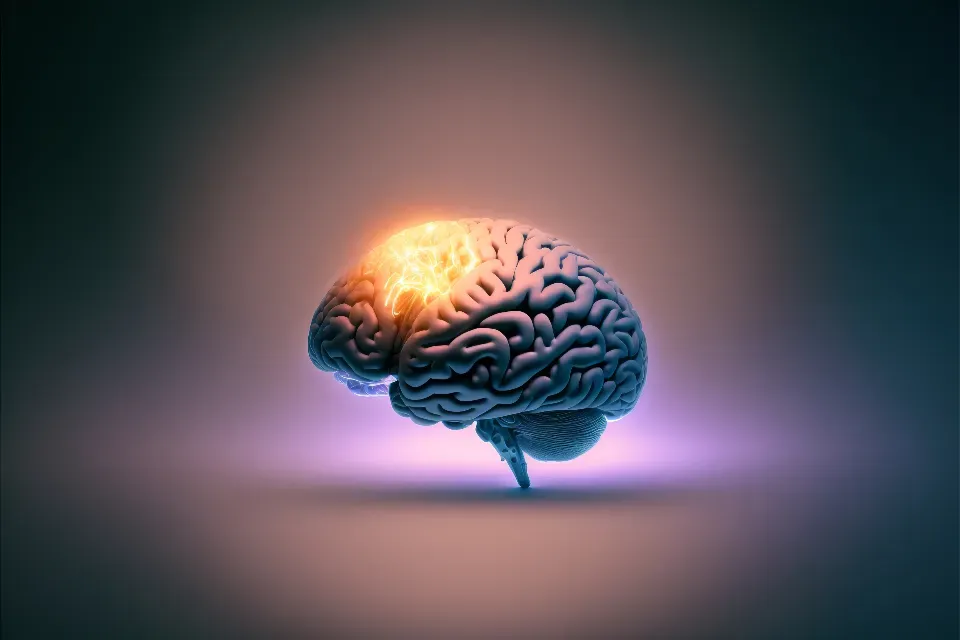
During lucid dreaming, there is an increase in activity of the dorsolateral prefrontal cortex, the bilateral frontopolar prefrontal cortex, the precuneus, the inferior parietal lobules, and the supramarginal gyrus. All are brain functions related to higher cognitive functions, including working memory, planning, and self-consciousness. That is a remarkable cocktail of mental activity to witness in what is supposedly a sleeping brain.
An April 2025 Journal of Neuroscience study led by Çağatay Demirel used EEG data from different labs around the world to try to get a clearer picture of the lucid dreaming brain. They found widespread communication across different brain regions. The scale of that cross-brain dialogue is what makes researchers sit up and pay attention.
Research suggests that lucidity occurs in a state with features of both REM sleep and waking. In order to move from non-lucid REM sleep dreaming to lucid REM sleep dreaming, there must be a shift in brain activity in the direction of waking. This is what researchers mean by a “hybrid” state, and this interpretation is of crucial importance to studies of consciousness.
Research suggests frequent lucid dreamers have a relatively high capacity for things like metacognition and cognitive control, or the ability to regulate thoughts, attention, and emotions. Honestly, it makes you wonder whether those skills flow from the dreaming or whether the dreaming flows from those skills.
How Lucid Dreaming Can Help You Understand Your Emotions

Lucid dreaming is more than a thrilling night adventure. By observing and sometimes shaping dream content, individuals can examine subconscious fears, experiment with new behaviors, or rehearse real-life scenarios, effectively blending personal growth with imaginative experiences. Dreams naturally reflect emotional undercurrents – unresolved anxieties, aspirations, or day-to-day concerns.
When lucid, the dreamer can ask dream figures questions or “wander” dream settings to glean deeper understanding about personal issues. Some propose that actively conversing with dream characters or symbolic objects might reveal mental patterns or emotional blockages. For example, a person worried about a tense relationship might, in a lucid dream, approach a dream representation of that person and attempt calm dialogue, potentially clarifying hidden feelings or discovering new angles to approach conflict.
The deep self-reflection required to gain lucidity while dreaming may teach us how to better navigate difficult circumstances. Instead of persisting in a mindset of agony or hopelessness, we can reflect on how we process and analyze the world, which gives us the opportunity to reframe our thoughts. Where pessimistic beliefs leave us stuck in a swirling pit of despair, lucid dreaming might open a path to something else.
Exploring the subconscious mind fosters self-awareness, leading to personal growth and emotional healing. In a way, the dream world functions like a private therapist’s office – except you are both the patient and the one asking the questions.
Lucid Dreaming as a Tool for Conquering Nightmares and Trauma

Let’s be real: nightmares are not just unpleasant. For many people, they are a nightly prison. Nightmare distress can hamper sleep quality, intensify anxiety, and sometimes link with trauma-related conditions like PTSD. Becoming aware mid-nightmare that “this is just a dream” can reduce fear, letting dreamers either wake themselves or alter the frightening content.
For lucid dreaming, the ability to manipulate the dream outcome can help treat mental health conditions such as post-traumatic stress, anxiety, and depression. Lucid Dreaming Therapy (LDT) is being used with people with PTSD and frequent nightmares. LDT therapists use a restructuring method and self-hypnosis to help patients become more aware of their nightmares, identify different outcomes for them while awake, and then test the effectiveness of restructuring the next time they lucid dream.
Research has revealed that lucid dreams can end nightmares and prevent their recurrence, but they can also induce harrowing dysphoric dreams. The realization of dreaming and dreams with high control were both associated with positive experiences. So while the benefits are real, the approach genuinely matters.
Australian psychologist Milan Colic explored the application of principles from narrative therapy to clients’ lucid dreams, to reduce the impact not only of nightmares during sleep but also depression, self-mutilation, and other problems in waking life. Colic found that therapeutic conversations could reduce the distressing content of dreams, while understandings about life and even characters from lucid dreams could be applied to their lives with marked therapeutic benefit.
The Connection Between Lucid Dreaming, Creativity, and Performance

Research shows lucid dreaming can boost creativity and physical performance, as well as treat nightmares. That range alone is staggering. We are talking about a single phenomenon that touches your art, your athleticism, and your mental health all at once.
While lucid dreams offer a playground for extraordinary experiences, they also hold potential for personal growth and problem-solving. Lucid dreaming has also been linked to creativity in a number of studies. Dr. Clare Johnson explored the role of lucid dreaming in creative writing and found many benefits. Schädlich and Erlacher’s 2018 study suggests that musicians can improve their skills in lucid dreams and use them for creative purposes. Furthermore, they found that athletes engaging in lucid dreaming felt that they had improved their physical performance and flexibility as a result.
Exploring and shaping the dream world can ignite creativity, unlocking new ideas and artistic inspiration. Solving challenges within a lucid dream strengthens critical thinking and problem-solving abilities in waking life. It is a bit like having a private sandbox where the rules of physics, budget, and consequence no longer apply.
Teams of cognitive scientists have established real-time two-way communication with people undergoing a lucid dream. During dreaming, they were able to consciously communicate with experimenters via eye movements or facial muscle signals, were able to comprehend complex questions and use working memory. Such interactive lucid dreaming could be a new approach for the scientific exploration of the dream state and could have applications for learning and creativity.
How to Actually Induce a Lucid Dream: Practical Techniques

So you want to try it yourself. Fair enough. The good news is that the capacity to have and sustain lucid dreams is a trainable cognitive skill. Think of it the way you’d think of learning to ride a bike – awkward at first, then surprisingly natural.
Methods for inducing lucid dreams include keeping a dream diary, reality testing, and MILD or WBTB techniques. Developing a critical mindset and questioning reality regularly is key to recognising dream states. Reality testing basically means you pause throughout the day and sincerely ask yourself, “Am I dreaming right now?” Sounds odd in daylight. Works remarkably well in a dream.
Recording every dream fragment immediately on waking is essential – setting, characters, emotions, anomalies. Over a few days, you will notice recurring “dream signs” such as broken phones or odd lighting. These become targets for reality testing later. Your dream journal is essentially your training manual.
Researchers are studying how practices reinforcing metacognition skills, like meditation, may encourage lucid dreaming while offering the added benefits of stress reduction, improved sleep, and other enhanced markers of well-being. Meditation has been described as neurocognitive training for the very skills required to lucid dream. Long-term meditators, it turns out, tend to be natural lucid dreamers. There is something poetic about that.
The Risks, Limits, and What You Should Know Before You Begin

Here’s the thing: not everything about lucid dreaming is sunshine and flying over mountains. Many methods of inducing lucid dreams require a person to wake in the night, which disrupts sleep. Additionally, some people report difficulty falling back asleep or poor sleep quality after failed attempts to induce lucid dreams. Sleep loss can have serious implications for a person’s health and wellbeing.
Because the brain behaves differently during lucid dreaming than it does during non-lucid REM sleep, some experts have expressed concern that lucid dreaming might disrupt important processes that ordinarily occur during REM sleep. Some people who induce lucid dreams also experience sleep paralysis, an intrusion of REM sleep into waking that temporarily prevents a person from moving or speaking. That last one, sleep paralysis, can be genuinely unsettling if you are not expecting it.
If someone is going through a very stressful or sensitive period of their life, it may not be easy for them to manipulate the dream by themselves. It is hard to say for sure how each person will respond, so approaching this practice with awareness and, if needed, professional guidance is wise.
Results and models suggest that negative outcomes primarily result from failed induction attempts or lucid dreams with low dream control, and that successfully inducing high-control lucid dreams poses low risk for negative outcomes. In other words, the better you get at it, the safer and more rewarding it becomes. Practice, patience, and self-awareness are your best tools.
Conclusion: Your Sleeping Mind May Know You Better Than You Think

There is something almost humbling about the idea that the most honest version of yourself might emerge not during a therapy session or a journaling exercise, but in a dream you learned to stay awake inside. Whether your goal is self-exploration, nightmare relief, or artistic innovation, lucid dreaming offers a direct channel to the vast resources of your unconscious mind. As you become comfortable navigating dreamscapes, you may discover insights, confidence, and imaginative leaps that transform both your nights and your days.
We spend roughly one third of our lives asleep. That is an enormous amount of time that most of us let pass by entirely on autopilot. Lucid dreaming, at its core, is simply the art of showing up for that time. Of being present, aware, and curious even in the dark. Lucid dreaming stands at the intersection of science, subconscious exploration, and personal empowerment. By learning to recognize the dream state, you can reframe nightmares, rehearse new behaviors, glean creative ideas, and even find symbolic solutions to waking challenges.
If the mind is the last great unexplored frontier, then the lucid dream might just be the door. The question is whether you will open it. What do you think – could your dreams tell you something about yourself that you haven’t yet been willing to hear? Share your thoughts in the comments below.