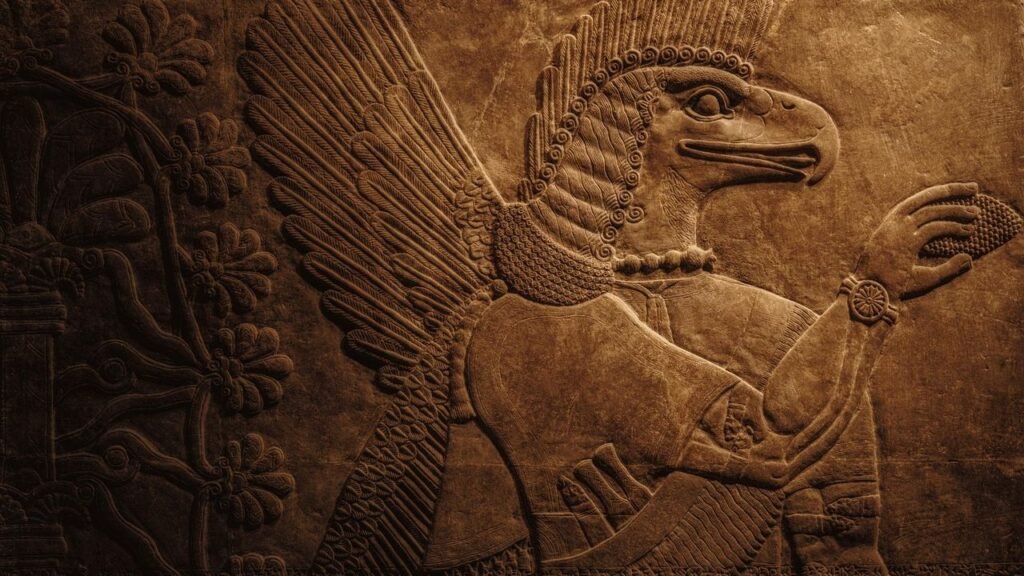
Unearthing ancient burial sites can often pose more questions than answers, especially when multiple individuals are interred together under mysterious circumstances. Such is the case with the fascinating discovery of the 2,500-year-old multi-individual burial in Belgium. This excavation not only offers insights into ancient European cultures but also sparks curiosity and imagination about the lives and societies of our ancestors.
Unraveling the Past: The Discovery
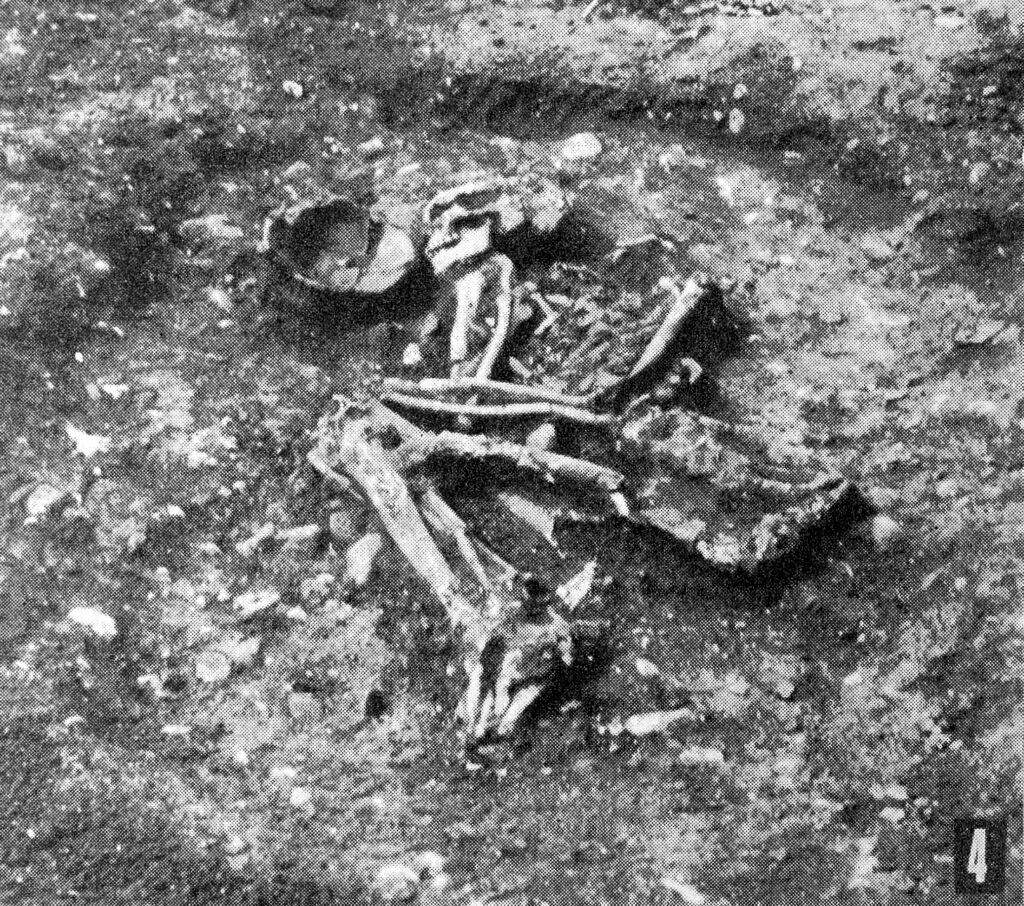
The unearthing of these skeletal remains in Belgium marked a remarkable find for archaeologists. Excavated in the region that once stood as a cultural crossroads during the Gallic time, this burial site features the remains of five individuals arranged in a manner that suggests a complex and purposeful interment. Discovered during archeological surveys in anticipation of construction activities, the site has become a centerpiece for research into the customs and social structures of prehistoric Europe.
Who Were They? Understanding the Identity of the Deceased
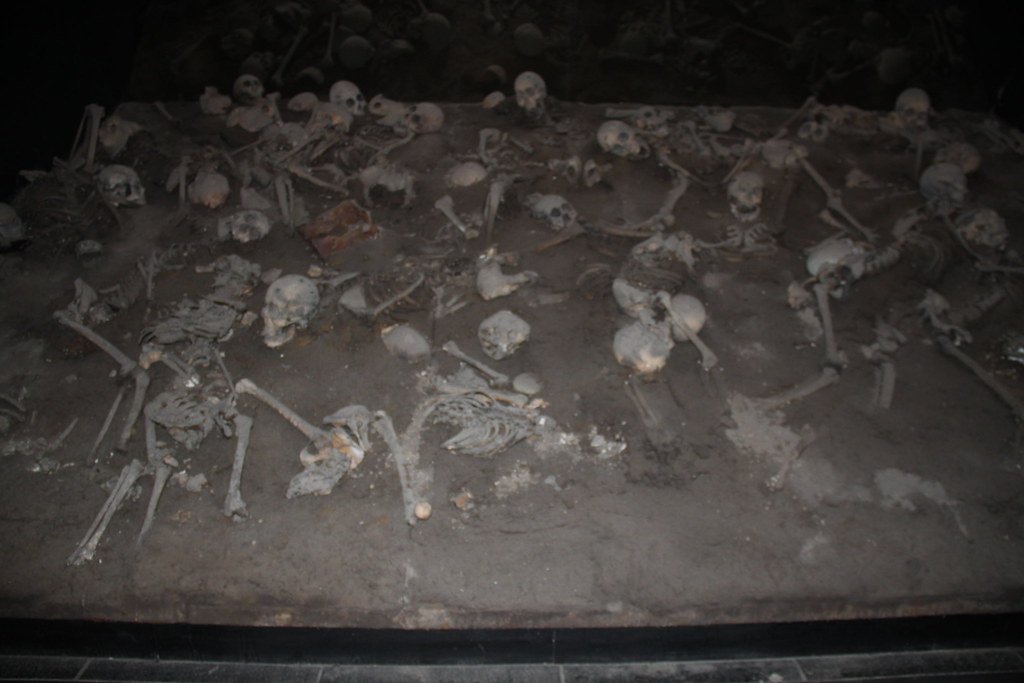
Challenge number one for researchers is determining the identities of these individuals. Analysis suggests a combination of age groups, with adults and possibly juveniles among them. The varying ages and potential familial ties hint at a possible kinship, leading scholars to consider whether these individuals were from a single family or community group. Advanced DNA testing could provide answers, painting a clearer picture of their lineage and relationships.
Ancient Burial Practices: What the Arrangement Tells Us
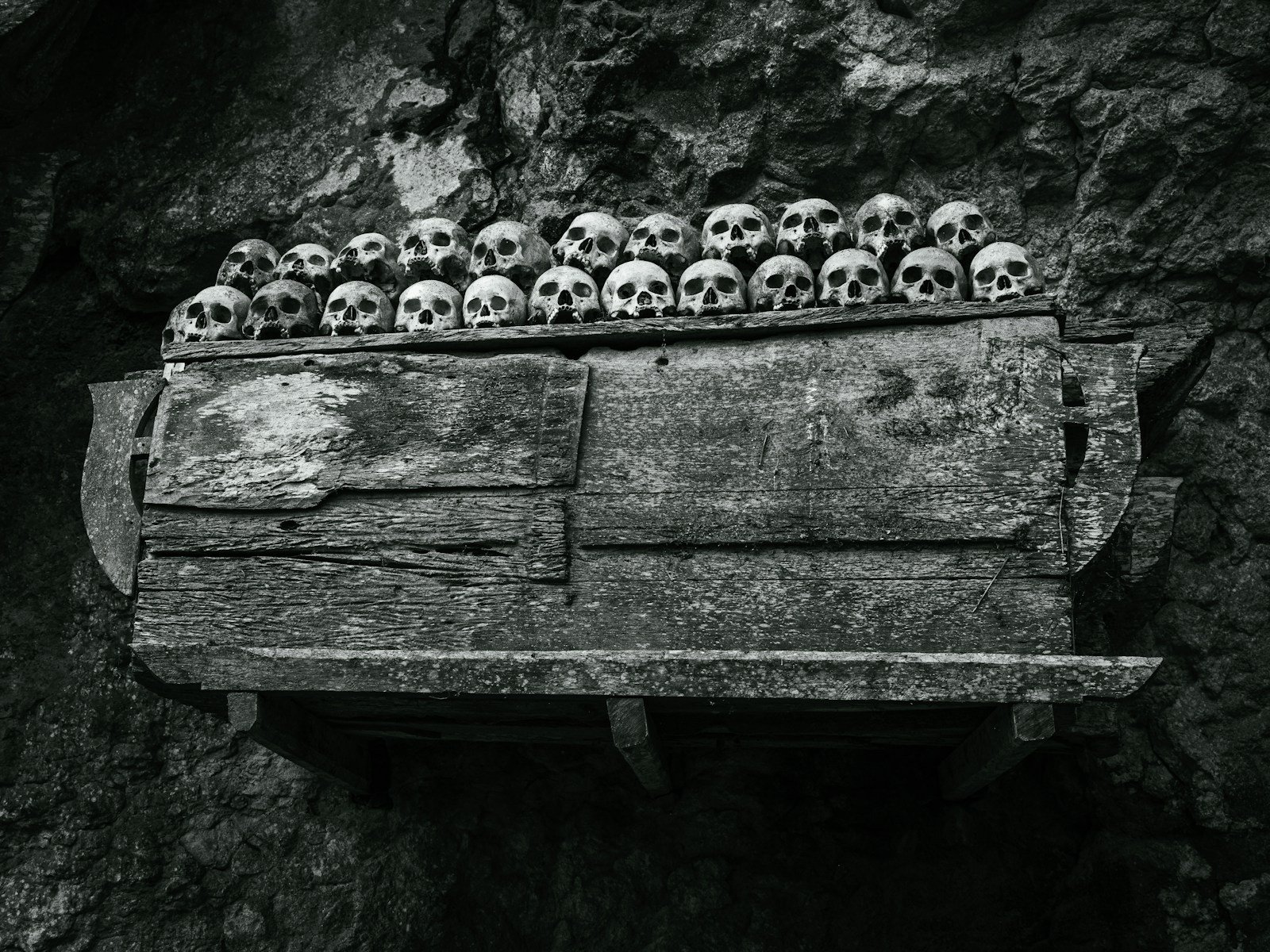
The particular arrangement of these skeletons provides clues to ancient burial practices. Unlike typical single interments, the collective burial suggests a significant societal or cultural event. The deliberate positioning hints at ritualistic behavior, reflecting beliefs or traditions that prioritized group burial in certain scenarios. Whether this was common practice or reserved for unique circumstances is still a topic of scholarly debate.
Artifacts and Accompaniments: Clues to a Bygone Era
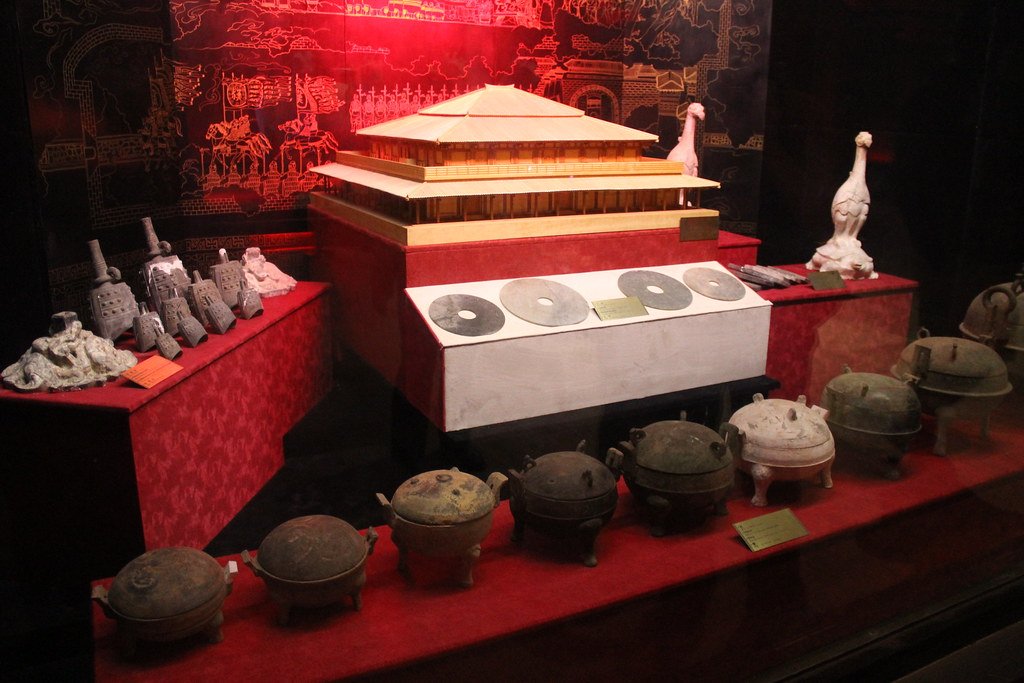
Alongside the bones, a range of burial artifacts was uncovered. These artifacts include pottery shards, weapons, and ornaments, shedding light on the material culture and craftsmanship of the time. Such items not only aid in dating the site but also suggest the social status or roles of the individuals, hinting at their importance within the community or their accomplishments in life.
The Mystery of Death: Causes and Theories
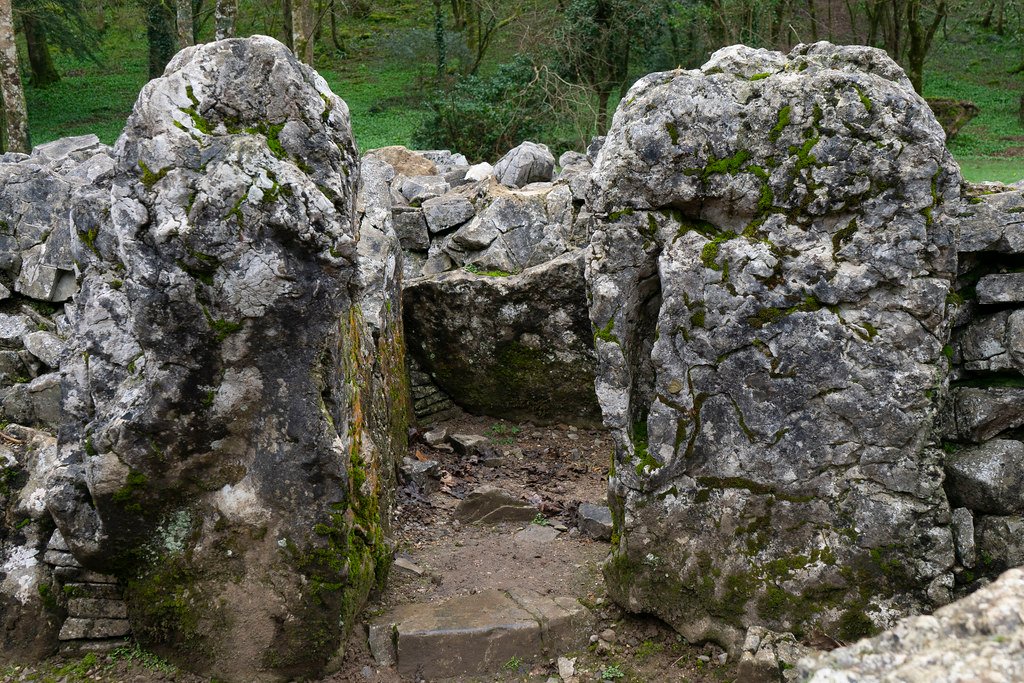
Determining the cause of death for individuals interred over two millennia ago presents a significant challenge. Preliminary examinations of the bones reveal no obvious trauma, suggesting natural causes, disease, or even a communal passing during a catastrophic event. Studying the isotopic composition of the remains might further divulge their health status and diet, offering indirect clues about their lifestyle and the factors contributing to their deaths.
Interdisciplinary Approaches: A Collaborative Investigation
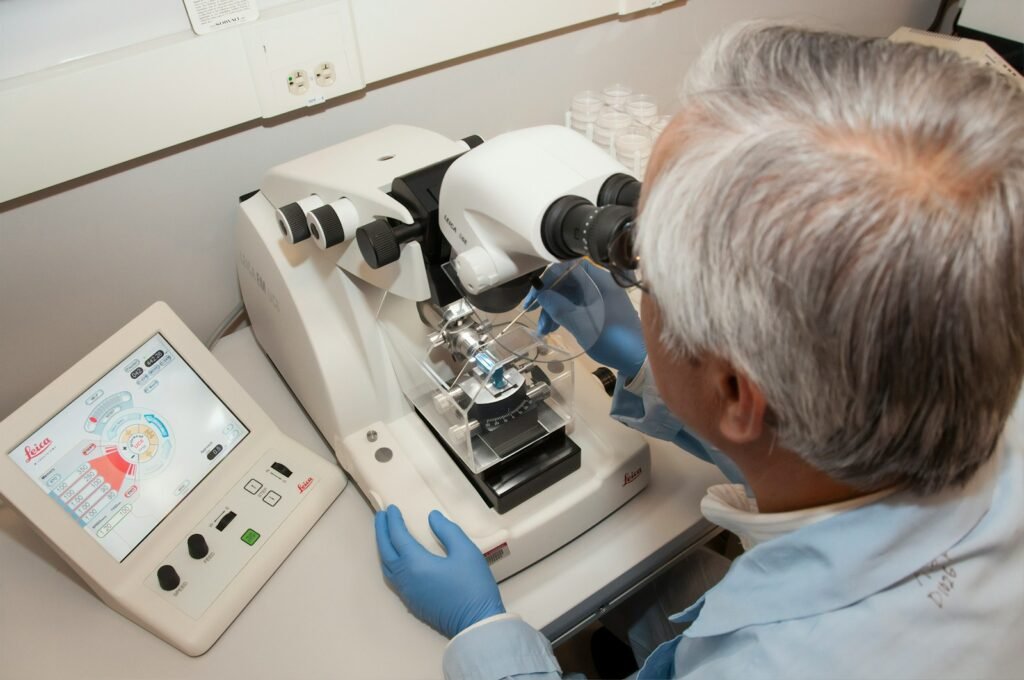
To unlock the secrets of this multi-individual burial, archaeologists employ a range of interdisciplinary methods. By combining archaeological techniques with advancements in genetic testing, bone pathology, and isotopic analysis, researchers can construct a comprehensive narrative surrounding the individuals’ lives and deaths. Collaborations with historians and anthropologists further contextualize these findings within the broader framework of European prehistory.
Cultural Implications: Insights into Prehistoric Society
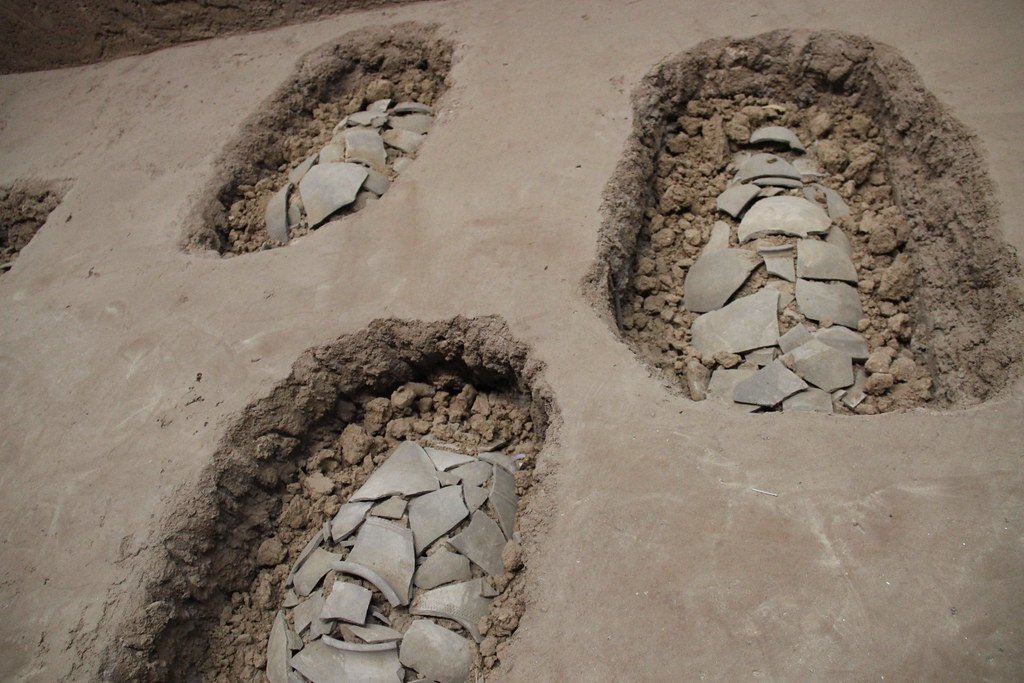
This burial site offers a vital glimpse into the social dynamics of ancient communities. The presence of multiple individuals in a single grave raises questions about how society viewed death, family, and collectivism. Such findings contribute to our understanding of prehistoric hierarchy, religious practices, and potentially even the governance systems of the era.
The Role of Public Engagement: Bringing Archaeology to the Masses
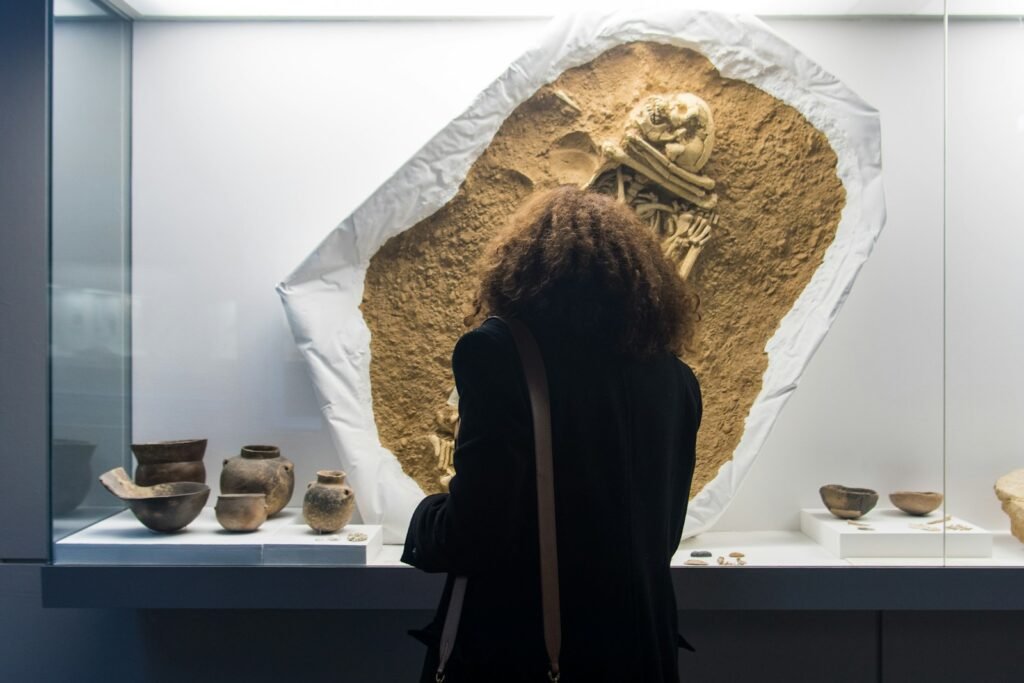
This fascinating discovery isn’t just reserved for academic circles; it garners public interest and engagement with our shared human past. Museums, exhibitions, and public talks dedicated to this find serve as a bridge connecting contemporary society with historical narratives, allowing people to appreciate the depth and diversity of human history through tangible, excavated evidence.
The Future of the Skeletons: Conservation and Study
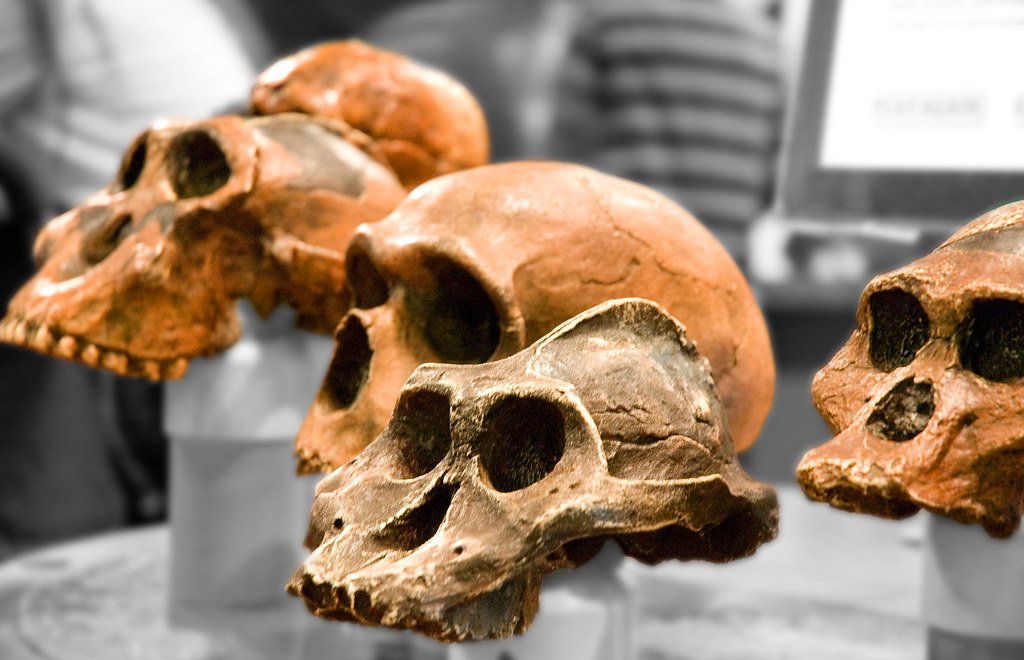
Post-excavation, conservation efforts ensure that these remains are preserved for future study and education. By maintaining the integrity of the site and its contents, future generations of researchers can continue to piece together the lives of these ancient individuals with advanced techniques and fresh perspectives as our technological capabilities evolve.
Conclusion: Echoes from the Past
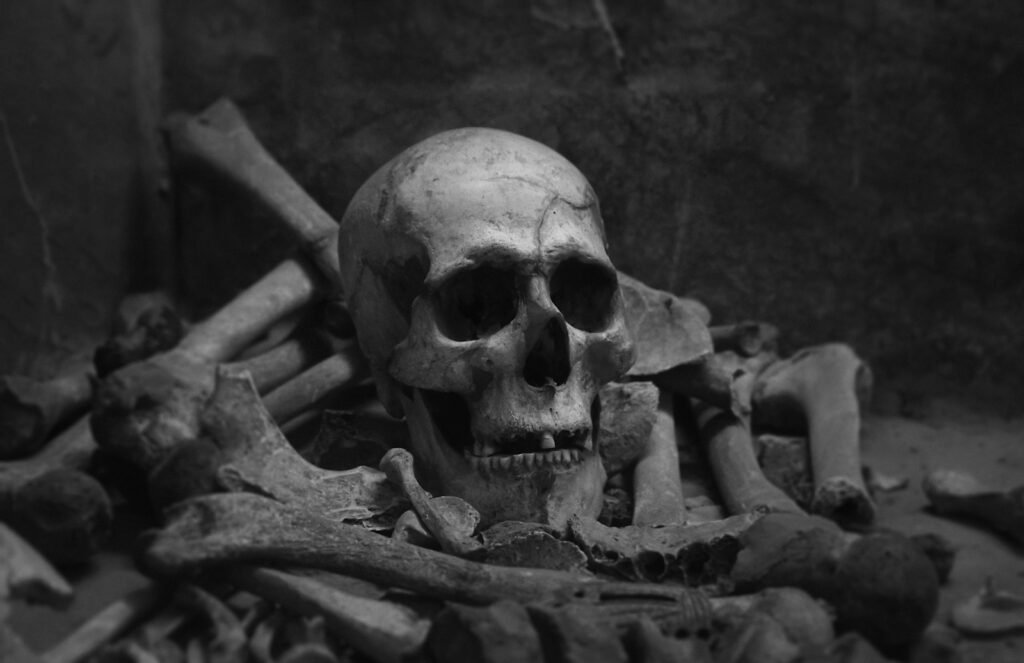
The mystery of Belgium’s 2,500-year-old multi-individual burial continues to captivate and challenge us, offering tantalizing glimpses into a world long past. Each bone and artifact represents a fragment of history that, when combined, narrates a story of human experience, culture, and tradition. As research progresses, these silent witnesses to history become eloquent storytellers, reminding us of the enduring quest to understand where we come from and the profound complexities of ancient societies.