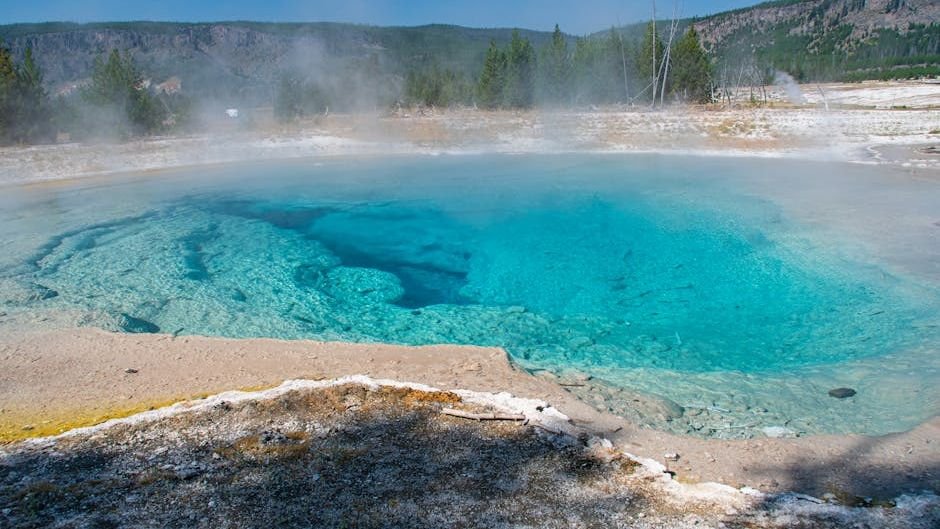

Beneath the stunning meadows, rainbow-colored hot springs, and jet-like geysers of Yellowstone National Park lies one of the most powerful geological forces on the face of the planet. Most visitors strolling the boardwalks have no idea what they are literally walking on top of. It sounds dramatic, but it’s just geology being geology – on a truly mind-bending scale.
You don’t need to be a scientist or a volcano enthusiast to find this stuff captivating. Whether you’ve visited Yellowstone, or simply watched it steam and bubble on a nature documentary, what you’re about to discover will completely change the way you think about this iconic American landmark. Let’s dive in.
1. You Are Standing on One of Earth’s Largest Active Volcanoes
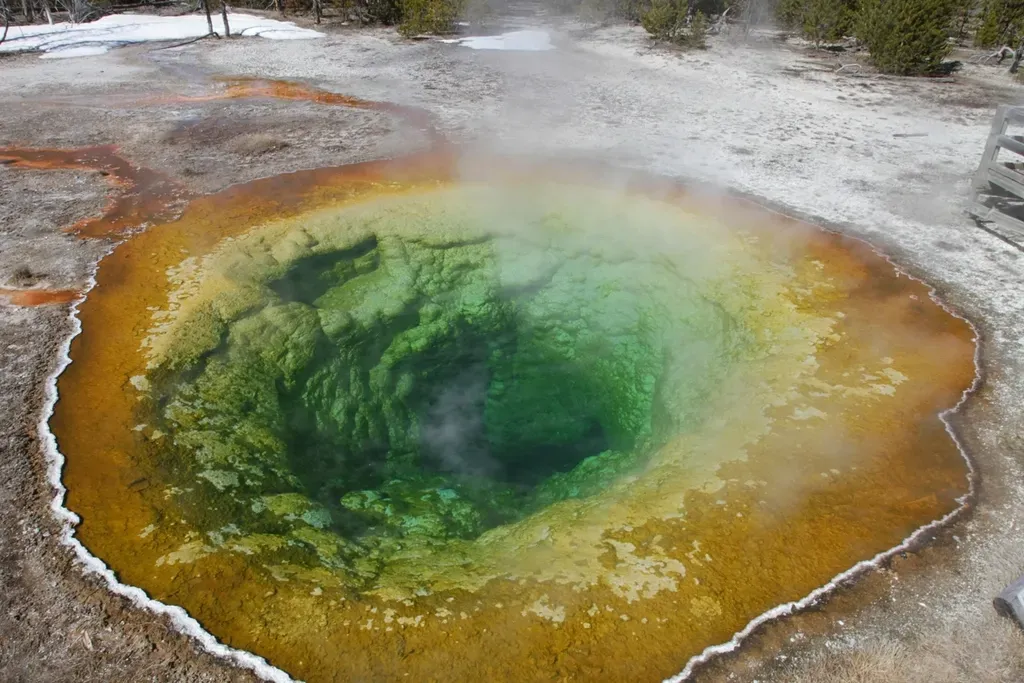
Here’s the thing – when you picture a volcano, you probably imagine a mountain with a dramatic cone spitting fire and lava. Yellowstone is nothing like that. Yellowstone doesn’t just have a volcano – Yellowstone is a volcano, and it’s active. A plume of molten rock that rises beneath the park creates one of the world’s largest active volcanoes, and the evidence is visible all around in the form of geysers, hot springs, mud pots, and otherworldly thermal features.
The Yellowstone Caldera, also known as the Yellowstone Plateau Volcanic Field, is a Quaternary caldera complex and volcanic plateau spanning parts of Wyoming, Idaho, and Montana. It is driven by the Yellowstone hotspot and is largely within Yellowstone National Park. Think of it like a pot of water simmering on a stovetop – the stove being the Earth’s mantle itself, and the pot being the entire park. Pretty wild when you think about it.
2. Three Catastrophic Supereruptions Have Already Happened
If you want to feel genuinely small, consider this. Molten rock rising from deep within the Earth produced three cataclysmic eruptions more powerful than any in the world’s recorded history, with the first caldera-forming eruption occurring about 2.1 million years ago. That alone is staggering – but it gets even more intense.
The three caldera-forming eruptions were respectively about 6,000, 700, and 2,500 times larger than the May 18, 1980 eruption of Mt. St. Helens in Washington State. Together, the three catastrophic eruptions expelled enough ash and lava to fill the Grand Canyon. The Grand Canyon. Filled. Completely. That’s the kind of scale we’re talking about with Yellowstone – not hundreds of cubic feet, but hundreds of cubic miles of raw geological fury.
3. The Magma System Beneath Your Feet Is Enormous and Multi-Layered
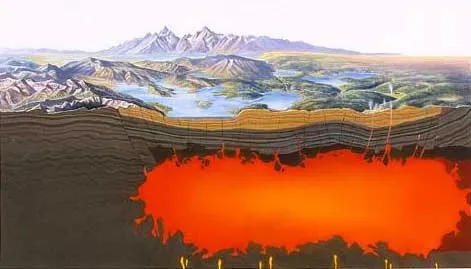
You might think there’s simply a big blob of magma sitting underground, waiting to blow. The reality is far more complex – and honestly, more fascinating. A new map from recent research shows large, deep reservoirs of basaltic magma, which flows easily and is responsible for much of Earth’s volcanic activity. These chambers are connected to shallower underground pools of rhyolitic magma, which is thicker and requires more pressure to erupt, but tends to produce more explosive eruptions. The entire magma complex links into Yellowstone’s hydrothermal system, which is akin to underground plumbing near the surface.
University of Utah seismologists discovered a reservoir of hot, partly molten rock 12 to 28 miles beneath the Yellowstone supervolcano, and it is 4.4 times larger than the shallower, long-known magma chamber. The hot rock in this newly discovered, deeper magma reservoir would fill the 1,000-cubic-mile Grand Canyon 11.2 times. Honestly, two Grand Canyons were already hard to imagine. Try eleven.
4. The Ground at Yellowstone Is Always Moving – Up, Down, and Sideways
Here’s something that surprises people. The Yellowstone caldera is in almost constant motion. Magma from deep in the earth rises, providing heat and pressure to the rock and liquids above. Hydrothermal fluids move in and out of fractures in the rock, building up and releasing pressure. As a result, the caldera lifts, falls, and quakes. It’s like the ground beneath the park is breathing – slowly, powerfully, and without pause.
The upward movement of the Yellowstone caldera floor between 2004 and 2008 was more than three times greater than ever observed since such measurements began in 1923. From 2004 to 2008, the land surface within the caldera moved upward as much as 8 inches at the White Lake GPS station. And recently, an area on the north rim of Yellowstone caldera, to the south of Norris Geyser Basin, started to uplift slightly in July 2025, and similar deformation had occurred in the same area during 1996 to 2004, revealing characteristics of the subsurface.
5. Yellowstone Is Riddled With Thousands of Hidden Earthquakes
If you thought earthquakes were rare and dramatic events, Yellowstone is about to change your perspective. The Yellowstone region, with an average of 1,500 to 2,500 earthquakes per year and active ground deformation, is an active volcanic area. Most of these earthquakes go completely unfelt by visitors strolling around Old Faithful. It’s a seismic world hidden just beneath the surface.
What’s even more jaw-dropping is a breakthrough from 2025. Researchers uncovered over 86,000 earthquakes – ten times more than previously known – revealing chaotic swarms moving along rough, young fault lines. With these new insights, scientists are getting closer to decoding Earth’s volcanic heartbeat and improving how they predict and manage volcanic and geothermal hazards. Artificial intelligence essentially listened to 15 years of underground recordings and found an entire hidden world of seismic activity. A key finding in the study is that more than half of the earthquakes recorded in Yellowstone were part of earthquake swarms – groups of small, interconnected earthquakes that spread and shift within a relatively small area over a short period of time. This is unlike an aftershock, which is a smaller earthquake that follows a larger mainshock in the same general area.
6. Yellowstone Is Home to the World’s Greatest Collection of Geothermal Wonders

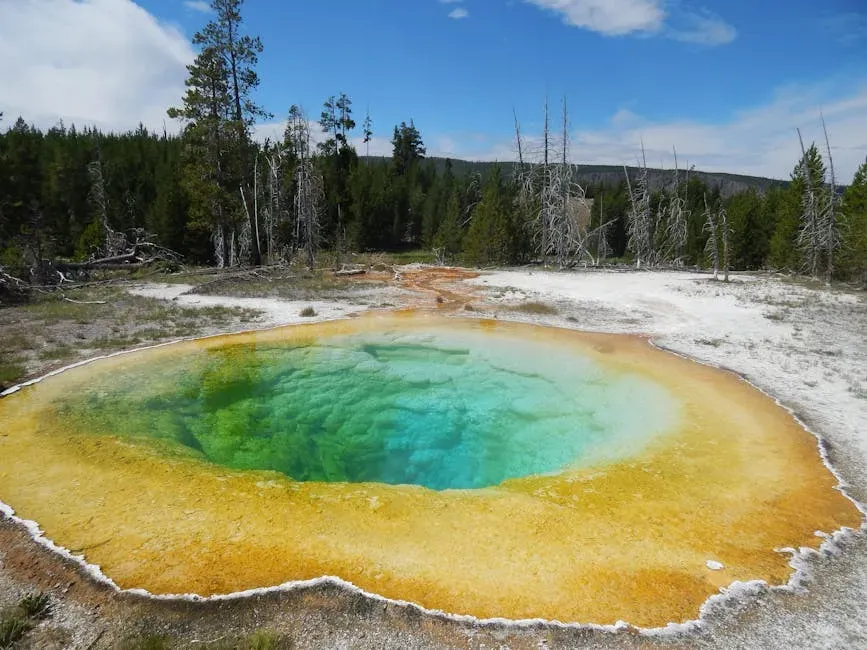
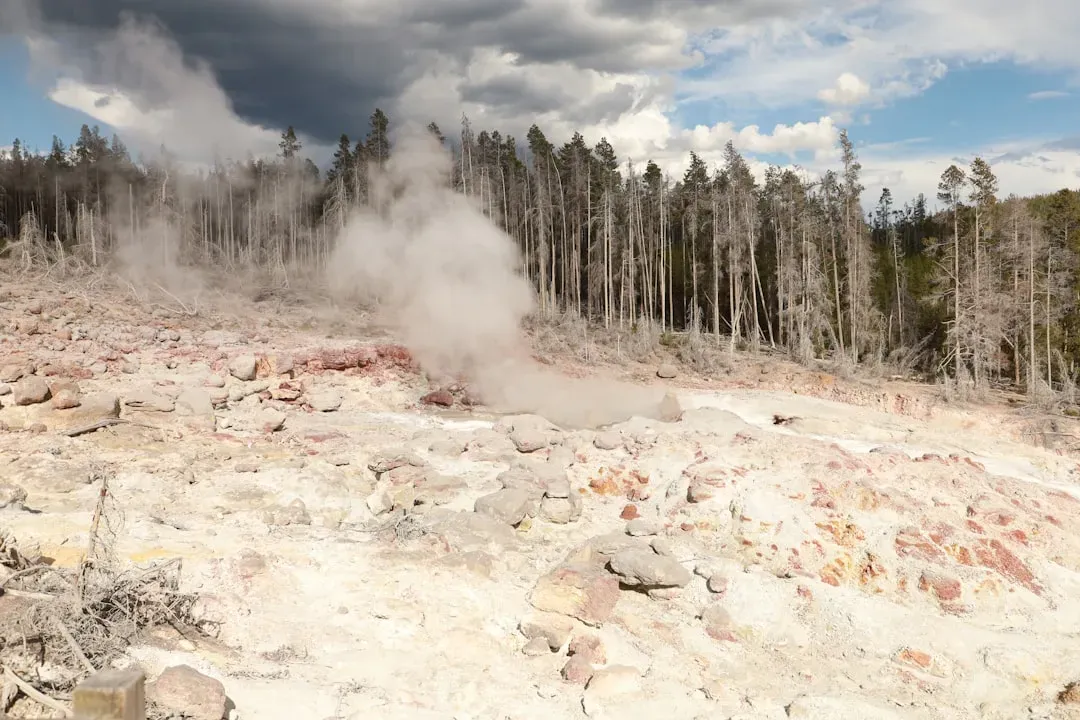
Let’s be real – one of the most spectacular things about Yellowstone isn’t just what’s hidden underground, but what’s on glorious, steaming display at the surface. Yellowstone National Park contains more than 10,000 thermal features, including the world’s greatest concentration of geysers, hot springs, mudpots, and steam vents. No other place on Earth comes close to this concentration of hydrothermal spectacle.
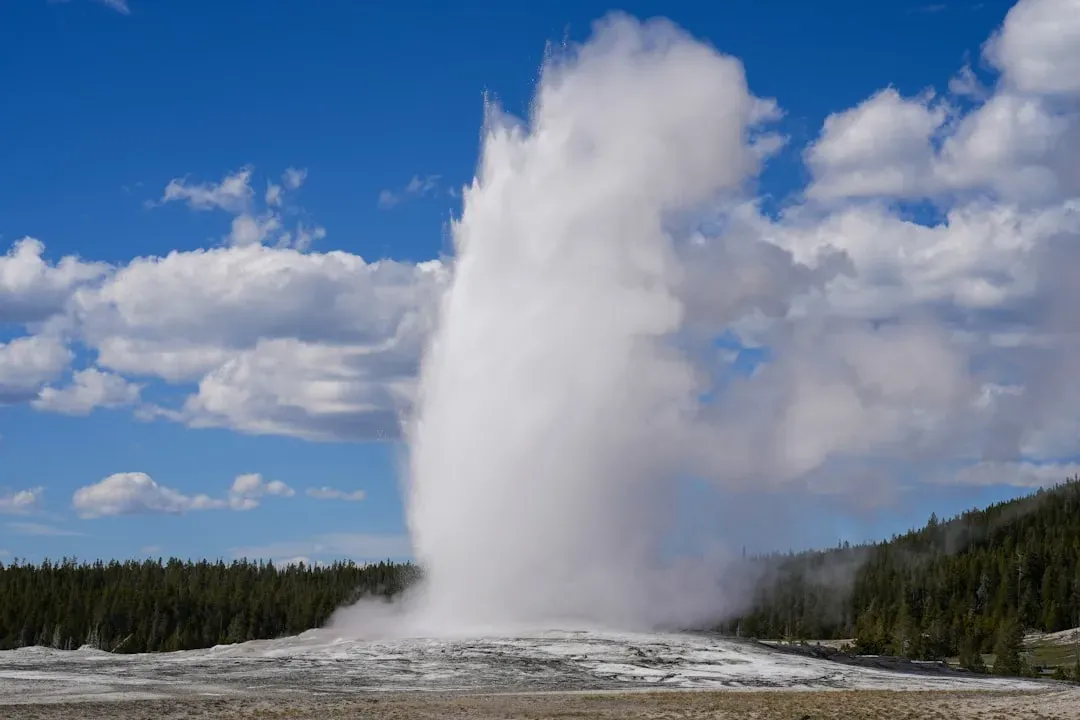
A study found that a total of 1,283 geysers have erupted in Yellowstone, with 465 of which being active during an average year. These are distributed among nine geyser basins, with a few geysers found in smaller thermal areas throughout the park. Old Faithful, easily the most famous, has an average interval between eruptions of about 90 minutes, varying from 50 to 127 minutes, and an eruption lasting 1.5 to 5 minutes that expels between 3,700 and 8,400 gallons of boiling water, reaching a height of 106 to 184 feet. That’s essentially a small swimming pool’s worth of superheated water blasting into the sky. Repeatedly. Every day.
7. Scientists Are Watching Yellowstone Around the Clock – And You Can Too
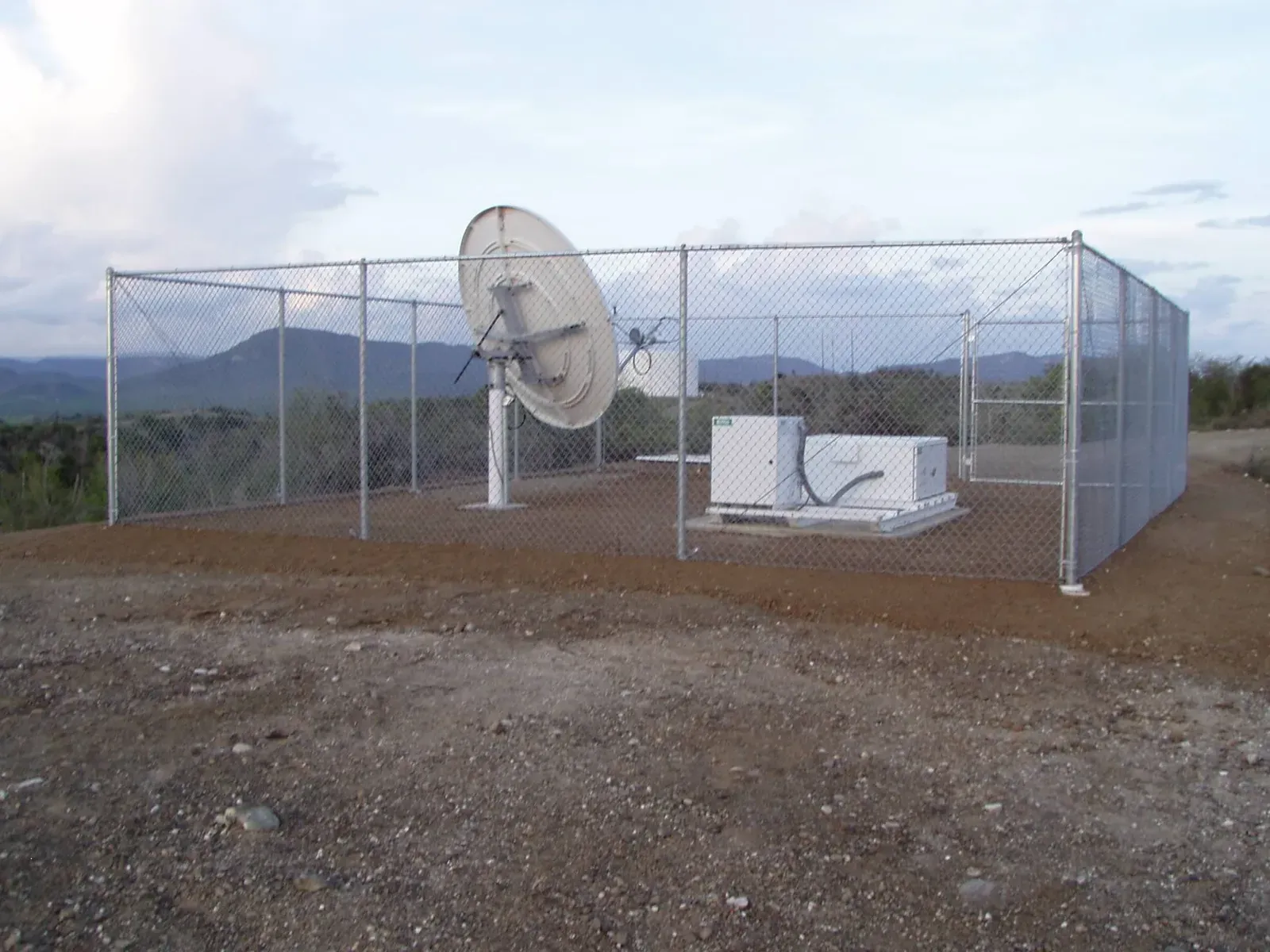
I think this is perhaps one of the most reassuring and underappreciated facts about Yellowstone. You are not simply hoping for the best. The Yellowstone Volcano Observatory is a consortium of nine state and federal agencies who provide timely monitoring and hazard assessment of volcanic, hydrothermal, and earthquake activity in the Yellowstone Plateau region. This is a genuinely world-class scientific effort happening every single day.
Scientists believe there will be plenty of forewarning regarding eruptions, thanks to great progress in research and understanding of the volcano within the last 25 years. Forecasting possible eruptions has been a huge part of those advancements. Scientists with the Yellowstone Volcano Observatory believe warnings of any significant activity could appear as early as weeks to months and even years before an eruption would actually take place. For context, a supervolcano eruption today would be cataclysmic, but researchers estimate the annual chance is 1 in 700,000. You have better odds of being struck by lightning – twice.
Conclusion
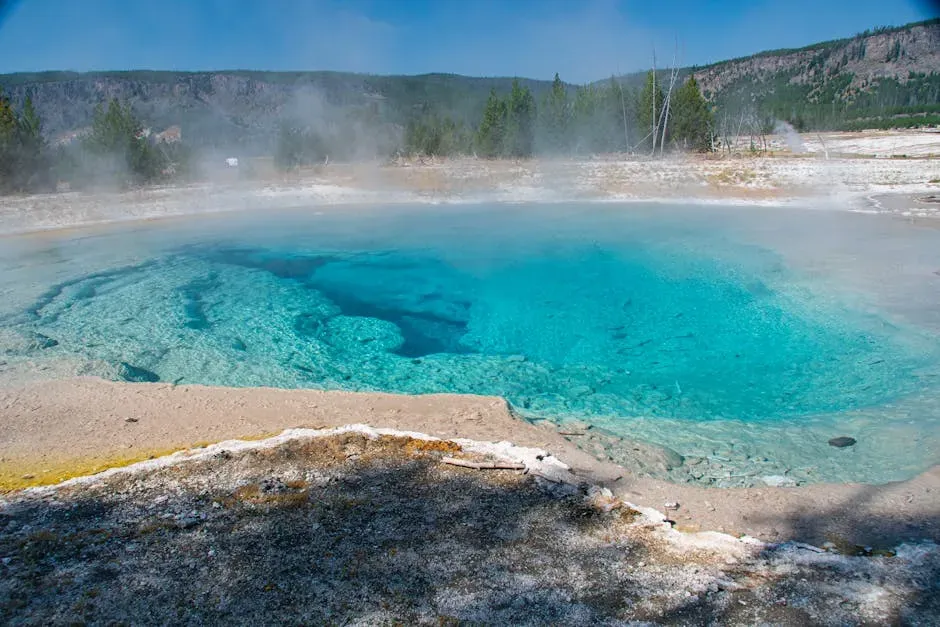
Yellowstone is far more than a stunning national park of geysers and bison. It is a living, breathing, trembling geological giant whose story stretches back millions of years. From its multi-layered magma system and miles of hidden seismic activity to its thousands of gushing hydrothermal features, it is genuinely unlike anything else on Earth.
The good news? The same science that reveals how powerful Yellowstone truly is also gives us the tools to monitor it closely and continuously. You don’t need to be afraid of it. You just need to appreciate it – deeply. Scientists are watching. The ground is moving. And the story is still being written.
So the next time you see footage of Old Faithful shooting boiling water into the sky, remember: that’s not just a pretty tourist attraction. That’s a supervolcano saying hello. What would you have guessed was hiding beneath all that beauty? Tell us in the comments.