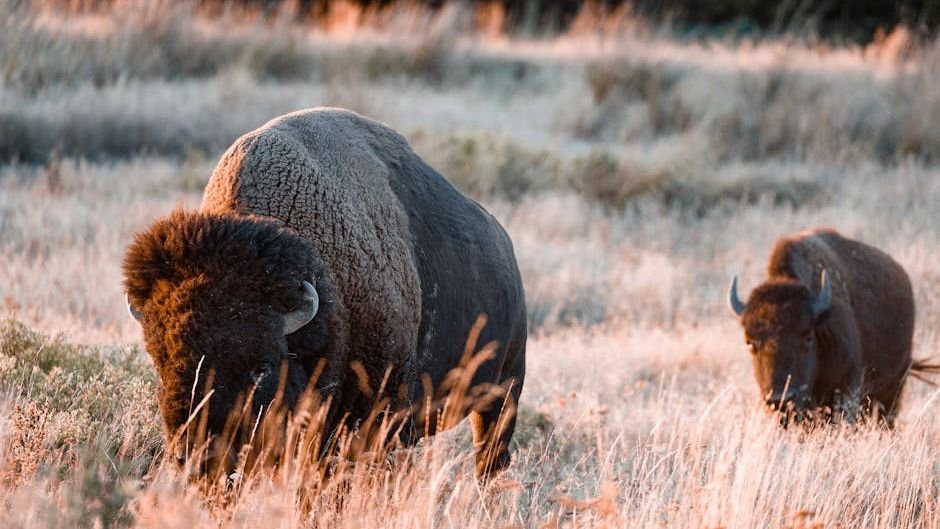

When most people think of American wildlife, they picture bald eagles, grizzly bears, or alligators. The famous ones. The ones you find on postcards and national park posters. But here’s the thing – the United States is home to roughly three thousand native animal species, and the vast majority of them fly completely under the radar.
The incredible number of animals native to the United States makes it one of only 17 megadiverse countries in the world, with over 400 known mammals, nearly 800 birds, over 300 reptiles, nearly 300 amphibians, and over 1,100 fish species. That is a staggering amount of biodiversity hiding right in America’s backyard. You would be surprised – and honestly, a little amazed – by what shares the land and water with you. Let’s dive in.
1. The Hellbender Salamander: America’s Hidden River Giant
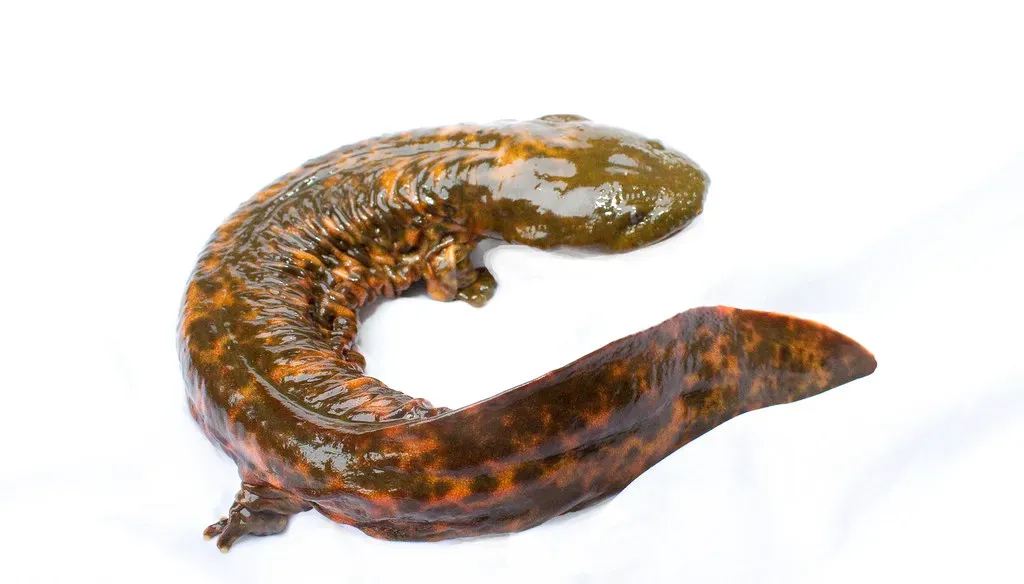
Imagine stumbling upon something that looks like it crawled out of a prehistoric nightmare while wading in a clear Appalachian stream. That is basically the hellbender experience. The eastern hellbender is the largest salamander in the Americas, living in clean, swift-running rivers across the eastern United States and spending its entire life in the water. Its nicknames alone tell a story: snot otter, mud devil, devil dog, lasagna lizard. Honestly, those names are fair.
Cool and clear water is critical to the hellbender because it breathes entirely through its skin, which contains numerous folds to increase oxygen absorption. Think of it like a living, breathing sponge wrapped in wrinkled brown skin. Hellbenders are found in clear, clean water, and their presence is an indicator that the water is of good quality. So spotting one is actually a great sign – not a reason to run.
2. The Black-footed Ferret: North America’s Most Endangered Mammal
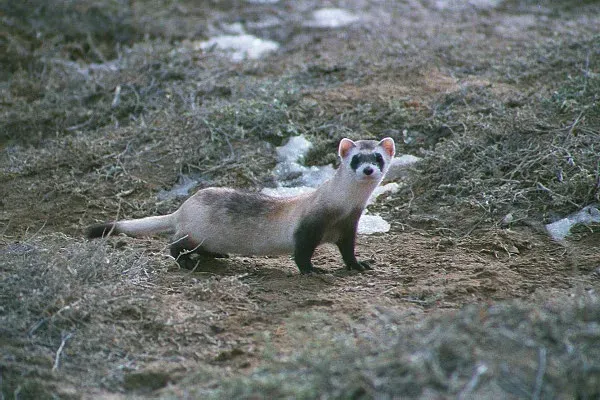
The black-footed ferret is North America’s rarest mammal and one of its most elusive, a small predator that feeds on animals nearly its own size. Found nowhere else in the world, the species is an American original. It was actually declared extinct multiple times before a ranch dog named Shep changed everything in 1981 by dragging one home. I know it sounds crazy, but that dog may have saved an entire species.
A black-footed ferret has a slender body covered in cream-colored fur with black on its back, legs, and the tip of its tail, along with four black feet and a partial black mask that makes it look a little like a raccoon. These ferrets live in burrows in a grassland habitat, often in abandoned prairie dog burrows – convenient, because prairie dogs are the main element in their diet. One ferret family can consume hundreds of prairie dogs in a single year.
3. The Gila Monster: The Southwest’s Venomous Living Relic
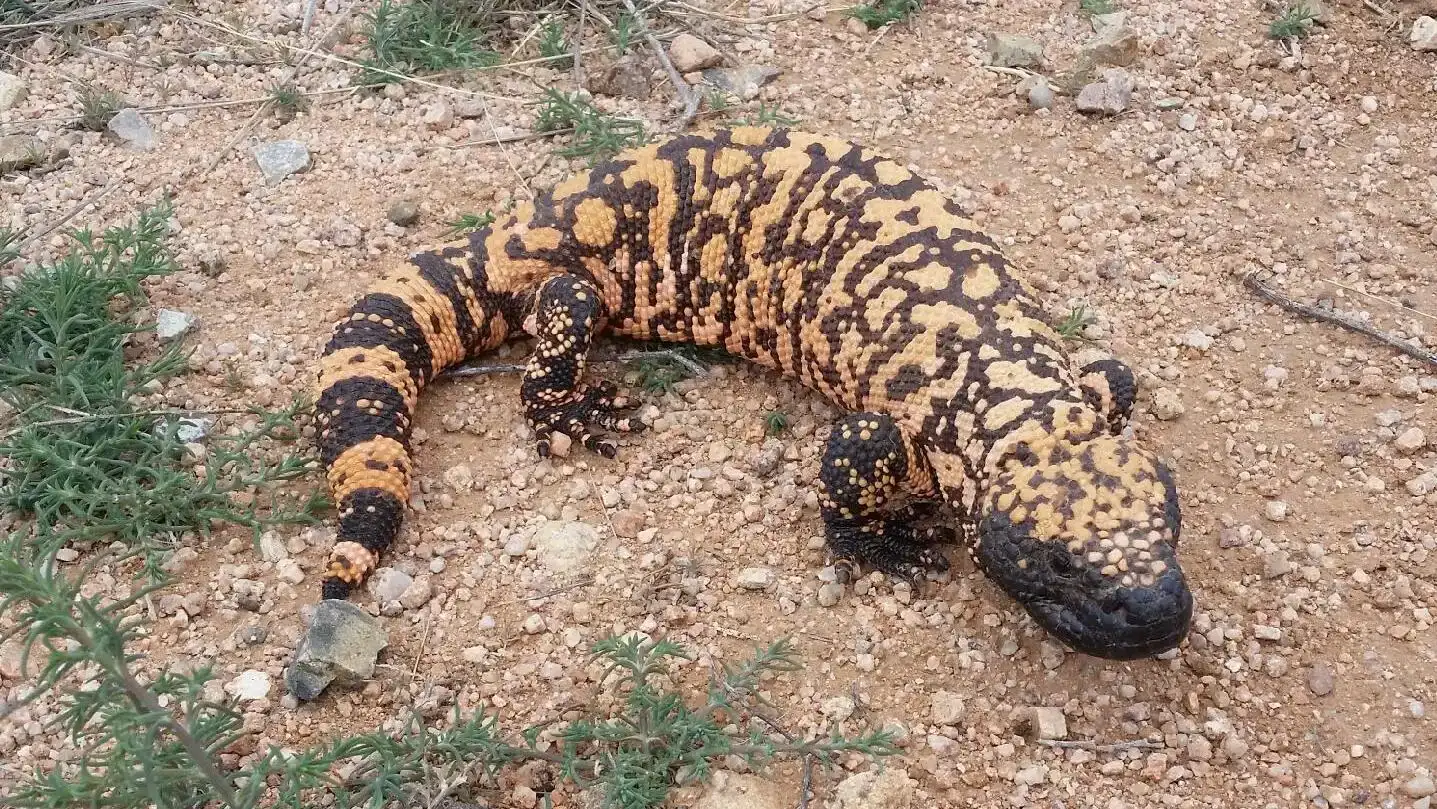
The Gila monster sounds like something out of a science-fiction film, and honestly, it kind of looks like one too. This lizard is one of only two venomous lizards in North America, with the second being the Mexican beaded lizard, and it inhabits the desert and semi-desert areas of the southwestern United States and Mexico. It moves slowly, almost lazily, but do not let that fool you.
The body of the Gila monster is covered with pink, black, and yellow colored bead-like scales, and it has a broad head and black rounded eyes, with venom-producing glands in its lower jaws. Its bite is extremely painful, even to humans, though not fatal to adults. With a name as terrifying as its appearance, it lives in the Sonoran Desert especially around Saguaro National Park and Organ Pipe Cactus Monument in southern Arizona. Your best chance of seeing one is on warm spring evenings, but give this slow-moving reptile plenty of space.
4. The Gunnison Sage-Grouse: The Bird With the Most Dramatic Courtship Display
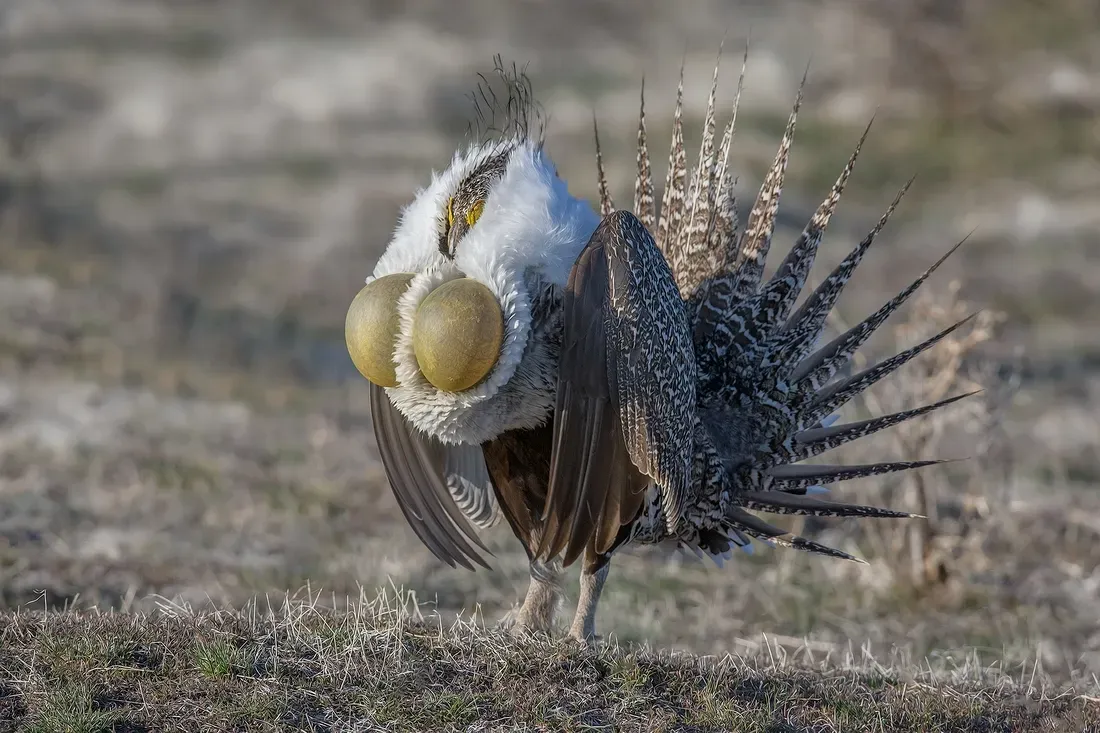
Few birds in America go to greater theatrical lengths to find a mate. The Gunnison sage-grouse is a distinct species of sage-grouse native to the western United States that lives in the sagebrush-laden shrublands of south-central Colorado, smaller than its Greater Sage-Grouse relatives, with intricate plumage and unique courtship displays, endemic to Colorado and a small portion of Utah where it relies on sagebrush for food and cover.
Habitat loss due to agriculture, energy development, and urbanization has drastically reduced their numbers, leading to their classification as endangered under the U.S. Endangered Species Act, with conservation efforts involving habitat restoration, land management practices, and partnerships with local communities to preserve critical sagebrush ecosystems. Gunnison sage-grouse can often be found in groups foraging for food, with up to nearly two-thirds of their day devoted to foraging. That is dedication to both survival and performance.
5. The Hawaiian Monk Seal: A Survivor on the Edge
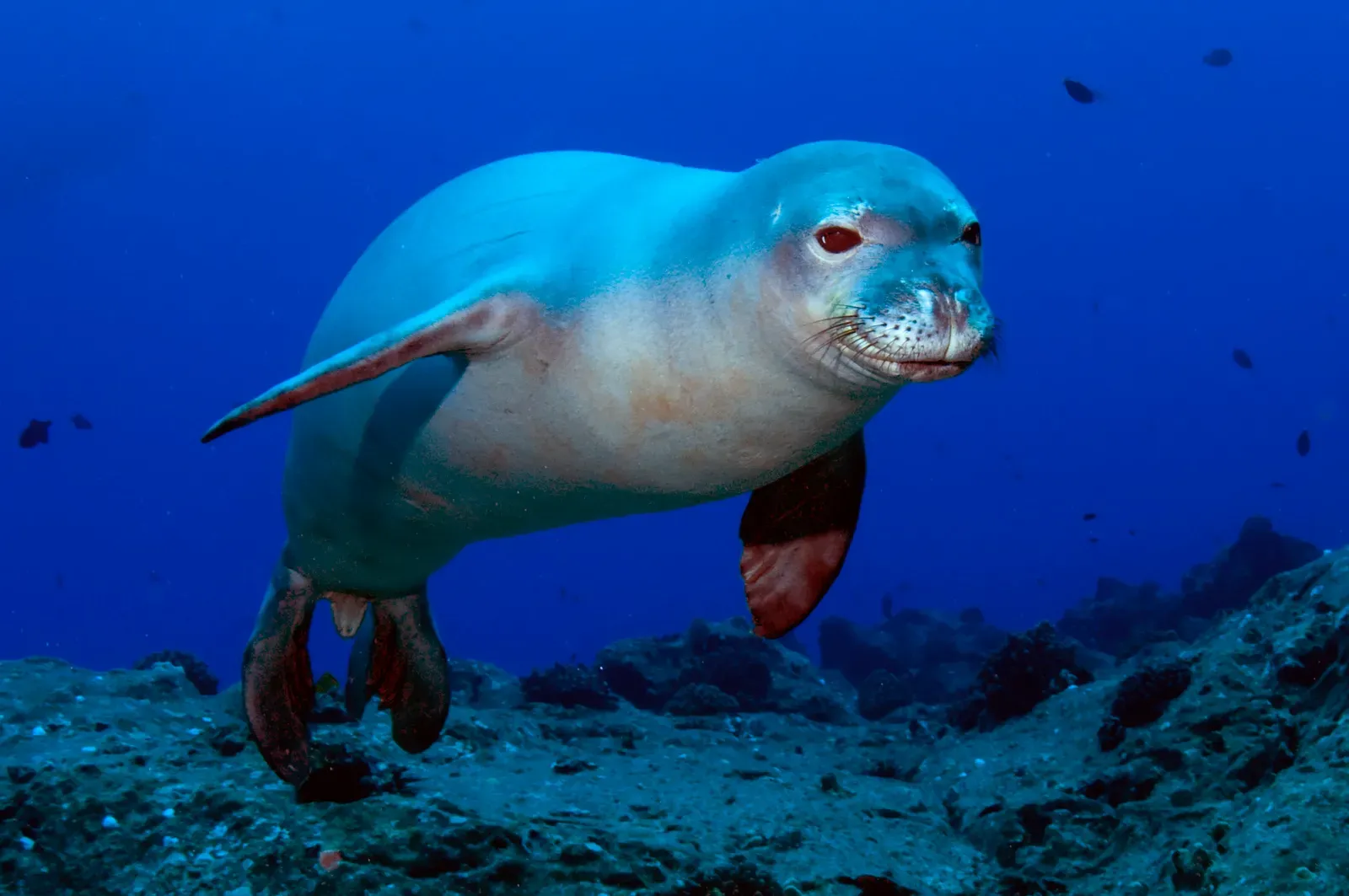
There is something genuinely heartbreaking about the Hawaiian monk seal. It is one of the world’s most endangered marine mammals and yet, most Americans have never heard of it. Hawaiian monk seals are an endangered species unique to the northwestern Hawaiian Islands, weighing from 300 to 600 pounds and growing as long as eight feet.
Their populations have decreased drastically over the last 50 years, with only about 1,500 of them remaining according to NOAA. These unique seals are prone to getting caught in commercial fishing nets set for other types of fish and sea life, and seals that become entangled in commercial fishing nets usually die as a result. They are known for diving deeper than 300 meters in search of food, with their diet mainly including fish, crustaceans, and eels. Every individual matters at this point.
6. The Island Fox: A Pint-Sized Comeback Story
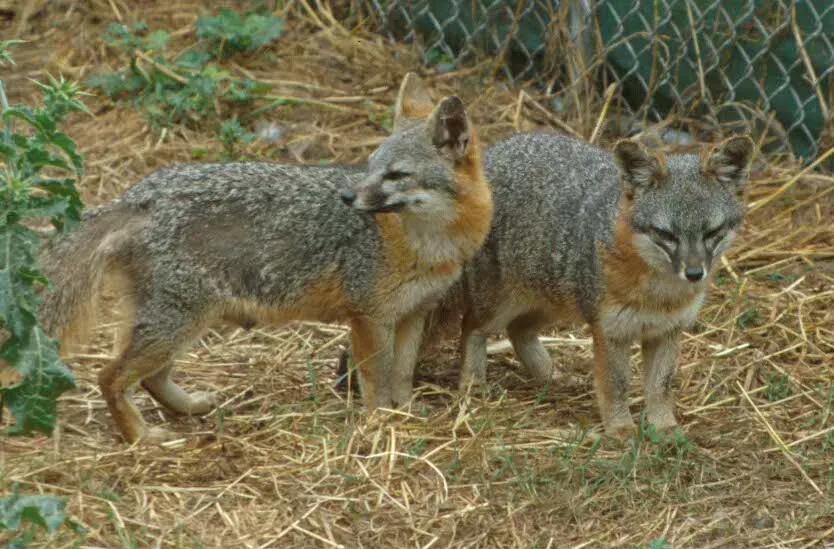
You might picture a fox and think of something forest-dwelling and clever. The island fox is all of that, except it exists only on a chain of islands off the California coast. Palm-sized and almost too adorable, the island fox lives only on California’s Channel Islands, making it one of the rarest mammals in North America despite its recent recovery. Nearly wiped out in the 1990s by disease and golden eagle predation, the species has bounced back thanks to intensive conservation, with populations now surviving on six of the California Channel Islands, but nowhere else on Earth.
Many unique species of plants and animals are endemic to the Channel Islands, including the island fox, Channel Islands spotted skunk, island scrub jay, ashy storm-petrel, island fence lizard, and island night lizard. Think of it as its own miniature Galapagos. The island fox story is one of the most inspiring wildlife recoveries in American history, a reminder that conservation efforts can actually work when people commit to them fully.
7. The Star-Nosed Mole: The Fastest Eater on the Planet
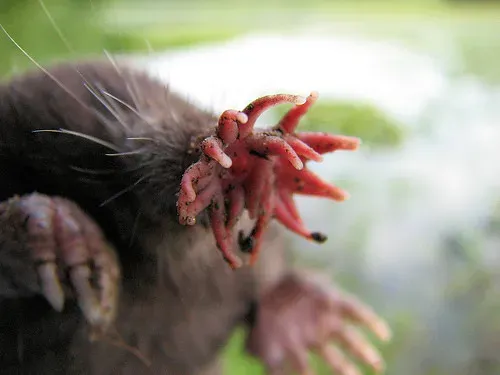
Let’s be real – this creature looks like something a special-effects team designed for a horror movie. The star-nosed mole has 22 pink, fleshy tentacles radiating from the end of its snout, and that bizarre feature is actually one of nature’s most extraordinary inventions. Star-nosed moles eat faster than any other mammal on Earth, deciding if something is edible in eight milliseconds and devouring their meal in less than two-tenths of a second.
They owe part of their unusual superpower to the extremely efficient operation of their nervous system and part to their unique noses. The star contains 100,000 nerve fibers in a space smaller than your fingertip, making it the most sensitive touch organ in any mammal. They are also the only mammal known to smell underwater, blowing bubbles into the water and then re-inhaling them to catch a whiff of potential prey. That is genuinely astonishing when you think about it – a creature that essentially smells with bubbles.
8. The Olympic Marmot: Washington’s Alpine Whistler
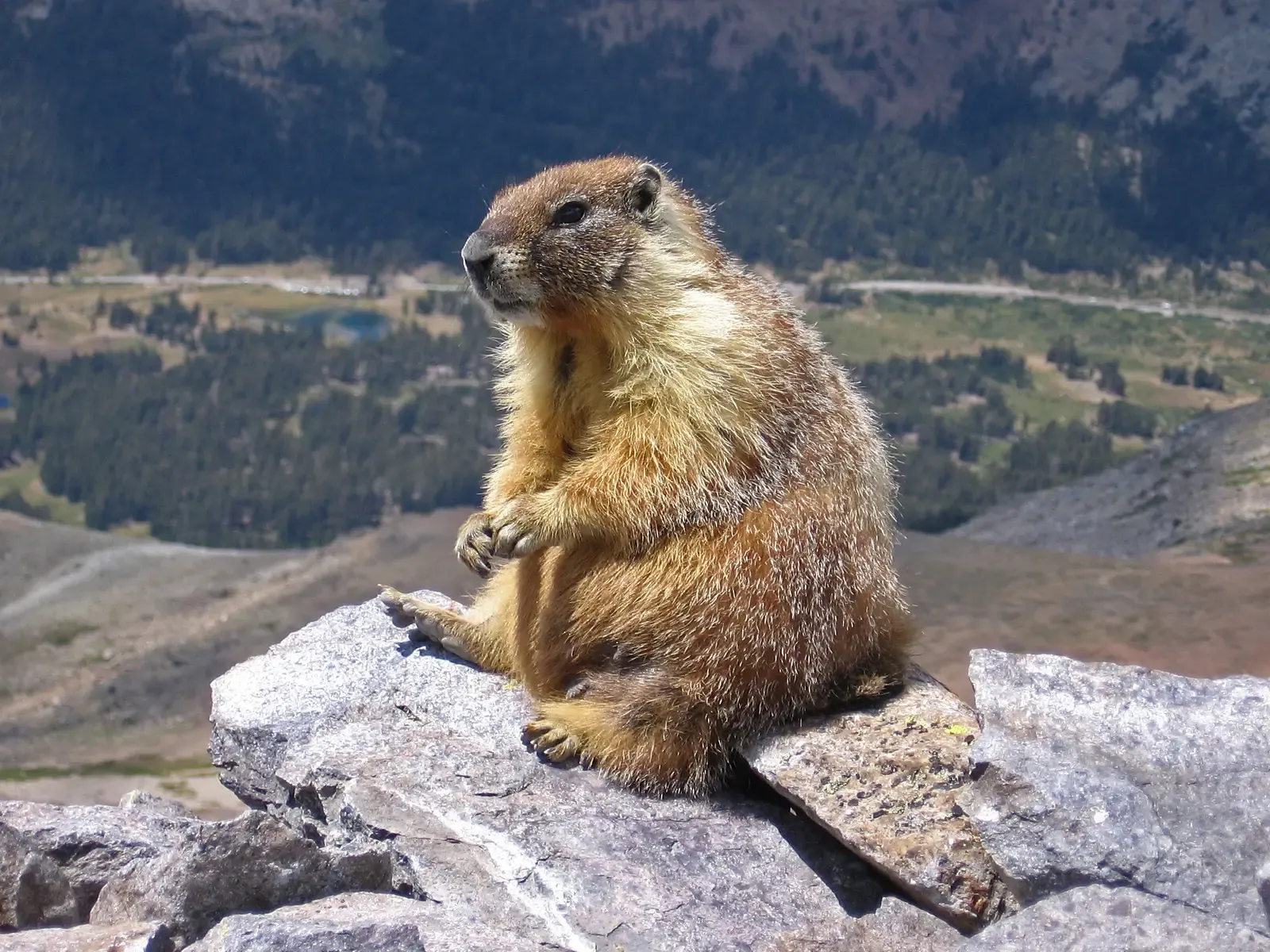
Derivative work: jjron (talk · contribs), CC BY-SA 3.0)
If you have ever hiked the trails of Olympic National Park in Washington State, you may have heard a sharp, piercing whistle echo across the meadow and wondered where it came from. That was almost certainly an Olympic marmot. The Olympic marmot is a fascinating mammal endemic to the Olympic Peninsula in Washington State, known for its whistle-like call and striking cinnamon-brown fur, primarily inhabiting subalpine meadows and rocky slopes above the tree line. They are a common sight along the many hiking trails in Olympic National Park.
With a diet consisting mainly of grasses, herbs, and flowers, the Olympic marmot is well-adapted to its alpine habitat. These social animals live in colonies and hibernate during the winter months, emerging in spring to breed and forage. Despite their isolated habitat, Olympic marmot populations face threats from habitat loss, climate change, and predation. Climate change is perhaps their most pressing concern, as warming temperatures shrink the very meadows they depend on.
9. The Kaibab Squirrel: The Grand Canyon’s Most Exclusive Resident
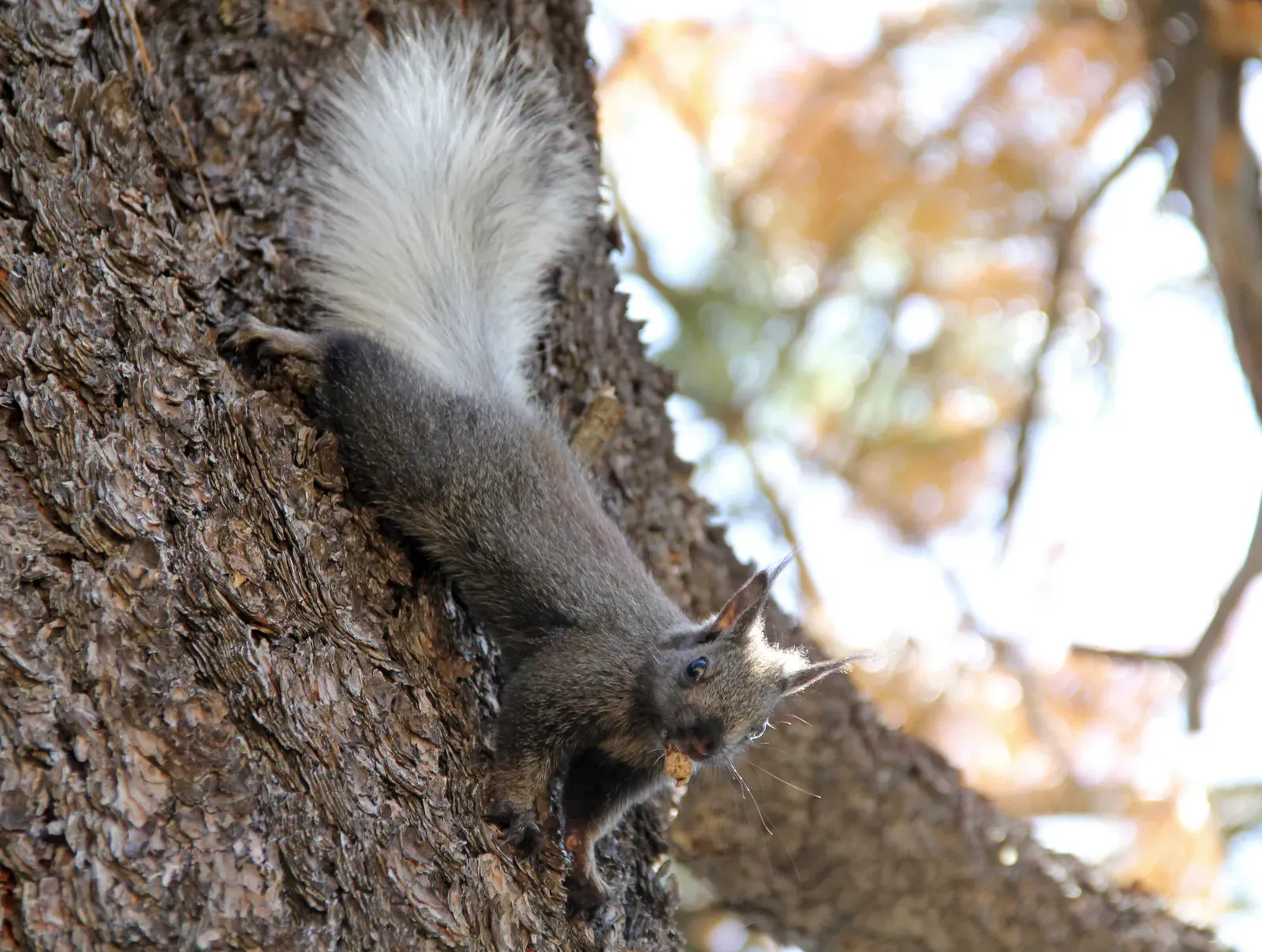
Here is a fun thought experiment. Imagine a squirrel so geographically isolated that it evolved in total separation from its relatives, developing a completely different appearance over thousands of years. That is essentially the Kaibab squirrel. The Kaibab squirrel, native to the Kaibab Plateau in Arizona, is a squirrel species renowned for its striking appearance and unique habitat, identified by its creamy white tail and tufted ears, adapted to the ponderosa pine forests of its habitat range. Its coloration also serves as camouflage in its high-altitude environment in and around the Grand Canyon National Park.
Its diet is mostly made up of ponderosa pine cones, making it a key player as a seed disperser. It is the kind of species that makes you realize just how powerful geographic isolation can be as an evolutionary force. The Grand Canyon itself acted as the barrier, separating this squirrel from its Abert’s squirrel cousins on the South Rim, and over time, the two groups went their entirely separate ways. Nature’s version of a long-distance split.
10. The Key Deer: Florida’s Miniature White-Tailed Deer
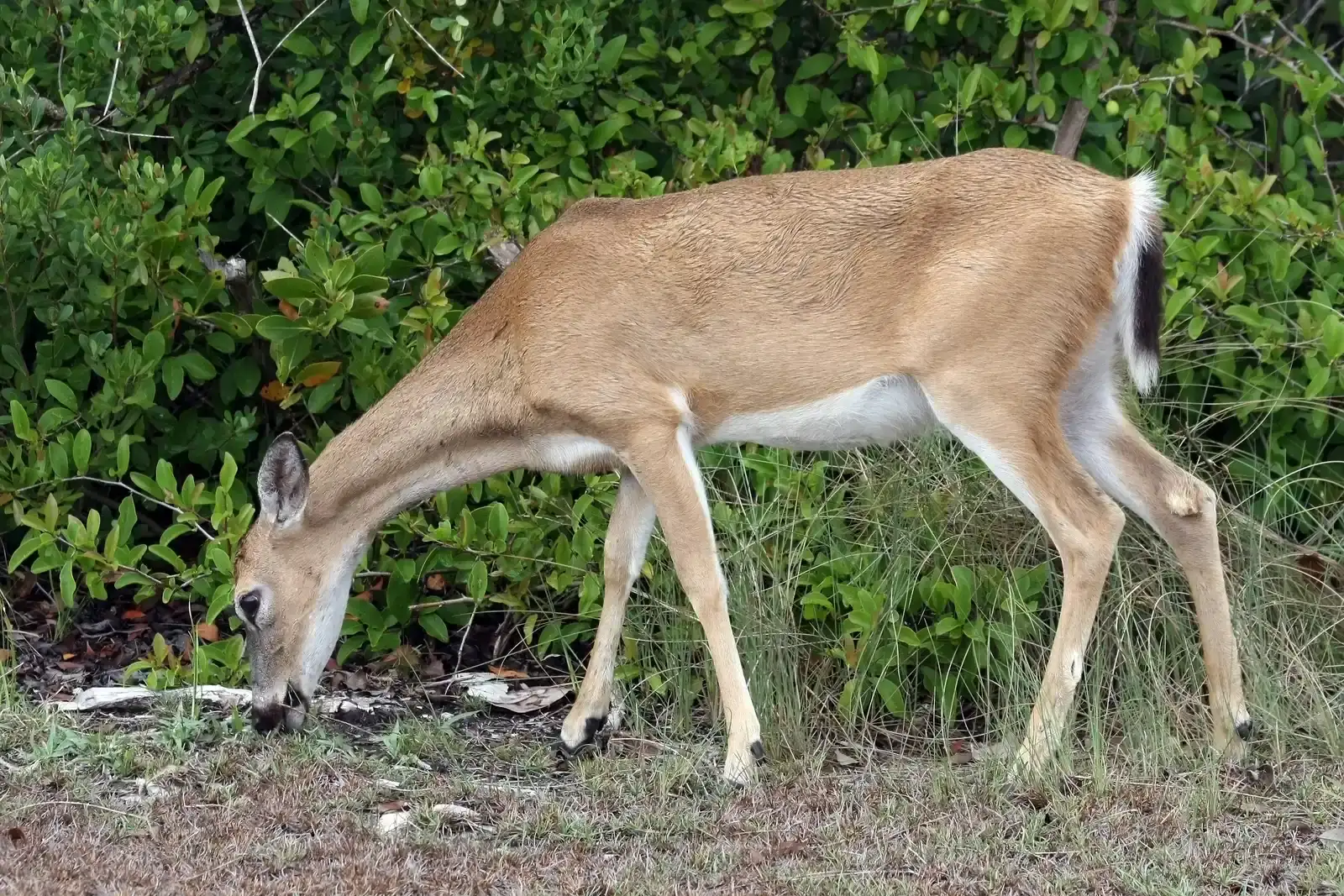
Most people know the white-tailed deer. You have seen them at roadsides, in backyards, perhaps munching on a garden. The Key deer is their much smaller, far rarer Florida cousin – a deer so tiny it looks almost cartoonish. The Key deer, a pocket-sized cousin of the white-tailed deer, is found only in the Lower Florida Keys and ranks among the rarest deer in North America.
This smallest subspecies of white-tailed deer was hunted to near extinction by the 1940s, but from a low of 25 Key deer in the early 1950s, they have rebounded to around 800 animals. The deer live only on a six-mile span of islands in the Florida Keys where they have adapted to being surrounded by salt water. The diminutive deer are currently threatened by commercial and residential development encroaching on native habitat, and collisions with cars account for roughly seven in ten Key deer killed each year. For a species that came back from 25 individuals, that is a fragile recovery worth protecting.
Conclusion: America’s Wild Side Goes Far Deeper Than You Think
The animals on this list are not exotic imports or mythical creatures – they are real, living species sharing the same country you call home. From a giant slime-skinned river salamander that breathes through its skin, to a mole that can smell underwater, to a deer the size of a large dog living on a strip of Florida islands, America’s wildlife is endlessly surprising.
The United States spans an exceptional range of habitats – from Arctic tundra and boreal forest in Alaska to Rocky Mountain alpine zones, Great Plains prairies, Pacific coastal rainforests, deserts of the Southwest, and subtropical wetlands in the Southeast – creating one of the world’s most varied temperate wildlife experiences. That diversity of landscape is exactly why such unusual creatures evolved here in the first place.
Honestly, the most unsettling part is not how strange these animals are. It is how close they live to us, and how rarely we notice them. Which of these ten surprised you the most? Drop it in the comments – and share this with someone who thinks they already know everything about American wildlife.